In Algeria’s Harsh Interior, Dahbia Builds an Award-Winning Olive Oil
Far from Algeria’s traditional olive-growing heartlands, Dahbia Olive Oil earned a Silver Award at the 2026 NYIOOC, highlighting how quality-focused production is taking root in the challenging high plateaus of Djelfa.
Fifteen thousand olive trees spread across 40 hectares are thriving under extreme conditions in Algeria’s Djelfa region. Far from the parts of the country where olive trees have traditionally been cultivated since ancient times, Dahbia Olive Oil is celebrating the Silver Award it won at the 2026 NYIOOC World Olive Oil Competition.
I had a strong foundation of ancestral knowledge, but I also wanted to go further, improve practices and raise the level of quality.
Set between Algeria’s Mediterranean north and the Sahara, Djelfa’s high plateaus are defined by calcareous soils with low organic matter and limited water retention. The climate brings hot, dry summers and cold winters marked by frost.
“Djelfa is a demanding region, with a semi-arid climate and rich land that needed to be developed,” founder Hakim Alileche told Olive Oil Times. “That challenge is exactly what attracted me. These conditions force the trees to draw deeply from their resources, resulting in oils that are highly concentrated, rich in polyphenols and full of character.”
Alileche said he grew up in a family of olive growers in Kabylie, one of the country’s main olive-growing regions along the Mediterranean coast. Compared with Djelfa, Kabylie has a milder, more humid climate and significantly higher rainfall.
Before turning fully to olive farming, Alileche worked for years in graphic arts. He said the pull of the land never faded.
“I grew up with the image of the olive tree, a symbol deeply rooted in our culture, almost sacred in Algeria,” he said. “Olive oil has always been part of my heritage and daily life.”
Returning to agriculture, he added, was the result of a search for something essential and tangible. Leaving behind stability was not easy, but he believed he could build something lasting.
In a country where traditional farming and milling methods still shape much of olive oil production, Dahbia set out to become a model for modern, high-quality production.
“I had a strong foundation of ancestral knowledge, but I also wanted to go further, improve practices and raise the level of quality,” Alileche said. “That’s when I chose Djelfa, a challenging region, difficult to work with, but rich and generous for those who take care of it.”
From the outset, he decided to avoid chemical inputs and rely on organic practices. The first harvest took years to arrive, but he said the delay was part of the plan.
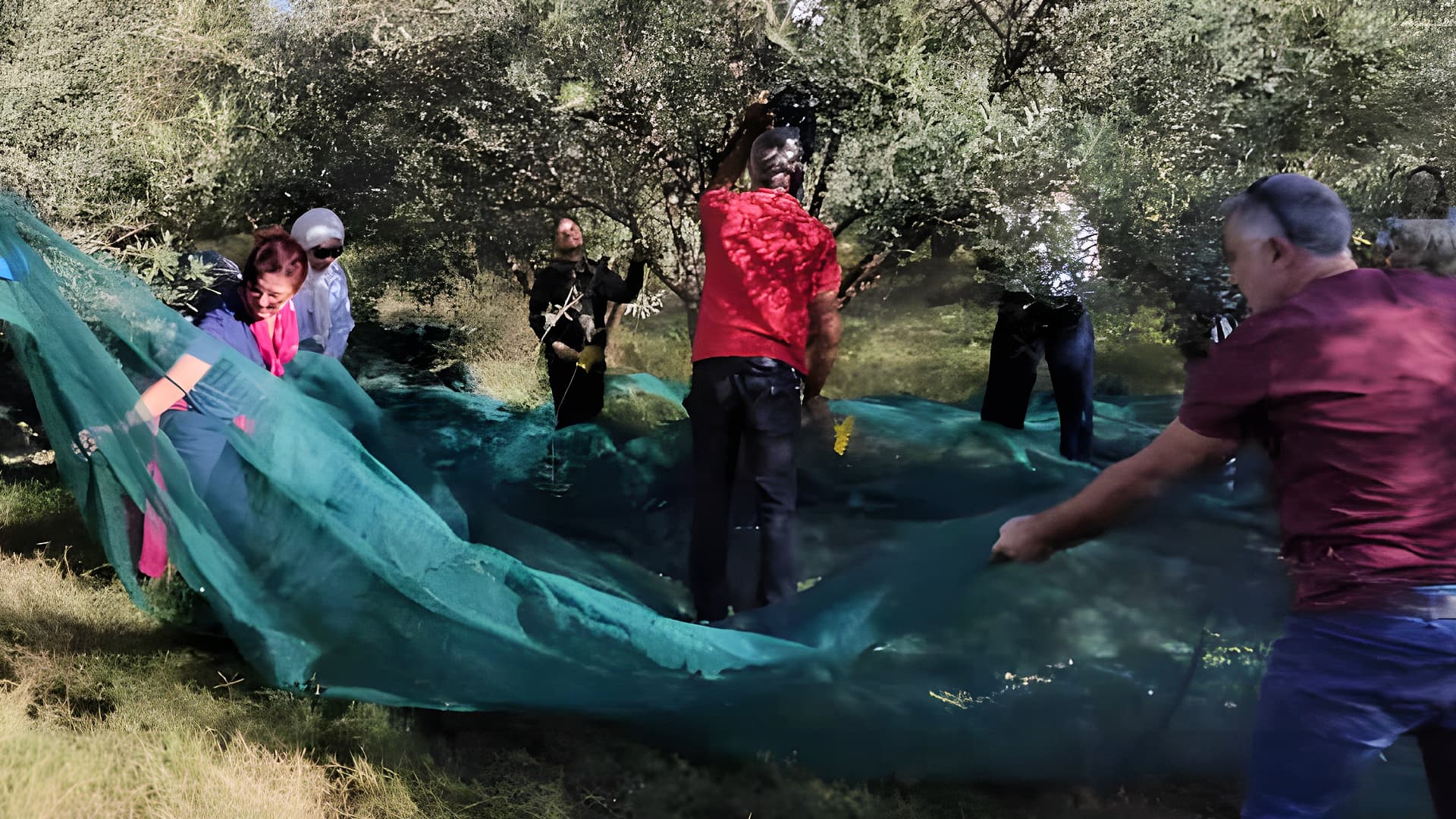
The harvest in Dahbia
“At the beginning, the vision was simple yet ambitious: to produce an exceptional olive oil in Algeria, capable of competing with the best in the world,” he said. “I also wanted to demonstrate that our country has the potential to position itself in the premium segment.”
The early years were shaped by trial and adaptation, from working with compost and managing water to understanding how the land responded. Those difficulties, he said, eventually became a strength.
Today, Dahbia emphasizes quality, environmental stewardship and traceability. Alileche said the company has gradually taken full control of the production chain, from the tree to the bottle, with constant attention to detail.
That approach was not immediately embraced by neighboring growers. “It was met with skepticism,” he said. “Many people didn’t understand why I chose early harvesting and lower yields. But over time, the results spoke for themselves. International awards, certifications and consumer recognition have changed perceptions.”
He believes lower yields should not discourage producers from pursuing quality. “That is when the fruit expresses its full potential,” he said of early harvesting. “It requires more effort and sacrifice, but the difference in flavor profile and nutritional value is incomparable. For us, producing less but producing better is obvious.”
Dahbia typically begins harvesting in the first weeks of October. Local olive varieties, especially Chemlal, play a central role in its award-winning oils.
“Preserving local cultivars is essential, as they represent a valuable agricultural and cultural heritage,” Alileche said. “In a globalized world, it’s important to highlight what makes us unique.”
He said those varieties are especially well adapted to local conditions and give the oils a distinctive identity. While Chemlal is widely grown across Algeria and in Kabylie is often associated with milder oils and solid yields, the cultivar produces more intense oils in Djelfa’s harsher environment.
Across the groves, Dahbia uses no pesticides or chemical fertilizers, according to Alileche. Natural compost, the recycling of mill by-products and carefully managed drip irrigation are part of a broader effort to support biodiversity and maintain natural balance.
“Dahbia is an olive oil with strong character,” he said. “It stands out with an intense green fruitiness, with fresh herbal notes, green almond and sometimes a hint of artichoke. On the palate, it is well-structured and balanced, with a pleasant bitterness and a controlled pungency, signs of high polyphenol content.”
He described it as an expressive oil that reflects both the terroir of the high plateaus and the way it is produced.
That character helped secure Dahbia’s NYIOOC recognition. “NYIOOC is one of the most prestigious competitions in the world,” Alileche said. “Winning a medal is a great source of pride. It is a recognition of our work and a validation of our choices.”
He said the award is meaningful both personally and professionally, representing years of effort while also opening doors in international premium markets.
For Algeria’s olive oil sector to advance further, Alileche said, producers will need more specialized training, wider adoption of best practices, investment in modern equipment and stronger certification systems. Just as important, he added, is building a culture of quality among both producers and consumers.
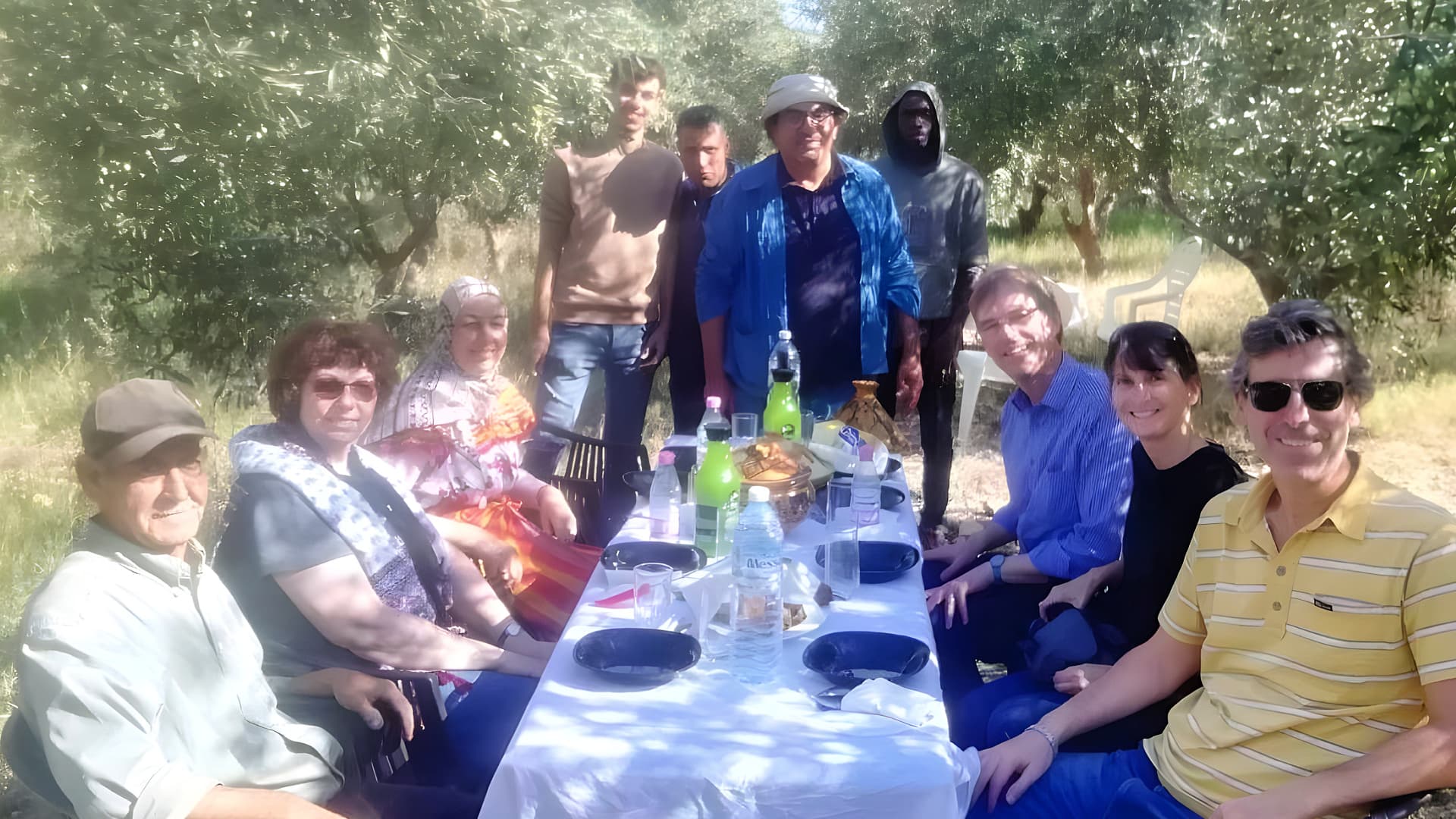
Alileche with family and workers
His message to young producers entering the sector is to trust their potential and resist the temptation to follow established patterns. Quality, he said, requires time, patience and discipline, but it pays off.
Looking ahead, Dahbia plans to expand in a controlled way, increasing production without compromising standards. The company is also developing new projects, including ecotourism centered on a guesthouse in the olive groves.
Internationally, Alileche said the goal is to deepen Dahbia’s presence in European and North American markets and establish the brand as a reference point for Algerian craftsmanship.