Court Stops Removal of Trees for Puglia Pipeline
A Lazio court’s decision to suspend the environment ministry’s permit blocks the uprooting of trees until at least April 19th, when an appeal from Puglia’s regional government against the permit will be heard.
The Lazio Regional Administrative Court (TAR) halted the uprooting of olive trees to make way for the controversial Trans Adriatic Pipeline (TAP). The April 6 ruling overturned the Italian government’s authorization relocation of the trees from a grove in Melendugno, Puglia.
TAR’s decision to suspend the environment ministry’s permit blocks the uprooting of trees until at least April 19th, when an appeal from Puglia’s regional government against the permit will be heard.
We are doing everything in our power to ensure the already uprooted olive trees on the site remain safe and healthy.
The latest ruling is a further blow to the TAP project which had until the end of April to move the olive trees before their seasonal growth spurt begins; otherwise or wait until September. The commencement of the pipeline has already been delayed by a year.
On March 7th, a TAP spokesman told Reuters, “We’re going to start moving the olives in a few days.” Around 33 trees were uprooted before protesters forced the work to cease.
From Berlin to Salento #NOTAP
( via presidio Notap) pic.twitter.com/DKdn655BLW— Arteria (@Arteria_antifa) April 4, 2017
Ulrike Andres, commercial and external affairs director at TAP told Olive Oil Times, “TAP continues to collaborate with all the authorities involved in the process to resume its activities on the ground. Following the decision of the Lazio TAR on 6 April, TAP temporarily halted the removal and transportation of trees until 19 April, when the next hearing will be held.”
Andres added, “We are doing everything in our power to ensure the already uprooted olive trees on the site remain safe and healthy. TAP’s schedule is at risk if olive trees are not moved by end of April. TAP is hopeful that it will move the olive trees by April and that it will deliver gas to Italy in 2020.”
The first section of the TAP requires the removal of 231 olive trees from the pipeline’s micro-tunnel area. Sixteen of these trees are registered as “monumental olive trees.” Andres told Olive Oil Times, “TAP is working closely with the relevant regional authorities to establish the best way (with the least environmental impact) to move these 16 monumental olive trees.”
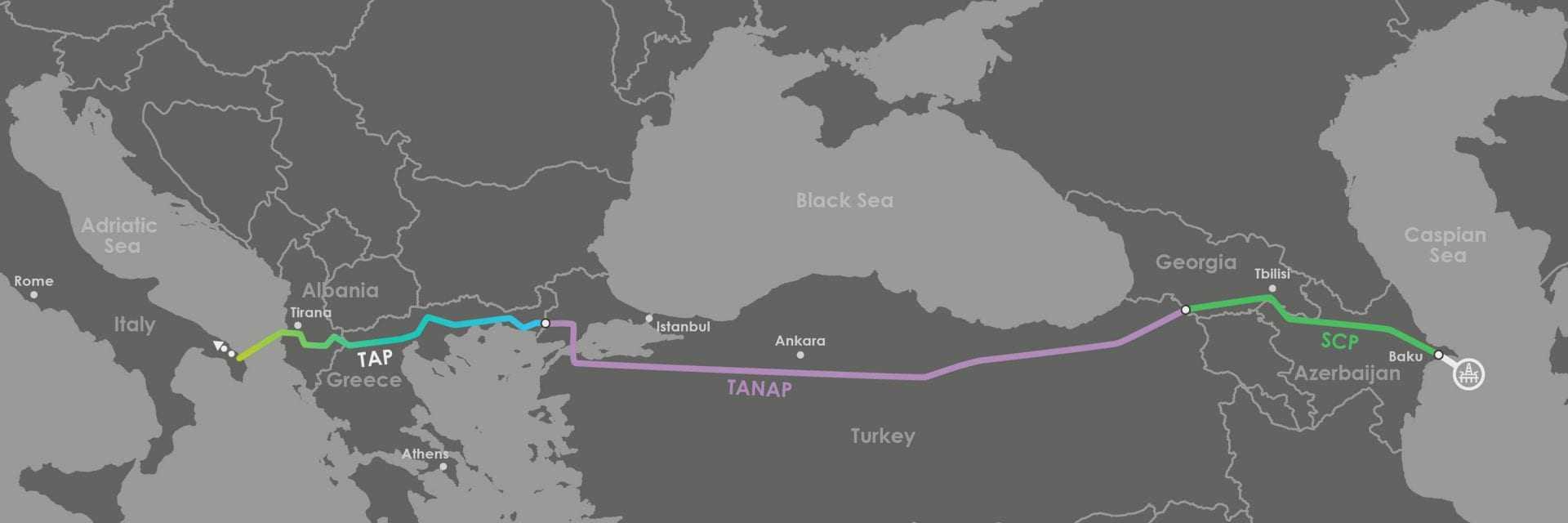
A further 2,000 trees will be moved from the 8 km pipeline route and the total number of olive trees to be moved could hit 10,000, if the Snnam section from the TAP pipeline receiving terminal to Brindisi is taken into account.
“It is important to highlight that the trees will be temporarily cared for in a nursery area, and later planted in their original locations,” Andres said.
The pipeline was originally given the go-ahead by Rome in 2015 with the stipulation that olive trees were to be transplanted during the work and then returned to their original sites.
Andres said, “The Single Authorisation (SA) permit granted by the Ministry of Economy to TAP on 20 May 2015 remains legally valid and effective, as stated in the same Decree of TAR Lazio.”
Local authorities have fought for the pipeline to be rerouted to an industrial area to the north of the olive grove.
The €4.5-billion pipeline is the final leg of the $40 billion Southern Gas Corridor, which will transport Asian gas to Europe. The pipeline was scheduled to deliver its first gas to Italy in 2020.