Croatian Producers Call for Stronger Branding After Another Record NYIOOC Showing
Croatian producers earned 128 awards at the 2026 NYIOOC, renewing calls for stronger national support and promotion.
Croatian olive oil producers are calling for stronger national branding and institutional support after another standout performance at the 2026 NYIOOC World Olive Oil Competition.
This confirms that we are the most consistent country in the world when it comes to quality.
Producers from Croatia earned 128 awards at the recently concluded competition, including 103 Gold Awards and 25 Silver Awards, placing the country second worldwide behind Italy.
“We are second in the world. We did not only repeat last year’s success; we surpassed it,” said Ante Vulin, a producer from Pakoštane in northern Dalmatia.
Vulin and other producers from the coastal town earned seven awards, including six Gold Awards and one Silver Award.
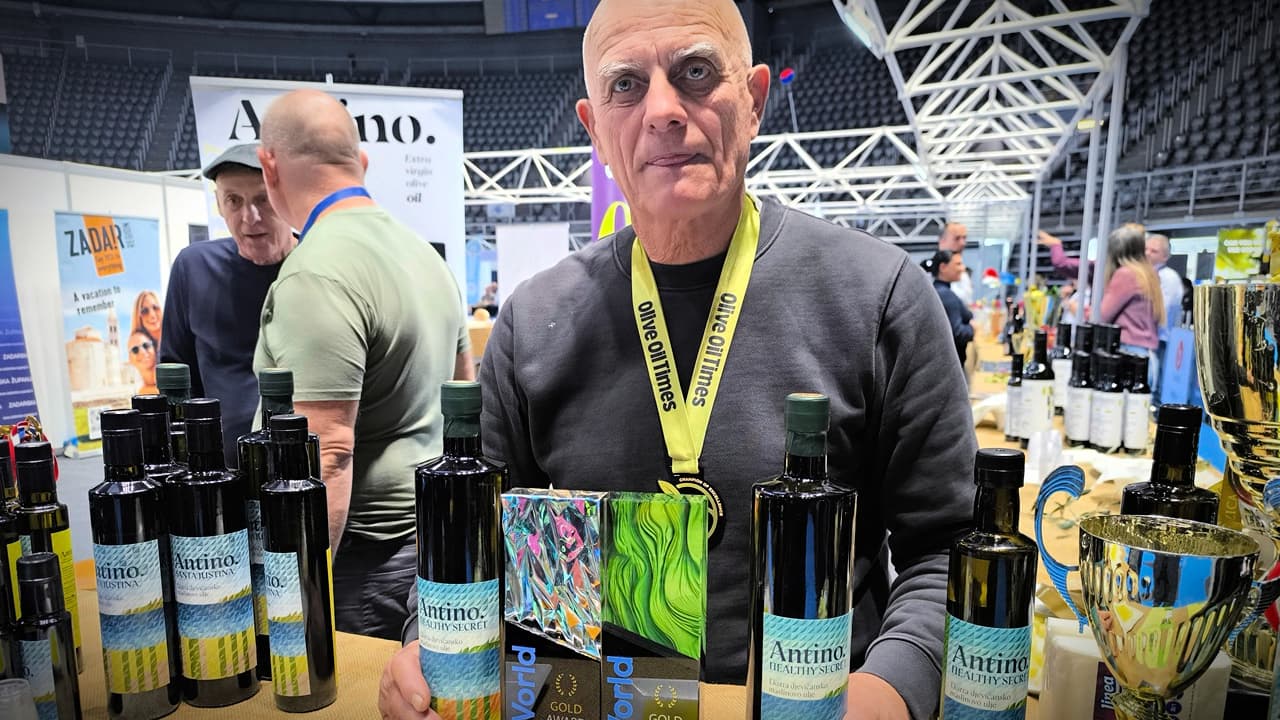
Ante Vulin of Pakoštane displays his oils after local producers earned seven awards at the 2026 NYIOOC.
Croatia also finished second in 2025, but this year improved its total by two Gold Awards and one Silver Award. Italy led the competition with 166 awards, followed by Croatia with 106, Greece with 106, the United States with 95, and Spain with 85.
The result was especially notable given Croatia’s relatively small olive oil production. Istria and Dalmatia, the country’s two main producing regions, together produce about 3,500 to 5,000 tons of olive oil annually. Spain, by contrast, produces more than 1.3 million tons in a typical year.
With 128 awards from 144 entries, Croatia recorded an 89 percent success rate, one of the highest among major participating countries. Italy earned awards for 79 percent of its entries.
“This confirms that we are the most consistent country in the world when it comes to quality,” said Filip Erceg, an enologist.
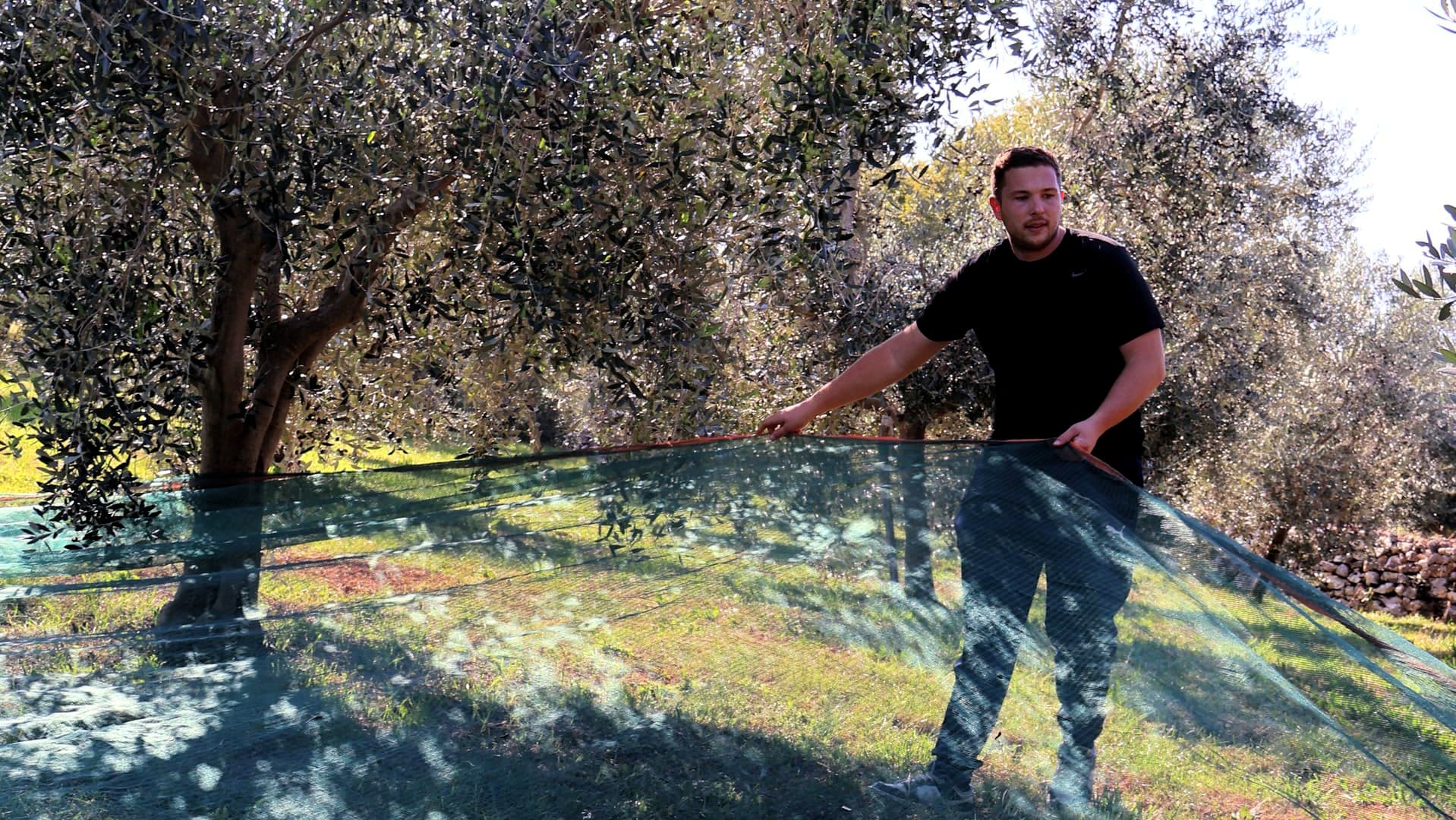
OPG Turinela
Producers said a smaller crop caused by drought was offset by high oil yields and strong sensory profiles, with many oils marked by fruitiness and balance.
In Dalmatia’s hinterland, longtime grower Drago Malić said timely harvesting helped protect fruit from the olive fruit fly. “We kept the fruit healthy, without a single sting,” said Malić, a retired mathematics professor who has grown olives for four decades.
Istria and Kvarner earned 54 awards, including 51 Gold Awards, while Dalmatian producers earned 74 awards, including 52 Gold Awards.
Among the country’s most successful producers, Avistria ranked eighth in the Olive Oil Times World Ranking. In Dalmatia, Ivica Vlatković has earned 25 NYIOOC awards since 2017.
“We harvest the fruit when it contains the highest level of dry matter and press it immediately,” said Velimir Jurić of Oleum Maris, which earned four Gold Awards.
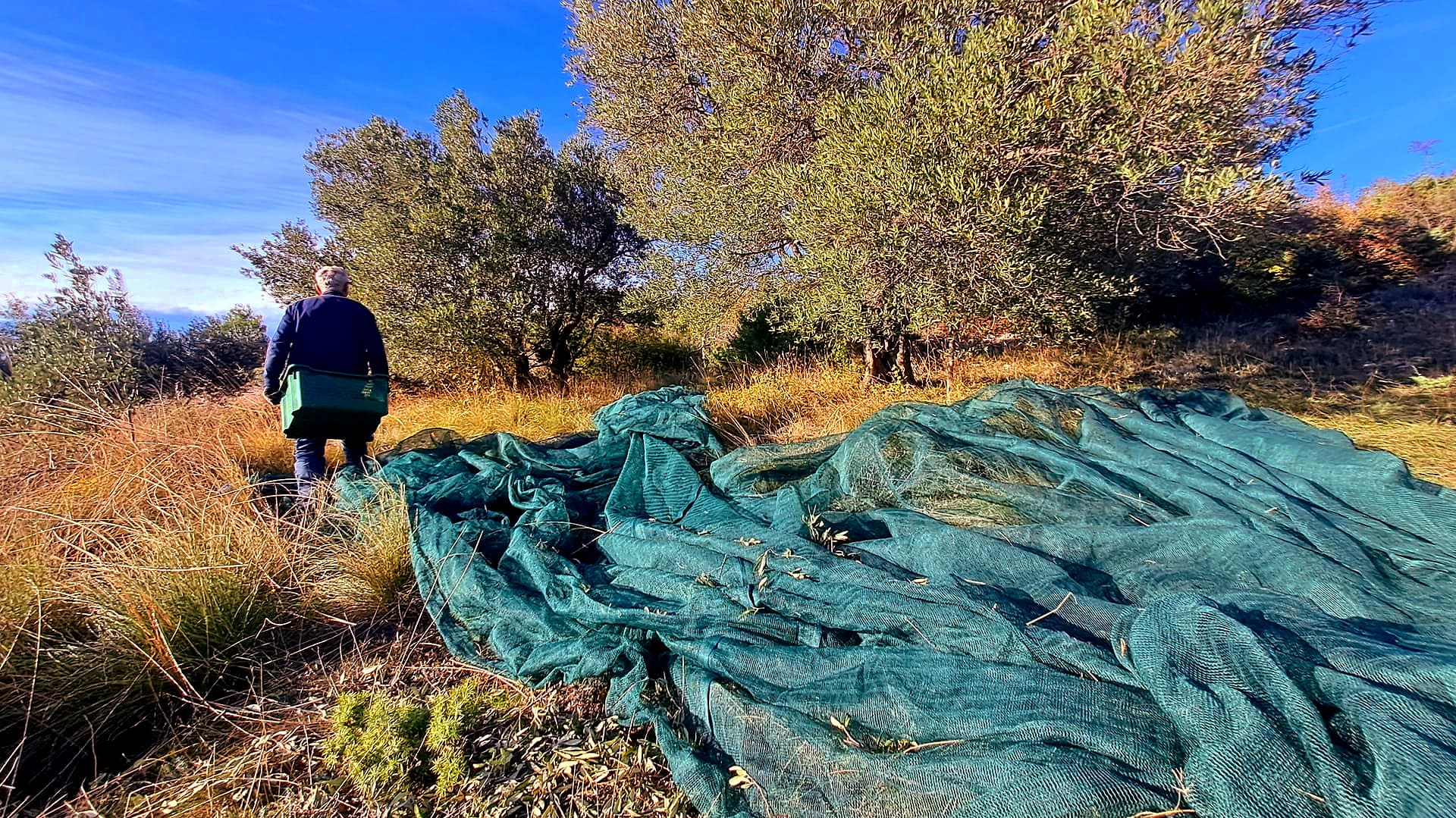
OPG Branimir Šunić
Other producers pointed to marketing as an essential part of building value around Croatian olive oil. “Marketing is important. Without it, it is like winking at a girl in the dark,” said Saša Petković, who produces Bilini with Vedrana Rakovac.
Since 2015, when Croatia had only nine entries at the NYIOOC, the country has become one of the competition’s most consistent performers, both in the number of recognized brands and in its success rate.
“In terms of quality, we are the best in the world, better than Italy and Spain,” Vlatković said.
Still, producers said that Croatia’s results should be matched by a more coordinated national strategy. They argued that support for competition costs, promotion and olive oil tourism would strengthen the country’s image as a producer of high-quality extra virgin olive oil.
Croatian oils are often criticized for being more expensive than the European average. However, producers said the prices reflect small-scale production, careful harvesting and the absence of large-scale refining.
They added that Croatia’s international results, such as its achievements in football, help shape its image abroad. With stronger public and private coordination, they said, Croatia could build on its momentum and compete for the top position in 2027.