Italian Farmhouses Push to Revitalize Tourism in Pandemic’s Wake
An association of Italian farmers warns that the sector could lose €1 billion in 2020. As the lockdown eases, farmhouses are finding new ways to safely attract tourists.
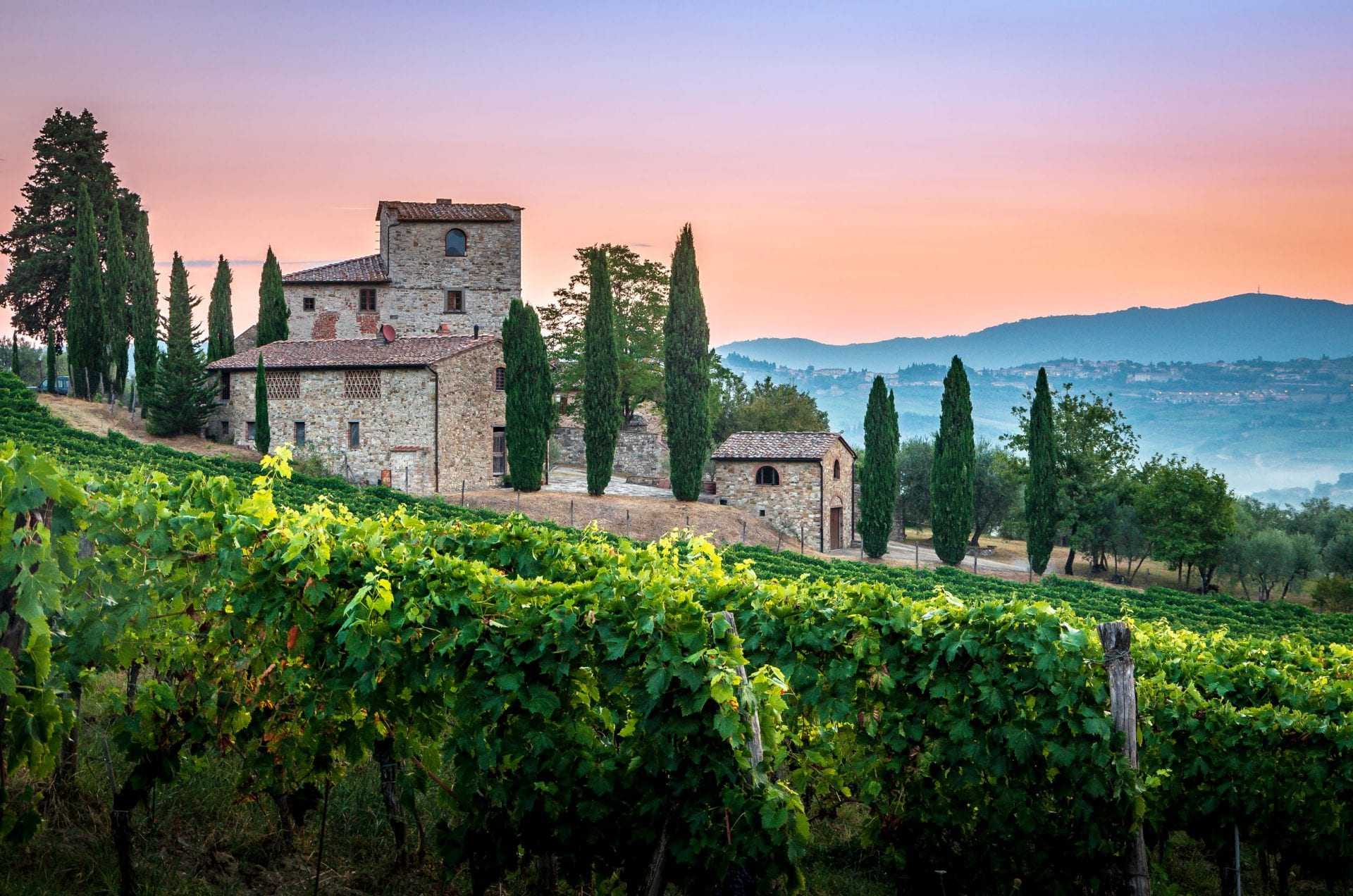
The famous farmhouses that dot Italy’s picturesque landscapes from Puglia to Liguria have experienced an 80 percent drop in visitors due to the Covid-19 pandemic.
Home to some of the most renowned Italian olive oils and wines, the popular tourist destinations have been hard-hit by measures to curb the spread of the disease.
If we don’t turn the tables now, the sector risks losing €1 billion in 2020.
Now that those measures are being relaxed, farmhouses and local authorities are teaming up to bring Italian and international tourists back to these traditional holiday destinations.
The farmers association Coldiretti, meanwhile, has warned that the disappointing springtime figures for agritourism may just be the tip of the iceberg.
See Also: Covid-19 Updates“Italy is home for 24,000 farmhouses spread across all of its regions,” Coldiretti said in a statement. “They offer more than 250,000 beds and more than 440,000 seats in restaurants.” In 2019, 14 million visitors were booked by the farmhouses, with 59 percent coming from abroad.
“If we don’t turn the tables now, the sector risks losing €1 billion ($1.1 billion) in 2020,” Coldiretti said.
Farmhouses possess useful characteristics when it comes to virus prevention, compared to many other restaurants, hotels and holiday venues, the group pointed out.
“Farms can count on wide spaces in the open for their restaurant activities, do not usually offer many beds for visitors staying overnight and are probably the best and easiest places where safety measures can be applied — where families can be safe outside of their own home,” Coldiretti said.
Their unique characteristics could play a crucial role in the relaunch of tourism in the lands of olive oil and wine, which is why many agribusiness operators have applied to be included in a new government website dedicated to Italian agritourism.
The directory is managed by the Italian Ministry of Agriculture and provides information about the characteristics, services offered, histories and safety measures taken by each of the farmhouses.
“Farmhouses play a central role because they promote tourism in their area, like in nearby small and ancient villages, which is where 92 percent of the Italian agri-food specialties are born,” said Diego Scaramuzza, president of the farmhouses association within Coldiretti, Terranostra.
Scaramuzza manages a separate farmhouse directory website, Campagna Amica (meaning friendly countryside, in Italian). Not only do the farm restaurants promote local specialties, but they are often the producers of some of Italy’s most renowned gastronomic products.
The role played by these country houses in the revitalization of the economy was stated by the Minister of Agriculture, Teresa Bellanova, who has spent a few days actively touring many such venues to better understand how they are coping with the Covid-19 aftermath.
In a tweet, the Minister talked about the beautiful farmhouses of the south while visiting Sante Le Muse, in the Puglia region, a farm focused on producing organic olive oil and purveying family holidays.
“We had difficult months. A farm isn’t something you can just close up,” Fabiana Renzo, owner of Sante Le Muse, told Olive Oil Times. “There are animals to care for, fields, trees, and that is happening whether you have visitors coming or not.”
“We had to face severe uncertainty, had to face costs without revenues,” she added. “But now, with the end of the lockdown, we are receiving phone calls, information requests and reservations.”
Sante Le Muse produces extra virgin olive oil from 700 trees of the local and ancient cultivars Ogliarola and Cellina. Renzo, like many farmhouse owners, is now welcoming her first post-Covid-19 guests.
For the upcoming summer season, farmhouse operators are planning a series of new activities, taking advantage of the space within their vineyards and olive groves.
In the northern province of Bergamo, which was the epicenter of Italy’s Covid-19 outbreak, farmhouses are now promoting their farm activities while emphasizing their newly imposed safety measures.
Apart from mobile applications to download farmhouse menus, so as not to touch the traditional paper restaurant menu, anti-virus marketing ideas also include the “farmers picnic,” which consists of handing out a box filled with disposable tableware and ready-to-eat local food specialties. These can be enjoyed while spending time in the groves with friends and family – not inside an enclosed space.
“Natural distancing, safety and new ideas are the keywords for the post-Covid-19 era for the Italian farmhouses,” Coldiretti concluded.