Turkish Producer Brings Native Cultivars to U.S. Market
The family-run producer says transparency, careful milling and native Turkish varieties are central to its strategy abroad.
From a family grove in western Turkey, Zagoda Olive Oil is working to bring Turkish extra virgin olive oils to a wider international audience.
The company, founded by Ceren Su Sahin, produces single-varietal oils from more than 16,500 olive trees, including Arbequina and Turkish cultivars such as Ayvalık and Trilye.
“We established the grove and built the farm from the ground up,” Sahin told Olive Oil Times. “I founded Zagoda Olive Oil LLC in the U.S. to bring our oils to consumers in the U.S. with the same standards we follow at home.”
Sahin said the brand grew out of a family project and remains tied to the grove where its olives are grown. Its aim, she added, is to introduce more consumers to fresh, high-quality extra virgin olive oil and encourage regular use at the table.
“What motivates us is seeing people taste truly fresh extra virgin olive oil for the first time,” she said. “They notice the difference right away, then they start using it daily.”
The company sells its oils in 250- and 500-milliliter bottles, along with gift sets for specialty food markets. Sahin said Zagoda adapts bottle sizes, labeling and presentation for different sales channels, including consumers, retailers and wholesale partners.
At the farm, olives are harvested early and milled the same day, a practice intended to preserve freshness, aromatics and stability.
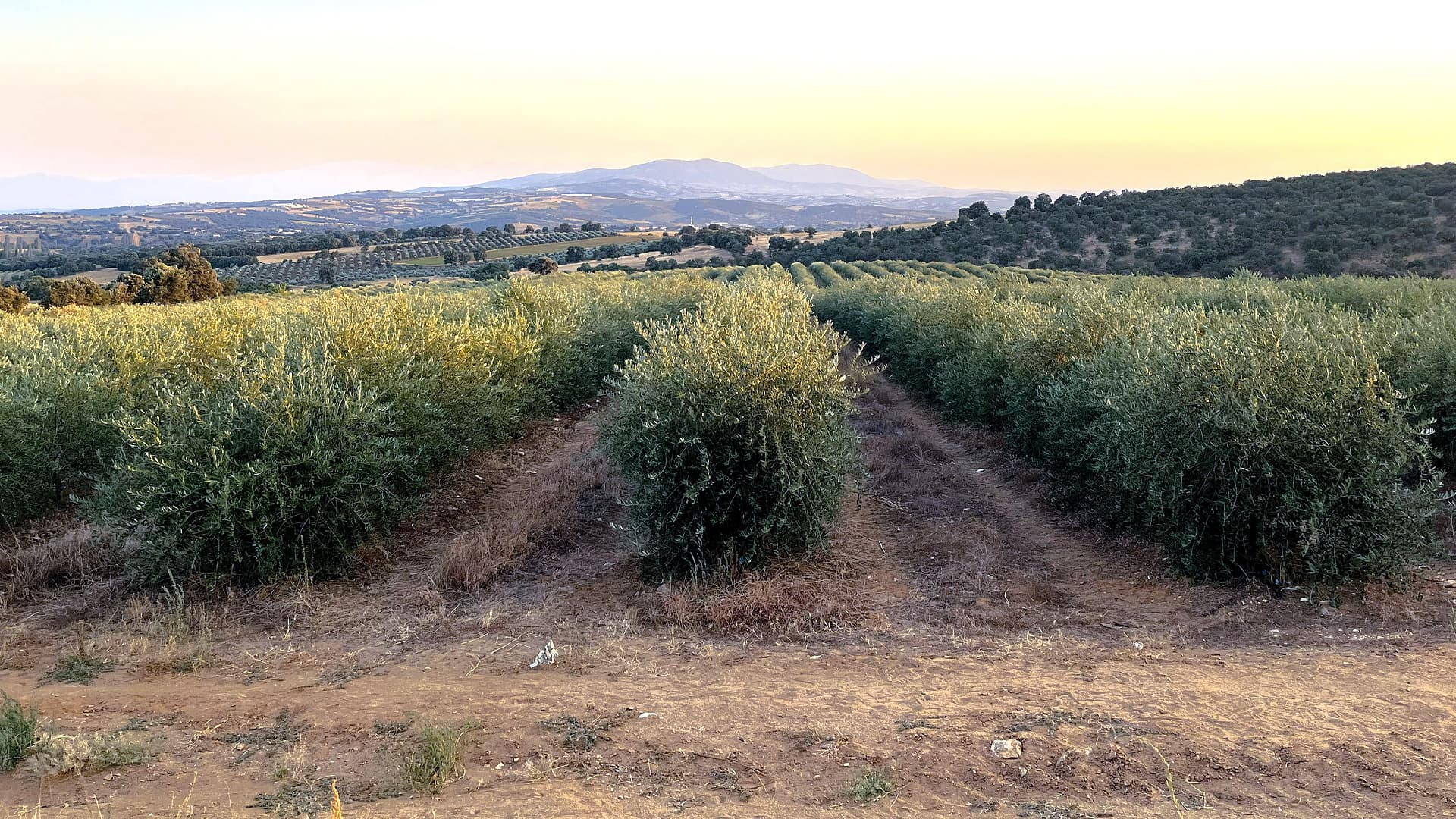
Rows of olive trees at Zagoda’s grove in western Türkiye, where early harvesting and same-day milling are used to preserve freshness and aromatic quality.
“We harvest early, handle fruit carefully, and mill quickly,” Sahin said. “Same-day milling is essential because the clock starts the moment the olive is picked.”
The producer uses a two-phase continuous extraction system, which generally requires less added water than three-phase systems and can help preserve natural compounds that contribute to structure and intensity.
Sahin said equipment is only one part of the process. Fruit handling, milling conditions and storage after extraction also determine the final quality of the oil.
“The system matters,” she said, “but the consistency comes from how intentionally we run it.”
Quality control begins in the grove and continues through milling, storage and packaging. Sahin said the farm is certified organic, while the company holds ISO 9001 and ISO 22000 certifications.
The oils are tested annually by the Aydın Commodity Exchange Laboratory, an accredited facility in the region. Zagoda publishes the results online so customers can review them directly.
The company’s focus on verification comes as many consumers continue to face a wide range of quality in the retail olive oil market.
“Low-quality oils still dominate many shelves,” Sahin said, adding that the company uses lab results and direct customer relationships to build trust.
Zagoda received a Gold Award for their Ayvalik monovarital and a Silver Award for their Trilye at the 2026 NYIOOC, recognition Sahin said helped introduce the brand to more consumers and specialty buyers in the United States.
“Many people do not realize how wide the quality range is in olive oil,” she said. “For us as a family, awards are not only recognition. They are confirmation of care and effort, and they also add responsibility.”
Like many producers in the Mediterranean, Zagoda is also adapting to increasingly unpredictable growing conditions. Sahin said late-season rains, winter cold snaps and extended summer dry periods can affect flowering, fruit set, ripening and harvest timing.
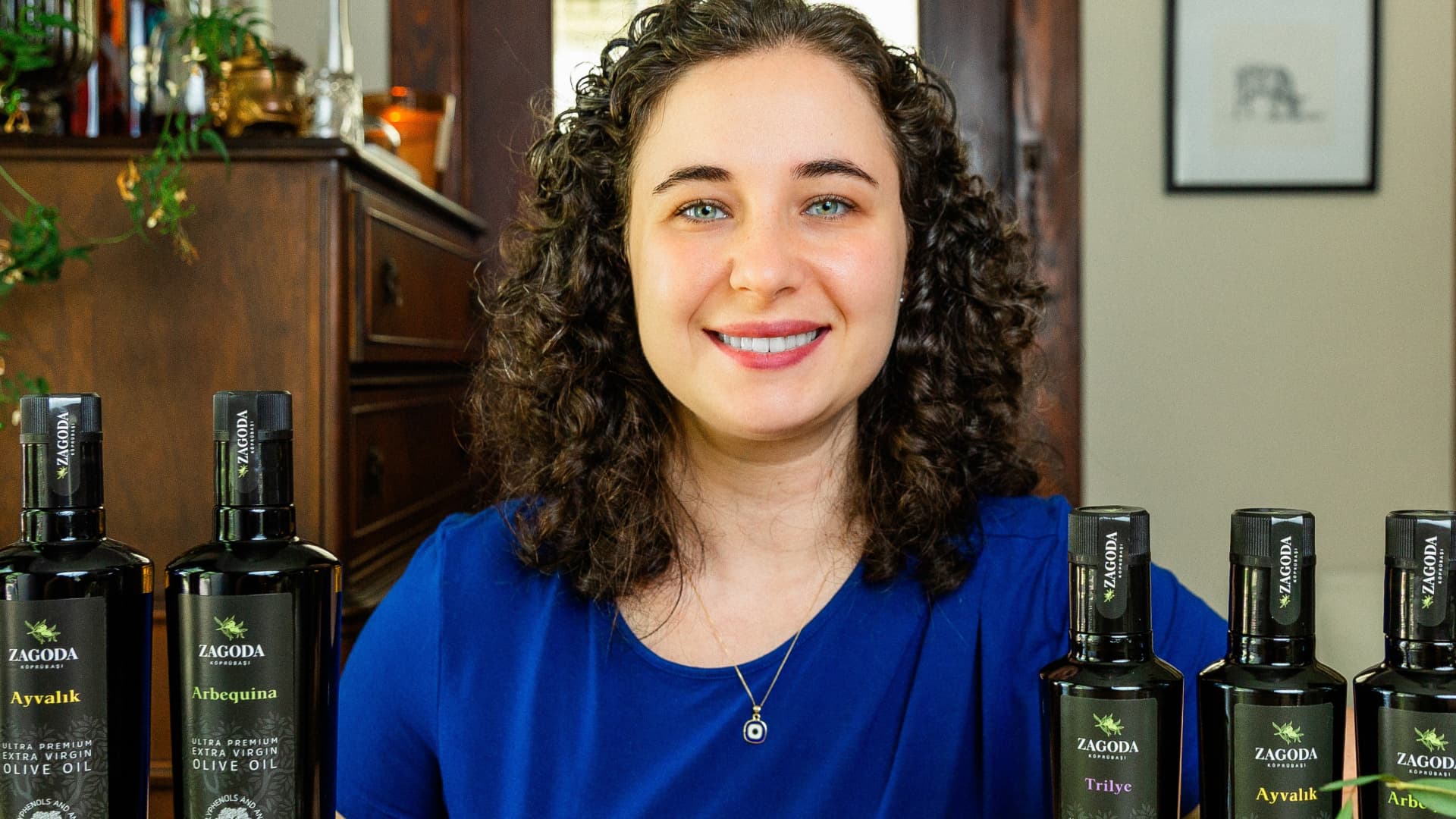
Ceren Su Sahin, founder of Zagoda Olive Oil LLC, with a selection of the company’s single-varietal extra virgin olive oils produced from Turkish cultivars including Ayvalık and Trilye.
“The biggest challenges are agricultural,” she said.
Still, Sahin said, difficult seasons can sometimes yield oils with concentrated aromas and strong structure, particularly when lower yields coincide with high fruit quality.
The company’s response includes water management, soil health practices and harvest planning designed to protect both quality and consistency. It also plans packaging and logistics early to reduce disruption when external conditions shift.
For Sahin, sustainability is tied to the economics of production. She said the company prices its oils around the real costs of organic farming, early-harvest labor, same-day milling, storage and packaging, rather than cutting standards to reach lower price points.
“We do not dilute that standard to hit a lower price point,” she said. “Instead, we choose channels and formats that can support the true cost of producing the oil correctly.”
As the company expands, Sahin said the goal is to grow carefully while continuing to introduce Turkish cultivars to consumers who may be unfamiliar with them.
“We want to grow thoughtfully while staying quality-first,” she said. “We also want to continue introducing Turkish cultivars to a wider audience in the U.S., and help people learn what they taste like when they are truly fresh.”