California Olive Ranch Pursues Regenerative Agriculture
COR is aiming to become one of the first large, permanent crop farmers to effectively pursue a regenerative agriculture approach, which entails slashing waste and reusing byproducts.
This is the second installment in a series of articles on California Olive Ranch, the largest American olive oil producer.
As natural disasters continue to dog various regions, cities log their hottest seasons on record, and the state of our planet’s climate remains a hotly debated question, California Olive Ranch CEO Gregg Kelley asserted that his company has taken decisive measures to “work with the land,” rather than against it throughout their production operations.
We take pride in finding new ways to work with our environment to ensure we are operating in harmony.
Using science and data the company boasts that 99 percent of waste is recycled and their methods help the ecosystems in which the company grows its olives and mills its oils.
Beyond conserving resources, COR hopes to become one of the first large, permanent crop farmers to effectively pursue a regenerative agriculture approach, which entails slashing waste and reusing what is inevitably leftover. According to a statement provided by the company, “there are no large-scale, permanent planting farmers pursuing Regenerative Ag.” COR has enacted measures to reuse each of the byproducts that come from its production process, including pomace, trimmings, and water.
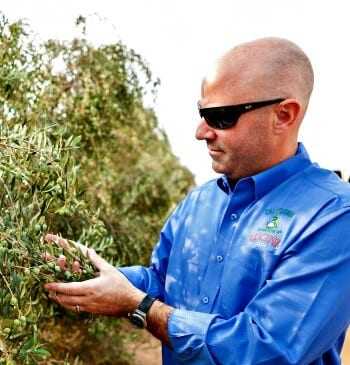
Gregg Kelley
Pomace and other waste generated from olive processing are distributed to local ranches for use as cattle feed. Trimmings are recycled for compost to be used throughout the company’s various groves, and water is recycled for irrigation.
COR’s largest conservation competency lies in its sophisticated irrigation system. One of the company’s groves is watered by two reservoirs which are drawn upon only when alerted by real-time sensors, allowing the company to “decrease water inputs and monitor how certain acres or plots are growing/thriving” irrigating only when trees require it. This water is then applied through drip irrigation which “minimizes water usage and allows less water to evaporate.”
See Also: This year's award-winning olive oils by California Olive Ranch
Milling facilities feature machinery designed to require less water. Cleaning agents used in the sanitization process have been chemically analyzed to ensure that water can be recycled for irrigation purposes after use.
In packaging operations, COR explained that all of the glass used in bottling is recyclable and cardboard used for foodservice products is from recycled material. Plastic bottles are made from HDPE and PET plastic.
While olives do not require bees for pollination, COR partners with “multiple apiaries to house their hives during the offseason.”
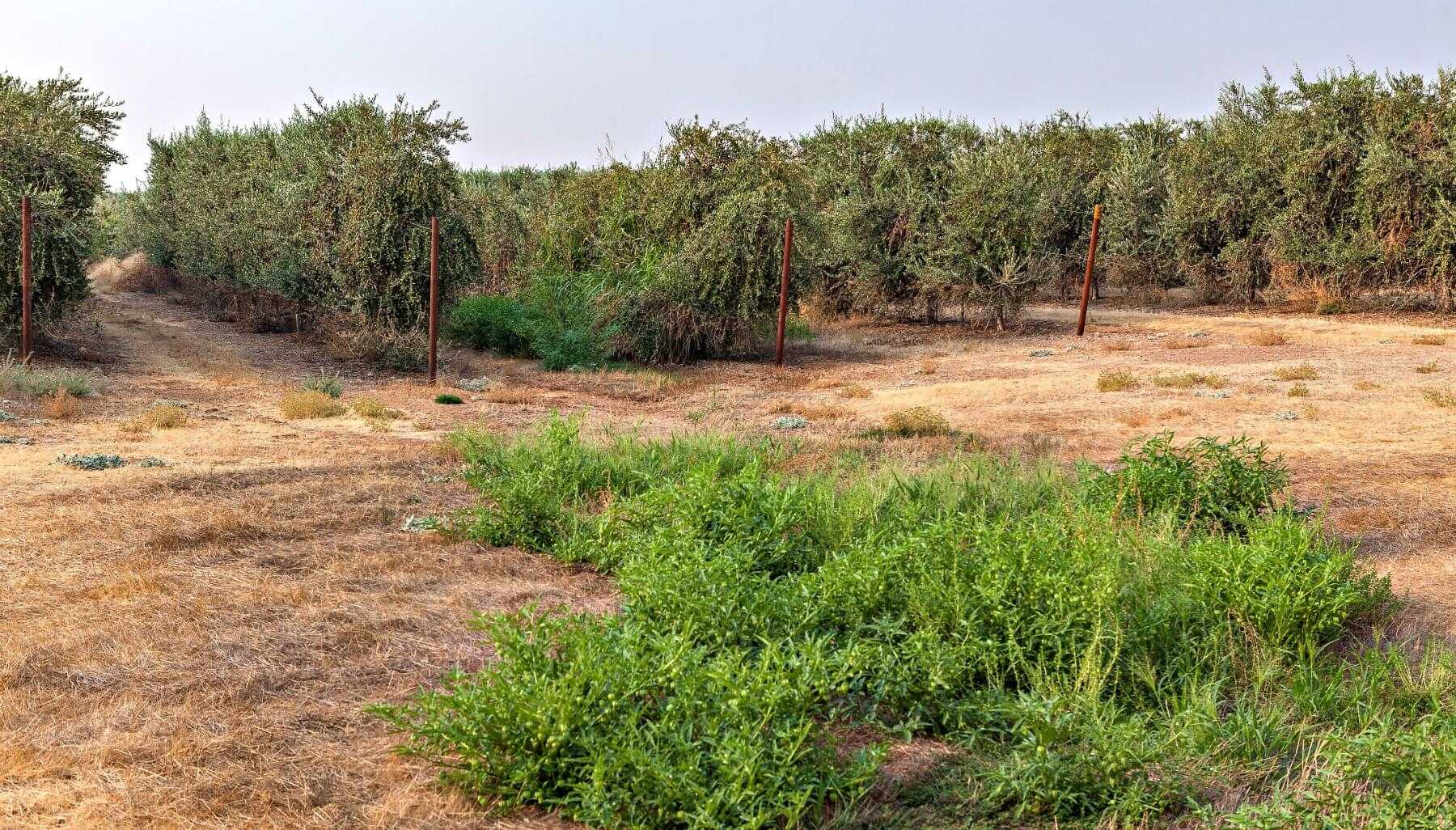
Touring California Olive Ranch’s grove COR 3, it’s easy to discern where their property ends and the adjacent one begins. While the land across the line has been neatly tilled and lays barren waiting for a crop to take over, COR’s trees thrive among the brush that the company has left intact.
In this environment, wild animals of all sorts populate the groves, peacefully coexisting among the lush rows of olive trees. A Greater Roadrunner scurried through some trees in the northernmost reach of its American habitat. “We take pride in finding new ways to work with our environment to ensure we are operating in harmony,” Kelley said.