



 6.9K reads
Health
Americans Find Cost of Food Biggest Barrier to a Healthy Diet, Survey Finds
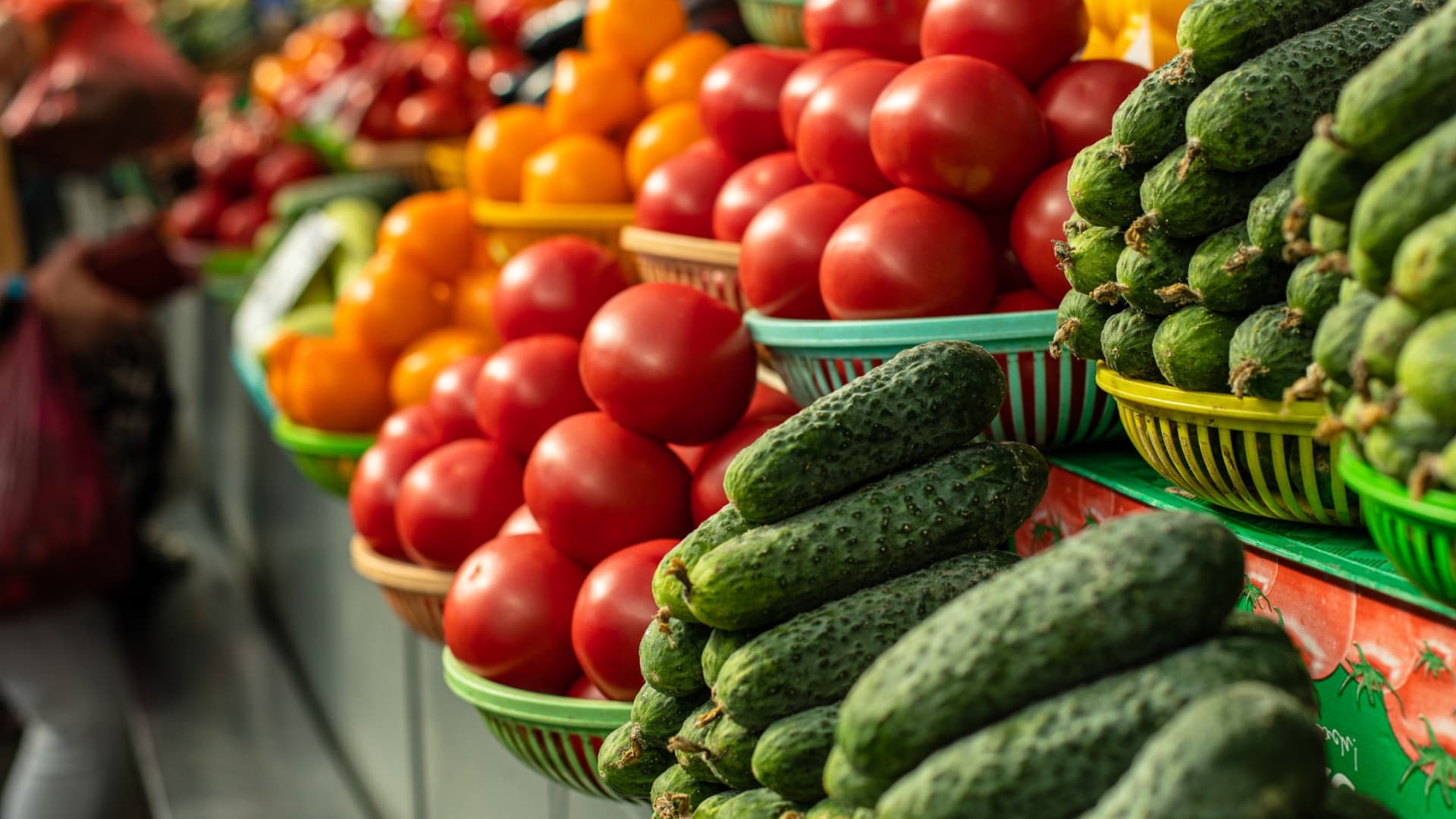

A survey conducted in the U.S. by the Cleveland Clinic found that almost half of respondents cited the cost of food as the biggest obstacle to following a healthy diet, with one in 10 Americans considering fast food the most heart-healthy option. Despite this, only 15 percent of participants were aware of the health benefits of the Mediterranean diet, with access to healthy food being more challenging for Black Americans compared to White Americans.
In a survey conducted by the Cleveland Clinic in the United States, almost half of the respondents cited the cost of food as the biggest obstacle to following a healthy diet.
In addition, the survey found that one in 10 Americans consider fast food the most heart-healthy diet, with parents twice as likely to opt for a fast food diet than non-parents.
I do feel that people are unfamiliar with what a Mediterranean diet entails, therefore, may not consider it healthy due to lack of understanding.
On the other hand, only 15 percent of the respondents were aware of the health benefits of the Mediterranean diet.
The researchers polled 1,000 Americans aged 18 years or older from various U.S. regions and of different ethnicities, education levels and household incomes.
See Also:Inflation Cuts Premium Food Sales in U.S., but Not EVOOForty-six percent of participants responded that healthy food is comparatively expensive.
Another significant barrier for Americans when opting for a healthy eating pattern is the lack of time for preparing healthy meals, cited by 23 percent of the participants.
One in five survey participants also identified the lack of knowledge of healthy cooking practices as a barrier to healthy eating, despite that almost two-thirds (70 percent) responded that they prepare meals at home at least four days a week.
The survey also showed that access to healthy food is more challenging for Black Americans than White Americans (20 percent compared to 15 percent).
“In today’s fast-paced world, Americans are pressed for time, and as a consequence, heart-healthy diet and exercise choices may be impacted,” Cleveland Clinic said in a press release. “The survey found that many Americans are unclear on which diets are healthiest for their hearts.”
The Centers for Disease Control and Prevention, the national public health agency of the United States, says heart disease is the most common cause of death among men, women and people of most racial and ethnic groups in the United States.
According to Julia Zumpano, a registered dietician at the Cleveland Clinic, people in the U.S. are highly exposed to food ingredients widely considered unhealthy.
“The SAD diet (Standard American Diet) is very high in saturated fat and simple sugars and inadequate in fruit, vegetables, legumes and fish,” she told Olive Oil Times. “SAD diet includes a large amount of processed and convenience foods.”
Zumpano also identified various reasons behind Americans considering fast food eating a healthy pattern.
“It is a combo of lack of information and convincing themselves that potatoes (fries) are a vegetable,” she said. “I think that some Americans feel that some choices at fast food can be considered healthy (yogurt parfait, salad, soup, etc.), therefore can classify it as healthy food.”
On the other hand, the dietician attributed the low level of awareness Americans exhibited of the Mediterranean diet’s health benefits to a lack of information.
“[The fact that only 15 percent of respondents were familiar with the heart-healthy benefits of the Mediterranean diet] was very surprising to me,” she said. “I do feel that people are unfamiliar with what a Mediterranean diet entails, therefore, may not consider it healthy due to lack of understanding.”
She also noted that it took a long time before the health benefits of the Mediterranean diet were acknowledged.
“The Mediterranean diet tends to be higher in fat, which for decades was not considered healthy,” she said. ”People may not realize the importance the type of fat plays on heart health.”
Meanwhile, an independent survey carried out last year by Finance Buzz, a personal finance online service, found that a plurality of survey participants (35 percent) were willing to try the Mediterranean diet even though the cost of buying healthy food weighs heavily on them.
According to dietician Kelly LeBlanc from Oldways, a nonprofit organization that promotes cultural food traditions, the Mediterranean diet is not as expensive as it might appear when broken down to its core.
“The Mediterranean diet is based on ‘peasant foods’ like legumes, whole grains and seasonally available vegetables, which are consistently less expensive than meat and highly processed snack foods,” LeBlanc said.
“Families trying to eat healthy on a budget can take many lessons from the resourcefulness of traditional Mediterranean cooking.”
On the other hand, Zumpano noted that the rising cost of buying healthy food is a deterrent for people in the U.S. trying to eat healthily.
However, she pointed out that by removing unnecessary items from their shopping lists, Americans can free up more money for purchasing healthy food.
“I do feel that some foods associated with being healthy can cost more, although traditional whole foods such as produce (fresh, frozen or canned without added salt or sugar), grains, legumes, nuts and seeds, meats and plant oils should be foundational,” she said.
“When other snack foods and beverages – such as soda, chips, crackers, dry cereal bars – are avoided, this leaves extra money to purchase the whole foods.”
Reflecting on the survey’s findings, Samir Kapadia, chairman of cardiovascular medicine at the Cleveland Clinic, noted that most heart disease is preventable through a healthier diet, regular exercise, and not smoking.
“We want to emphasize how important it is to make a heart-healthy lifestyle a priority for everyone,” Kapadia added. “While years of poor diet and exercise choices can damage the heart, there’s always an opportunity to adopt a healthier lifestyle.”
Related Articles

Oct. 15, 2025
Sustainability Takes Root in the Hills Above Florence
Fattoria Poggio di Fiesole, a Tuscan estate with a rich history and dedication to sustainability, produces an award-winning organic olive oil.

Nov. 4, 2025
New Research Strengthens Link Between Olive Oil Polyphenols and Cardiovascular Health
A new study shows that extra virgin olive oils rich in polyphenols may provide greater cardiovascular benefits than low-phenolic varieties, improving cholesterol profiles and heart function.

Apr. 14, 2025
Tunisia Seeks Trade Deal to Avert 28 Percent Export Tariff
Tunisian diplomats are working to negotiate a better trade deal with the U.S. to avoid a 28% tariff on key sectors like olive oil and dates.

Sep. 5, 2025
NYIOOC 2025 Southern Hemisphere Edition Live Updates
Judging is underway at the 2025 NYIOOC World Olive Oil Competition Southern Hemisphere Edition, with results to be released in real time as they are certified.

Sep. 17, 2025
Postira Hosts International Olive Oil Symposium
Olive Oil Times founder Curtis Cord hailed the region’s rise in quality and urged producers to build on their reputation.

Aug. 21, 2025
Turkey Approves Coal Mining in Olive Groves
The new law, which allows mining operations to take place in olive groves, will make the country's olive sector compete for land with the energy sector.

Apr. 29, 2025
U.S. Olive Oil Producers Win Big at World Competition
American producers demonstrated their ability to match the quality of imported brands, winning 92 awards at the 2025 NYIOOC World Olive Oil Competition.

Oct. 15, 2025
Madrid Region Bans Solar Panels on Agricultural Land
Local authorities said the ban is necessary to protect olive and vine cultivation and comes as part of a wider effort to add value to local olive oil production.