Award-Winning Olive Oil Anchors a Slower Way of Life on Lefkada
On the Greek island of Lefkada, Andreas Dimitrakopoulos has transformed a neglected family grove into an award-winning olive oil farm that also offers tastings, cooking classes and slow-food dining.
On the island of Lefkada in the Ionian Sea, Lefkada Micro Farm offers visitors award-winning olive oil and a closer look at the island’s centuries-old culinary traditions.
There are no shortcuts here, just passion, love and a deep respect for the rhythm of nature.
The farm was founded by Andreas Dimitrakopoulos, a young producer who entered olive farming only a few years ago after leaving a high-stress life in Athens.
“I started farming in 2020 as a way to escape a high-stress lifestyle,” Dimitrakopoulos told Olive Oil Times.
“Before Lefkada Micro Farm, I had zero gardening or farming experience,” he added. “I hold a degree in tourism management and spent years in the hospitality industry.”
After returning to his family’s neglected grove, Dimitrakopoulos set out to revive trees planted about a century ago by his grandfather, George. The grove is made up of Asproelia, a local variety that he said had long been underestimated.
“Until recently, Asproelia was considered a variety with low potential, but our international awards have proven otherwise,” he said.
Dimitrakopoulos said some local residents initially urged him to graft the trees to Koroneiki or Kalamon. Instead, he chose to preserve the original cultivar.
“Thankfully, I trusted my grandfather,” he said.
He quickly immersed himself in the technical side of production, studying soil health, pruning and milling practices as he worked to restore the grove.
“We focused heavily on soil health and studied pruning and milling techniques extensively,” Dimitrakopoulos said. “The trees rewarded us with an incredible harvest.”
That work helped the farm earn back-to-back Silver Awards at the 2025 and 2026 NYIOOC World Olive Oil Competition for its organic, unfiltered extra virgin olive oil.
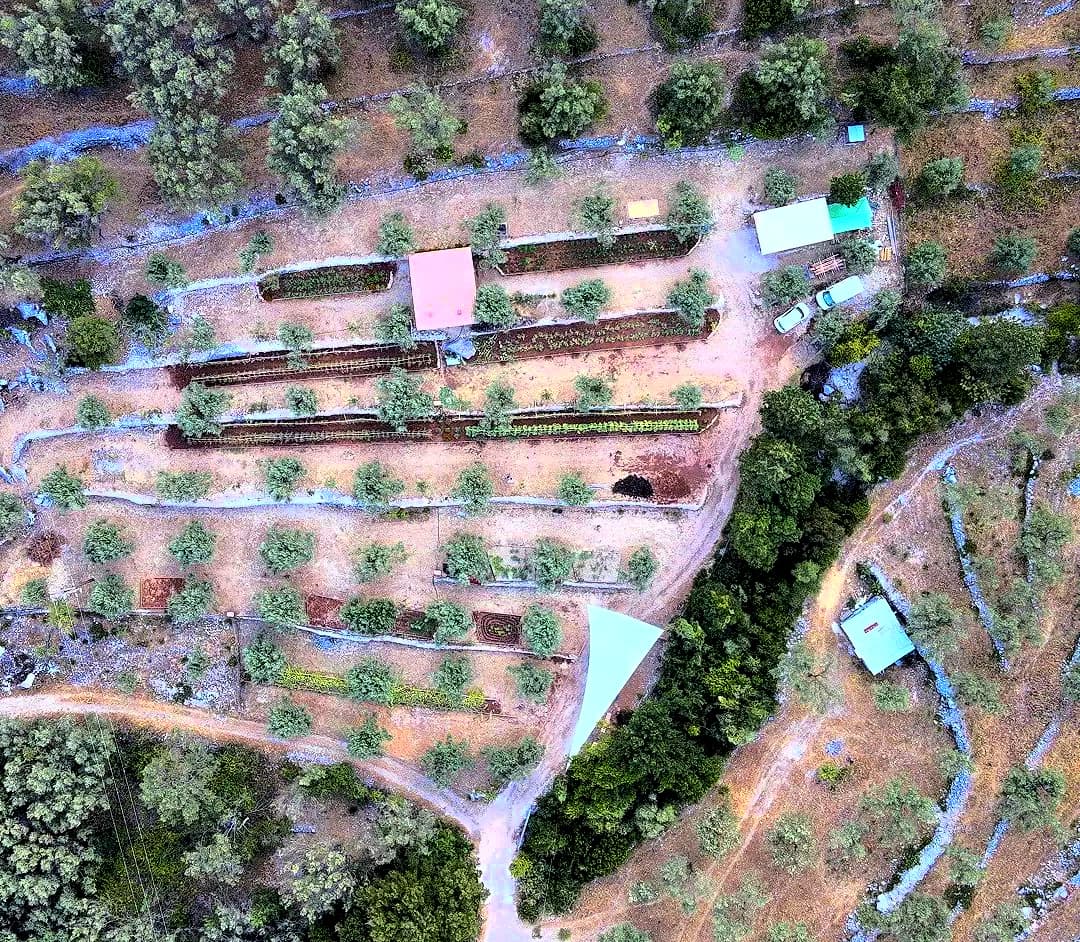
Aerial view of Lefkada Micro Farm
“NYIOOC is the most demanding and prestigious olive oil competition in the world,” he said. “Winning an award there places us among the global elite of production.”
The farm’s Greek olive oil is exported mainly to the United Kingdom, the United States and the Netherlands, while smaller quantities are sold directly on the island.
“We also sell through our farm shop from April to October and at a handful of selected spots on Lefkada,” he said. “Our production is very limited. Last year, we were sold out by July, and 20 percent of our 2026 harvest was pre-ordered.”
Lefkada Micro Farm is also unusual for the visitor experiences it has built around olive oil. Dimitrakopoulos, a certified taster, has developed tours, tastings, cooking classes and open-air meals among the trees.
Olive oil remains at the center of the experience. He said the farm’s tours are designed to give guests a fuller understanding of the product, from grove to table.
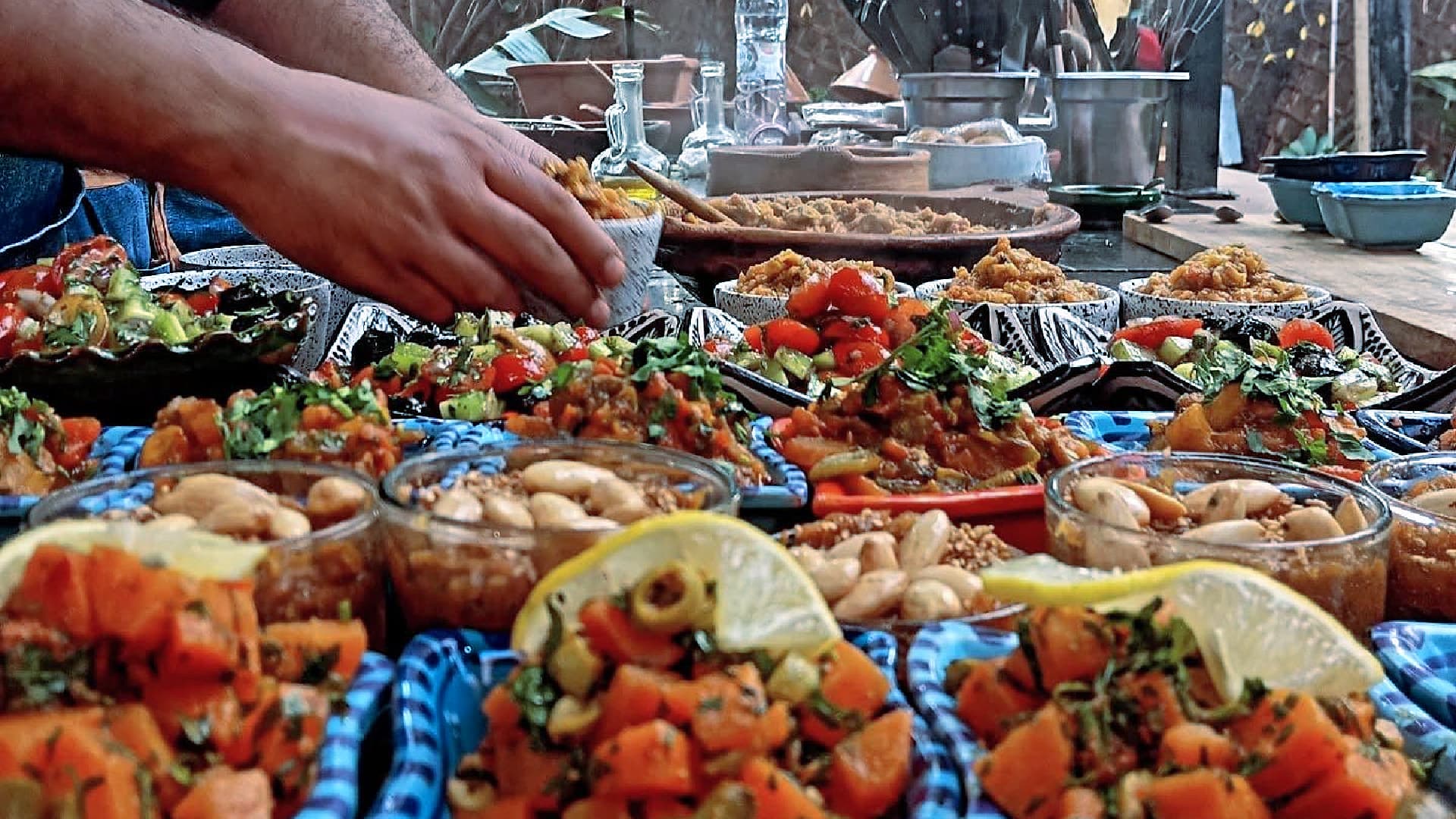
Preparing Local Dishes at Lefkada Micro Farm
“We call it ‘The Olive Oil Experience,’” he said. “It includes a tour of the grove where we discuss the trees and the health benefits of the oil. We then conduct a tasting of different oils to help guests distinguish between industrial and premium quality.”
Visitors can also prepare traditional local dishes with vegetables grown on the farm or take part in hands-on baking classes focused on Greek phyllo pies.
Dimitrakopoulos said those classes are intended to connect guests with local culinary heritage and recipes passed down for generations.
“We cook without electricity, using only our wood-fired oven and plenty of extra virgin olive oil,” he said.
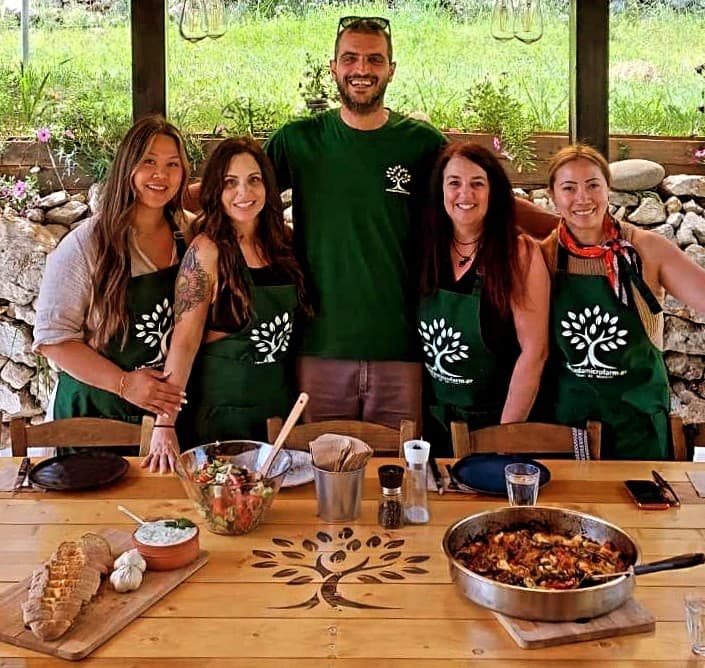
Cooking lessons at Lefkada Micro Farm
He added that the farm also offers a seven-course “Farm-to-Table” dining experience, sometimes accompanied by live traditional Greek music and olive oil tastings for private and public groups.
All of it is shaped by what Dimitrakopoulos describes as a slow-living philosophy. He often refers to the property as a slow-food farm and says it reflects a deliberate rejection of shortcuts.
Lefkada Micro Farm is also a member of Slow Food International, aligning the project with a broader emphasis on local food culture, traditional cooking and agritourism.
“Our motto is ‘we grow real food, we cook slow food,’” he said. “We cook slow because we respect the ingredients and the process. There are no shortcuts here, just passion, love and a deep respect for the rhythm of nature.”
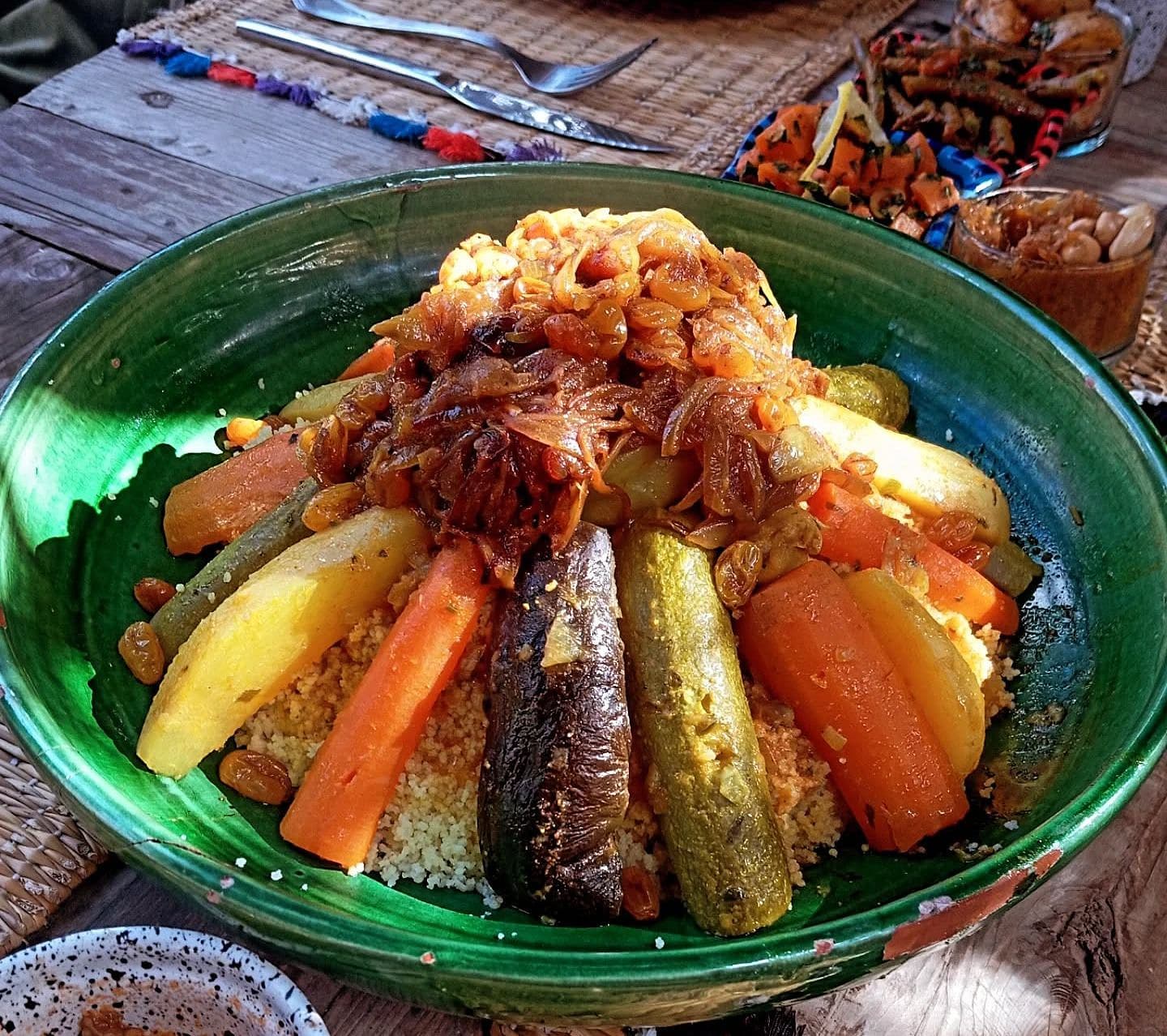
Dimitrakopoulos said that the tours in the farm are designed to provide visitors with the full picture of the life of olive oil.
Dimitrakopoulos said his larger ambition is for the farm to serve not only as a business, but also as a place of inspiration.
“For ancient Greeks, the Mouseion was a place to worship the Muses, the deities of arts and culture,” he said.
“In its Victorian-era interpretation, the word ‘museum’ means a place you visit to get inspired. This is exactly what I want Lefkada Micro Farm to be.”
Looking back on his decision to leave hospitality and return to the grove, Dimitrakopoulos said he wanted to build something meaningful for both himself and the wider community.
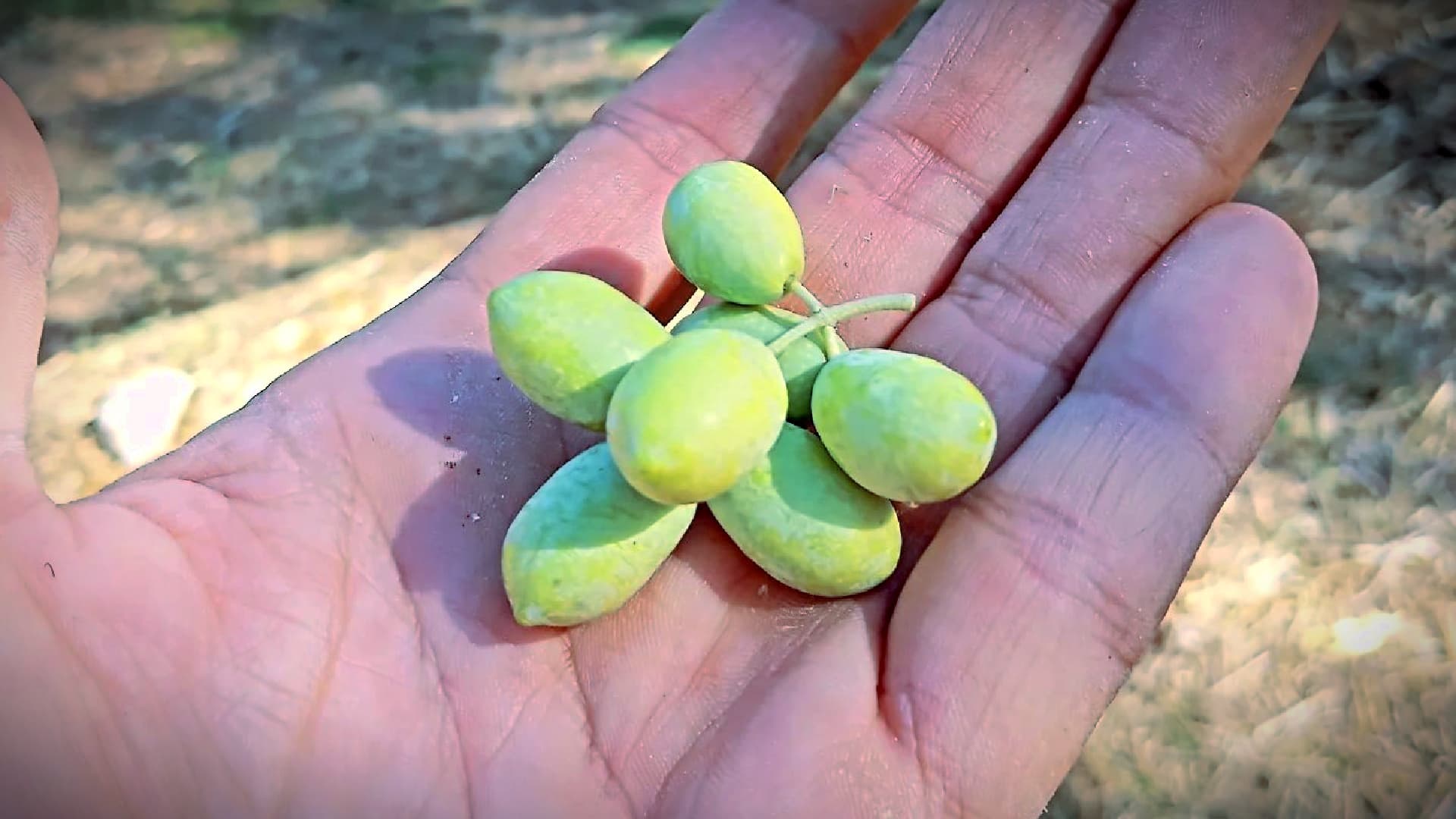
The Asproelia olives of Lefkada
“A mother sent me a message the day after her visit, telling me that her son now wants to become a farmer when he grows up,” he said. “That was when I knew I’m on the right life path.”
“Olive cultivation is a millennial heritage on my island,” he added. “Unfortunately, the prevailing mentality has long been quantity over quality. It’s heartbreaking because the terroir and the local cultivar potential are world-class.”
“The olive trees are always there for us, giving their best,” he said. “It is our job to understand how they function and help them thrive.”