Olive Oil Library in Turkey Opens to Celebrate Cultivars and Terroir
Güven Eken, founder of Sevilma, opened the Yücel Sönmez Olive Oil Library in western Anatolia as a space to preserve rare cultivars and celebrate olive oil diversity.
An olive oil producer in western Anatolia has opened the Yücel Sönmez Olive Oil Library, a collection of dozens of domestic and international olive oils intended to preserve and celebrate regional cultivars and the distinctive oils they produce.
I fell in love with the idea of people coming over to enjoy this diversity of olive oils. As an entrepreneur, I couldn’t stop myself.
Inside, visitors encounter structures fitted not with bookshelves but with taps, reflecting the project’s purpose as a place to taste and learn rather than simply observe.
“The purpose of this library is to celebrate and preserve olive oil diversity, the global diversity and, of course, Anatolia’s,” Güven Eken, founder of Sevilma and the Olive Oil Library, told Olive Oil Times. “We hope it can become a source of inspiration for similar initiatives in other countries.”
According to Eken, olive oil competitions play an important role in encouraging producers to pursue quality, but they can also leave less room for the appreciation of the diversity of local cultivars and terroirs.
“We all compete for freshness, for high polyphenols or low acidity. But that is not all there is,” he said. “Different olive varieties, different geographies and different local gastronomies all express different properties of olive oil.”
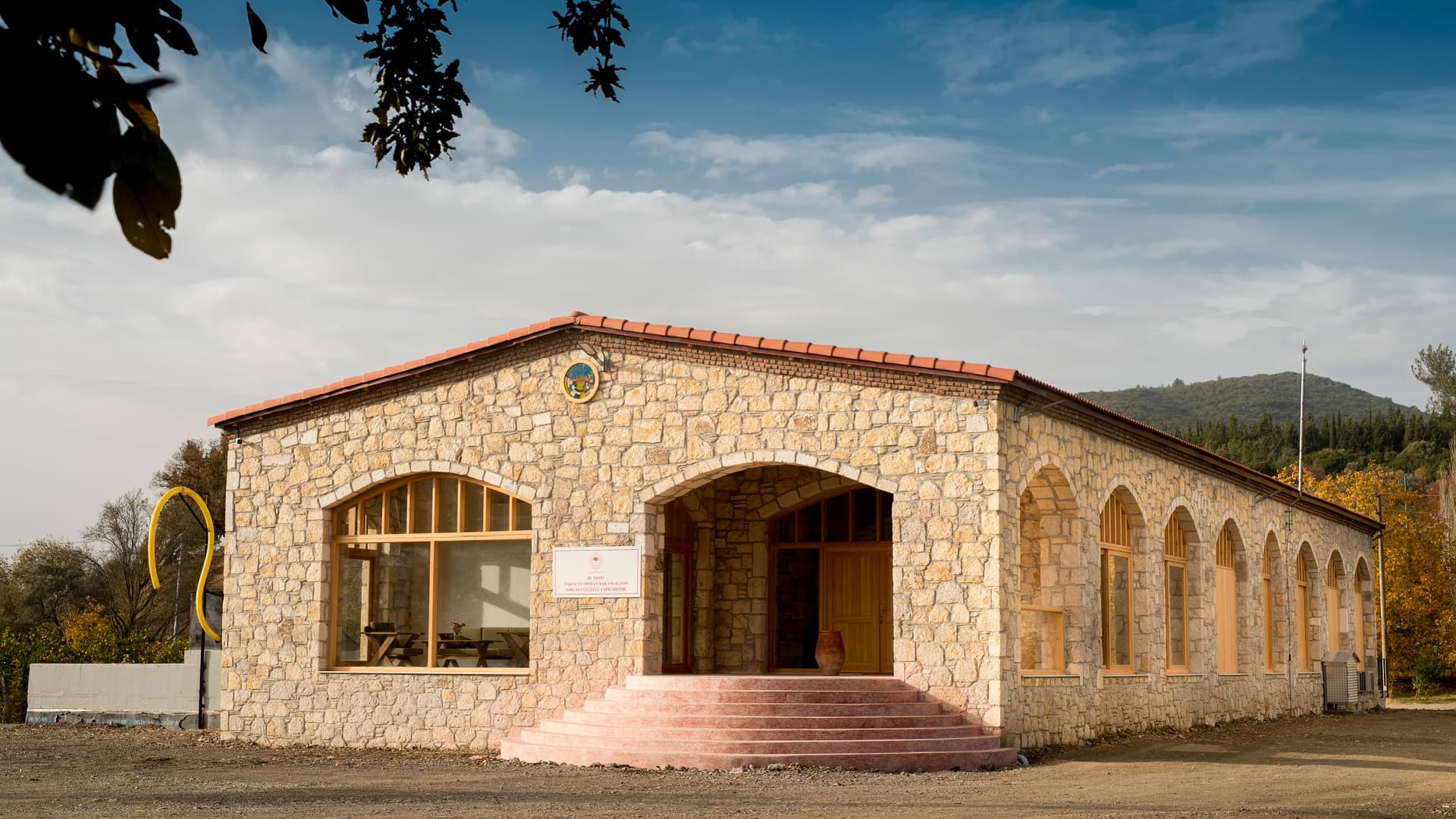
Exterior view of the Yücel Sönmez Olive Oil Library in Seferihisar, where visitors explore a curated collection of olive oils celebrating Anatolia’s cultivars and the broader diversity of the olive oil world.
The idea for the library emerged from Eken’s enjoyment of tasting oils from different parts of Turkey and the world, and from his growing conviction that this diversity was being overlooked. He first envisioned a one-time gathering of friends around a tasting of oils from across Anatolia and beyond.
That concept changed after conversations with his friend, the late journalist Yücel Sönmez, who urged him to create a permanent space instead of a single event. Sönmez was also the first to describe the project as a library. After the journalist died last June at age 48, Eken named the initiative in his honor.
“I fell in love with the idea of having people come over to enjoy this diversity of olive oils,” Eken said. “As an entrepreneur, I couldn’t stop myself and started the project.”
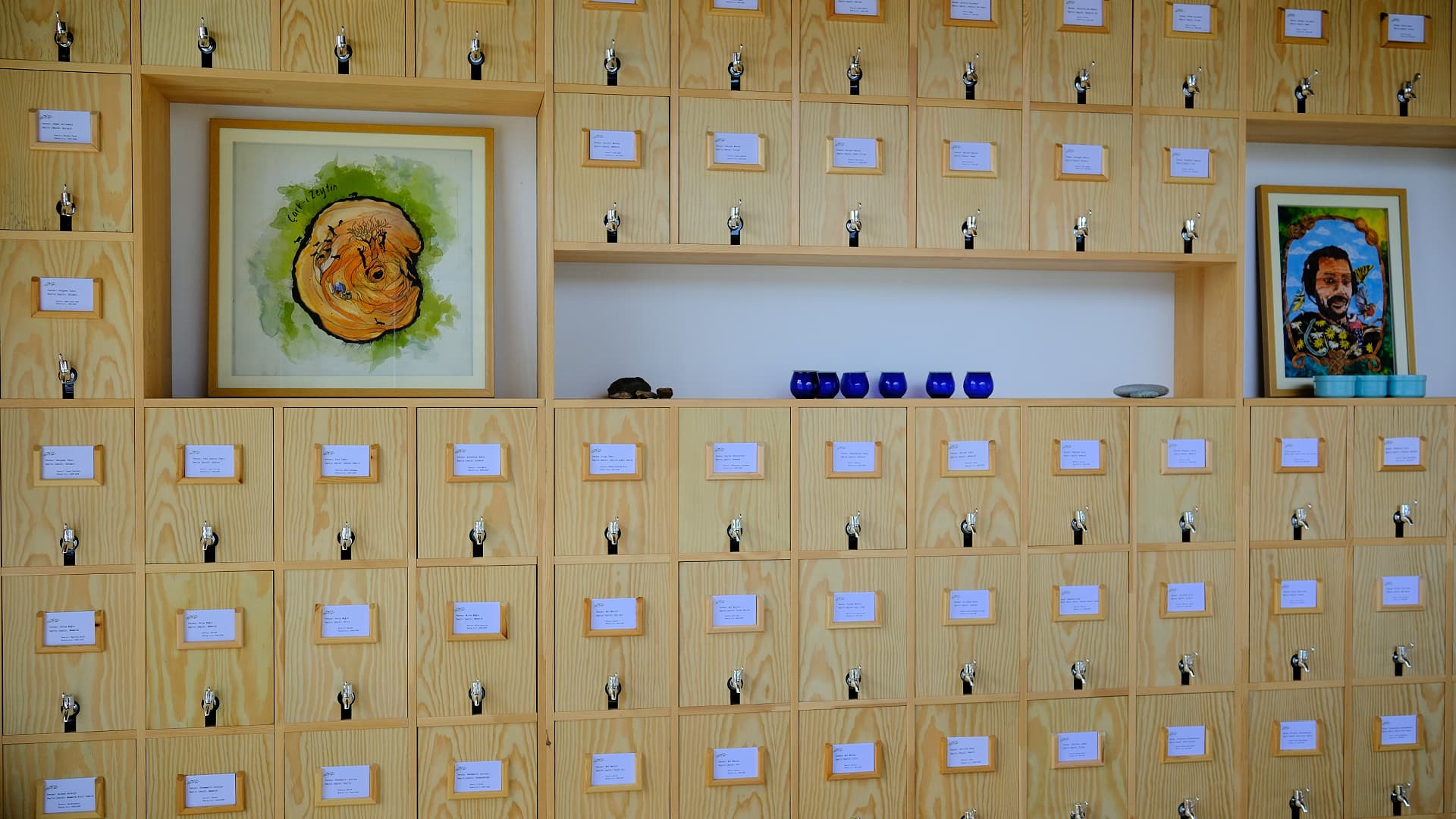
Shelves fitted with tasting taps at the Yücel Sönmez Olive Oil Library in Seferihisar display olive oils selected to highlight the diversity of Anatolian and international cultivars.
The library was established in Seferihisar, near İzmir, an area known for its commitment to local identity and sustainability. The district was the first in Turkey to join the Cittaslow network, which promotes traditional agriculture, local products and a slower, more conscious way of living.
Eken said Sevilma’s work is also aligned with the principles of biodiversity and the Slow Food movement through the production of an olive oil recognized as a Presidium. He pointed to a little-known cultivation system in the eastern Aegean, where wild olive trees are cut and grafted with more productive domestic cultivars such as Erkenci or Memecik.
Over time, he said, these trees become hybrids, retaining wild root systems and trunks while producing fruit from cultivated varieties with higher oil yields. Sevilma selectively sources olives from these landscapes, supporting practices that have endured for generations and helping maintain the ecosystems in which they survive.
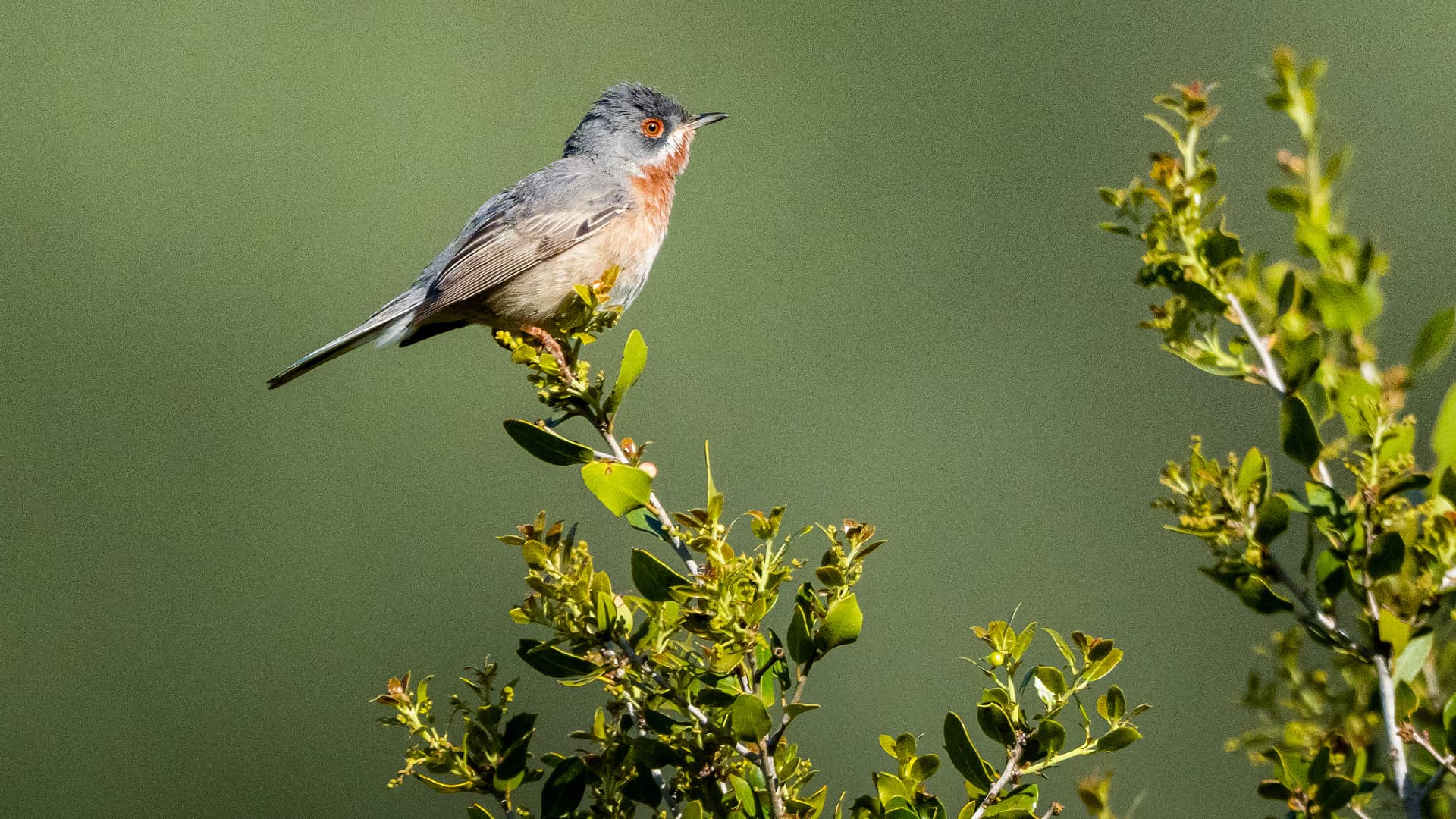
A bird perches among the trees at Sevilma’s farm in western Anatolia, where biodiversity and traditional olive-growing landscapes shape the producer’s work.
The oils entering the library are selected based on several criteria, with rarity at the top of the list. “We would like to have as many varieties as possible from regions where very unique olive varieties grow,” Eken said. Some oils in the collection, he added, come from groves of only a few hundred trees and may represent some of the last remaining examples of a specific cultivar.
Sevilma worked with local artisans to design and build the space, which also serves as a showcase for local craftsmanship. Visitors can taste up to ten different olive oils during a visit.
“Our experts explain to visitors the regions of origin, the terroirs and the best gastronomic matches for each olive oil,” Eken said. The project is also aimed at students, with universities in İzmir already planning visits.
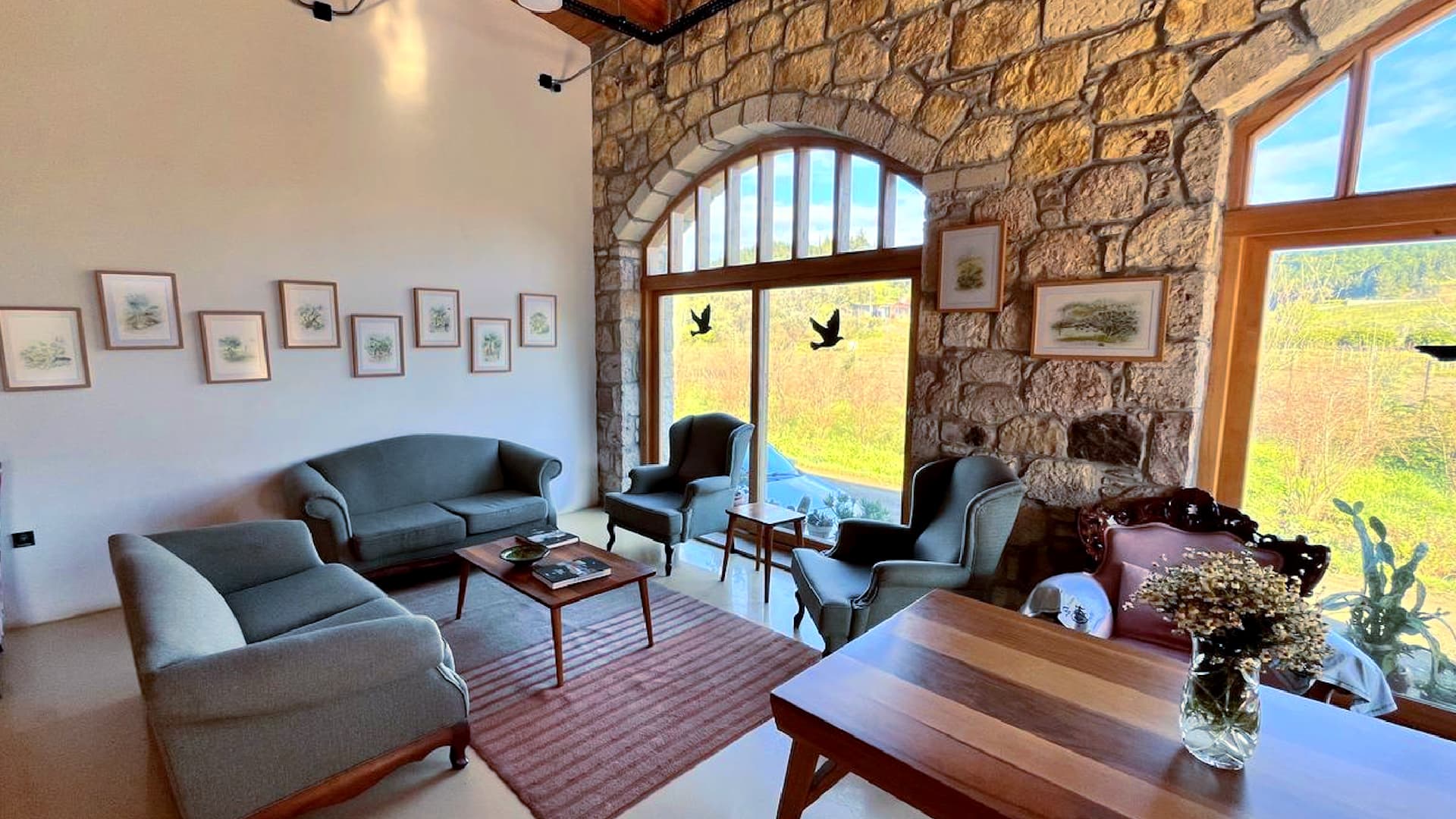
Another interior view of the Yücel Sönmez Olive Oil Library, where a quiet seating area reflects the project’s emphasis on tasting, learning and contemplation.
Eken said the library is open to other producers as well, reflecting a cooperative spirit. “The whole idea comes from cooperation instead of competition,” he said.
He believes the project can also change how visitors view brands, encouraging them to see each bottle as an entry point into a region’s history, culture and agricultural heritage. In that sense, the library is intended not as a store but as a place for education and discovery, even though visitors can learn where to buy the oils they taste.
The collection will be continuously updated to reflect new productions and make room for additional local and rare oils. While some entries come from abroad, most are from Anatolia and the wider Turkish olive-growing world.
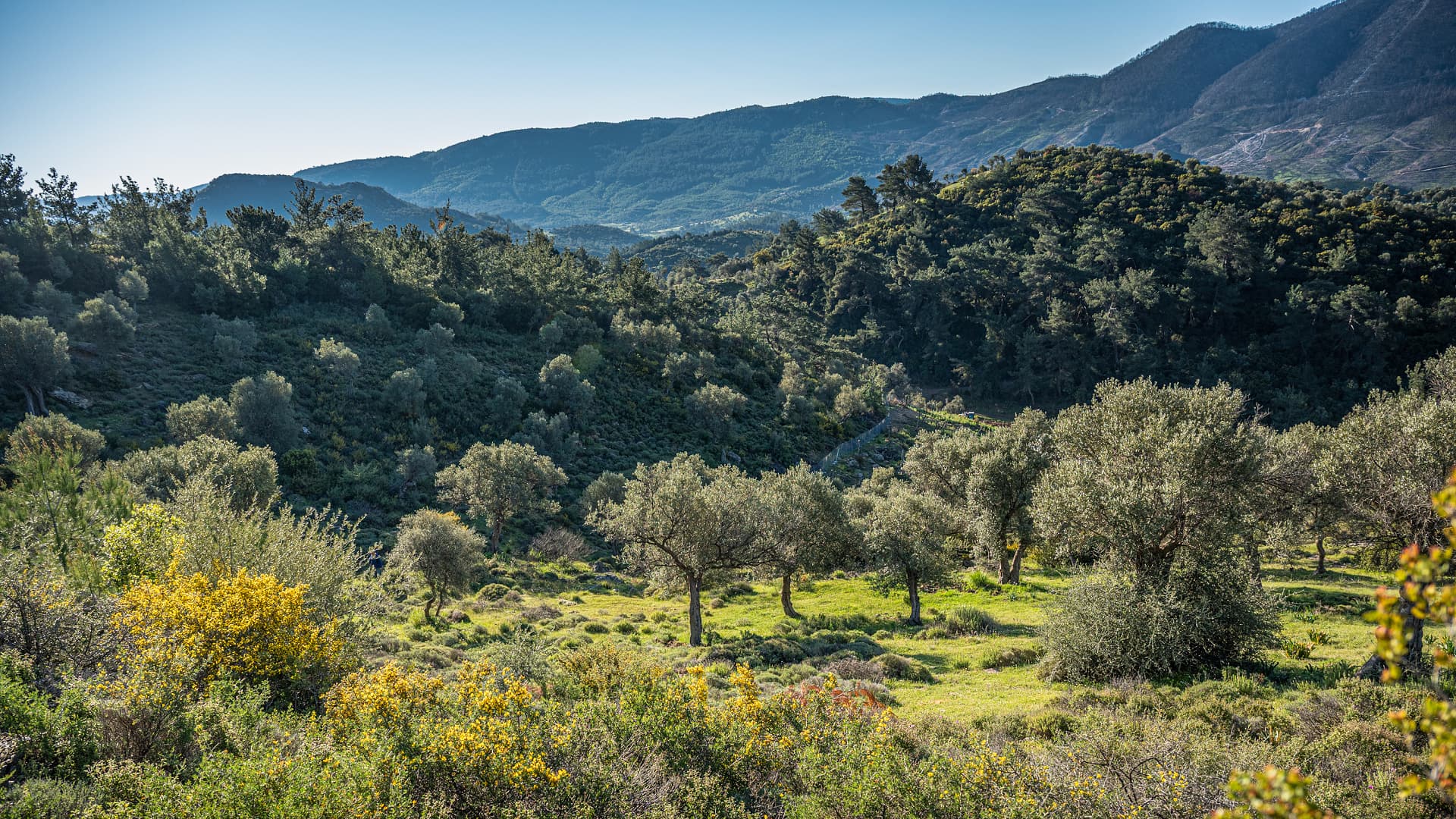
Olive groves and native vegetation surround Sevilma’s farm in western Anatolia, reflecting the biodiverse landscape that shapes the producer’s work.
For Eken, the concept is meant to be replicated elsewhere. He said regional olive oil libraries could play an important role in protecting agricultural heritage and strengthening appreciation for the diversity that defines the olive oil world.
“As an olive oil industry, we have the responsibility to produce healthy, high-quality olive oils,” he said. “But we are also responsible for preserving the olive tree and olive oil culture, which represent one of the most important heritages of Mediterranean humanity.”