How to Make Award-Winning Olive Oil in a Tractor-Trailer
Samir Bayraktar, the founder of Olive Truck, has earned ten NYIOOC awards for extra virgin olive oils produced in his mobile mill.
Samir Bayraktar has produced extra virgin olive oil in the back of a tractor-trailer truck for nearly a decade.
The mechanical engineer first developed the idea while working as the managing director of Turkish olive oil producer Nar Gourmet.
“We had a project to research and find minor local cultivars around Anatolia,” Bayraktar told Olive Oil Times. “In the first year, we started making olive oil out of these cultivars, but not all the olive oils were as good as we wanted them to be.”
See Also: Producer Profiles“The second year, we decided to make this mobile mill to produce olive oils under the same condition in each region,” he added.
Bayraktar’s decision to build the mobile mill paid off and Nar Gourmet earned a Gold Award at the 2014 NYIOOC World Olive Oil Competition with olive oil produced from its portable mill.
By the beginning of 2018, Bayraktar moved back to the United States, where he had received his Master’s degree more than a decade before. “2019 was my first production year in California,” he said.
Appropriately dubbed the Olive Truck, Bayraktar immediately returned to winning ways at the world’s largest olive oil quality contest. Since 2020, he has won 10 NYIOOC awards, including one Gold and two Silver Awards this year.
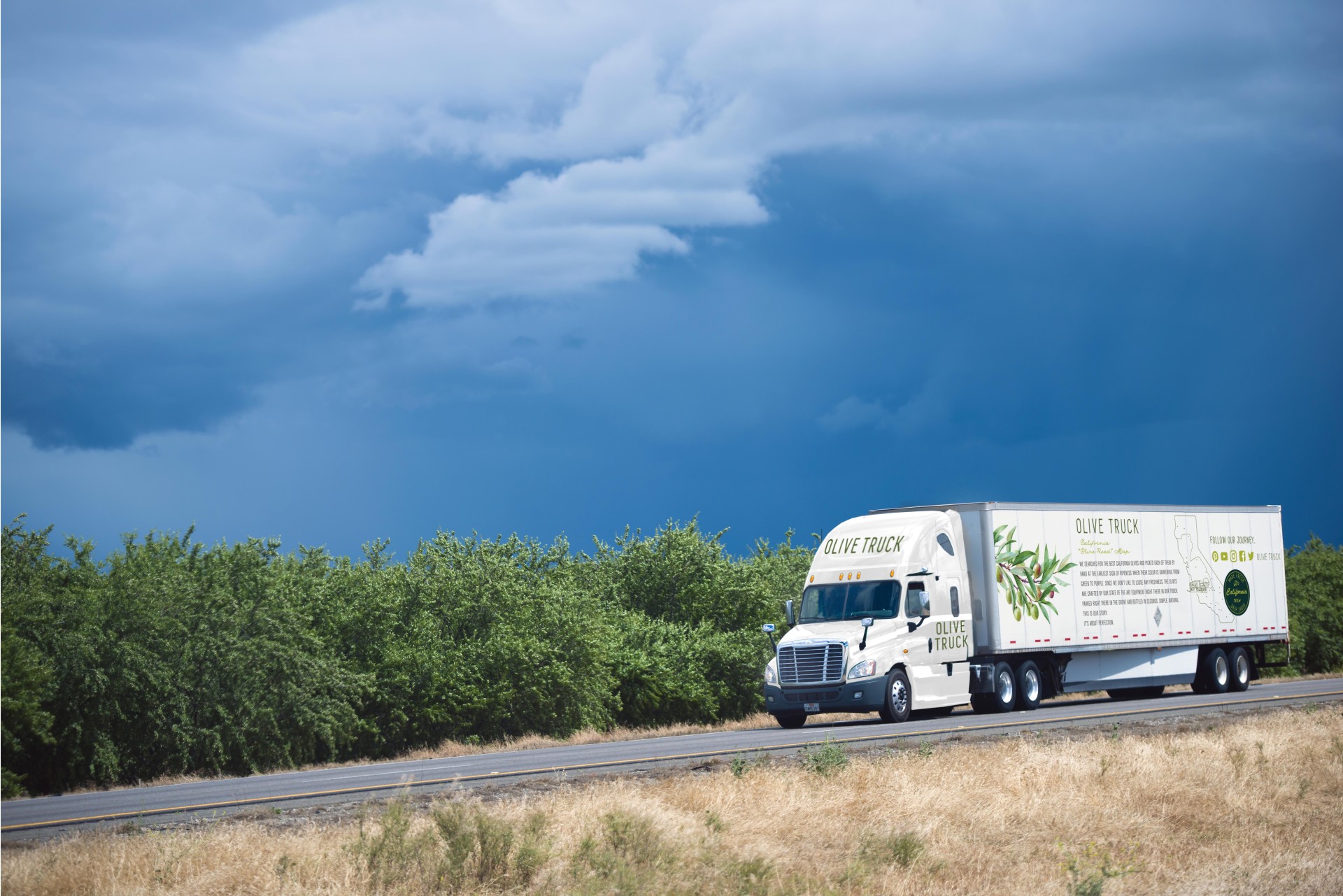
Bayraktar has spent nearly 10 years producing olive oil in a tarctor-trailer truck.
Bayraktar transforms olives from two contracted farms in Fairfield and Lower Lake, California, west of Sacramento. He also advises neighboring olive farmers and mills some of their olives with the mobile mill.
One of the perks of working with his neighbors is the ability to experiment. While Bayraktar mainly harvests Coratina, Leccino and Frantoio olives with his contracted farmers, he is planting Favalosa and Itrana olives. “In five years, we will be making good olive oil out of these new plantations,” he said.
Bayraktar attributed his consistent success in the NYIOOC to his focus on quality over quantity and the flexibility provided by the mobile mill.
“The busiest period for me is probably the three weeks to one month before the season because it’s scheduling time,” he said.
Bayraktar uses data from previous harvests and analysis of the current crop of olives to decide the precise moment to harvest and mill in each grove.
“I collect the samples two or three weeks before what I estimate to be the best harvest window,” he said. “Then I get the results from the lab.”
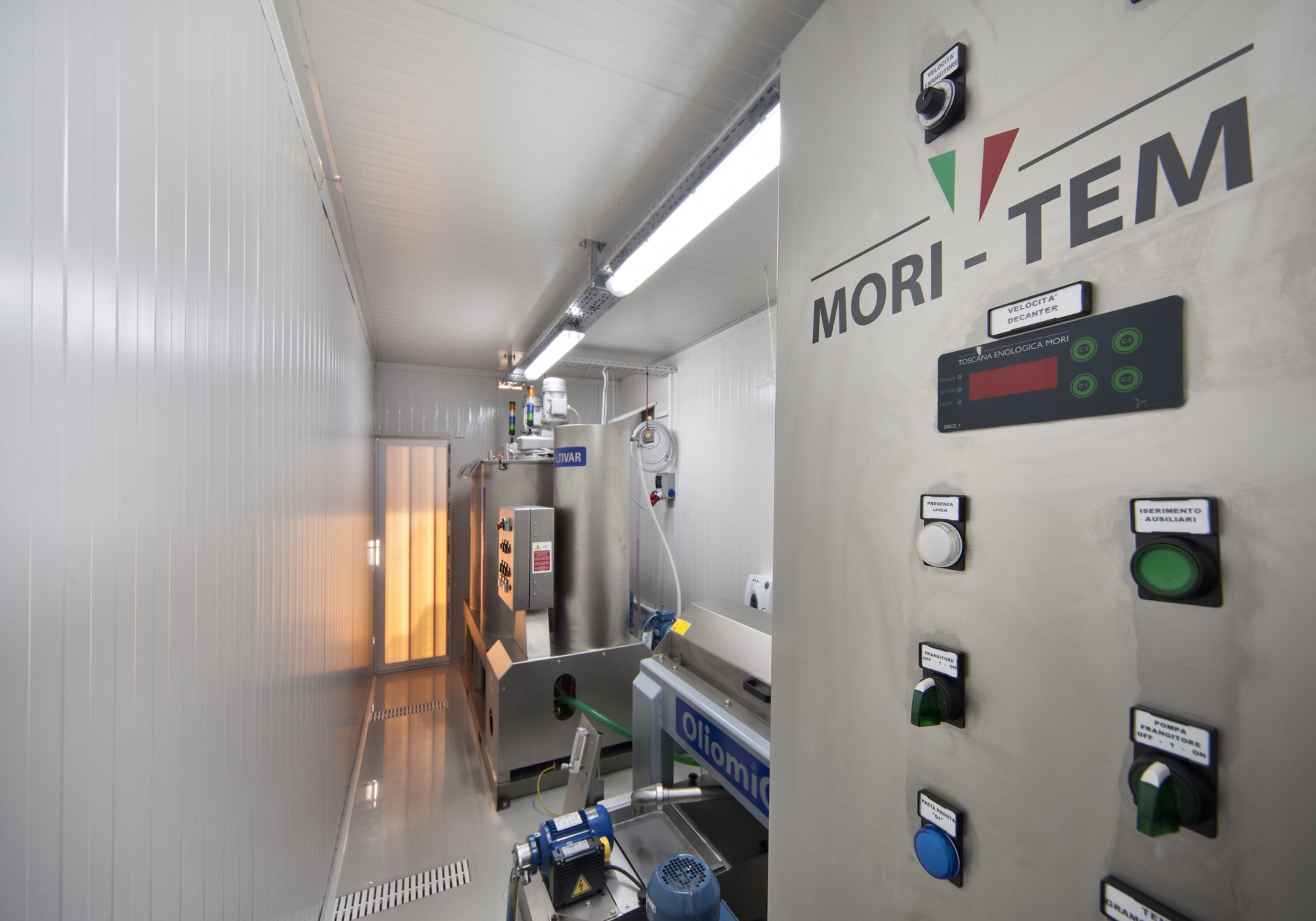
Every step of the milling process takes place in the back of the truck – from washing to storage.
Based on the olives’ oil accumulation and moisture content, Bayraktar determines the best moment to stop irrigation, schedules the days to harvest each grove, and contracts a harvest crew.
Between his two contracted groves and those of his neighbors and friends, Bayraktar spends between three and four weeks harvesting and transforming olives right in the grove.
The day before the harvest begins, Bayraktar drives his mobile mill to the grove. “All the equipment is installed in the container on the trailer,” he said.
“The basic setup is you bring the equipment in the truck and hook it up to the electricity and water source,” Bayraktar added. “We also filter the water before we fill the tank to wash the olives and start.”
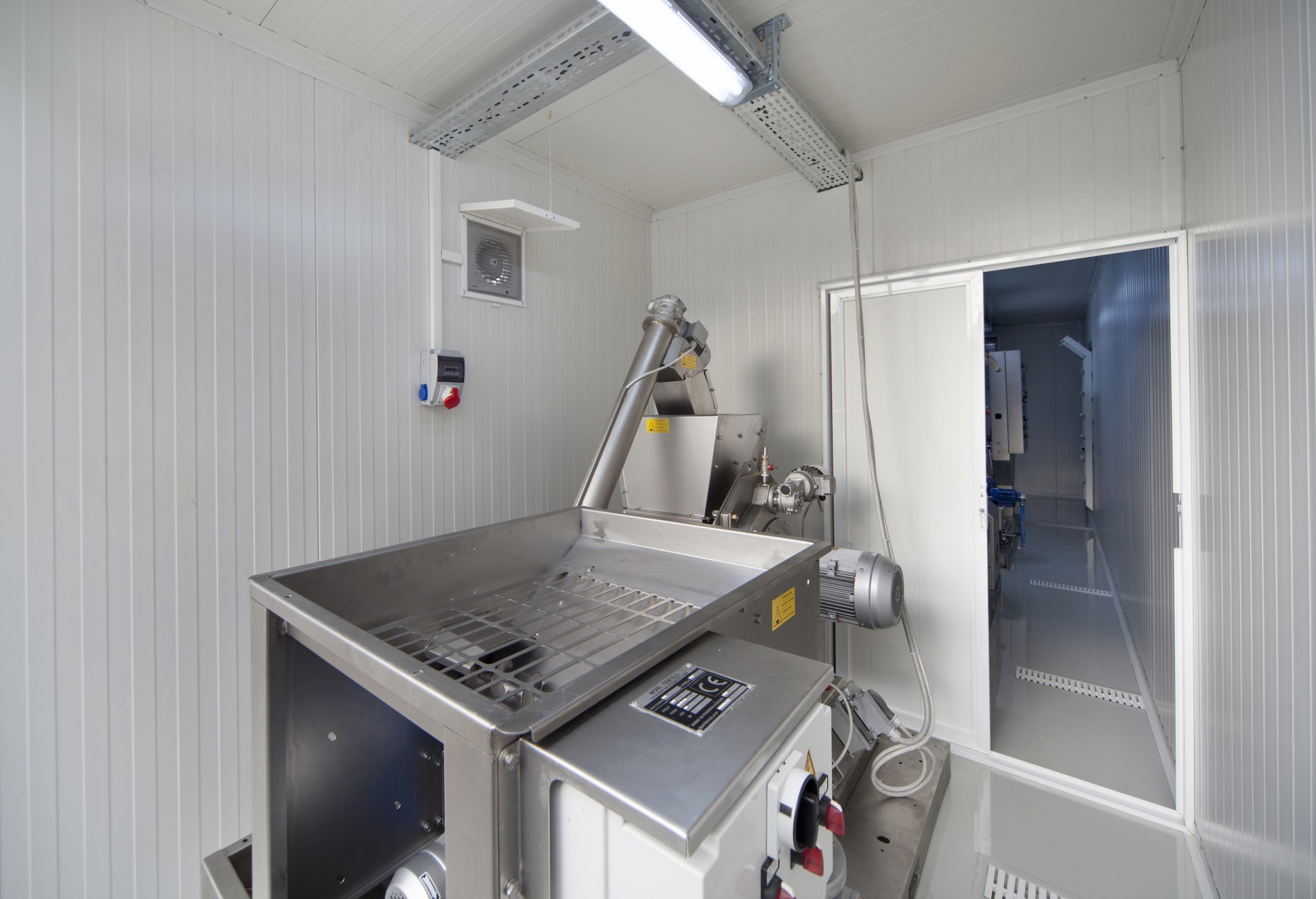
In some groves, Bayraktar hooks up the truck to local electricity. In others, he powers the truck with a generator.
The morning of the harvest, Bayraktar arrives in time to pick at 6:30 a.m. If he is harvesting somewhere the truck cannot connect to electricity, Bayraktar powers it with a generator.
After the first hour and a half of harvesting – done by hand or with shakers – there are enough olives to start milling continuously for the rest of the day. Bayraktar mills between five and 7.5 tons of olives each day.
“When they finish harvesting by about 4 or 5 p.m., we continue crushing to get oil from the last batch for another hour to an hour and a half,” he said. “Then we clean the equipment to ensure it is refreshed and ready for the next morning.”
From branch to storage, Bayraktar said he transforms olives into olive oil within 45 minutes, helping him achieve his primary goal – preserving the highest amount of polyphenols in the extra virgin olive oils.
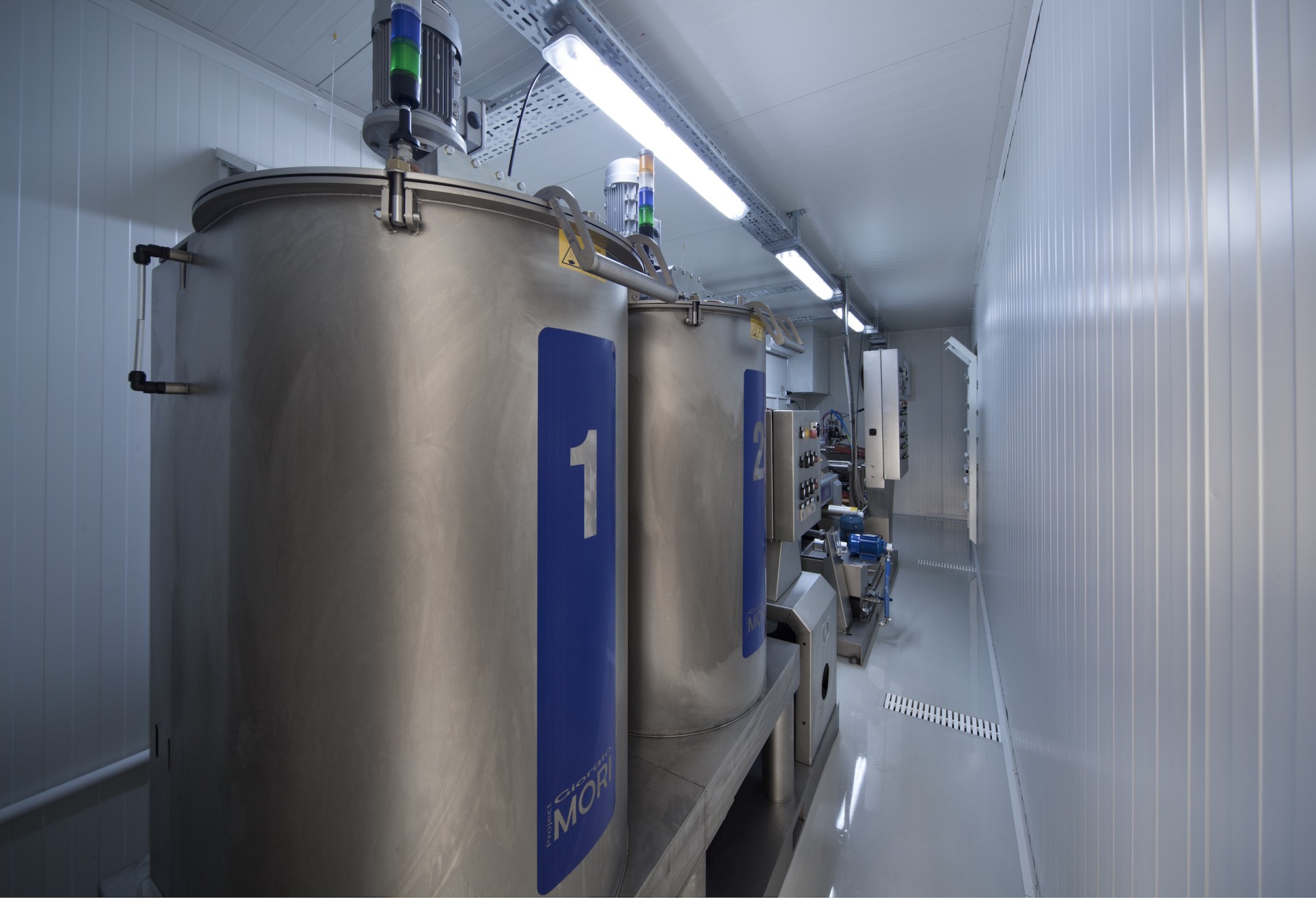
Since 2020, Bayraktar has won 10 NYIOOC awards, demonstrating the effectiveness of his unorthodox method.
With his sights set on high polyphenol counts, which contribute to the organoleptic and health qualities of extra virgin olive oil, Bayraktar prefers an early harvest.
Usually, this means harvesting in the second or third week of October. However, Bayraktar believes climate change is pushing up the harvest in California. “This year, we harvested 10 days earlier,” he said.
Bayraktar added rain during the harvest days in the past two years had complicated things. “I prefer a dry window of weather that’s a little bit cooler from mid-October to mid-November,” he said. “This is my wish, but it’s not happening.”
Like many of his fellow California growers, he said the 2022/23 crop year was not great. “What I experienced in California was not a good year,” Bayraktar confirmed.
While his groves were largely unaffected by the extreme weather events and drought that damaged groves in other parts of the state, he said some of his neighbors lost olives to frost.
“They didn’t even harvest because it was not going to be feasible for them to harvest and pay for the labor,” Bayraktar said. “Labor is super expensive in California, and finding labor is also challenging.”
The combination of a tight labor market in the United States – where there are more job openings than people looking for work – and many crops in California needing to be harvested simultaneously has made this year especially difficult for producers to find workers.
However, Bayraktar is optimistic about the future. He sees growing interest in his products as they continue to win awards and hopes this indicates a positive trajectory for high-quality extra virgin olive oil production in California.
Bayraktar also thinks recent rain and snow across much of the state, replenishing the snowpack and refilling aquifers, will help olive growers in the coming crop year.
“If we continue having a little bit more rain in late April, that will help,” he said. “I’m not expecting anything during summer.”