Family Project Revives Abandoned Groves in Italy’s Sannio Region
A family-led project in southern Italy is restoring abandoned groves, producing award-winning extra virgin olive oil and helping revive a little-known rural region.
Named after the Samnite people who inhabited the area between the 5th and 3rd centuries B.C., Sannio stretches across parts of central and southern Italy, offering an unspoiled landscape where woods and wild areas blend with farmland and small villages.
Sannio is still little known. By focusing on its native varieties, we wanted to give the territory a voice through the distinctiveness of its production.
Settemisure was founded in this territory in 2018, when cousins Francesca and Mariarosaria Tancredi and Alberto Di Santo returned from other cities to launch a quality-driven project rooted in their family land. What might appear as a simple return to their origins was instead sparked by a devastating event.
“We were able to create something good from a dramatic occasion,” Di Santo told Olive Oil Times. “It all began with the flood that hit the Benevento area in October 2015. After that, we started restoring the land that had belonged to our grandfather and reviving his olive trees.”
Following the flooding caused by heavy rainfall that led two rivers to overflow, the cousins began recovering a plot with 50 olive trees that had once been used for family consumption.
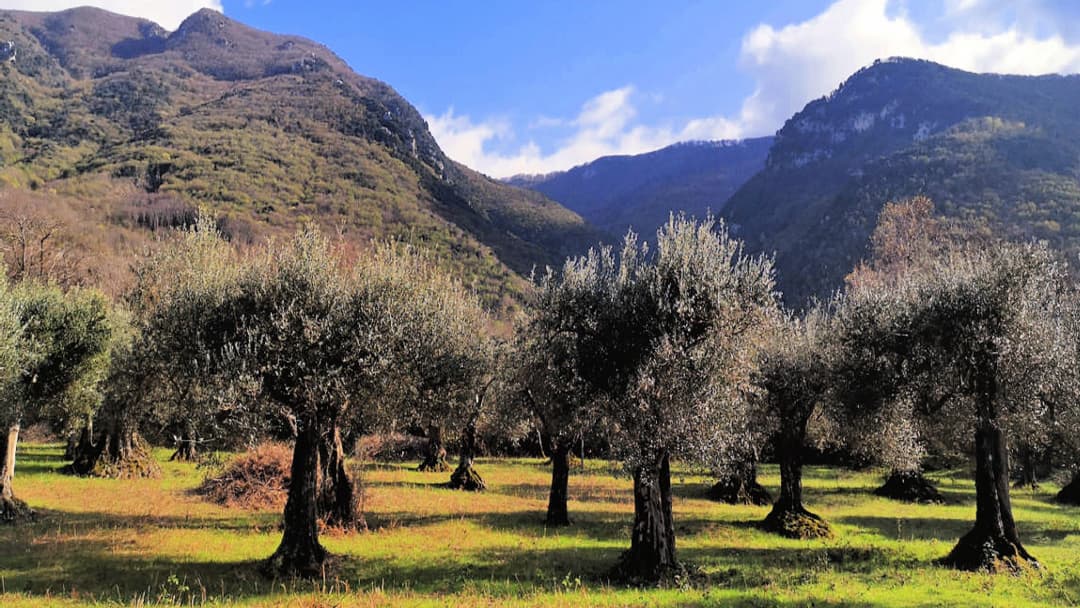
Settemisure’s headquarters sits in the village of Solopaca, within the Taburno–Camposauro Regional Park, at the foothills of the eponymous Apennine massif.
“We all have wonderful memories of harvesting those trees together years ago,” Di Santo said. “With that in mind, we began the reclamation work, and the results encouraged us to expand to nearby plots.”
The grove is located in Solopaca, within the Taburno Camposauro Regional Park at the foothills of the Apennines. As they explored the surrounding area, the founders identified abandoned groves and began restoring them while studying local cultivars to highlight their value.
“Sannio is still little known,” Di Santo said. “By focusing on its native varieties, we wanted to give the territory a voice through the distinctiveness of its production.”
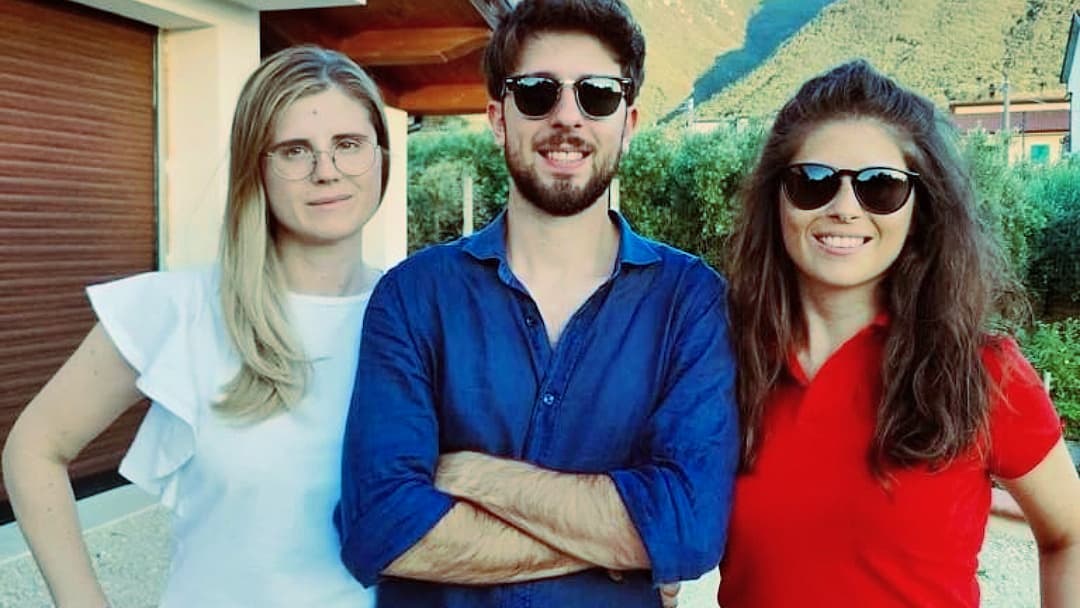
Sisters Francesca and Mariarosaria Tancredi and their cousin Alberto Di Santo returned to Solopaca from other cities and established a quality-driven project starting from their grandparent’s grove.
The name Settemisure, meaning “seven measures,” refers to the size of the original family grove. Historical cadastral maps revealed that the land measured seven “misure,” an old unit corresponding to roughly one-third of a hectare.
Over time, the company expanded by acquiring or managing additional plots and planting new trees. Today, about 2,000 new olive trees have been added across hilly terrain ranging from 100 to 480 meters above sea level.
“The uneven terrain requires extra effort,” Di Santo noted. “We maintained a traditional layout, which also helps preserve the landscape’s character.”
The groves feature local varieties such as Ortolana, Racioppella, Femminella and Ortice. The latter is used to produce their monovarietal Mosaico, which earned a Gold Award at the 2026 NYIOOC for its balanced profile and notes of cut grass, apple and tomato leaf.
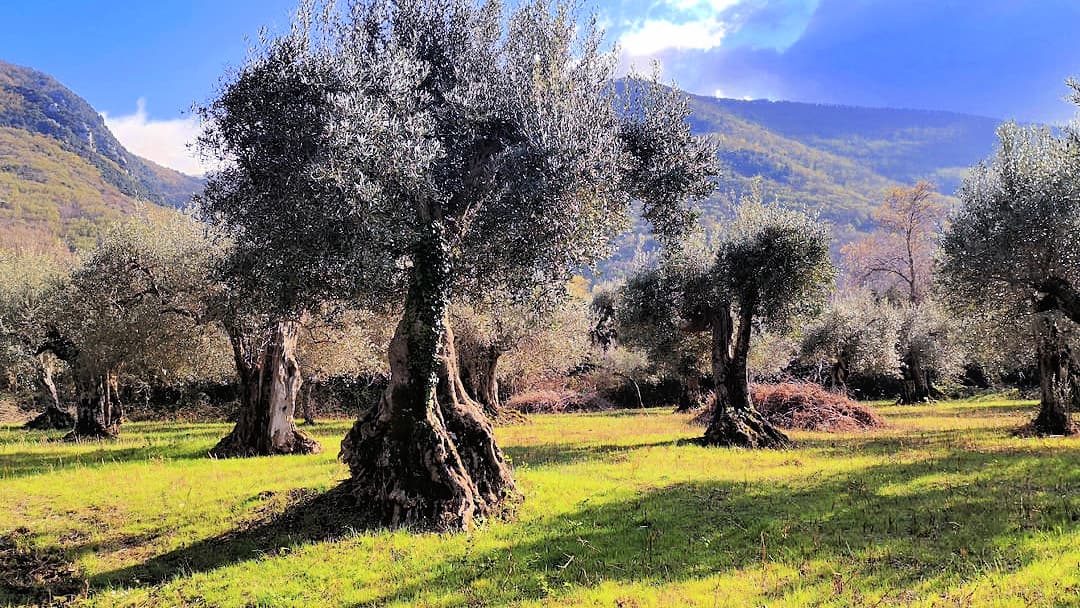
Settemisure recovered olive groves in Solopaca in Campania and in neighboring areas of Molise and Puglia.
The company follows a sustainability-focused approach to olive oil production, using organic fertilizers and carefully managing water resources.
“Even during the hottest months, we generally have enough water,” Di Santo said. “While many areas struggled with drought, our trees showed no significant signs of stress.”
Harvested olives are quickly transported to nearby mills equipped with modern technology, ensuring prompt processing and preserving quality.
Participation in international competitions reflects the company’s ambitions to expand its exports and strengthen its presence abroad.
Beyond production, Settemisure is also committed to promoting the region through events, tastings and farm-to-table experiences, introducing visitors to local products and traditions.
“This land is still unknown to many,” Di Santo said. “By welcoming visitors, we can share our work and contribute to keeping the local community vibrant.”