Calabria Charter Calls for Stronger Protection of Italy’s Olive Landscapes
Italy’s Olive Oil Cities association unveiled a policy framework calling for stronger protection of historic groves, support for growers and formal recognition of olive-growing municipalities.
The Città dell’Olio (Olive Oil Cities) association presented the Calabria Charter during its first national convention, held in Corigliano-Rossano, in the province of Cosenza, from July 10 to 12.
Combining a long-term vision with operational measures to be implemented by 2030, the policy framework was developed by the Council of Ambassadors of the Olive Oil Cities, comprising representatives from institutions, research and culture.
A well-tended olive grove is an act rooted in the Republic’s values because it brings together the landscape, labor and well-being that the Constitution entrusts to us.
It also builds on commitments established last year with the creation of the Olive Oil Communities, a network of local institutions, economic operators and cultural organizations.
Symbolically signed in the year marking the 80th anniversary of the Italian Republic, the Calabria Charter incorporates principles from the country’s Constitution.
When it entered into force on January 1, 1948, following the fall of Fascism and the end of World War II, the Constitution of the Italian Republic expressed the country’s political and social rebirth, founded on the values of freedom, justice and equality.
The Constitution, comprising 139 articles and 18 transitional provisions, can be amended only through a special procedure. Environmental principles were added in 2022.
The Calabria Charter takes these principles as its foundation, asserting that a responsibly managed olive grove embodies the application of Article 9: “The Republic […] protects the landscape […], the environment, biodiversity and ecosystems, also in the interest of future generations.”
The charter also builds on Article 4, which defines work as the foundation of the community, stating that “the Republic recognizes the right of all citizens to work […] Every citizen has the duty to carry out, according to their abilities and choice, an activity or function that contributes to the material or spiritual progress of society.”
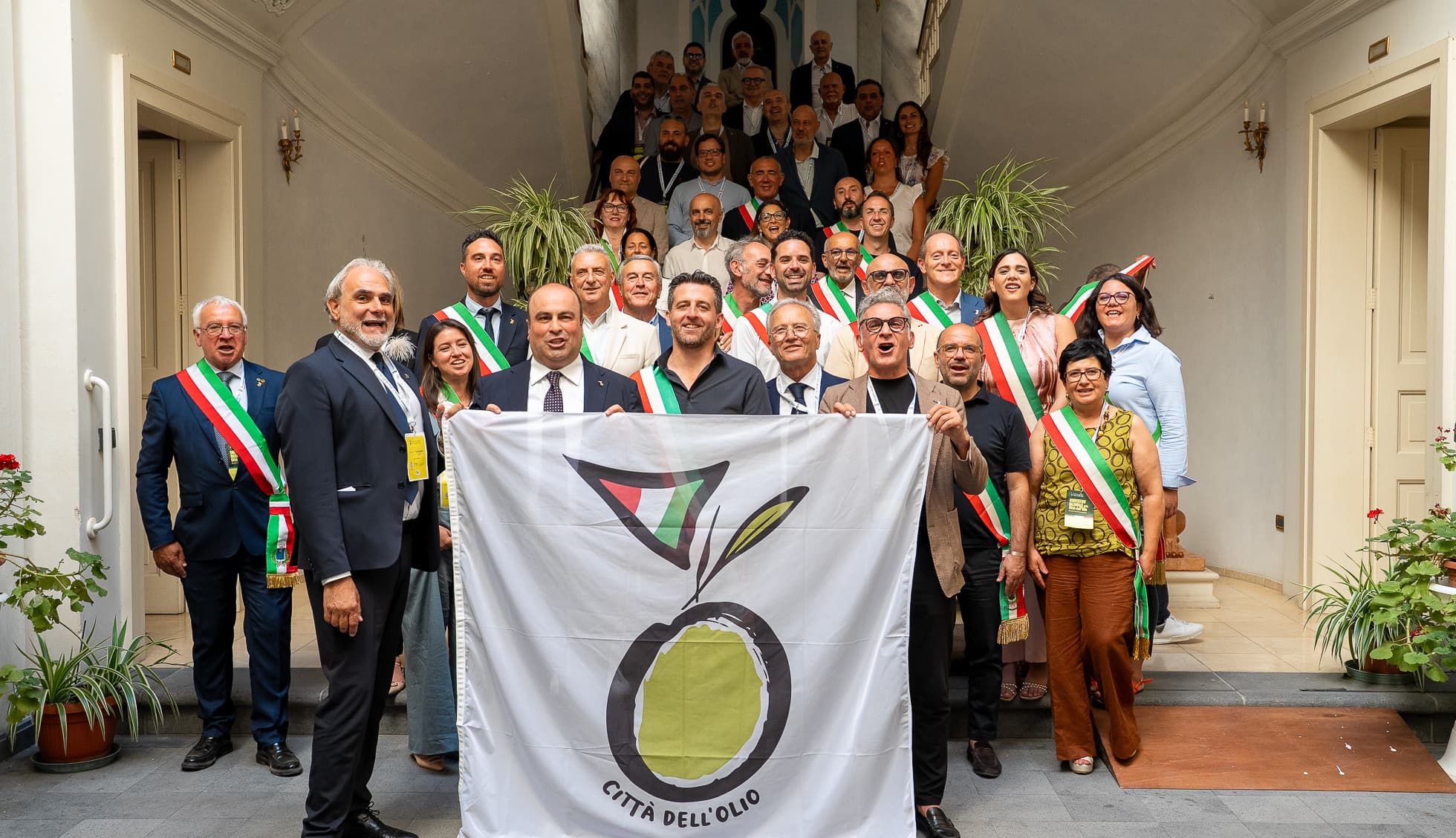
The Calabria Charter was unveiled during the Città dell’Olio’s first national convention, held in Corigliano-Rossano from July 10 to 12.
It is likewise grounded in Article 32, which frames health as a “fundamental right and a collective interest,” a principle that extra virgin olive oil, as a pillar of the Mediterranean Diet, helps safeguard every day.
On this foundation, the Calabria Charter calls on national institutions to recognize olive landscapes and the communities that preserve them as strategic infrastructure requiring protection through integrated policies addressing hydrogeological risks and land maintenance.
It urges the recognition of olive-growing municipalities as institutional actors within the supply chain and calls for mandatory consultation on policies affecting the country’s olive-growing heritage.
The document also argues that the energy transition must not come at the expense of historic olive landscapes, which should be safeguarded through strict protective measures without exemptions.
Moreover, it advocates for a national law on social olive farming and the reclamation of abandoned groves. It also supports compensation for the environmental services growers provide to their communities and proposes nominating Italy’s olive oil culture as intangible cultural heritage.
“The Calabria Charter is the pledge that the Olive Oil Cities offer to the country in the year marking such a significant anniversary,” Michele Sonnessa, president of the Città dell’Olio association, told Olive Oil Times.
“A well-tended olive grove is an act rooted in the Republic’s values because it brings together the landscape, labor and well-being that the Constitution entrusts to us,” he added.
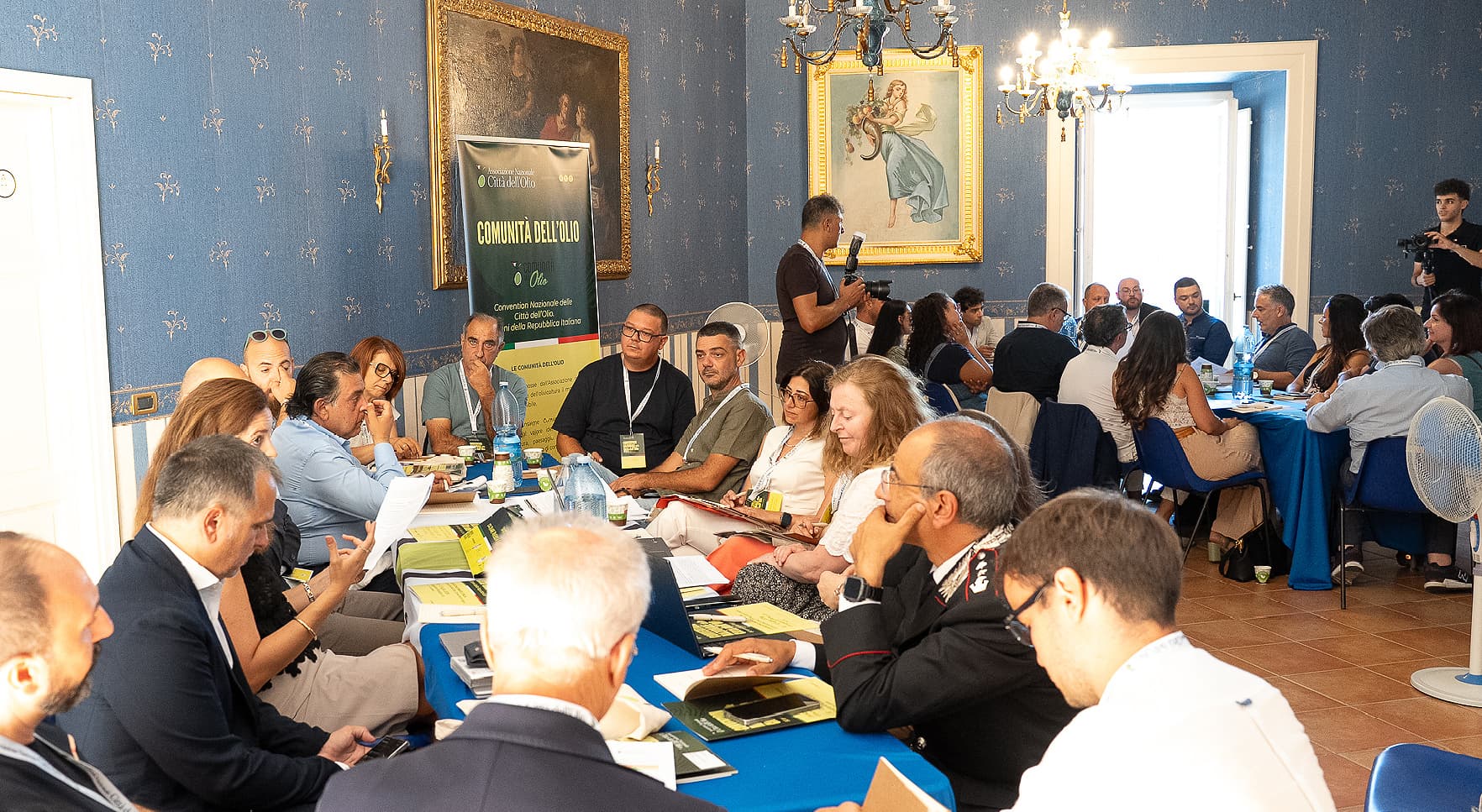
At the Città dell’Olio’s national convention, representatives of institutions and culture addressed the sector’s key issues of territorial governance, landscape protection, biodiversity and quality of work.
“That is why we ask that olive-growing municipalities be recognized as key actors and that olive landscapes be considered strategic infrastructure,” Sonnessa continued. “This is not a list of demands, but a commitment that, from now on, we will translate into concrete actions together with the Olive Oil Communities.”
The three-day event in Corigliano-Rossano featured discussions among representatives of institutions and universities, who addressed the sector’s main challenges, including territorial governance, landscape protection, biodiversity, working conditions and generational renewal.
Participants highlighted labor shortages, the depopulation of inland areas, the abandonment of agricultural land and soil erosion among the sector’s most pressing problems.
The discussions emphasized the pivotal role of growers in safeguarding olive landscapes and the principle that only economically sustainable farms can ensure landscape protection, preserve biodiversity and support the development of oleotourism.
With this objective, the Calabria Charter proposes reclaiming at least one abandoned olive-growing area for each Olive Oil Community, creating programs for young people, establishing support mechanisms in areas at risk of depopulation and conducting a census of native varieties in each territory.
Before the convention concluded, organizers highlighted Calabria, the host region and Italy’s third-largest olive oil producer, for its biodiversity, landscapes and high-quality production.
Corigliano-Rossano Mayor Flavio Stasi expressed satisfaction with hosting an event that outlined a far-reaching vision for the country’s olive oil sector.
“The Calabria Charter was born here, and from here we send a message to the entire country,” he said. “Territories can become protagonists of a model that values identity, the environment, culture and businesses, making the olive tree an element of cohesion and a driver of future development.”