Conflict Weighs on Iran’s Olive Oil Sector Ahead of Harvest
An Iranian olive oil producer is preparing for an earlier-than-usual harvest after months of airstrikes, internet disruptions, power cuts and economic turmoil reshaped its business.
With less than a month until the start of the olive harvest in Iran, producers are facing uncertainty stemming from the country’s intermittent conflict with the United States and Israel.
According to Iranian health officials, U.S. and Israeli bombing campaigns have killed an estimated 3,500 people and injured 27,000 others. Attacks by Iran and its regional allies on the United States, Israel and neighboring Gulf countries have killed more than 100 people and injured nearly 9,000 others.
We don’t want to lose any more time. We’ve decided to make a plan and go ahead with it.
In addition to disrupting the supply chain for European growers, millers and exporters, with consequences for U.S. consumers, the conflict has more directly affected olive oil companies in Iran.
In Tehran, shrapnel from the opening days of U.S. and Israeli airstrikes, which began on February 28th, damaged the headquarters of award-winning olive oil producer Orum Araz Nikdaneh.
Founder Saeed Shahmoradi told Olive Oil Times that a projectile struck a neighboring building, sending shrapnel through the company’s offices, shattering glass and causing parts of the ceiling to collapse.
There were no casualties at the time of the strike, he said. The bombing campaign has largely centered on Tehran and other targets elsewhere in the country, leaving the company’s olive groves and mill in Golestan province, about 400 kilometers northeast of the capital, unscathed.
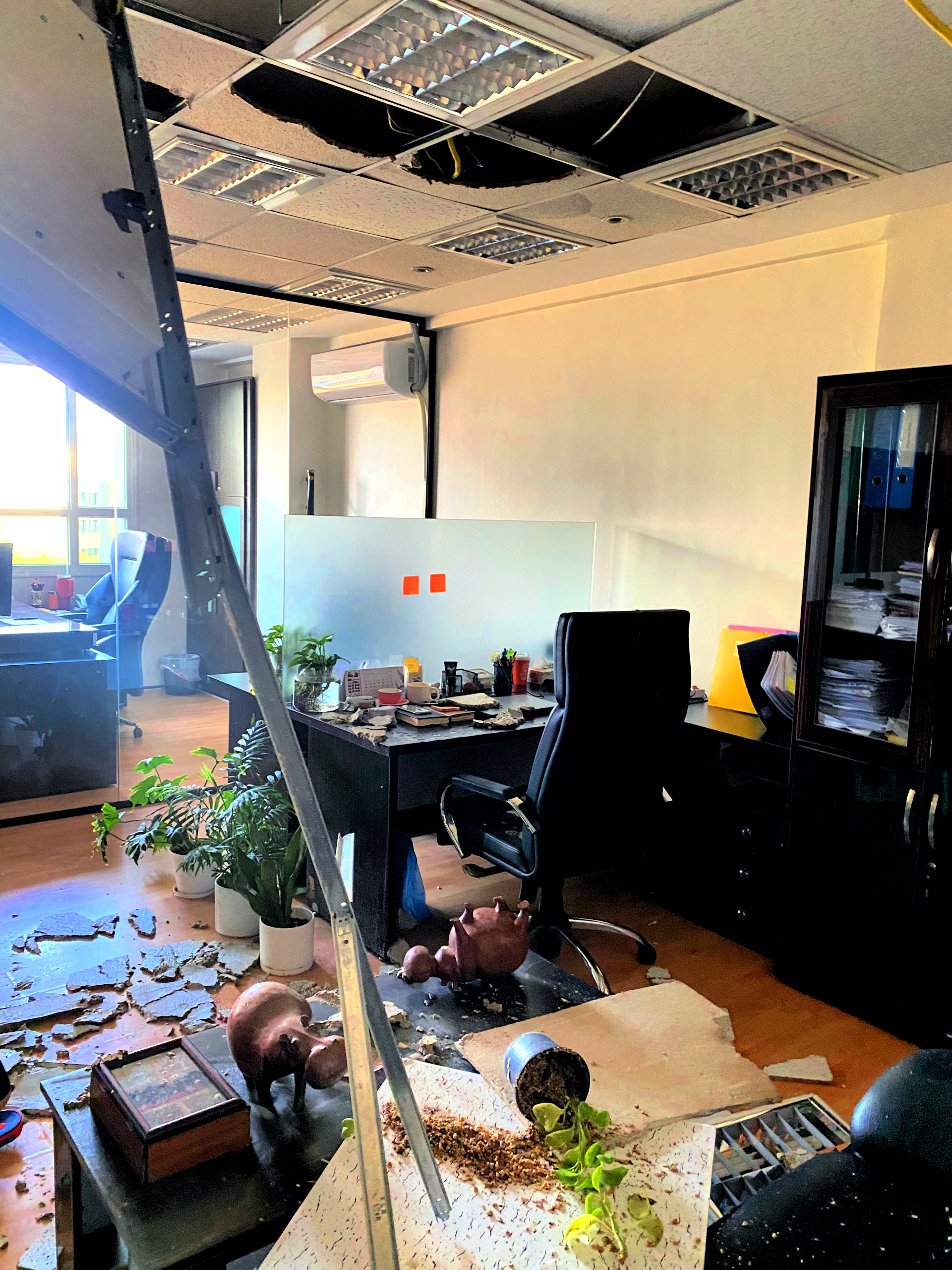
Orum Araz Nikdaneh’s office in Tehran was damaged by shrapnel in the opening days of the U.S.-Israel bombing of Iran. (Photo: Saeed Shahmoradi)
However, damage to Iran’s power infrastructure has forced the mill to operate at roughly half capacity because of frequent outages. The conflict also disrupted internet access for nearly two months, bringing the company’s online sales to a halt.
Shahmoradi said year-on-year inflation, which rose from 53 percent in December to nearly 89 percent by the end of June, has further eroded consumer purchasing power.
“The buying power of people is very low, so some people must remove some products from the basket, and unfortunately olive oil is one of them,” he said.
However, rising olive oil prices have partly offset the decline in sales, which fell to zero in the weeks after the conflict began and then gradually recovered.
“Sales have not gotten back to normal because people are still feeling the war,” Shahmoradi said. “We’ve not gotten back to normal life or business, but the situation is getting better.”
Since internet access partially returned in late May after nearly two months of disruption, Shahmoradi said online sales, including through major Iranian retailer Digikala, have become increasingly important to the company.
“In terms of the business-to-business sales, it’s been very slow to connect with people and convince them to buy the product to sell in their shops, but as soon as we got connected to the internet, the sales came back,” he said.
Decades of U.S.-led sanctions against Iran have encouraged the domestic development of numerous industries, including a sizable technology start-up sector.
Shahmoradi hopes to tap into that ecosystem as the company explores artificial intelligence-based marketing and sales strategies.
“We’re starting to hear from companies who find us through [AI chatbots],” he said. “So we’re planning to invest more in social media and AI sales strategies.”
While Shahmoradi said the conflict’s overall impact has been overwhelmingly negative, the weakening rial has made imported olive oil, particularly from neighboring Turkey, significantly more expensive.
“It’s not worth it for people to buy Turkish products now,” he said. “That’s a good advantage for Iranian high-quality products. Now, we are seeing that the people who used to buy Turkish products are approaching to buy our products.”
At the same time, Shahmoradi said high inflation, partly fueled by the conflict, will increase labor costs for the approaching harvest.
With uncertainty continuing over whether the United States and Iran can secure a lasting peace agreement after an April ceasefire and a June memorandum of understanding failed to end the fighting, Shahmoradi said he cannot keep the business on hold indefinitely.
As a result, Shahmoradi and his production team are moving ahead with preparations for the 2026/27 crop year, with harvesting expected to begin in September.
“We don’t know [if more airstrikes and bombing] are coming, but we don’t want to lose any more time,” he said. “We’ve decided to make a plan and go ahead with it.”
Shahmoradi added that unusually hot weather during the spring and summer accelerated fruit maturation, bringing the harvest forward by several weeks.
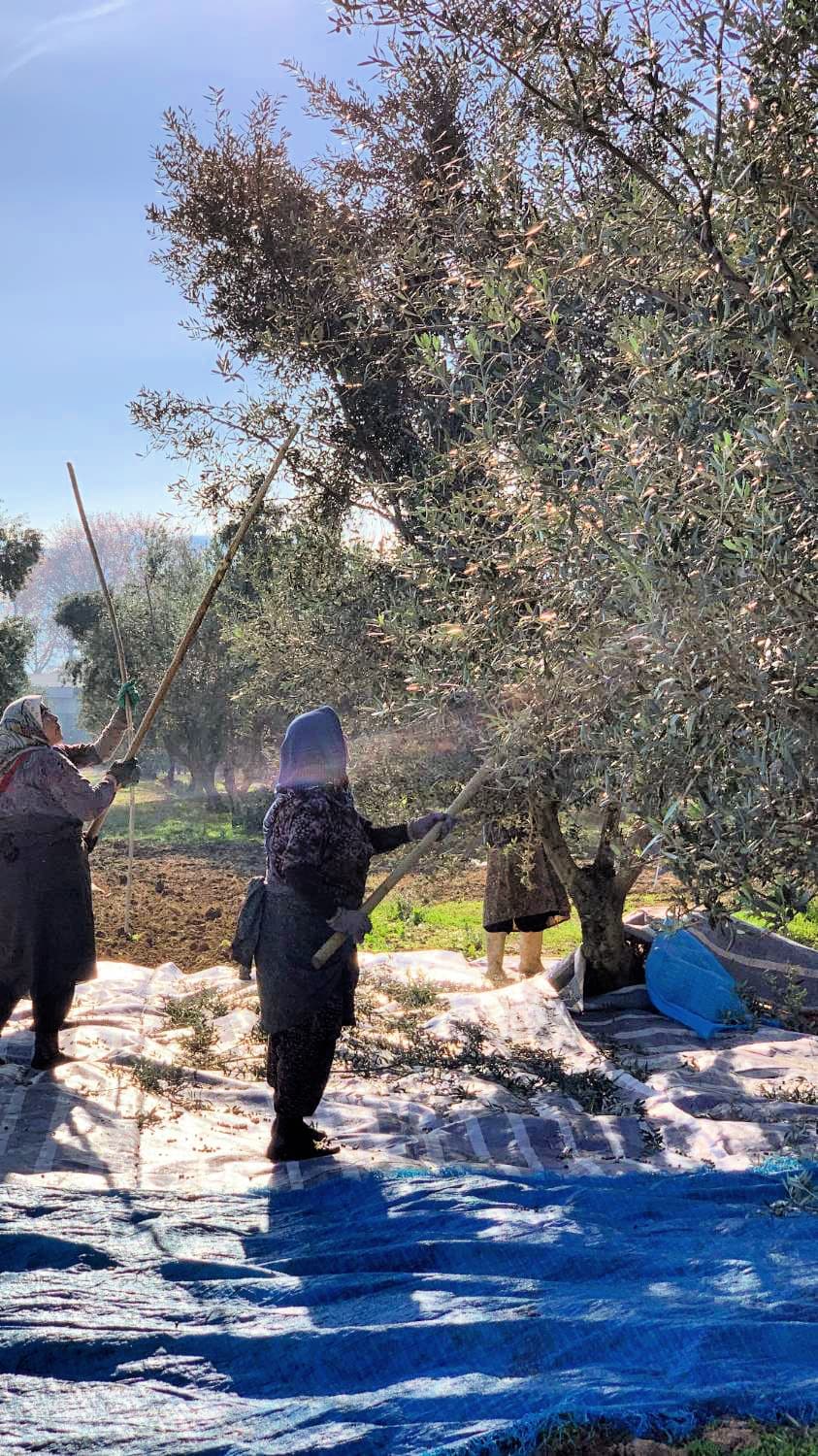
Olive oil sales have begun to recover after falling to zero in the early days of the conflict. (Photo: Saeed Shahmoradi)
“Last year the harvest season started at the end of September, but we think that this year it is going to start in early September,” Shahmoradi said. “The harvest is looking so-so, not a fruitful year, but also not such a bad year.”
According to provisional data from the International Olive Council, Iran produced 11,500 metric tons of olive oil in the 2025/26 crop year, compared with an average of 10,700 tons over the previous three crop years.