In Cilento, Marsicani Builds Modern Oils from Deep Rural Roots
The Campanian producer combines family history, advanced milling technology and a philosophical approach to craft award-winning extra virgin olive oils.
“While I grow older year by year, my company seems to be moving in the opposite direction, entering a kind of young-adult phase as it brims with strength, vitality and freshness,” Nicolangelo Marsicani told Olive Oil Times, describing the work behind his top-tier extra virgin olive oils.
A master miller who took his first steps among millstones and pressing mats, Marsicani often adopts a philosophical rather than technical tone, an inclination shaped by his background in Classics.
Today my mill is a place where multiple minds and noses come together to push quality further and create ever more distinctive profiles each year.
That sensibility is reflected in the names he has chosen for his creations over the years, including Alter Ego and Plus Valore, as well as the two oils awarded Gold at the 2026 NYIOOC World Olive Oil Competition: organic Viride Coratina and Algoritmo DOP Cilento.
“Selling oil is the easy part, in my view,” he said. “The greatest challenge lies in cultivating the olive trees well so they yield beautiful olives. This is crucial, and it is what ultimately grounds an enterprise in its territory.”
“Building on this, my company harnesses my knowledge along with that of my collaborators to create extra virgin olive oils tailored to the tastes of today’s consumers, wherever they are in the world,” Marsicani added.
Marsicani’s namesake farm is located in Sicilì, a hamlet of the Campanian village of Morigerati, within the Cilento, Vallo di Diano and Alburni National Park. The orchards grow not far from the Bussento River Caves Nature Reserve.
“In this environmentally protected and pristine area, human pressure is minimal,” Marsicani said. “I live in a community of a few hundred people, where we all know one another and support each other.”
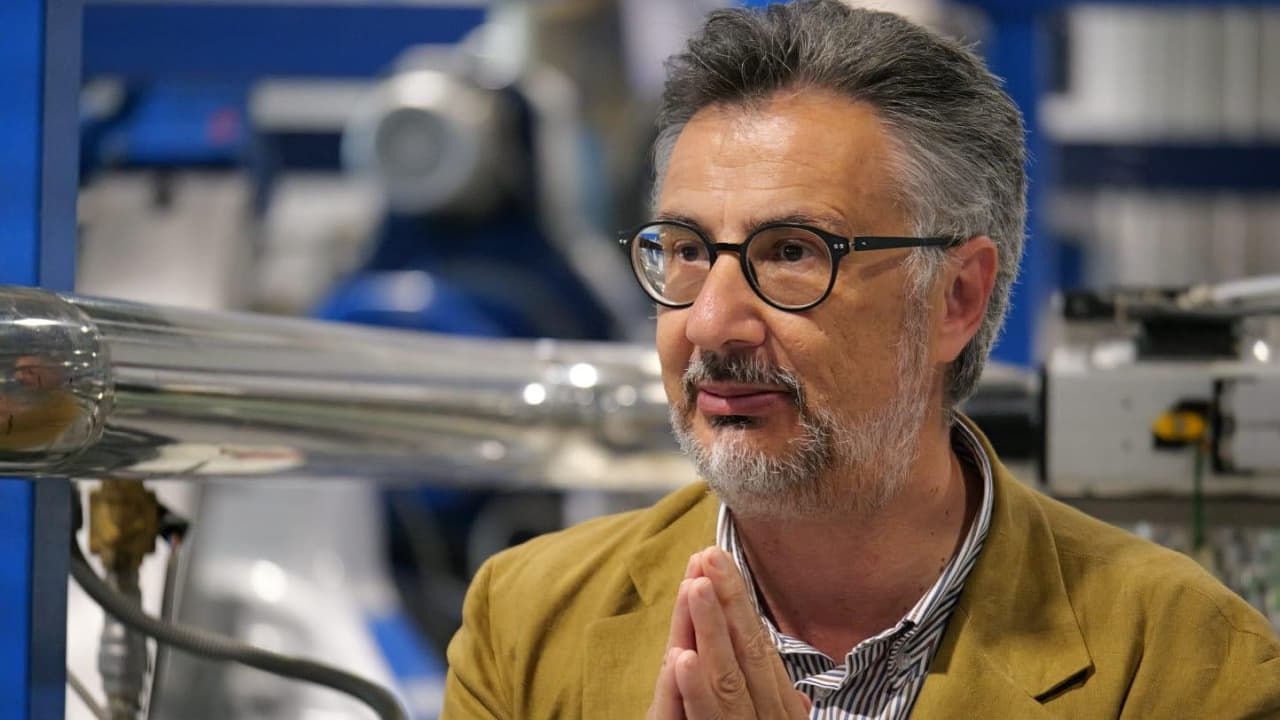
Award-winning producer Nicolangelo Marsicani conferring with his collaborators at the mill.
“All this allows me to live a peaceful life, in close contact with nature,” he added. “In my groves, I meet pheasants and hares that enjoy our healthy, clean and flourishing ecosystem.”
Marsicani said sustainability has become central to olive growing, but must be understood in both economic and environmental terms.
A company can be sustainable, he said, only if it is also economically viable, allowing it to reinvest revenue and thrive. Environmental sustainability, meanwhile, allows producers to make genuinely sound, high-quality products.
That vision has taken shape through a series of measures implemented across the property in recent years. The mill is powered by photovoltaic panels, while all processing byproducts are reused, from leaves turned into fertilizer to olive pits transformed into a heat source.
These improvements are part of a broader commitment to innovation, centered on the milling equipment Marsicani uses to craft his oils and provide services to third-party clients, including several high-quality producers.
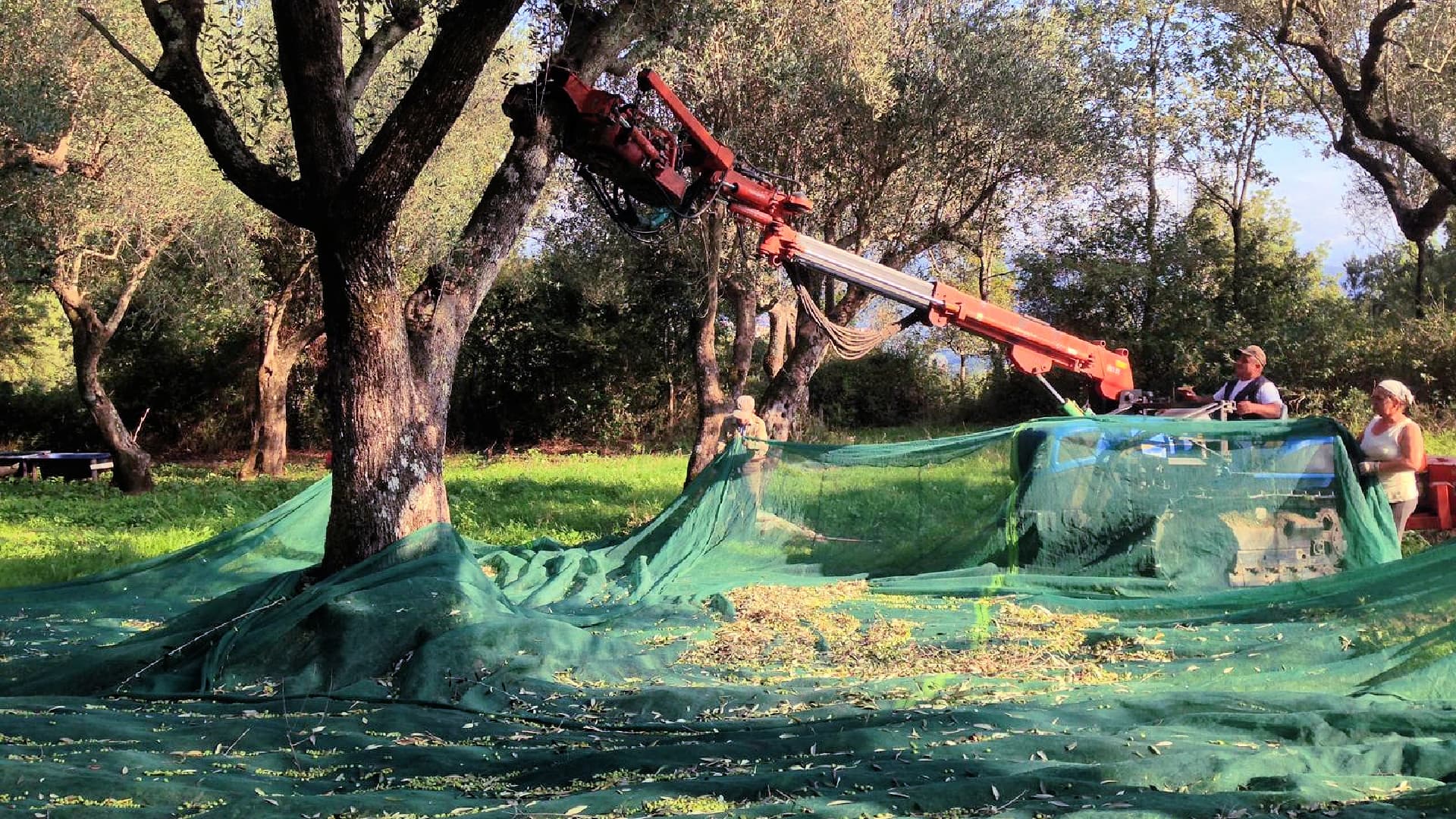
Harvest in the centuries-old olive grove at the Marsicani farm.
The plant is regularly upgraded and equipped with the latest technological innovations, allowing Marsicani and his collaborators to precisely control each phase of the process and quickly access accurate data.
Despite its forward-looking, global approach, Marsicani’s project remains deeply rooted in the rural traditions of the surrounding territory.
“It is not easy to pin down the origins of this company because, in the past, in these poor areas, oil production was closely tied to the family’s livelihood,” Marsicani said. “My family processed both olives into oil and wheat into flour.”
“In a village where donkey-drawn carts were the only means of transportation and sourcing anything from outside was difficult, this was a true service to the community,” he added.
“The earliest documented traces date back to 1928, when my namesake grandfather Nicolangelo registered his ‘agricultural activity and processing of olives into oil’ with the Salerno Chamber of Commerce,” Marsicani said. “But the centuries-old olive grove had been there long before, and so had the mill. Today the historic orchard remains as a witness to that time and as part of our heritage.”
The ancient Pisciottana trees on the property are arranged in a 10-by-10-meter planting layout. As was common in the past, a single plot was meant to support multiple uses, including olives, vegetables and grazing land.
With its upright growth habit and canopy reaching 3 to 3.5 meters, Pisciottana allowed Marsicani’s grandfather to use the space beneath the trees for other activities. The fruit from those trees was transformed into oil at the family mill, alongside harvests from other villagers.
“When I was a kid, my bedroom was right above the mill,” Marsicani recalled. “The old mill was not only a workplace but also a gathering place for travelers in a village that had no tavern, for people coming back from the countryside who wanted to chat. It was, in its own way, a center of community culture with a strong symbolic value.”
During the winter, he said, the mill became a kind of refuge, thanks to the fire kept burning to heat the water used to warm the paste and aid extraction. People would stop by, keep the workers company and sometimes bring them food.
“I remember eating sweet potatoes cooked by adults in the embers,” Marsicani said. “They would drizzle a little freshly pressed oil on top, an oil that was obviously already rancid and full of other defects, as was customary at the time, but it was the ultimate treat, and we all ate it with such joy.”
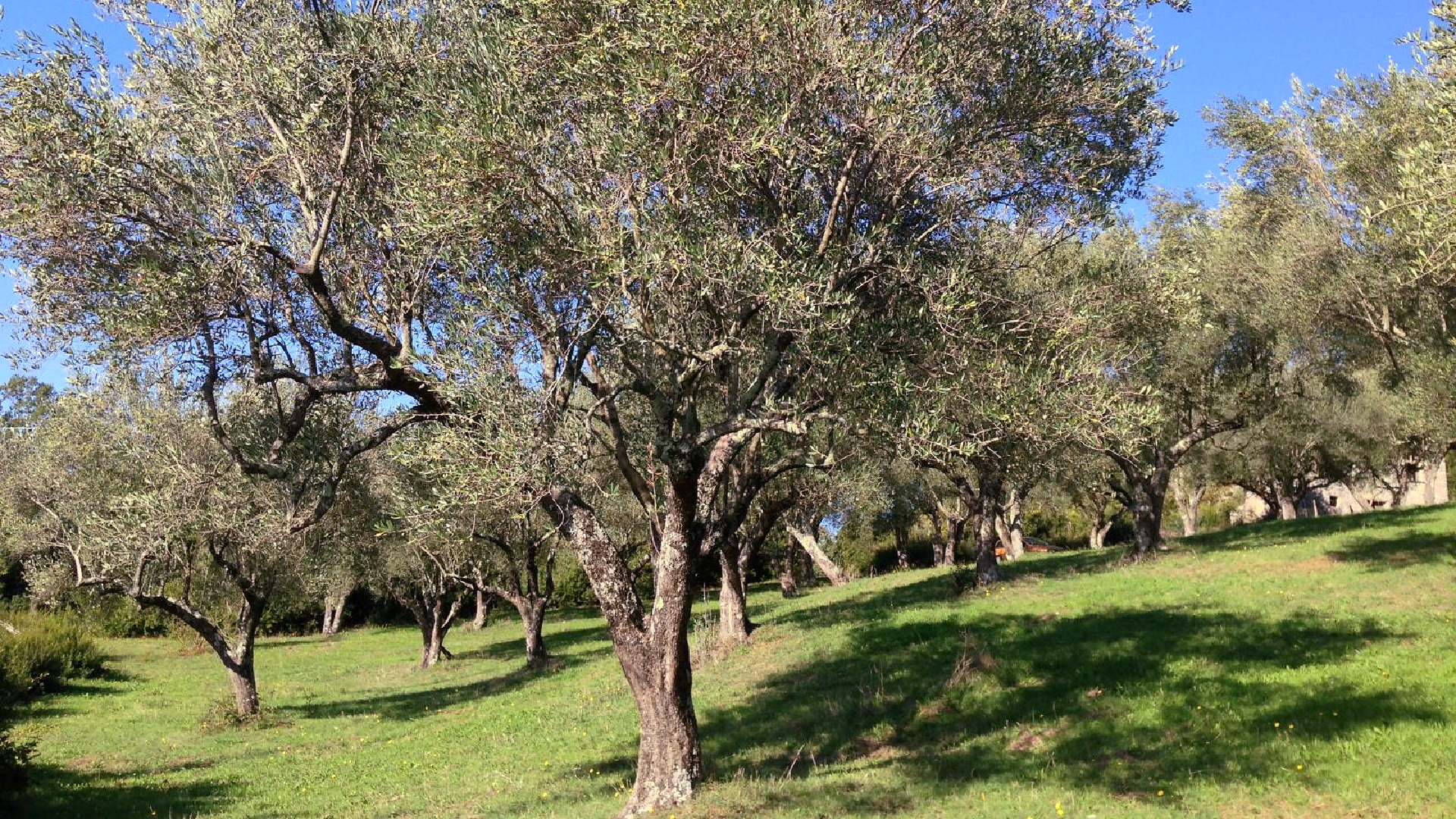
Marsicani’s farm is located in Sicilì, a hamlet of the Campanian village of Morigerati, set within the Cilento, Vallo di Diano and Alburni National Park.
“That world no longer exists, but it remains indelible in our memory and cultural heritage,” he added. “We have replaced it with a clean and safe workplace, new technologies and the highest quality standards.”
As milling techniques evolved, the entire approach to olive growing advanced with them.
After sheep farming and intercropping were abandoned, the endemic olive variety became increasingly difficult to manage due to its size. Coupled with uneven terrain, that made harvesting dangerous.
Marsicani’s father later introduced new cultivars, establishing specialized groves with a rationalized 6-by-6-meter spacing, which remains the standard layout on the 70-hectare property today.
“Alongside Pisciottana, Rotondella, Frantoio and Leccino already present, I planted new groves of Ortice, Itrana and Morcona, expanding the range of sensory profiles available to our customers,” Marsicani said. “Today, we work to integrate traditional and modern olive growing into an advanced model capable of meeting global market demands.”
He said the mill remains a place of cultural exchange, though the conversation now takes place among technicians, tasters and colleagues from Italy and abroad.
They discuss how to achieve the best possible oil profile, refine extraction techniques and improve products, while quickly identifying critical points that may emerge in each olive batch.
“I don’t make oil on my own; we do it as a group,” Marsicani said. “Today my mill is a place where multiple minds and noses come together to push quality further and create ever more distinctive profiles each year.”
“We must always keep a foot in our own soil, have dirty shoes, but also stay attentive to the needs of the market and respond to them wisely,” he added.
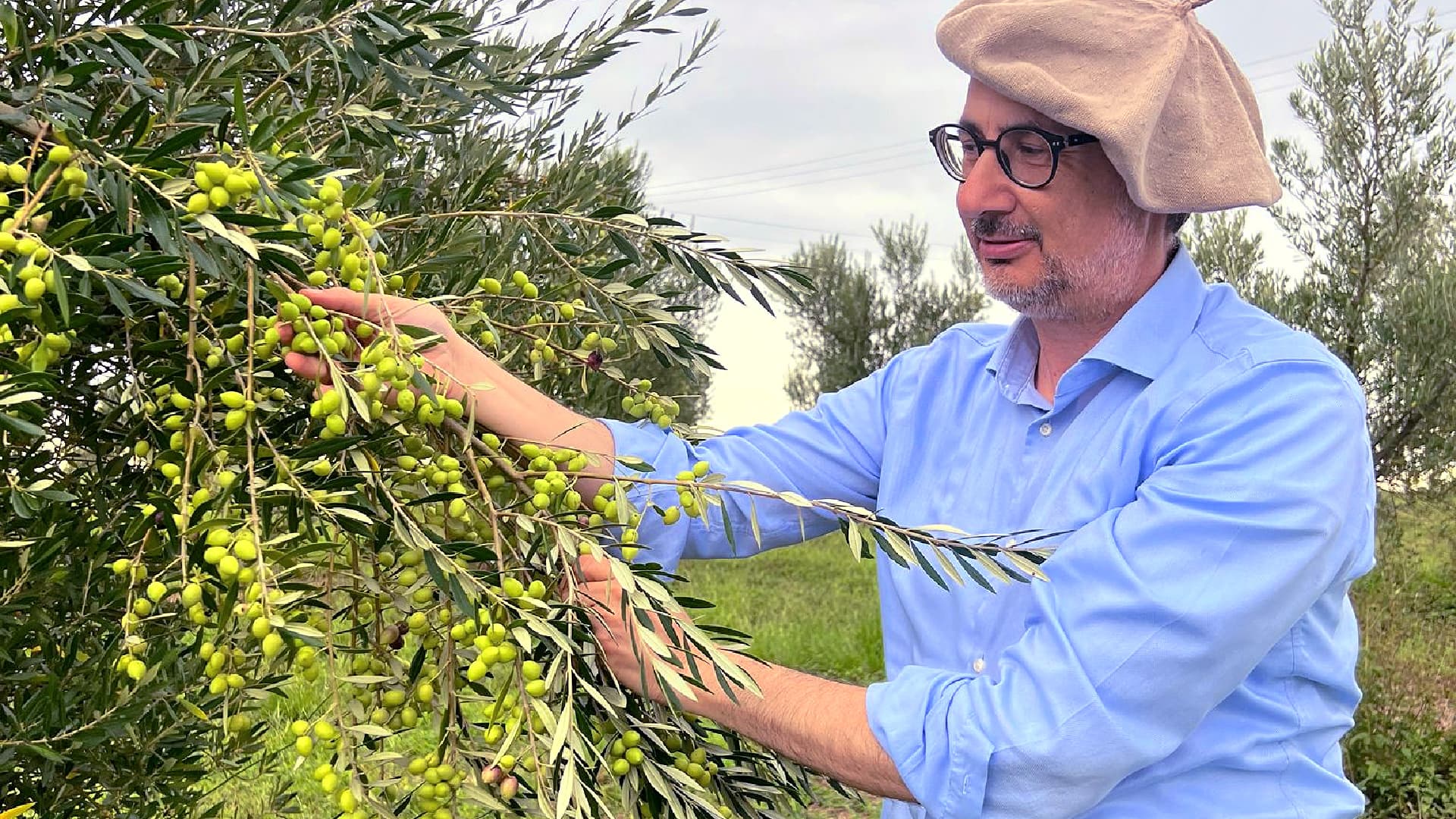
Alongside the Pisciottana, Rotondella, Frantoio and Leccino trees already present on the property, Marsicani planted new groves of Ortice, Itrana and Morcona to create new sensory profiles.
That means seeking a meeting point between technicians’ vision and consumers’ expectations, who increasingly appreciate enveloping, complex aromatic profiles and seek clear health benefits.
“Nonetheless, we growers and millers can do everything to produce the best possible oil, but afterward, we need many passionate people like us,” Marsicani said. “Not only those who know how to market it, but above all those who know how to communicate it, using the right words to connect supply and demand.”
“I believe that how oil is communicated is key,” he added. “More importantly, that communication must always be authentic.”