
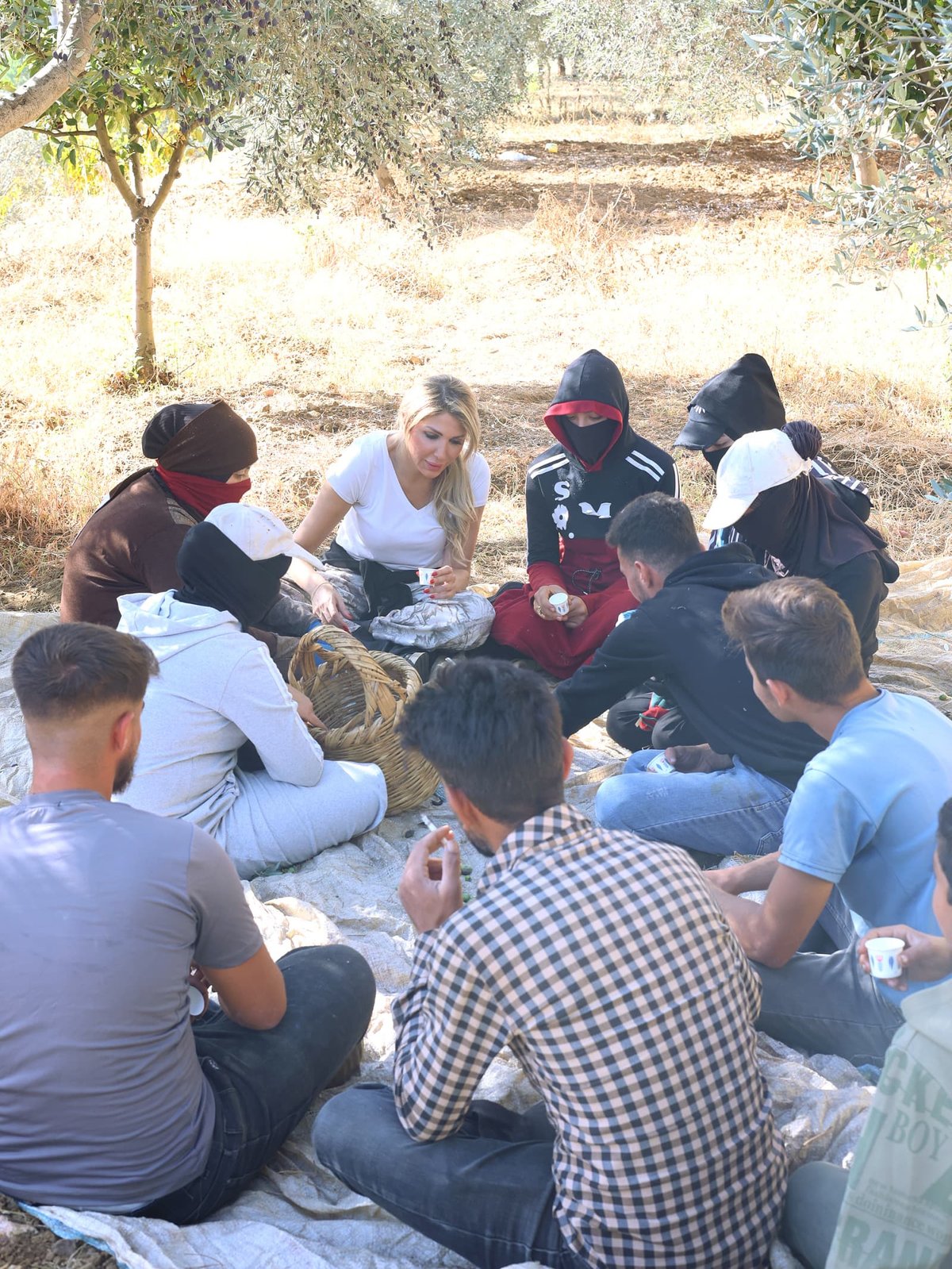
“The high quality of Lebanon’s olive oil is indisputable, and it should be known across the world,” Dalia Yassine, founder of the award-winning Olivello in southern Lebanon, told Olive Oil Times.
Her comments come amid renewed government attention to Lebanon’s olive sector. Agriculture Minister Nizar Hani has called for a national initiative to support olive growers, safeguard product quality and combat fraud.
It’s becoming extremely expensive, to a point that I don’t know if I will be able to actually continue doing this next year.
According to officials of the Lebanese High Agricultural Council, this season’s olive harvest is expected to exceed last season’s by more than 30 percent. With oil yields improving as the harvest progresses, both the Council and the Ministry now forecast 30,000 tons of olive oil production for the 2026/27 crop year.
If confirmed, the forecast would mark a substantial recovery from recent seasons, bringing Lebanese output back to the level recorded in 2022/23 by the International Olive Council.
Farmers in southern Lebanon, where olive groves traditionally account for 30 to 40 percent of national olive production, have been severely affected by Israeli military operations. Inflation and supply chain disruptions have also driven up farming costs nationwide.
With its border with Israel closed, Lebanon relies on crossings with Syria for overland trade. The country has no operational railway, and in some areas, the power grid supplies only a few hours of electricity a day. Supply chains depend heavily on trucking, while Beirut remains the main maritime gateway. Regional instability has also complicated international shipping.
Karim Arsanios, founder of the award-winning Solar in northern Lebanon, said the cost of producing high-quality olive oil is becoming overwhelming.
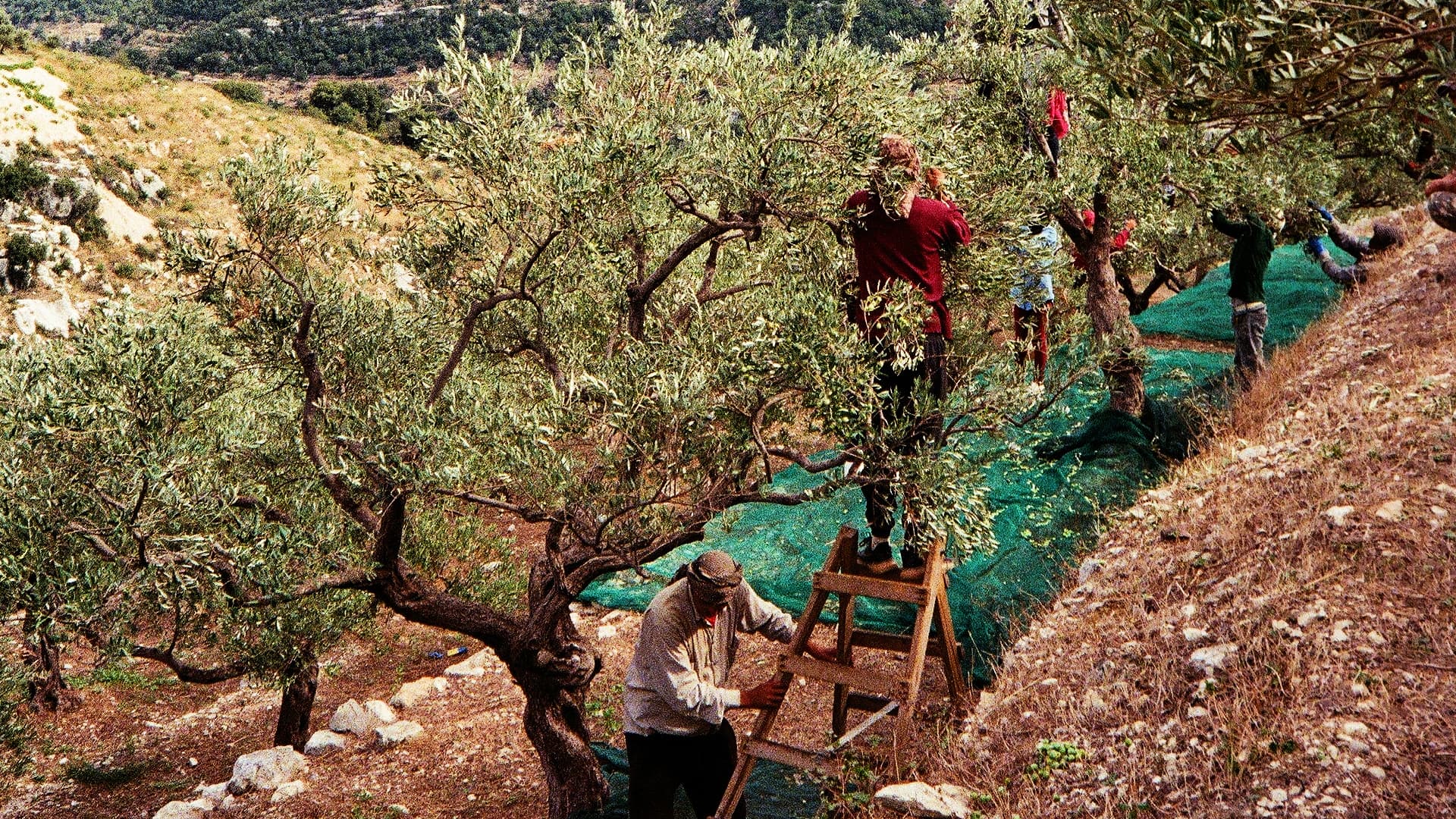
Workers harvest olives by hand on steep hillsides at Solar’s groves in northern Lebanon. Founder Karim Arsanios says rising labor costs are threatening the viability of traditional harvesting methods and could force the award-winning producer to consider mechanization. (Photo: Solar)
“It’s becoming extremely expensive, to a point that I don’t know if I will be able to actually continue doing this next year,” Arsanios told Olive Oil Times.
“Every year, there’s a price increase of 30 percent with workers, and I employ 40 workers for three weeks and more,” he added, referring to Solar’s harvest, in which olives are handpicked and sorted individually.
Solar’s approach to premium olive oil production centers on protecting the local ecosystem and soil biodiversity. However, rising labor costs could force the company to change its harvesting methods.
“I’m thinking it’s either I have to start harvesting with machines, which would be less costly, or I don’t know,” he said.
“There’s no help from the government, and business is not doing as well as it was before because of the inflation, and people are not spending anymore,” Arsanios said. “So I will have to decrease the cost from my end, and if I do that, I’ll be able to decrease the cost to the consumer.”
The Ministry of Agriculture has emphasized the need to expand market opportunities. Hani has called for stronger recognition of Lebanese olive oil through clearer identification of its geographical origin, reliable brands and improved marketing to help consumers understand where the oil they buy comes from.
Hani also called for better practices throughout the production chain and a larger share of olive oil classified as virgin or extra virgin.
He identified greater domestic consumption as another priority, with current consumption estimated at approximately four liters per person annually. In October, Hani met with officials of the International Olive Council in Madrid to discuss further cooperation in the sector.
Exports offer an alternative to the struggling domestic market, but producers say selling abroad brings its own challenges.
Solar currently exports limited quantities to the United States, France and the United Kingdom. The company relies on air freight for shipments of about 400 to 500 bottles, as sea freight is generally more economical for larger volumes.
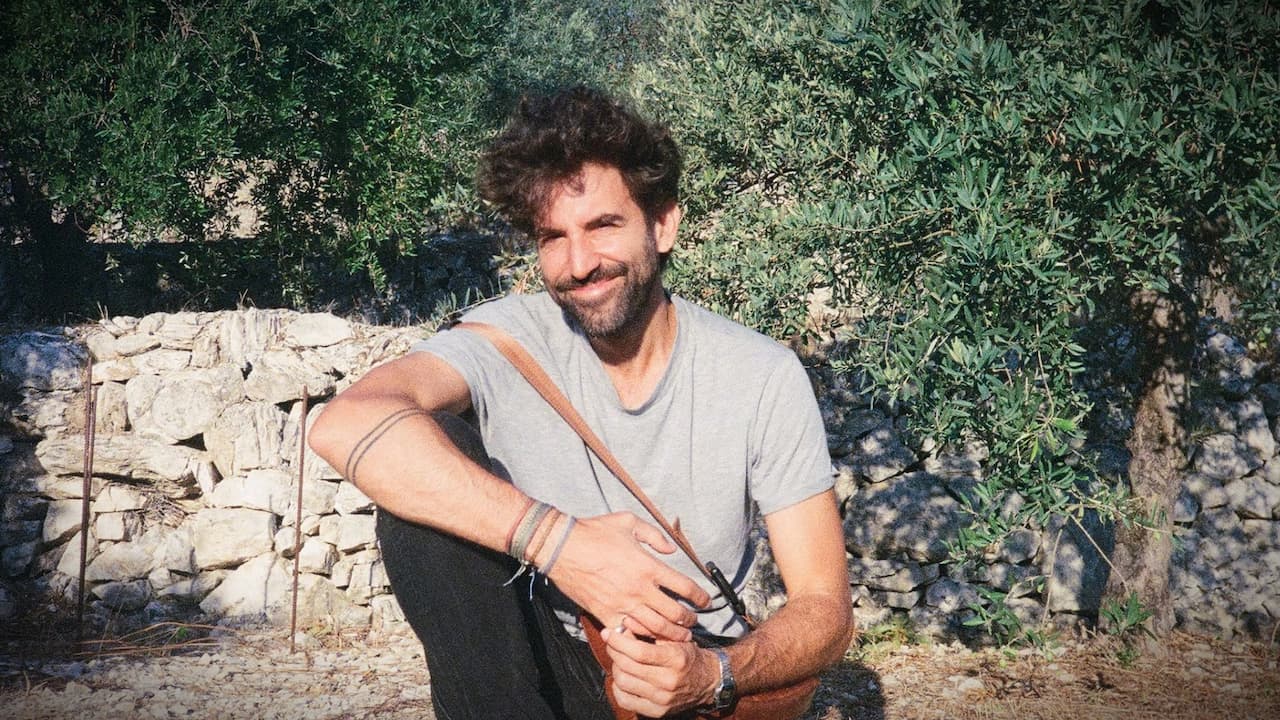
Karim Arsanios, founder of award-winning olive oil producer Solar, in northern Lebanon. Arsanios says rising production costs and shipping expenses are making it increasingly difficult to sustain the company’s premium olive oil production and expand into international markets. (Photo: Solar)
Arsanios said fuel surcharges, tariffs and other shipping expenses have contributed to an approximately 35 percent increase in transportation costs. Even with discounts available through a corporate account with international carriers, he said, small-scale exports have become increasingly difficult to justify financially.
In his view, consumer awareness is improving, particularly in the United States, but many buyers still struggle to distinguish premium oils from less expensive alternatives.
“I feel like most of the world does not really understand what a really high-quality, extra-virgin olive oil is,” Arsanios said.
The company has established a commercial relationship with New York-based Gohar World and continues seeking distributors to expand its presence in the American market.
Despite these commercial pressures, both Solar and Olivello, winners of NYIOOC Gold Awards, reported encouraging results from the latest harvest.
“The new harvest was satisfying, as the olives were very healthy and green,” Arsanios said.
Arsanios said rainfall affected the sensory characteristics of some of the olive oil produced, although batches harvested before the heaviest rains delivered excellent results.
“I think the olive oil I have is extremely good this year as well,” he said.
He explained that about 15 percent of the harvested olives are excluded from premium production. Rather than being discarded, they are sold or milled separately, with some of the resulting oil supplied to local restaurants.
Yassine reported similar results in the south, where Olivello is also contributing to an olive tree replanting effort in collaboration with the Ministry of Agriculture.
“When we succeed in a sale, we buy an olive tree and plant it on land where we can help farmers,” Yassine said.
Olivello operates its own mill and stores its freshly produced olive oil in stainless steel containers under controlled conditions.
Although Olivello’s olive trees in the Jezzine area were not directly affected by Israeli strikes, many other groves in southern Lebanon were damaged, burned or uprooted.
Yassine said the damage and restrictions on land access threaten farmers who depend on olive growing for their livelihoods. “My first priority now is helping the south,” she said.
Lebanese authorities and international organizations have documented the extent of the damage. According to figures presented by Hani in late October, Israeli military operations have affected approximately 56,000 hectares of agricultural land in southern Lebanon.
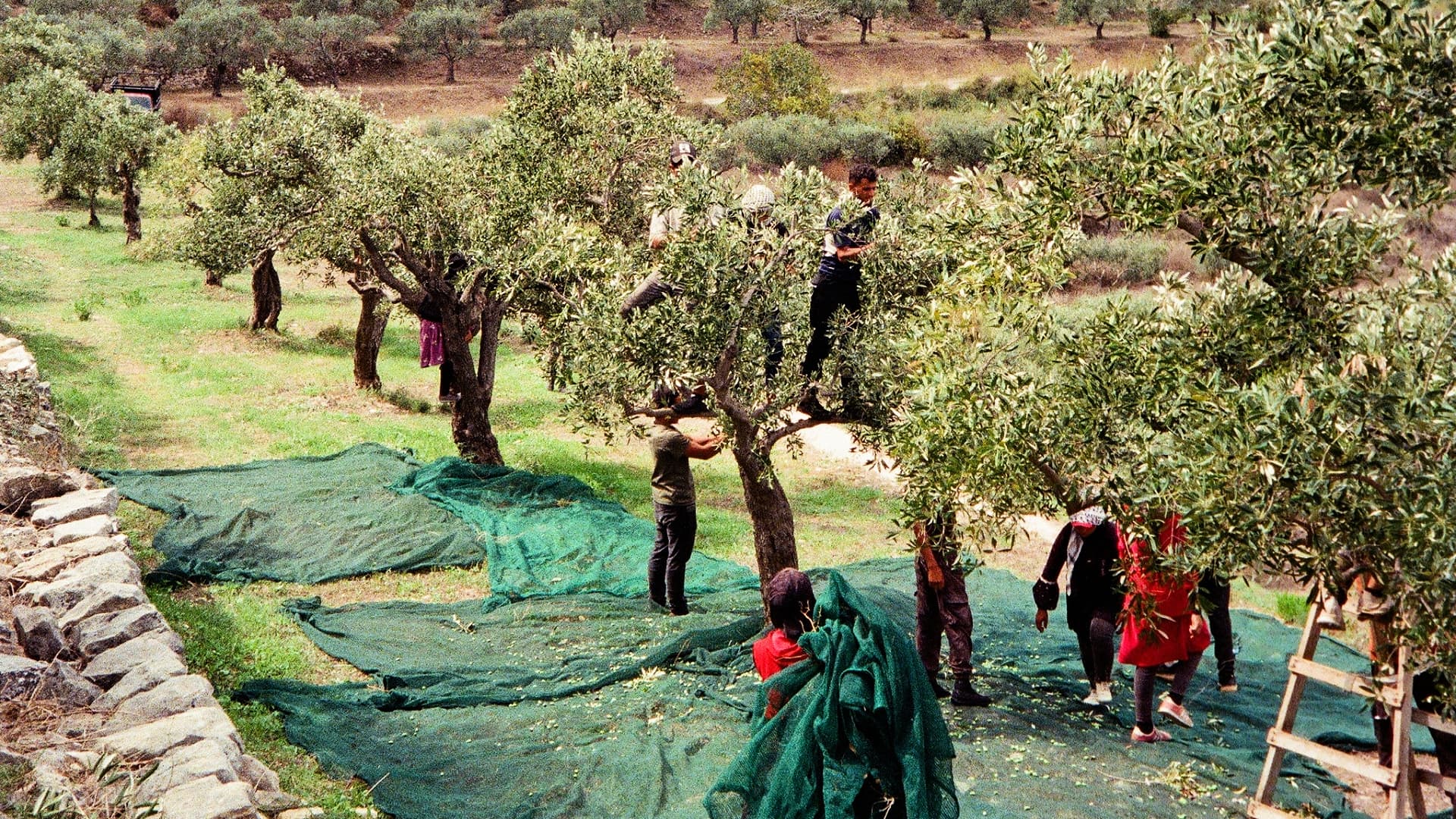
Solar founder Karim Arsanios says rising labor costs are putting pressure on traditional harvesting practices even as the latest crop has delivered encouraging results. (Photo: Solar)
According to Yassine, “The Ministry of Agriculture is working a lot in all the fields of agriculture in Lebanon. They are now focusing on olive oil and the trees and on how to help the farmers.”
The ministry has also reported distributing battery-powered olive-harvesting equipment to growers.
Yassine said the situation has reinforced her determination to use Olivello’s growth to support other producers. “We need to support each other,” she said.
Like Solar, Olivello faces rising costs, particularly for fuel and agricultural inputs, as Lebanon continues to experience severe economic pressures.
Yassine said Olivello currently sells mainly in Lebanon but receives inquiries from prospective customers in the United States, Qatar and Kuwait. She is working to establish relationships with distributors who could bring the company’s extra virgin olive oil to additional markets.
“I feel that exporting is the only solution, but again, prices are so expensive, so I don’t know how I will adjust,” Arsanios said.
He believes building consumer trust is particularly important in a market where concerns about olive oil fraud and adulteration can complicate purchasing decisions.
“I feel that the most direct way and safest way [to buy high-quality olive oil] is to actually know the producer who is actually doing the work,” he said.