
The NYIOOC World Olive Oil Competition has announced changes to how it ships awards to winners in the European Union, introducing new customs documentation and pledging to cover charges on trophy shipments.
The decision follows reports from Croatian olive oil producers who faced unexpected customs duties and import VAT when receiving medals and trophies they had earned at the international competition.
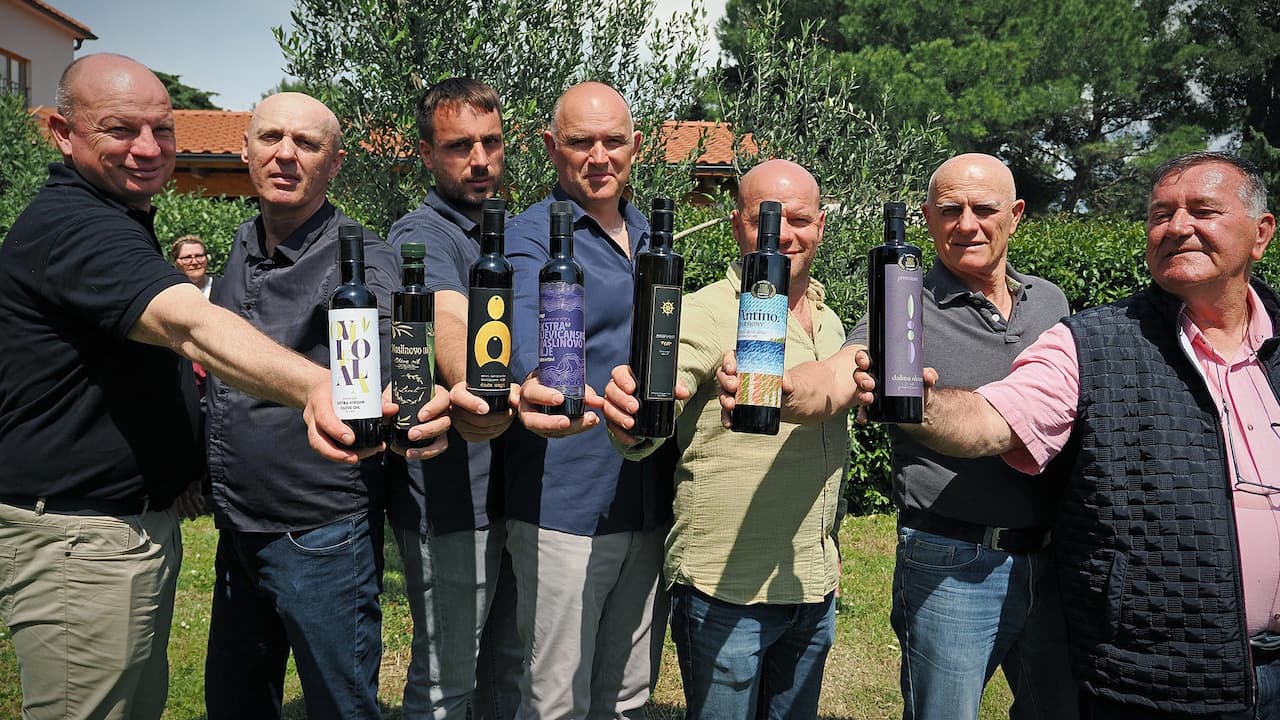
At the 2026 NYIOOC World Olive Oil Competition, Croatian producers won 128 awards from 144 entries, including 103 Gold Awards and 25 Silver Awards. Croatia finished second behind Italy in total awards, achieving a success rate of nearly 89 percent.
However, for some producers, the satisfaction of receiving international recognition was diminished by administrative obstacles and additional expenses when their awards arrived.
Because the trophies and medals are shipped from the United States, their manufacturing value must be declared on customs documents. Customs authorities have sometimes classified the packages as commercial imports, resulting in bills for customs duties and VAT.
Under Council Regulation (EC) No. 1186/2009, qualifying honorary awards, including medals and trophies of a symbolic nature, may be imported free of customs duties when the necessary evidence is provided and the shipments are noncommercial.
A separate provision, Article 58 of Council Directive 2009/132/EC, provides similar relief from import VAT for qualifying honorary awards.
In practice, however, establishing eligibility for these exemptions has sometimes proved difficult. Faced with lengthy appeals and the possibility of having their awards returned to the sender, many producers chose to pay the charges.
New documentation and financial protection
Following media reports highlighting the difficulties award winners in Croatia and neighboring countries faced, NYIOOC organizers decided to revise their shipping procedures for recipients throughout the European Union.
Each shipment will now include an official NYIOOC certificate documenting the international recognition and identifying the corresponding trophy. The additional documentation is intended to help customs authorities distinguish the awards from commercial merchandise.
Organizers have also committed to covering any customs charges that may still be assessed on award shipments.
“With these changes, NYIOOC will cover any customs charges on award shipments so producers will not have to pay them,” said Curtis Cord, director of the NYIOOC World Olive Oil Competition. “We believe this decision, together with the new customs documentation, will spare our winners unnecessary costs and administrative burdens.”
The measures are intended to provide greater certainty for award winners in Croatia and other EU countries, including Slovenia, by simplifying customs clearance and protecting recipients from unexpected charges.
Producers welcome the decision
Croatian olive growers welcomed the announcement, saying it would remove an unnecessary burden from producers whose awards help promote the country’s olive oil industry internationally.
Ivica Vlatković, an olive grower from Novigrad in Dalmatia and one of Croatia’s most decorated NYIOOC participants, described the decision as an important step forward.
“Every olive grower will welcome this because we were being charged additional costs for awards recognizing our work and the quality of the olive oils we produce,” Vlatković said.
He emphasized that success at the international competition brings recognition not only to individual producers but also to their counties, regions and the country as a whole.
“Every year, we help Croatia gain recognition as a country that produces high-quality olive oils among the world’s olive oil-producing nations,” he said.
Vlatković said he appreciated the organizers’ recognition of the effort required to achieve exceptional quality, noting that the competition relies on leading international sensory experts to evaluate the oils.
“It is unfortunate that our own country has been charging duties on awards that promote the quality of its own producers,” he said.