A Pioneering Blind Sensory Panel in Tunisia
A group of young blind Tunisians seeks certification of its tasting panel program.
An effort is underway in Tunisia to certify the first sensory analysis panel composed entirely of blind people.
The panel formed in the city of Sfax and was led by Mariem Gharsallaoui, a researcher at Tunisia’s Institut de l’Oliver.
We hope… to be the first sensory analysis panel made up of blind people and approved by the IOC.
“The animation of a tasting panel for the blind is an excellent experience which requires a lot of effort and creativity to make these young people understand the composition of olive oil and the basic concepts of tasting,” Gharsallaoui told Olive Oil Times.
“The greatest difficulty we have encountered is to find a method to express the perception of blind tasters of the different attributes (positive and negative), especially since the use of the profile sheet of the International Olive Council (IOC) is not possible for our tasters,” she added.
See Also: Olive Oil EducationTo that end, Gharsallaoui and her colleagues at the Institut de l’Oliver are in the process of developing an alternative digital method for certification. Once complete, they will seek the IOC approval.
“We hope, after evaluation and approval of the new digital method of describing the aromatic profile by the International Olive Council, to be the first sensory analysis panel made up of blind people and approved by the IOC in the world,” she said.
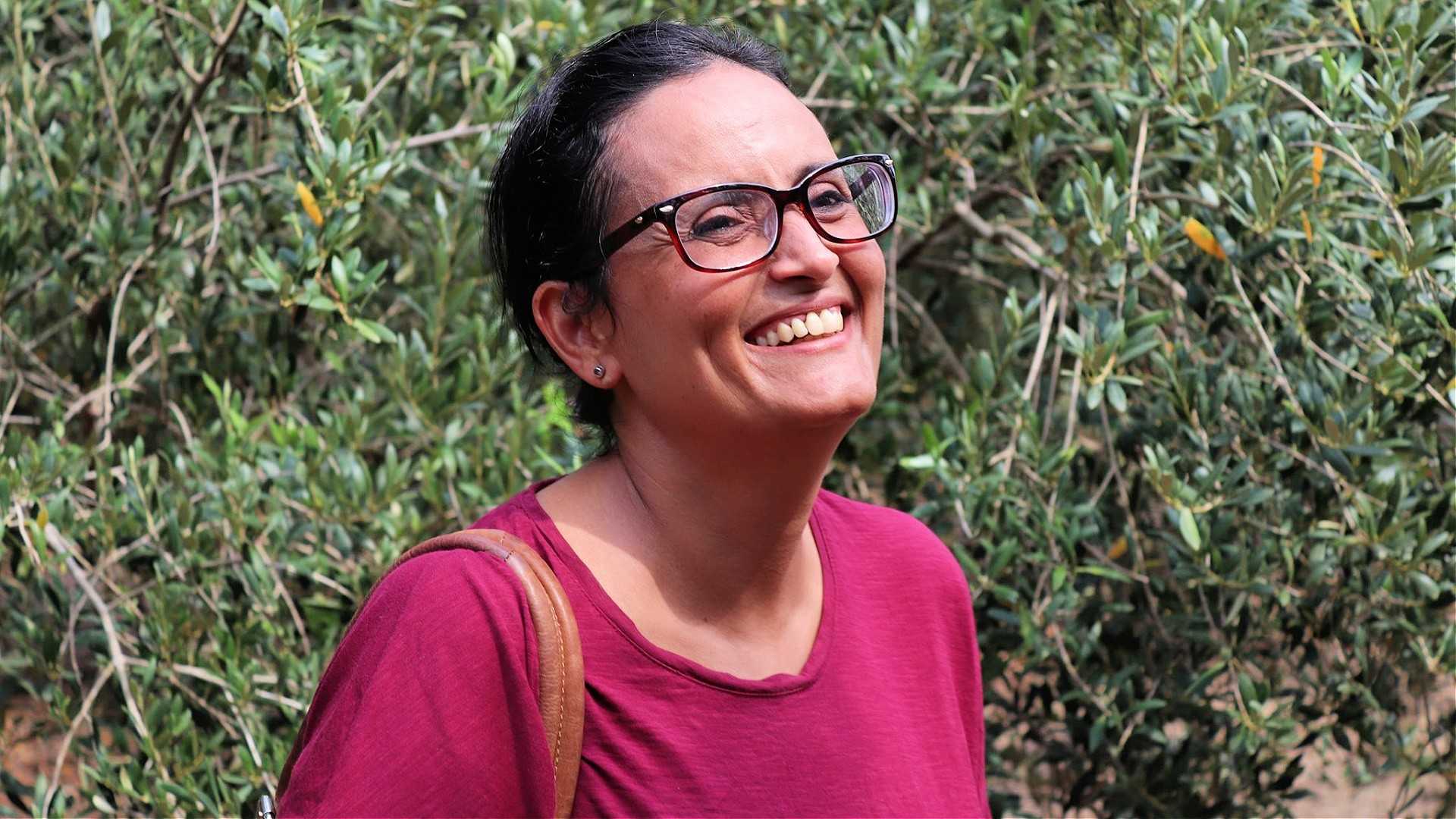
Mariem Gharsallaoui
The IOC did not respond when asked if it would approve the digital method.
According to research from the Wu Tsai Neurosciences Institute at Standford University, the deprivation of one sensory input within the brain leads to a series of events that allow the other senses to fill the unoccupied roles.
Gharsallaoui said she observed this within the sensory panel, noting that the participants had a keen sense of smell and taste.
“Compared to tasting panels composed of people with all five senses intact, I noticed that the senses of taste and smell are better developed and that their olfactory memory is very rich,” she said. “Their descriptions of flavor profiles are very detailed and they use specific terms.”
Gharsallaoui added that leading the tasting panel for young bling people had been one of her dreams.
“From this experience, I learned that the handicap does not prevent [people] from excelling in any field,” she said.