Brazilian Producer’s Long Pursuit of Olive Oil Excellence Pays Off
After nearly three decades of experimentation, Tenuta do Bosque earned four NYIOOC awards, marking a milestone for its founder and Brazil’s emerging olive oil industry.
Brazilian producer Tenuta do Bosque earned two Gold Awards and two Silver Awards in its debut at the 2026 NYIOOC World Olive Oil Competition with three monovarietals and one blend.
For founder Rogério Khmayis, the success marks the culmination of nearly three decades of agricultural research, experimentation, trips to Europe and a lifelong passion for olive trees.
“I was born under an olive tree in the Middle East. My mother was afraid of the bombings during the war and would seek shelter beneath a thousand-year-old olive tree,” Khmayis told Olive Oil Times. “When I went to Italy to study veterinary medicine, I saw olive trees everywhere and dreamed of having a farm of my own. When I came to Brazil, I wondered why there were almost no olive trees here.”
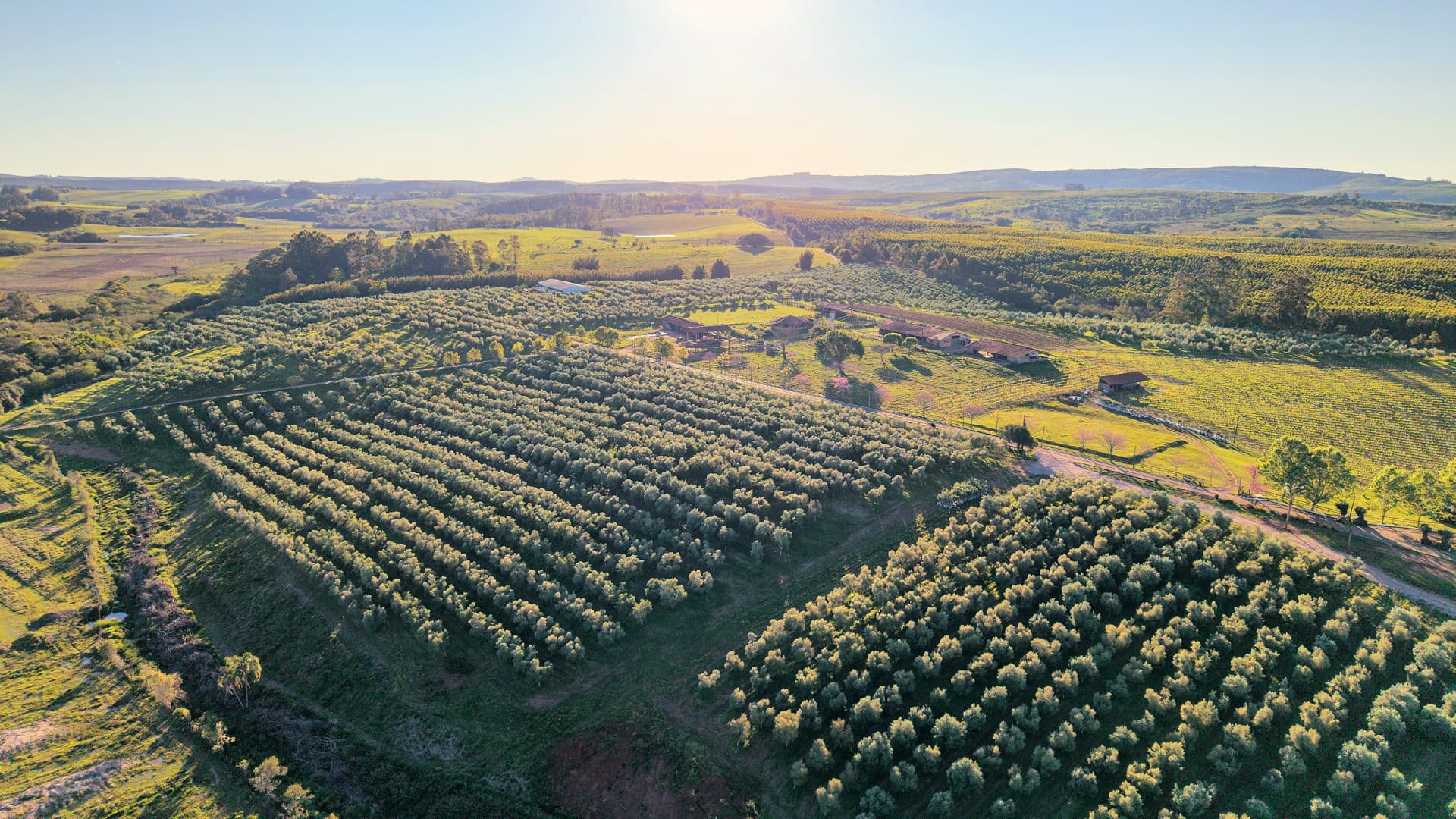
Olive groves stretch across the rolling hills of Tenuta do Bosque in Guaíba, Rio Grande do Sul, where nearly three decades of experimentation have helped establish an award-winning olive oil operation.
Khmayis spent part of his youth in Sicily, studying veterinary medicine in Messina and living near Milazzo, where olive groves, vineyards, and citrus orchards made up the agricultural landscape.
“There was sunshine, there was water, there was everything. There were vineyards, just like in Italy, but there were no olive trees,” he recalled.
“When I asked people why they did not grow olives, they told me it was not possible. But I kept asking: if they can produce olives in Uruguay, Chile and Argentina, where the conditions are similar, why couldn’t we do it here?”
By the late 1990s, Khmayis had begun experimenting with olive cultivation on his property in Guaíba, Rio Grande do Sul, where he also raised cattle and goats.
“Everybody thought I was crazy. They called me ‘o louco da oliveira’, the crazy olive tree man,” he said. “Nobody believed those trees could grow here. I did not have the technology or the experience, and when I asked for help, people did not take me seriously.”
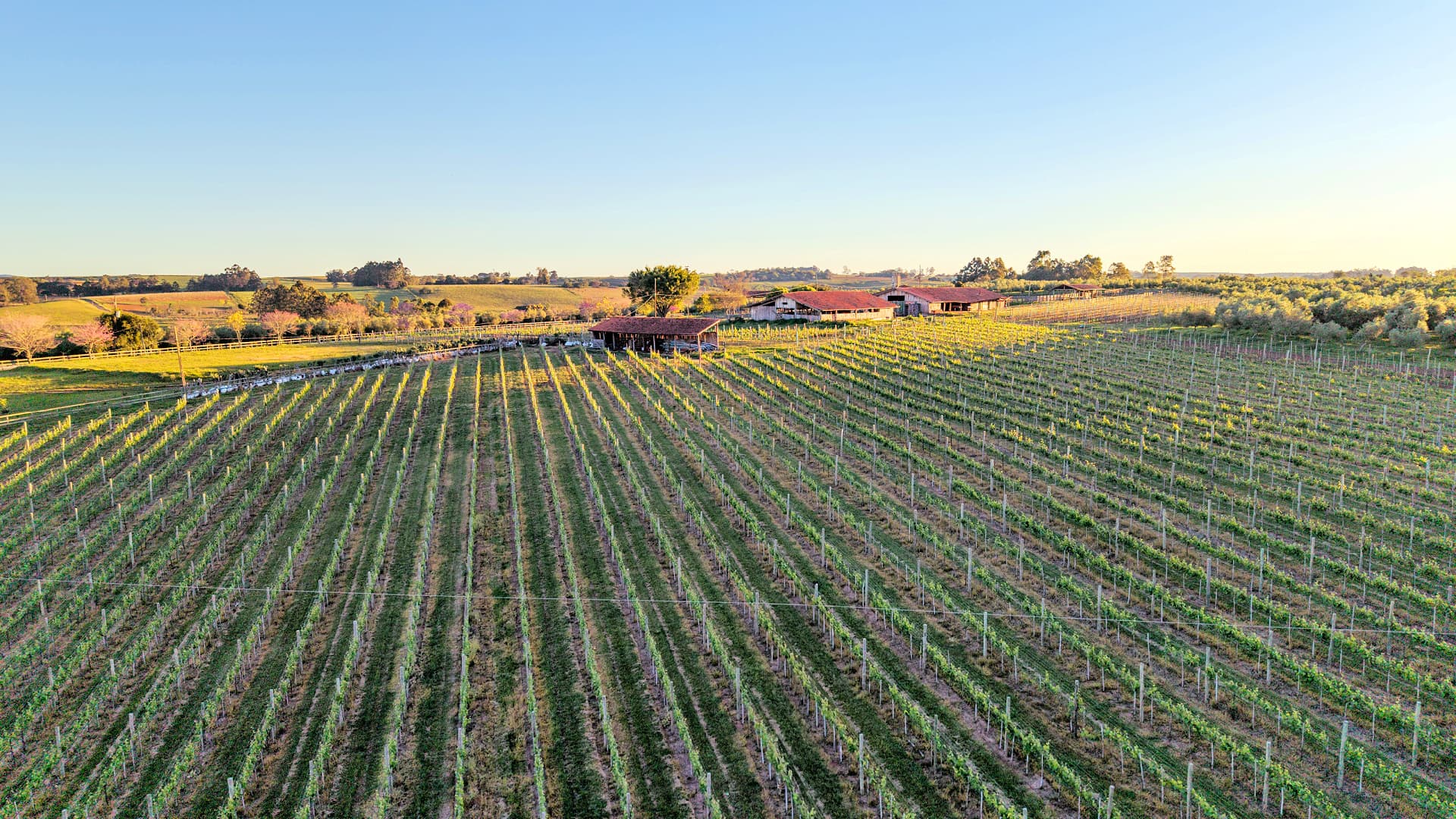
Rows of grapevines stretch across a hillside at Tenuta do Bosque in Guaíba, southern Brazil, where olive cultivation is part of a diversified agricultural operation that also includes vineyards and ranching.
Khmayis imported young olive trees from Italy and the Middle East and tested them in different soils. On one occasion, he brought about 500 saplings to Brazil and lost nearly half.
“I spent ten years trying,” he said. “I used to go around asking people whether I could plant a few trees near their homes, so I could test different soils and understand how the plants reacted. I imported many trees and gave many of them away.”
Frantoio was among the first varieties he tried, but its chilling requirements proved challenging. On the advice of an Italian specialist, he began experimenting with Arbequina, eventually adding Picual and the Greek variety Koroneiki.
Today, Tenuta do Bosque manages about 50 hectares of olive groves, with another 20 hectares under cultivation. Khmayis said the estate has about 3,000 mature, productive olive trees, alongside its vineyards and ranching operations.
Beyond its principal cultivars, the farm is experimenting with Nabali, a traditional olive variety grown in the Levant, particularly in Palestine and Jordan.
“Its elegance and superb flavors are exceptional,” Khmayis said. Production remains limited, and the estate uses most of the resulting oil in its blends.
The olive groves are cultivated without irrigation, relying on the area’s rainfall and naturally sloping terrain, which provides drainage.
For years, the lack of nearby milling facilities prevented the estate from fully controlling its olive oil production.
“We had to take our olives as far as 200 kilometers away to have them processed,” Khmayis said. “It was an enormous amount of work. Sometimes I thought it was better to sell the olives and produce only a small quantity of olive oil. Until last year, the people who bought my olives were the ones winning awards,” he added.
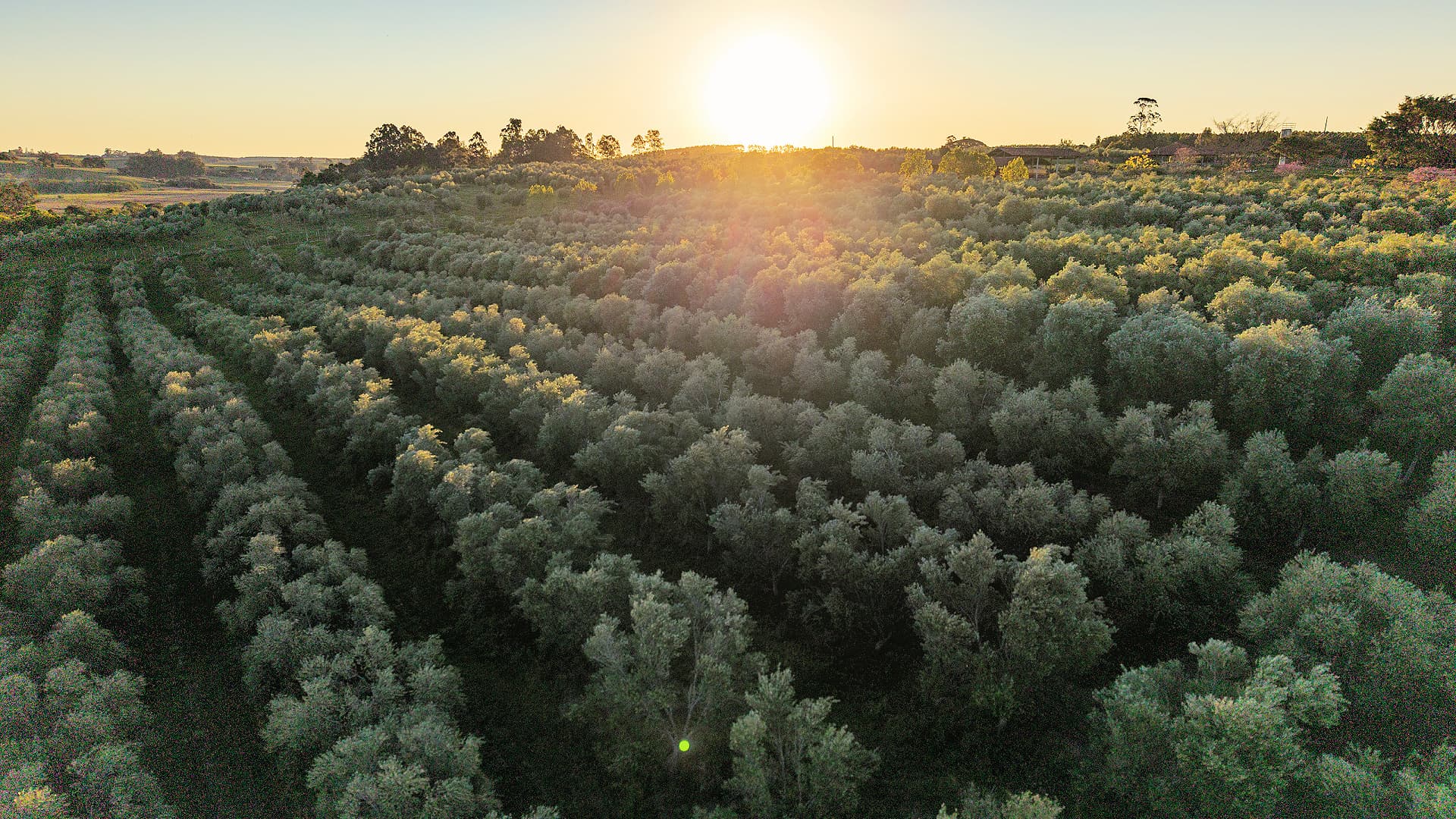
The sun sets over the olive groves of Tenuta do Bosque in Guaíba, southern Brazil, where founder Rogério Khmayis has spent nearly three decades developing olive cultivation.
A turning point came with the investment in a modern olive mill at the estate, which began operating in 2026. The facility can process 1,500 kilograms of olives per hour, allowing the company to control extraction directly and sharply reduce the time between harvesting and milling.
“Now we pick the olives and within two hours we are already making olive oil,” Khmayis said. “This changes the quality of the oil. That is why we were so happy to win the Gold Awards in New York. It is the result of our work.”
Other producers have expressed interest in using the estate’s equipment, and Tenuta do Bosque plans to make its milling facilities available to them beginning with the next harvest.
Despite the new mill, high energy costs, a shortage of seasonal pruning workers, and unpredictable weather remain significant challenges.
“The greatest problem, frankly, is the climate and the water,” he said. “We have had too much rain. September and October are especially important because of flowering, and excessive rainfall can damage production.”
Nevertheless, Khmayis described the 2026 season as one of the region’s best harvests in recent history, consistent with the broader recovery in Brazilian olive oil production.
Addressing these challenges also requires investment in technology and specialized expertise. Khmayis said harvesting equipment can cost several times more in Brazil than in Europe. The company has also introduced drones for agricultural treatments.
“With a tractor, some treatments could take ten days,” he explained. “With a drone, we can complete them in one or two days.”
He also emphasized the importance of specialized agronomic knowledge, which was largely unavailable locally when he began his experiments.
“Olives are not corn or rice. You need technology, you need experience,” Khmayis said. “It is not enough to take a course. You have to go where olives have been grown for centuries and learn directly from that experience.”
Khmayis has also investigated Guaíba’s olive-growing history.
According to Khmayis, people planted olive trees in the area as early as the 1950s, and at least one still survives. Research he conducted with a friend at a museum in Porto Alegre uncovered historical records of earlier attempts to introduce olive cultivation to the municipality.
Working with local authorities, he has promoted a project to plant 100 olive trees in public spaces in Guaíba. He said 17 have already been planted, while others have been donated to local schools.
“I want to teach children what an olive tree is,” he said jokingly. “Maybe then their parents will start buying olive oil.”
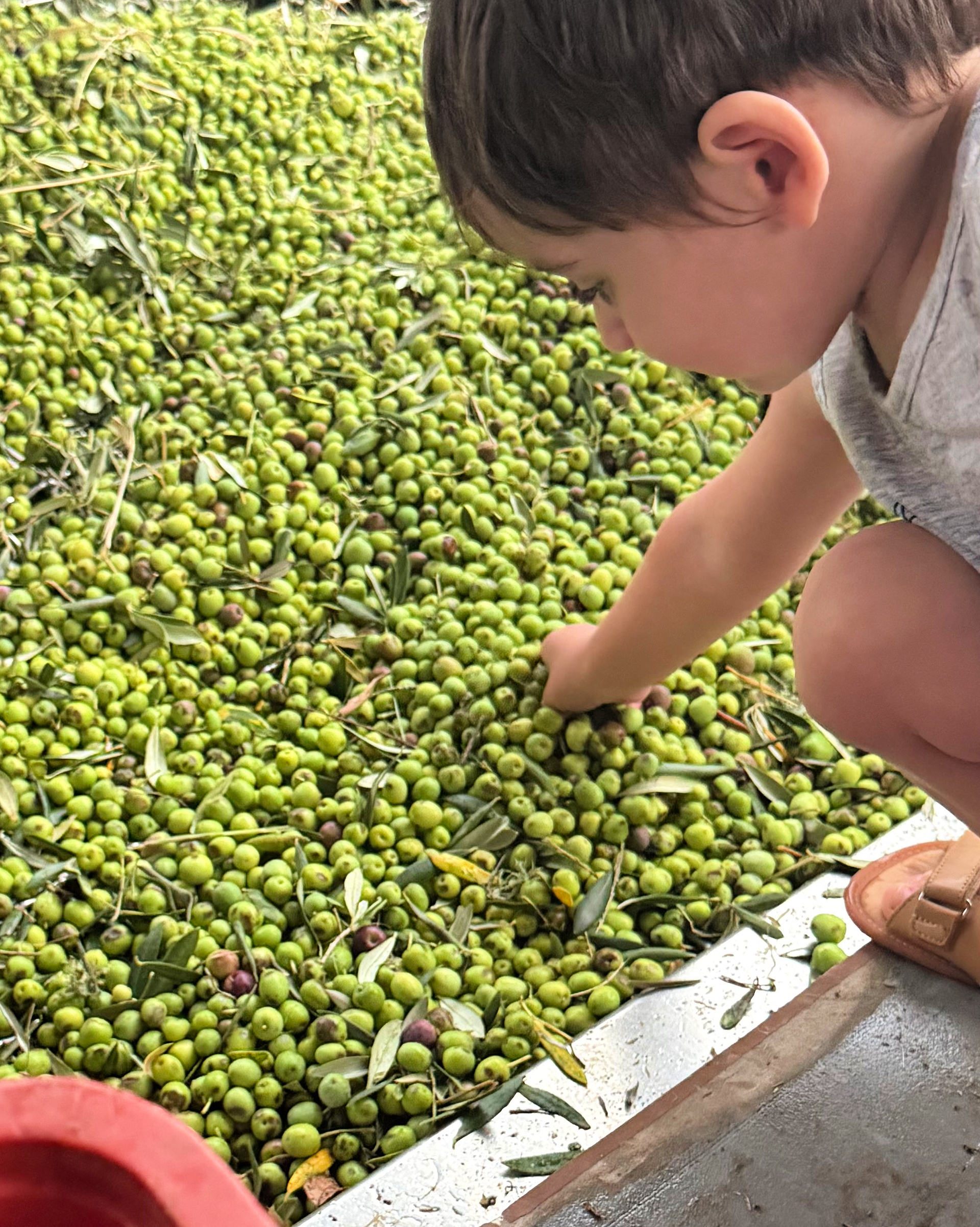
A young visitor explores freshly harvested olives at Tenuta do Bosque in southern Brazil. “I want to teach children what an olive tree is,” founder Rogério Khmayis said. “Maybe then their parents will start buying olive oil.”
Introducing consumers to olive trees and the qualities of extra virgin olive oil is also central to the estate’s plans to develop oleotourism.
Khmayis’s daughter, Yasmin Sabioni, who oversees the development of these activities, said the estate has already organized harvest days that attracted considerable interest from local visitors.
“I think people are learning,” she told Olive Oil Times. “They don’t know exactly the differences between olive oils, but the learning process has begun.”
“When we go to events, we offer tastings of each olive oil because, for many people, it is all just olive oil,” she added. “But when they taste different types, they always say, ‘I prefer this one, I prefer that one.’ Some prefer fruity oils, others like something spicier or more piquant. Then they begin to develop their own preferences.”
The company is planning additional events featuring olive oil tastings, food pairings and estate visits.
“Consumers may therefore discover quality extra virgin olive oil and understand the value of locally produced premium products,” Sabioni said.
“They need to start somewhere,” she concluded.