
Montenegro’s national funding program to modernize its olive sector was exhausted months ahead of schedule for the second consecutive year, reflecting growing demand for investment in the country’s olive groves.
The 2026 call for investments in primary olive production was scheduled to remain open from April 20 through October 30. Instead, the Ministry of Agriculture closed it on June 12 after demand exceeded the available funding. In 2025, the same program closed on August 7 for the same reason.
Our task is to modernize the way we produce, not to change or destroy what previous generations have left us.
Eligible investments in 2026 included irrigation, rehabilitation of neglected groves, reclamation of uncultivated land and certification of planting material. Investments could range from €500 to €10,000, with public support covering up to 60 percent of costs. Registered organic producers and women registered as heads of agricultural holdings could each qualify for an additional 10 percentage points of support.
“Olive oil production is very popular in Montenegro now,” Marija Markoč, executive director of the House of Olives in Stari Bar, told Olive Oil Times. “Successful people in some other businesses, people that have private companies, also like to get involved with agriculture and olive production.”
Markoč said some of that investment is concentrated in central Montenegro, where new semi-intensive olive plantations are expanding into areas traditionally devoted to vegetables, vineyards and other fruit crops.
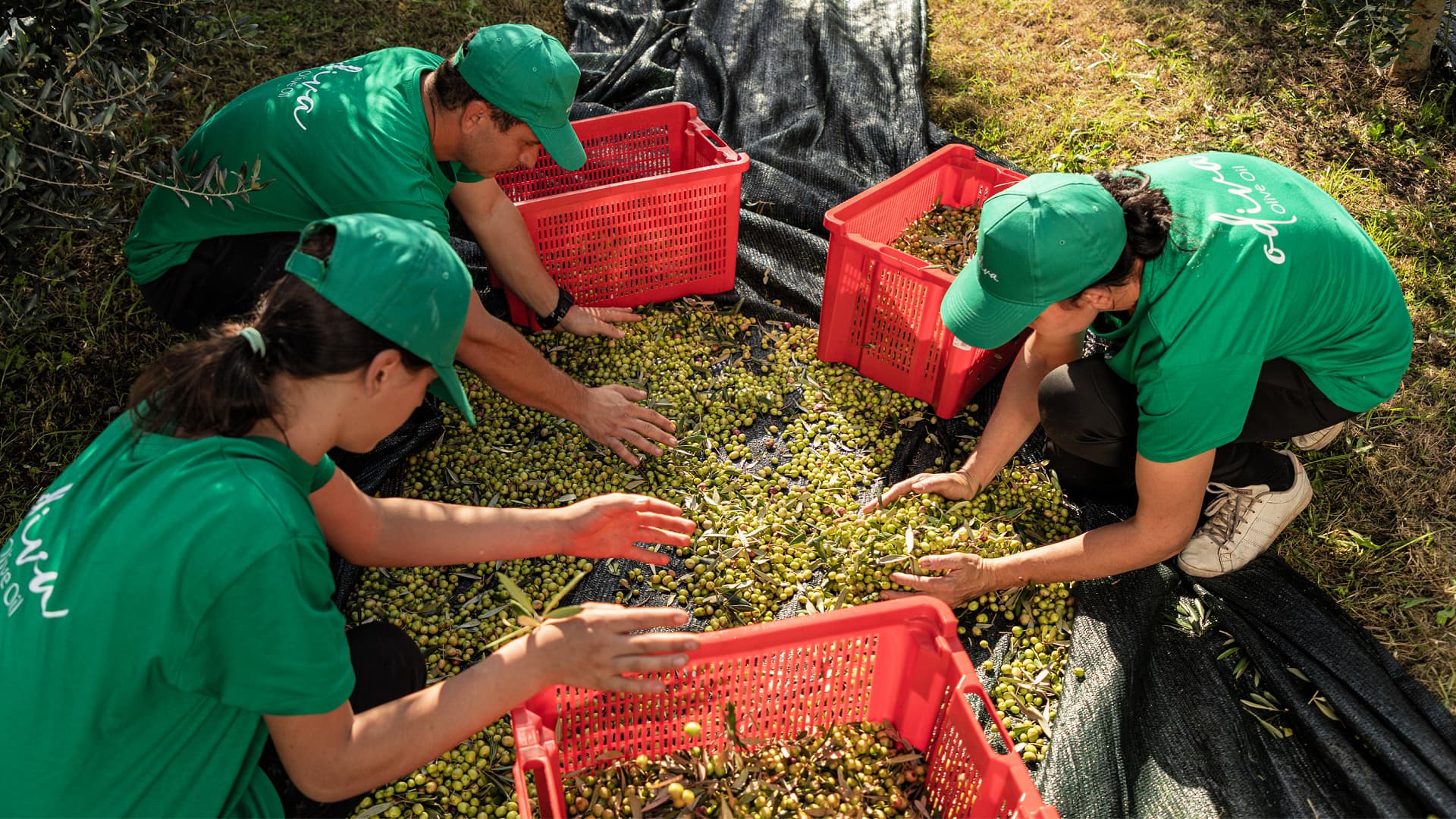
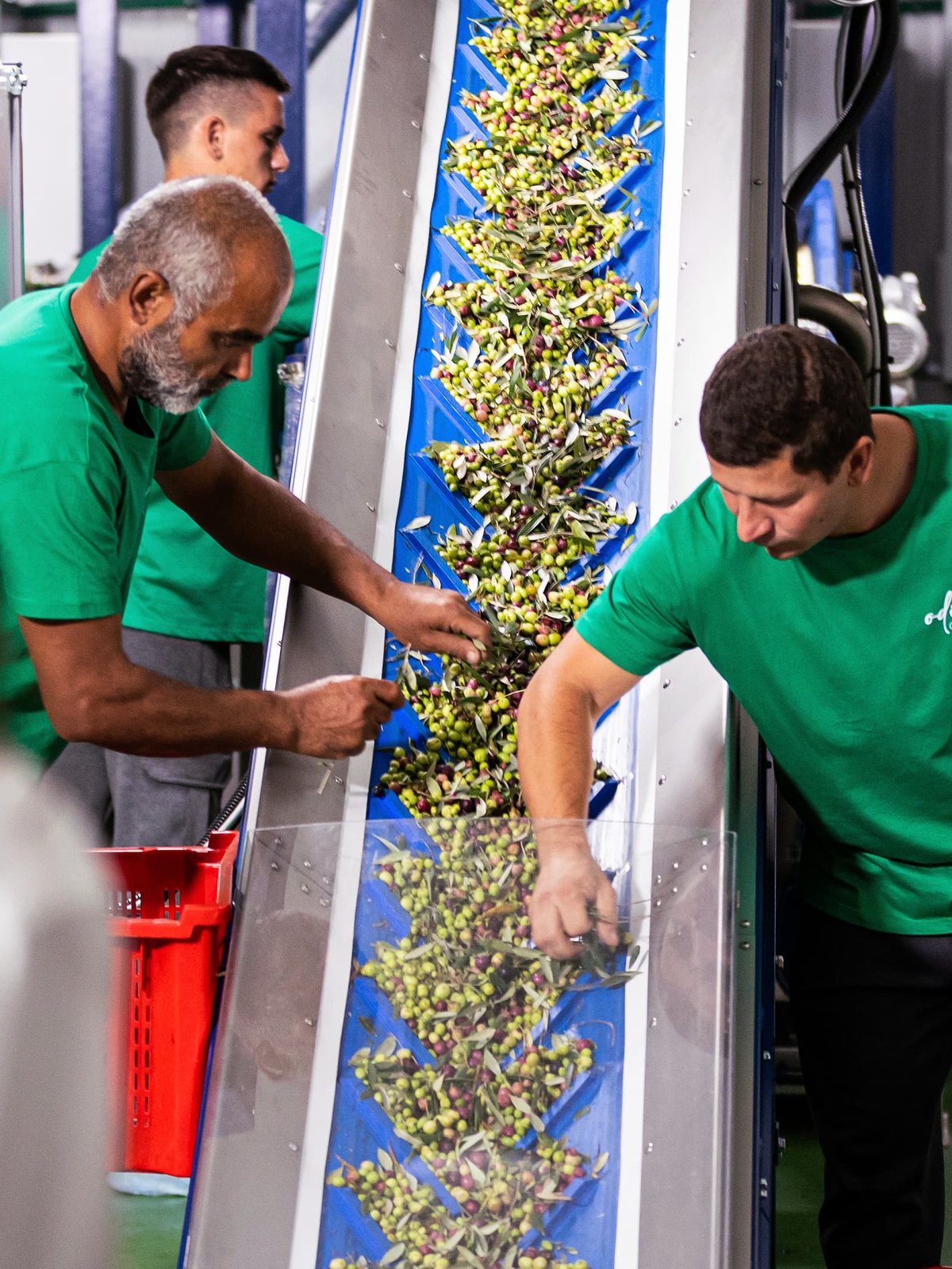
Workers sort freshly harvested olives at Odiva in Montenegro, where investments in modern production and processing are helping strengthen the country’s olive oil sector. (Photo: Odiva)
She said stricter quality requirements have also helped change producers’ attitudes. Montenegro adopted its current olive-growing and olive oil law in 2014 and amended it in 2016 to further align national rules with European Union standards as the country advances toward E.U. accession.
Markoč said many growers and millers initially resisted the stricter requirements because they lacked equipment and technical knowledge.
“They were not ready,” she said. “They didn’t have the equipment. They didn’t have the knowledge.”
Over time, growers began harvesting healthy fruit directly from trees rather than waiting for it to fall, while mills adopted centrifuges, cold extraction and stricter hygiene standards.
“In the central part of Montenegro, particularly around Podgorica, Zeta, Tuzi and Danilovgrad, new olive groves are being planted, modern processing capacity is being built and modern principles of cultivation and olive oil production are being adopted,” Ćazim Alković, president of the Bar Olive Growers Association, told Olive Oil Times.
“At the same time, on the Montenegrin coast, where olive growing has a centuries-old tradition, we are seeing positive developments in the restoration of neglected groves and improvements in production technology.”
Despite those advances, Markoč said the economics of traditional olive growing remain challenging.
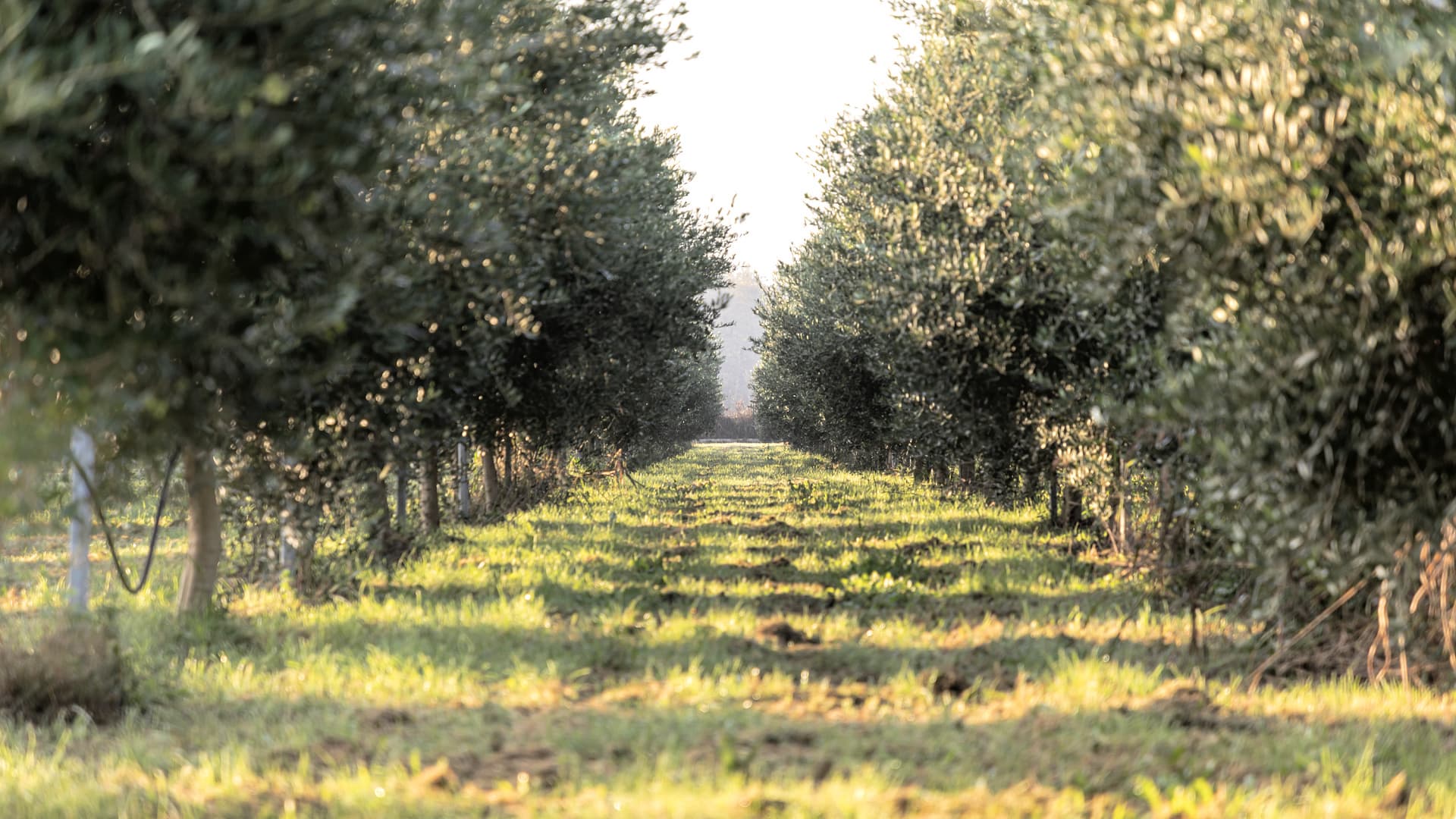
Rows of olive trees at Odiva’s groves in Montenegro. The company manages more than 13,500 trees and has invested in modern olive oil production and processing. (Photo: Odiva)
“At the end of the day, it has to be profitable,” she said. “With traditional olive growing, it can’t be very profitable because our domestic variety is prone to alternate bearing, and it’s very difficult to introduce a lot of other technical measures because of those hilly and sloping terrains, poor infrastructure and very small olive groves.”
Alković said that although the 2025 national olive-growing call was oversubscribed, some local support programs in Bar have not always exhausted their budgets.
As a member of Montenegro’s IPARD III Monitoring Committee, he said some program funds go unused within the planned period and carry over into subsequent years.
IPARD, the Instrument for Pre-Accession Assistance for Rural Development, provides E.U. funding for agricultural and rural development investments in candidate countries.
The first IPARD III Measure 3 call, launched in 2024, made €7.2 million in public support available for food-processing investments, including olive processing. The E.U. provided 75 percent of the funding, with the remainder coming from Montenegro’s national budget.
“It is not enough simply to allocate funds, launch a public call and wait for olive growers to apply,” Alković said. “Much more fieldwork is needed, along with individual discussions with producers, presentation of the available measures and concrete assistance in preparing documentation and carrying out investments.”
Markoč said local programs may require only a few documents, while larger IPARD applications can take months to prepare and often require consultants. The House of Olives, a public institution serving growers in Bar, regularly helps producers prepare applications.
Both Alković and Markoč identified irrigation as a priority for future investment.
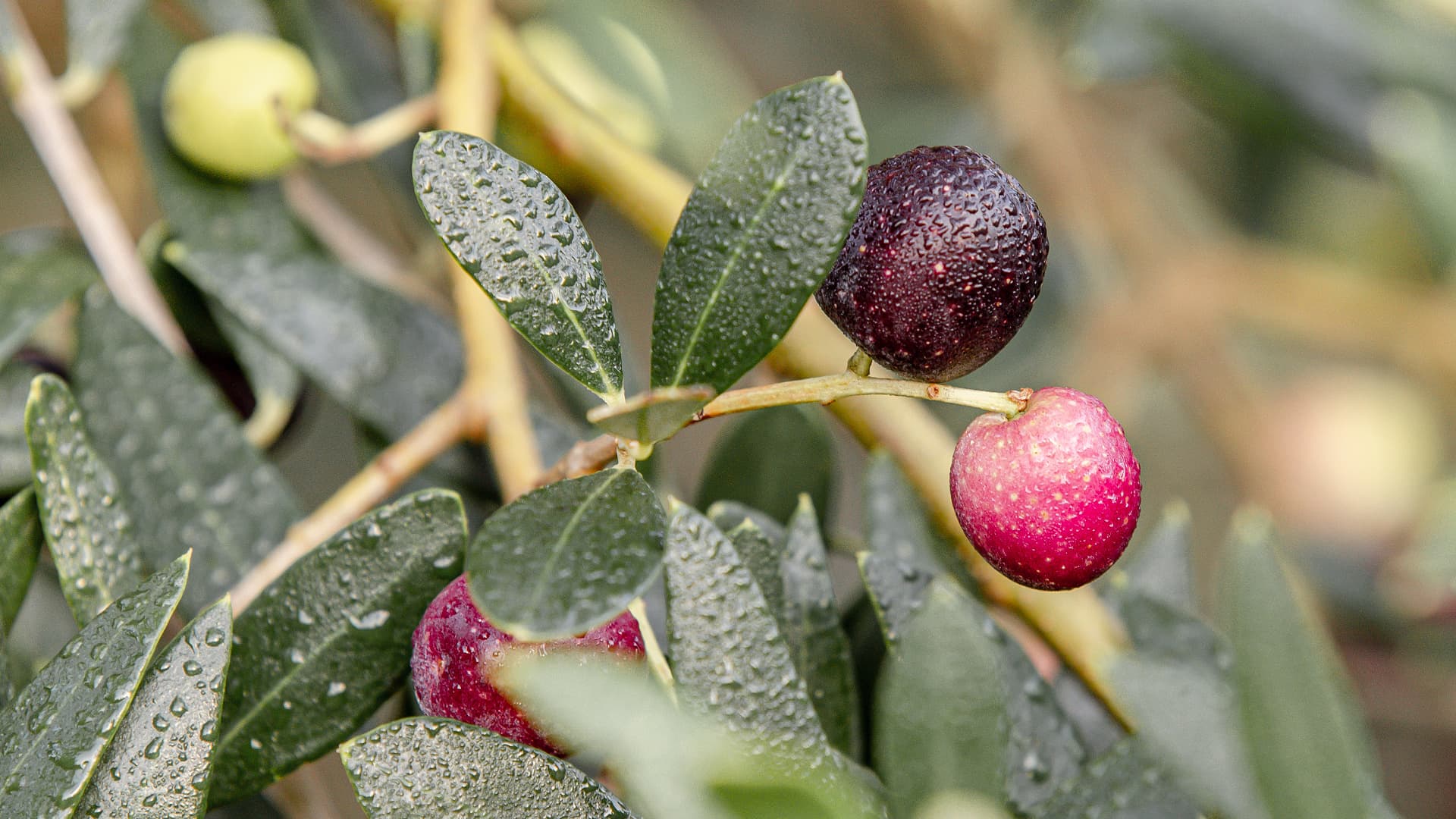
Olives ripen on the tree at Odiva’s groves in Montenegro, where producers are investing in modern cultivation methods to improve quality and productivity. (Photo: Odiva)
“Investment in rational irrigation systems, particularly drip irrigation, water sources, wells and reservoirs must become a priority,” Alković said.
“This year really showed our producers what a lack of irrigation can do to the olive grove,” Markoč said, pointing to very low yields in many traditional groves following prolonged drought. “In those traditional groves, believe me, no one irrigates. That would be a crucial change.”
Markoč said modernization has progressed faster in olive oil processing than in primary production.
“Our goal has never been simply to increase production, but to create a sustainable system that guarantees exceptional quality and long-term competitiveness in both domestic and international markets,” Andreja Šuškavčević Novović, director of the Odiva olive mill, told Olive Oil Times.
Odiva manages more than 13,500 olive trees and operates a modern mill that also serves other growers, including small producers.
“From the very beginning, we believed that the development of a single producer only makes full sense if it also contributes to the development of the entire sector,” Šuškavčević Novović said.
Odiva has also received IPARD support, which the company said helped improve its processing and storage technology and accelerate investment.
“Public support plays a crucial role, particularly in sectors that require substantial initial investments and have a long return on investment period, such as olive growing,” Šuškavčević Novović said.
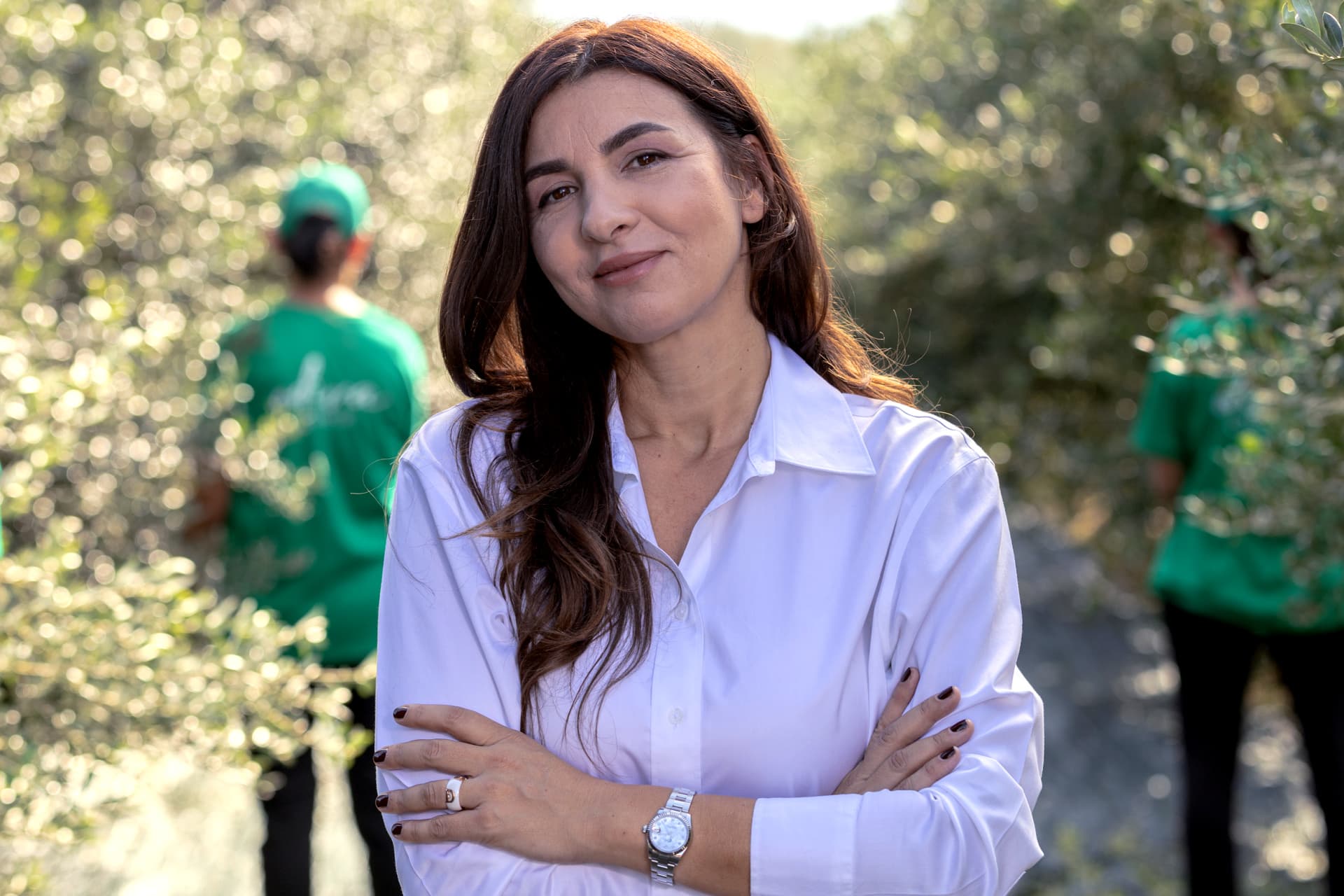
Andreja Šuškavčević Novović, director of the Odiva olive mill in Montenegro, said public investment is essential to improving olive oil quality and strengthening the sector’s long-term competitiveness. (Photo: Odiva)
Markoč said investments in traditional groves should also address regular pruning, soil nutrition, plant-health management and greater availability of certified planting material from domestic varieties.
Alković said cooperatives and other shared arrangements could help growers jointly use harvesting and pruning equipment, coordinate plant protection, process olives and market their oil.
He also called for greater investment in olive fruit fly monitoring and mechanized pruning and harvesting equipment. He added that rehabilitating abandoned groves should be accompanied by improvements to access roads.
Labor shortages are making mechanization increasingly important, Alković said, but equipment must suit local conditions. Steep, terraced coastal groves cannot accommodate the same machinery as newer plantations.
“It is not enough simply to subsidize the purchase of equipment,” Alković said. “Producers need help recognizing which investments are really justified in their conditions and access to professional support and modern technologies.”
Markoč emphasized that new plantations should include a significant share of indigenous olive varieties, which she considers essential to establishing a distinctive identity for Montenegrin olive oil in domestic and international markets.
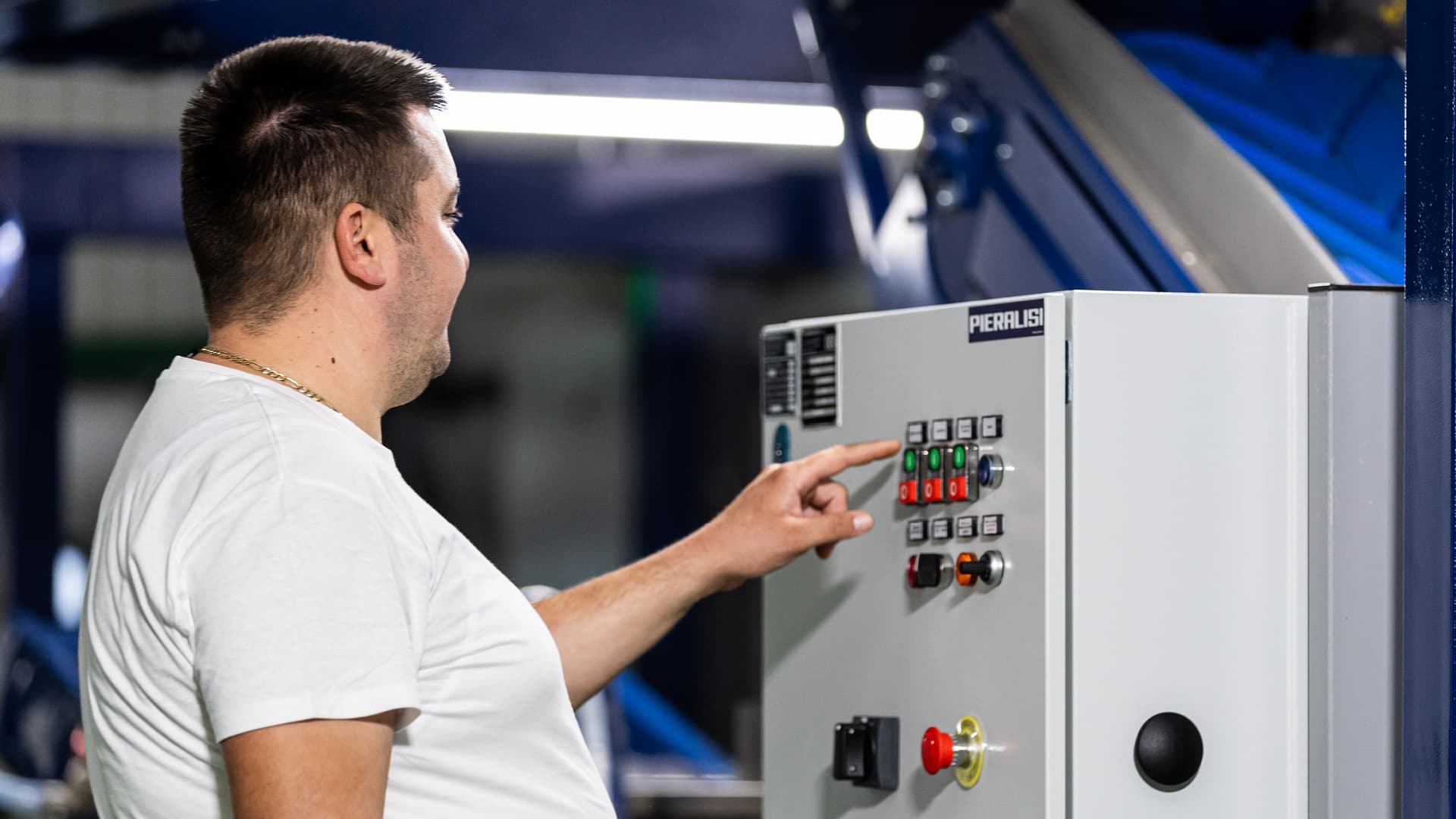
A worker operates modern olive processing equipment at Odiva’s mill in Montenegro, where investments in new technology have helped improve production capacity and efficiency. (Photo: Odiva)
She suggested that domestic varieties should account for 20 to 30 percent of new plantings.
“We need to be competitive by something that is authentic,” she said. “Authenticity comes from traditional olive groves and from the historic profile of olive oil that is dedicated to our domestic olive varieties.”
Šuškavčević Novović said Montenegro’s relatively small production volume does not prevent its producers from competing with established olive-growing regions.
“Montenegro possesses exceptional natural conditions, indigenous olive varieties, and a long-standing tradition, but greater investment in branding, quality standardization, and joint promotion remains essential,” she said.
For Alković, modernization should strengthen, not replace, the country’s olive-growing heritage.
“Our task is to modernize the way we produce, not to change or destroy what previous generations have left us,” he said.