Finland Wins World Olive Picking Championship in Croatia
Competitors from ten countries gathered on the Croatian island of Brač for a celebration of traditional olive harvesting, with Finland taking the top prize.
Finland emerged as the surprise winner of the ninth World Olive Picking Championship on the Croatian island of Brač, outperforming teams from nine other countries despite having no olive-growing tradition of its own.
The Finnish team harvested 55.4 kilograms of olives in just 45 minutes, finishing ahead of the Czech Republic and Poland in a competition that combines traditional olive harvesting with international tourism and friendly rivalry.
The championship took place in Postira, a picturesque coastal town of about 1,500 residents. The event began Thursday with a formal team presentation at Hotel Pastura, followed by the competition Friday morning in the St. Joseph olive grove overlooking the town.
“We are creating a destination brand that does not imitate but inspires,” Ivana Jelinčić, director of the Postira Tourist Board, told Olive Oil Times.
“We are proud that our little town has become the center of such a wonderful event, celebrating and promoting the culture of olives and olive oil through unforgettable experiences and the many friendships formed here over the years,” she added.
Organized with support from the Postira Tourist Board, the municipality, the Postira Agricultural Cooperative and Aldura Sport, the championship has helped put the small fishing and farming community on the international tourism map.
Ten Teams Compete for the Title
This year’s competition brought together 40 participants representing ten teams: Finland, Sweden, Serbia, Lithuania, Poland, the Czech Republic, the United States, Bosnia and Herzegovina, Croatia and an international team of digital nomads.
Each team had four competitors: two women and two men. With defending champion France absent this year, the title was up for grabs.
Croatia fielded a team of well-known athletes and entertainers, including long-distance swimmer Dina Levačić, Croatian television journalist Ivana Šilović, Olympic water polo player Tomislav Paškvalin and rapper Ante Cash.
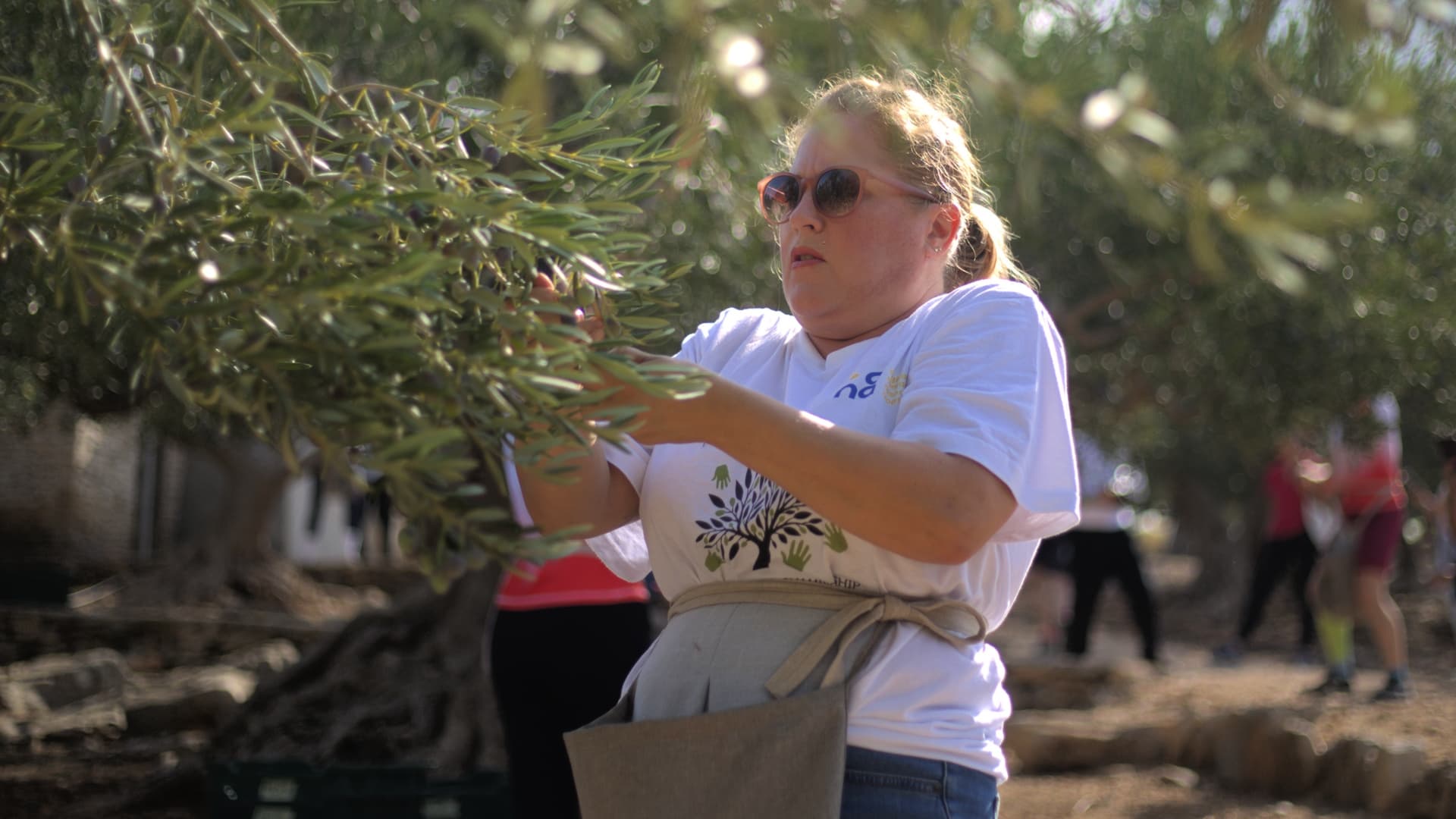
Competitors from ten countries took part in the ninth World Olive Picking Championship in Postira, Croatia, with 40 participants competing in teams of four.
“We are well coordinated and competitive,” Levačić said when asked whether the home advantage could compensate for the team’s limited experience harvesting olives.
Paškvalin, holding a handful of freshly picked olives, emphasized the event’s connection to Croatian heritage.
“This is a wonderful story about our Croatian olive, our heritage and tradition,” he said. “When it becomes a sporting event like this, it’s fantastic. It doesn’t get any better.”
Brendan O’Hara, representing the United States, was equally enthusiastic.
“We’ve fallen in love with this experience,” he said. “We’re hoping for a good result, too.”
Nevena Marinovski of Serbia welcomed the favorable conditions after forecasts had suggested otherwise.
“We’re ready. It’s wonderful, and the weather has been on our side,” she said. “A beautiful, sunny day despite the poor forecasts.”
Traditional Harvesting Under Pressure
Competitors faced a demanding challenge: harvesting as many olives as possible in exactly 45 minutes, using only their hands and no mechanical equipment.
Following local tradition, participants collected olives in sakete, traditional burlap harvesting aprons, before transferring them into their teams’ crates.
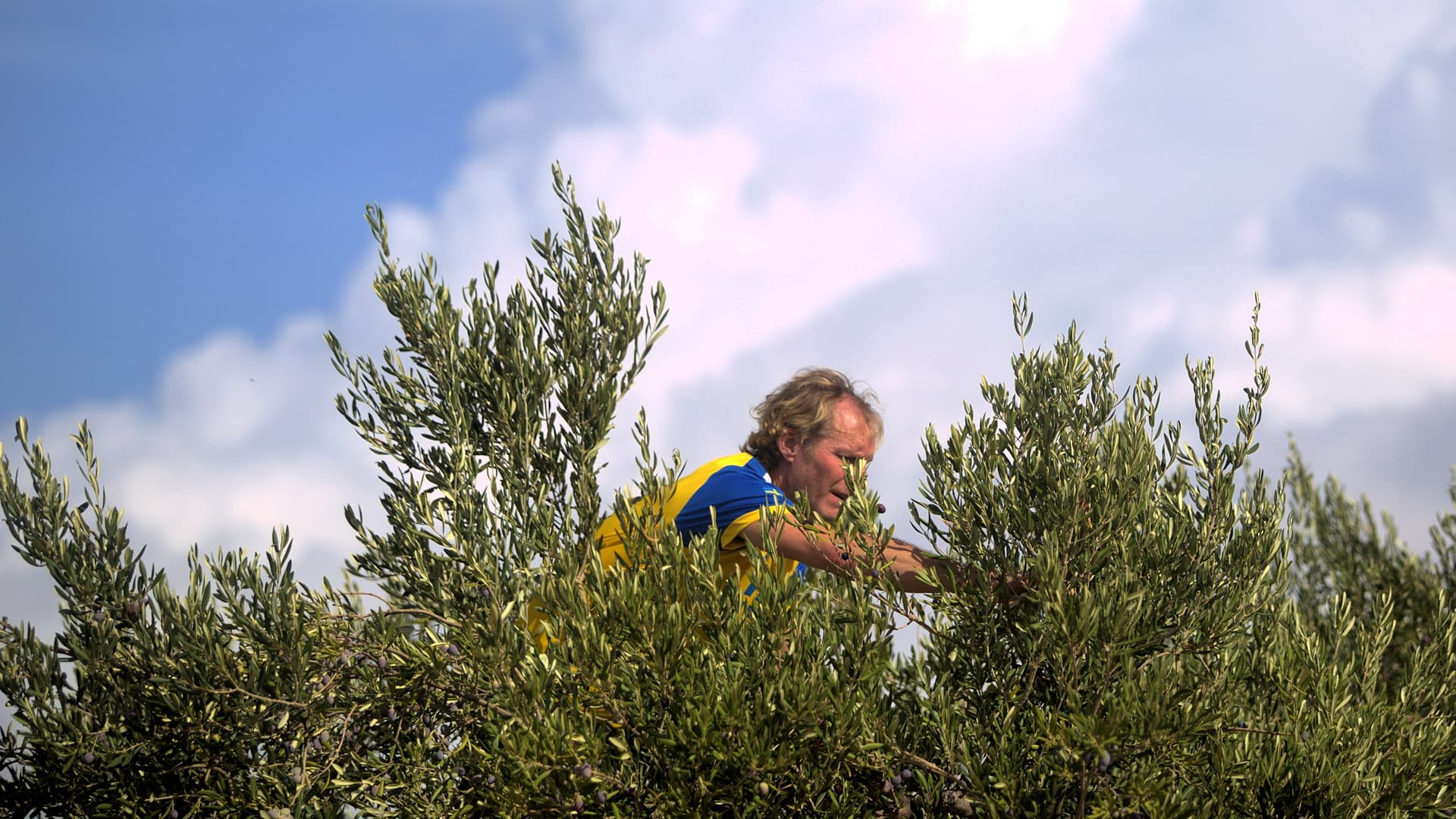
Working entirely by hand, competitors had just 45 minutes to harvest as many olives as possible, collecting the fruit in traditional burlap aprons.
Once time expired, the olives were weighed under the supervision of the chief controller from the Postira Agricultural Cooperative.
The results were kept secret, and only the controller and team captains could see the weights. The final standings remained undisclosed until Saturday evening’s awards ceremony at Hotel Pastura.
A Surprise Victory for Finland
When the results were announced, Finland was crowned world champion, an unexpected outcome for a country better known for its forests, lakes and long winters than for olive cultivation.
“We are thrilled, and we love Postira, Brač and Croatia,” Finnish team captain Petri Utriainen said.
“This year, we wanted to improve on our fourth-place finish last year, but winning was something we didn’t even dare hope for. We don’t have a single olive tree in Finland, and now we’re world champions. It’s unreal!”
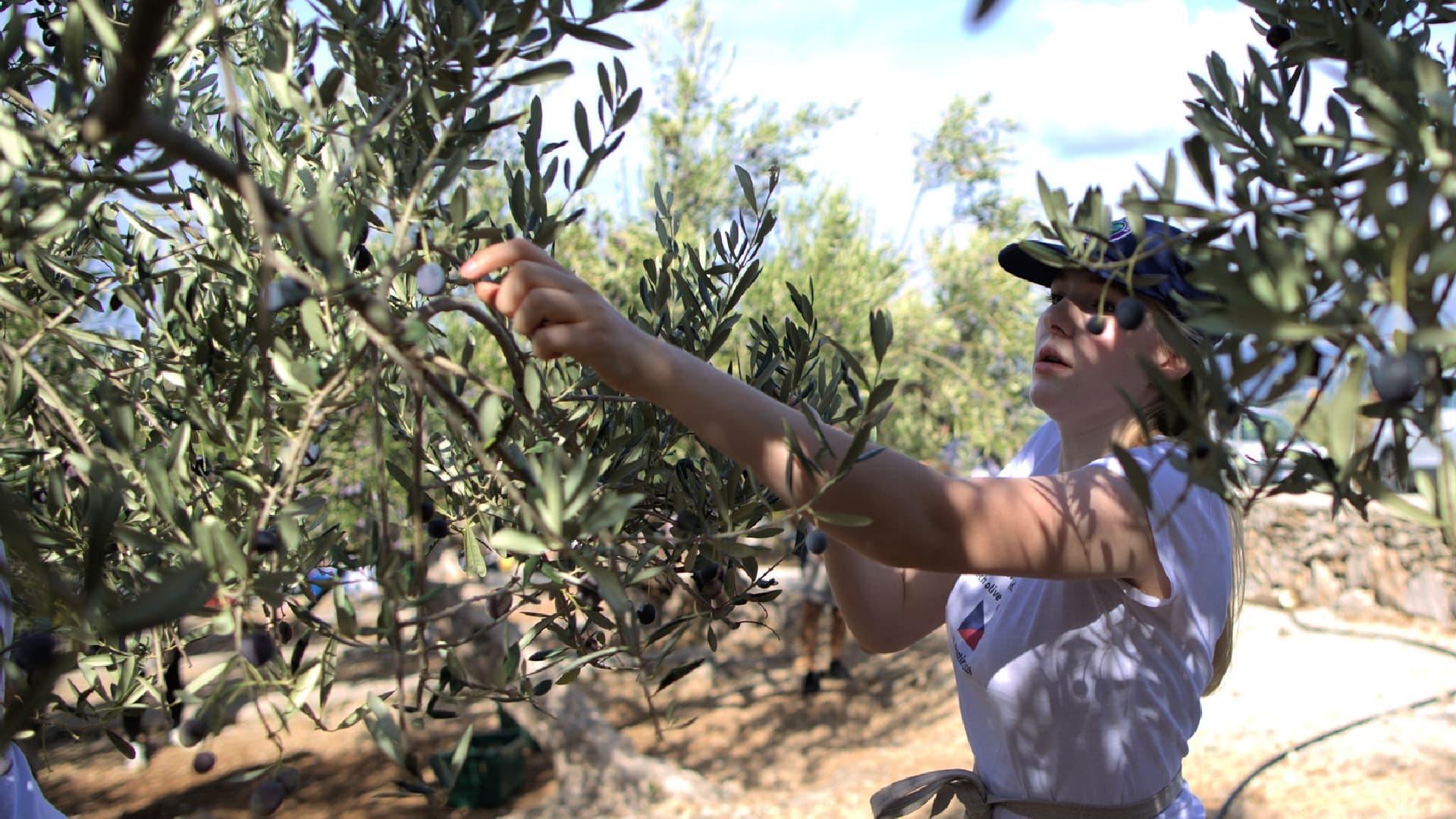
The Czech Republic finished second with 48.4 kilograms, followed by Poland with 46.6 kilograms. All three medal-winning teams came from countries without significant olive-growing traditions.
Finland’s 55.4-kilogram harvest put it seven kilograms ahead of the Czech Republic, which finished second with 48.4 kilograms. Poland took third place with 46.6 kilograms.
Bosnia and Herzegovina finished fourth with 43.6 kilograms, narrowly ahead of Croatia with 43.2 kilograms and Lithuania with 43.0 kilograms.
The United States placed seventh with 42.4 kilograms, followed by Serbia with 38.0 kilograms, Sweden with 34.4 kilograms and the digital nomads team with 31.6 kilograms.
All three podium positions went to countries without significant olive-growing traditions, underscoring the competition’s international appeal.
Celebrating Brač’s Olive-Growing Heritage
Beyond the competition, organizers arranged activities that introduced participants to Brač’s olive oil culture, agricultural traditions, and historical landmarks.
Saturday’s program included a visit to the Olive Oil Museum in Škrip and a walk through Dol, a traditional village known for its distinctive architecture and rural heritage.
The activities reflected the event’s broader purpose: promoting the island’s agricultural identity, developing agritourism, and strengthening connections among participants from different countries.
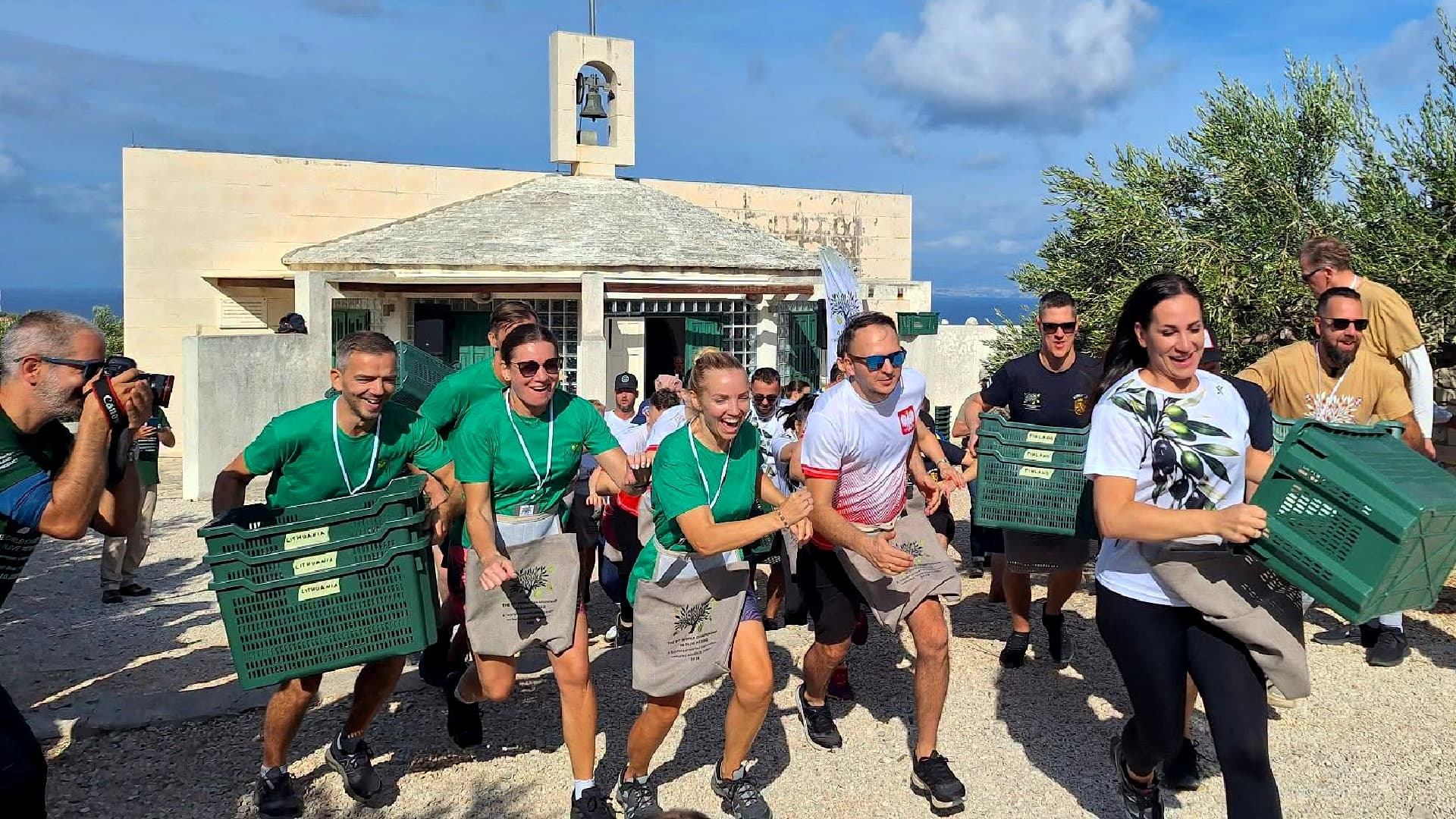
The Czech Republic finished second with 48.4 kilograms, followed by Poland with 46.6 kilograms. All three medal-winning teams came from countries without significant olive-growing traditions.
“I couldn’t be prouder,” Jelinčić said after the awards ceremony. “Postira is a small town of just 1,500 people, yet through this event we have managed to reach every corner of the world, sharing the story of Postira and olive growing in such an energetic, interesting and joyful way.”
First held in 2017, the World Olive Picking Championship has developed into a recognizable international event. In 2019, it received an award from the Creative Tourism Network for the best creative tourism experience.
The championship illustrates how a centuries-old agricultural practice can become the foundation of a distinctive tourism experience, attracting visitors to a small Mediterranean community while preserving its connection to olive cultivation.
For Finland, the competition ended with an unlikely world title. For Postira, it marked another successful edition of an event that continues to introduce visitors from around the world to the island’s olive-growing heritage.