
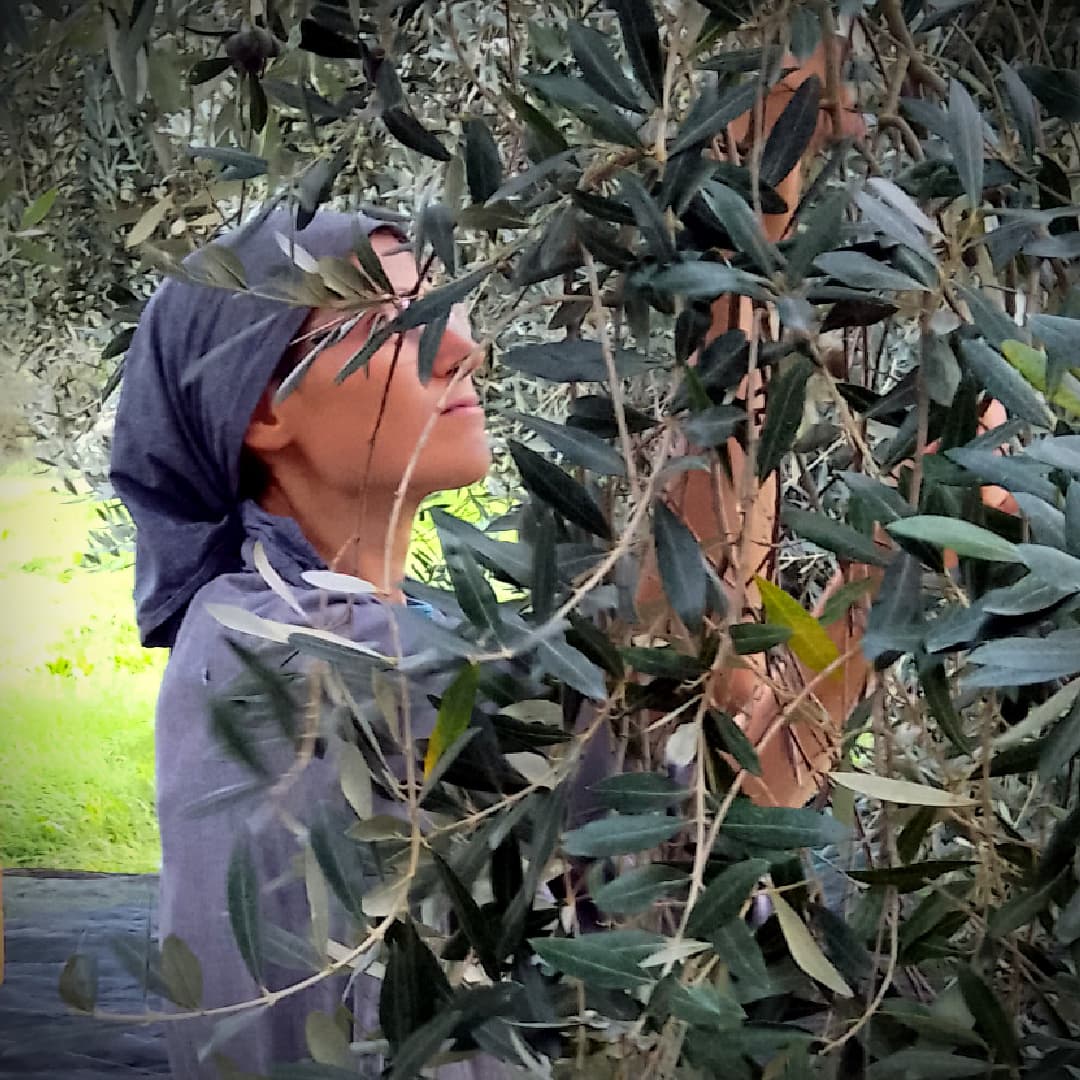
One of the few olive mills operating within Rome’s urban area, the mill at Tre Fontane Abbey is the only one in the heart of the Eternal City. Run by the resident Trappist community, the mill is part of the abbey’s estate, which produces extra virgin olive oil, honey, and Italy’s only Trappist beers, including one flavored with leaves from the property’s olive trees.
The Trappists take their name from the Abbey of Notre-Dame de la Trappe in Soligny, France. They are a branch of the Cistercian order, which was founded by Benedictine monks in 1098.
Our day is structured around the Divine Office, the cycle of prayers that punctuate day and night hours, as well as periods of manual labor.
For centuries, the Rule of Saint Benedict has guided daily life in Trappist communities, prescribing study and manual labor alongside prayer as a means of self-sustenance. Chapter 48 states: “Otiositas inimica est animæ, et ideo certis temporibus occupari debent fratres in labore manuum, certis iterum horis in lectione divina […] vere monachi sunt, si labore manuum suarum vivunt.” (“Idleness is the enemy of the soul; therefore, the brothers [and sisters] should be occupied with manual labor at certain times, and with divine reading at other fixed hours […] they are truly monks [and nuns] if they live by the labor of their own hands.”)
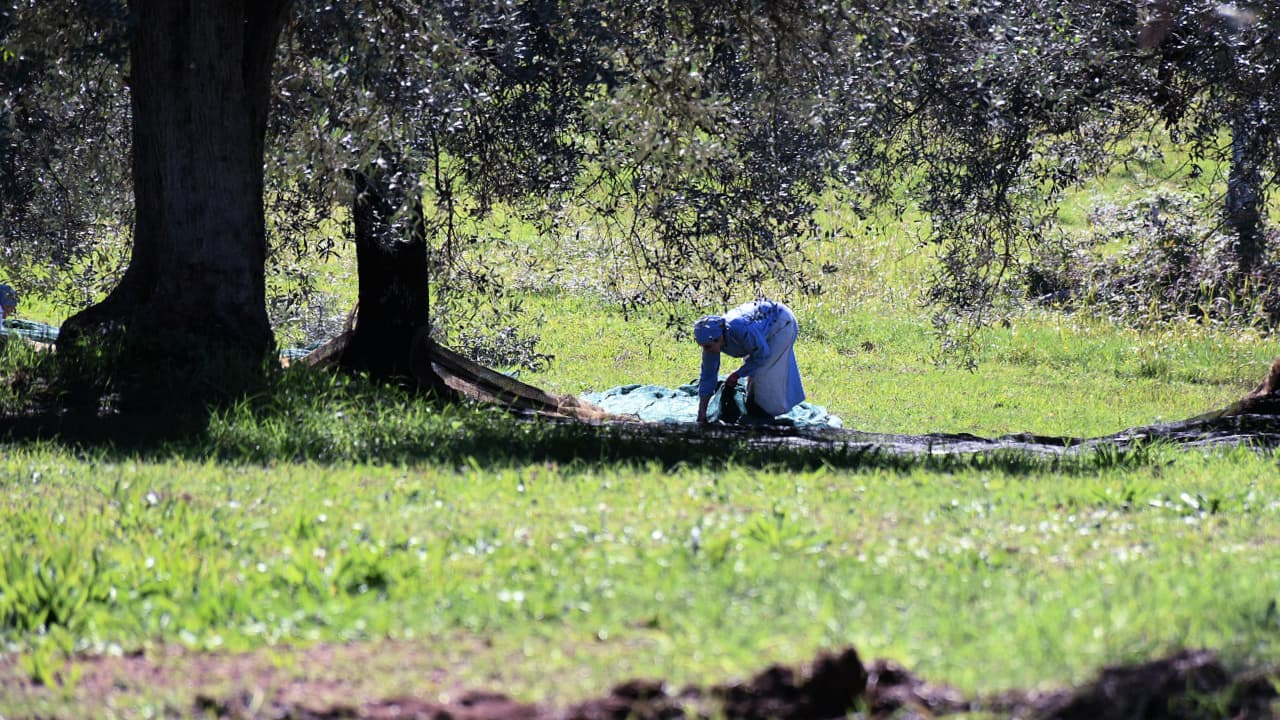
The sale of products made by Trappist communities at Tre Fontane Abbey and Monastery of Valserena helps sustain the monasteries and support charitable initiatives. (Photo by Monastery of Valserena)
Over the centuries, this commitment to work and self-sufficiency led Trappist monastic communities worldwide to specialize in a wide range of agricultural activities, adapting to local conditions and crops. Selling the resulting products helps sustain the monasteries and support charitable initiatives.
In Italy, Tre Fontane Abbey in Rome, Lazio, and the Monastery of Valserena in Guardistallo, near Pisa, Tuscany, produce extra virgin olive oil from their estates’ olive groves.
With permission to visit the cloistered community, Olive Oil Times met Sister Daniela, who welcomed us in Tre Fontane Abbey’s entrance courtyard before guiding us through the mill and olive grove.
“Our day is structured around the Divine Office, the cycle of prayers that punctuate day and night hours, as well as periods of manual labor,” she said. “We take part in agricultural work year-round, including every stage of olive oil production, from pruning to harvesting.”
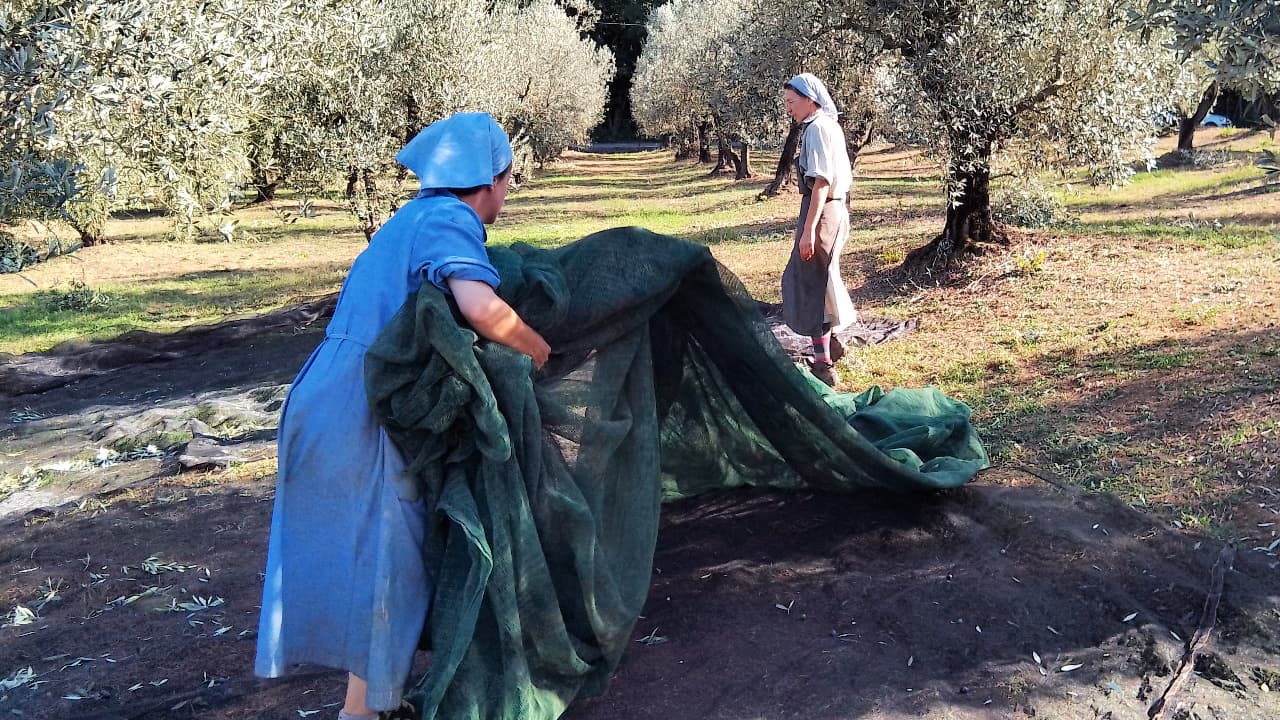
The daily life of Trappist monks and nuns is guided by the Rule of Saint Benedict, which, alongside prayer, prescribes study and manual labor. (Photo by Monastery of Valserena)
Sister Daniela explained that the day begins at 3:30 a.m. with Vigils, the first prayer of the Divine Office, celebrated during the night. Lauds follows at 6:45 a.m., after which the community attends Mass before gathering for Terce at 8:30 a.m., Sext at noon, None at 3 p.m., Vespers at 6 p.m. and Compline at 8 p.m.
Each day also sets aside time for Lectio Divina, the practice of meditative reading and contemplation of Sacred Scripture.
“While we are the ones praying, we act as the voice of all of humanity before God,” Sister Daniela said. “During our prayers, we proclaim the Psalms, which encompass the human experience in all its universality and relate to all people, regardless of their creed or background. When one recites these words, it is as if they rediscover not only their own humanity, but the humanity shared by all people on earth.”
Periods of contemplation and study are complemented by at least five hours of work each day, in accordance with the Rule of Saint Benedict.
The mill and olive groves extend alongside the monastic complex and its three churches: the Abbey of Saints Vincent and Anastasius, Santa Maria Scala Cœli and the Church of Saint Paul’s Martyrdom.
During our visit, the mill was in full swing. As we approached the facility through a side passage, the silence pervading the abbey’s courtyards gradually gave way to the rhythmic throb of machinery. Two technicians were processing olives picked earlier that day.
“While the abbey and its olive grove have a long history, the mill was installed about 20 years ago,” said Stefano Bivone, who oversees milling operations. “It is equipped with a Pieralisi extraction line that enables us to achieve the quality standard we strive for. To devote the highest level of care to our oil, we process olives for third parties only on Saturdays and Sundays. Moreover, our product is organic, which requires an even greater level of attention.”
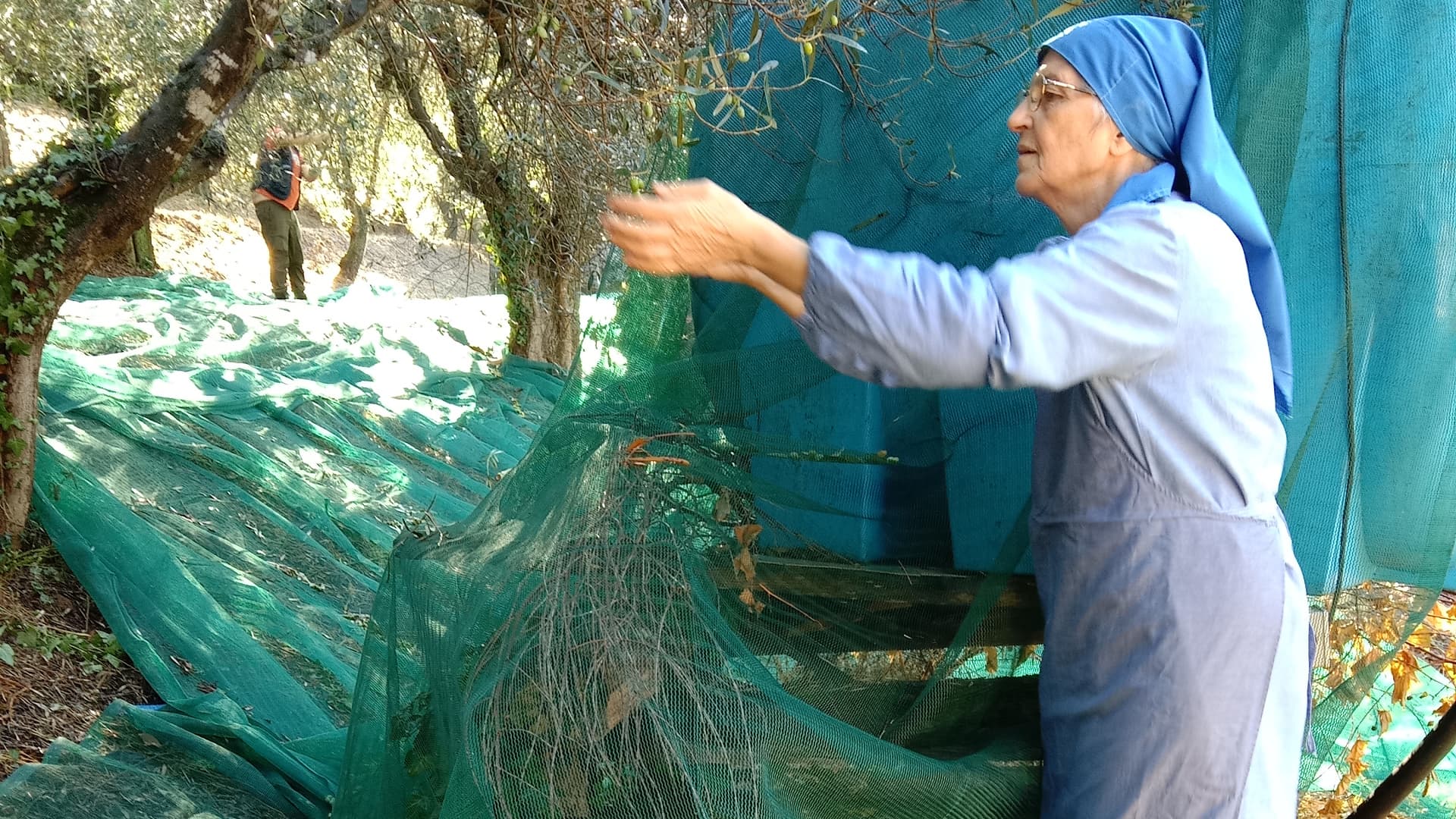
Trappists communities complement prayer and study with several hours of work each day, in accordance with the Rule of Saint Benedict. (Photo by Monastery of Valserena)
Sister Daniela then guided us to the grove, home to around 4,000 olive trees, mainly Leccino and Frantoio varieties, alongside ancient native cultivars such as Corsica.
Towering, centuries-old eucalyptus trees border the grove. Their leaves are collected and sent to a laboratory, where they are used to produce a liqueur based on an ancient recipe preserved by the abbey.
“The liqueur is actually used for medicinal purposes, as it is known for its soothing effects on the throat,” Sister Daniela explained. “The eucalyptus trees are a distinctive feature of Tre Fontane Abbey. Centuries ago, this area was a marshland where malaria posed a risk, and they were planted to improve the area’s sanitary conditions.”
During the same period, the Monastery of Valserena also harvests olives, where the resident nuns care for a 6.5-hectare olive grove with about 1,030 trees, most of which predate the monastery’s construction. The youngest 200 trees were planted in 2021.
The monastery uses traditional Tuscan cultivars, including Leccino, Frantoio, Moraiolo and Lazzero, to produce extra virgin olive oil and a range of olive oil-based products, including cosmetics.
At Tre Fontane Abbey, the harvest will continue throughout November. The estate’s recently collected leaves flavor Tertia, one of three beers brewed in a dedicated area of the monastic complex, alongside Scala Coeli and Tripel. Together, they are Italy’s only Trappist beers and bear the “Authentic Trappist Product” seal.
“Trappist beers are produced according to strict criteria established by the International Trappist Association,” Brother Pietro said while overseeing one of the year’s final brewing batches. “My role is to supervise the process, ensuring compliance with the three fundamental requirements that Trappist beer must meet.”
According to the criteria established by the International Trappist Association, the brewery must be located within or in the immediate vicinity of the abbey; production must take place under the supervision of the monks; and the proceeds must be used to support the monastic community, the Trappist Order, development projects and charitable causes, with no individual enrichment or commercial profit motive.
“In addition to supervising production, I work with the other brothers on the final stages of the process, including labeling, boxing, and shipping,” Brother Pietro explained.
Trappist is not a specific beer style, but a designation linked to the beer’s origin and monastic production. Trappist beers are traditionally characterized by a full body, relatively high alcohol content, and fruity or spicy notes. Many undergo secondary fermentation in the bottle. Today, fewer than a dozen monasteries worldwide produce authentic Trappist beer.
The abbey’s other beers also incorporate distinctive botanical ingredients: Scala Coeli is flavored with orange peel, while Tripel is brewed with eucalyptus leaves from the estate.
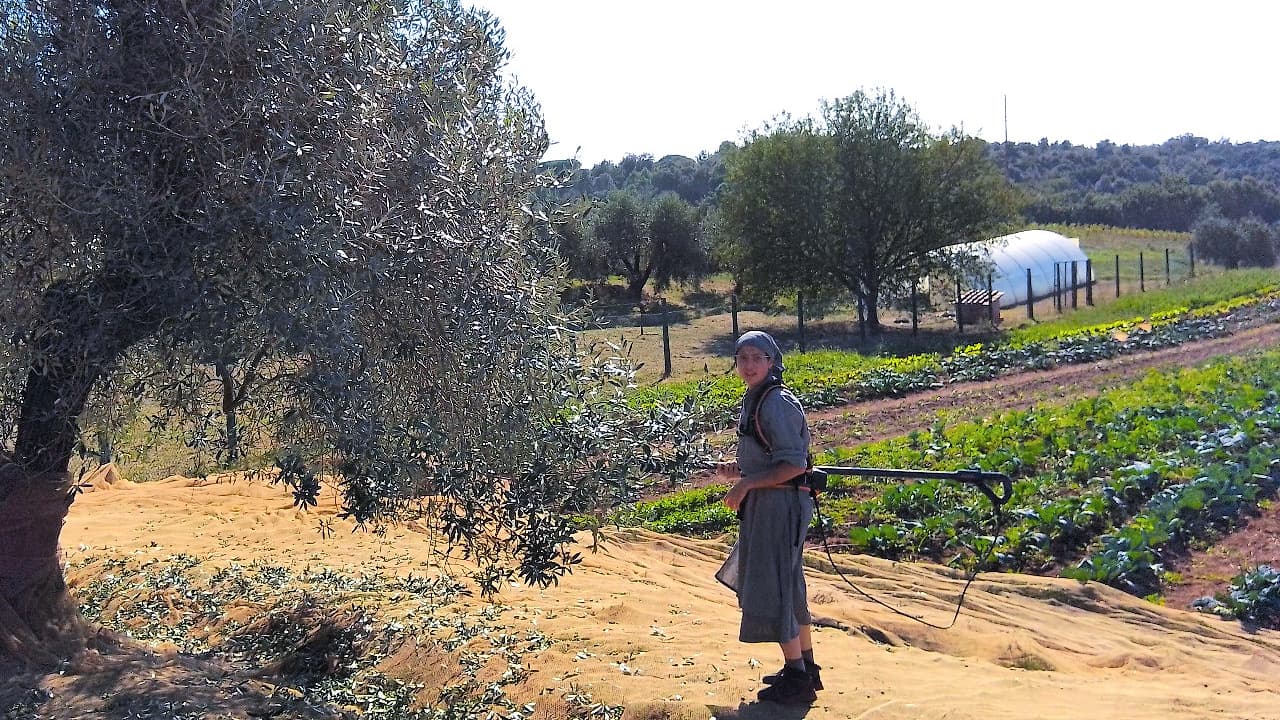
Trappist communities at Tre Fontane Abbey in Rome and Monastery of Valserena in Guardistallo take part in every stage of olive oil production, from pruning to harvesting. (Photo by Monastery of Valserena)
“The olive leaves are carefully selected and cleaned of any small twigs,” explained Claudio Conti, the master brewer who supports the community with beer production. “We use one kilogram for every 1,400 liters of wort, adding them during the final 10 to 15 minutes of the boil and leaving them to steep so that their aromatic components are infused into the beer. Tertia is an English-style, top-fermented beer brewed with Pilsner malt, a high-quality European hop, and sugar for secondary fermentation in the bottle.”
As our visit ended and we left the quiet of the abbey to return to the bustle of the city, Sister Daniela and Brother Pietro still had duties to complete before returning to the monastery church for the prayers that would bring another day of work and contemplation to a close.