Heart Association’s New Guidance Recommends Olive Oil and Other Unsaturated Fats
The American Heart Association’s new dietary guidance recommends olive oil and other unsaturated fats as part of long-term eating patterns aimed at reducing cardiovascular disease risk.
Olive oil, along with other mostly unsaturated cooking fats, is included among the recommended fat sources in the new 2026 dietary guidance from the American Heart Association, which updates its previous 2021 statement.
In the document, the AHA shifts the focus from individual nutrients to overall dietary patterns, emphasizing that long-term eating habits, rather than single components, are the primary drivers of cardiovascular health. Whole, minimally processed foods are described as the foundation of heart-healthy diets.
According to the AHA, clinical trial evidence shows that replacing saturated fats with polyunsaturated and monounsaturated fats reduces the risk of cardiovascular disease.
More specifically, the association lists animal fats such as beef tallow and butter, along with tropical oils such as coconut oil, cocoa butter and palm oil, among fats with relatively high saturated fat content. Olive oil, soybean oil and canola oil are listed as high in unsaturated or polyunsaturated fats.
That profile is consistent with existing standards. The International Olive Council states that olive oil can contain up to 85 percent monounsaturated fats. The United Nations’ Food and Agriculture Organization lists canola oil as containing up to 63 percent monounsaturated fats, while soybean oil contains about 23 percent monounsaturated fats and is a significant source of polyunsaturated fats.
“Strong evidence shows that replacing butter with plant oils and spreads containing predominantly unsaturated fat decreases low-density lipoprotein cholesterol concentrations,” the AHA wrote. “As part of heart-healthy dietary patterns, nontropical plant sources of fat should be used as part of food preparation in place of animal fats and tropical oils.”
Heart disease, heart attacks and strokes remain the leading causes of death in the United States. Globally, the World Health Organization estimates that one in three deaths is linked to cardiovascular disease. While diet and sedentary lifestyles contribute heavily in the United States, other regions face rising risk from tobacco use, hypertension, urbanization and greater access to cheap, high-calorie ultra-processed foods.
According to the AHA, sustained adherence to a healthy dietary pattern that includes unsaturated fats such as olive oil, along with whole grains, vegetables, fruits and healthy proteins, is associated with better quality of life and lower cardiovascular risk.
At the same time, the association warned that many foods on the market may undermine the benefits of healthy eating patterns. Consumers are advised to minimize foods high in saturated fats, added sugars and sodium.
The AHA also said alcohol intake should be limited, noting that even low levels may increase health risks when assessed across the broader population.
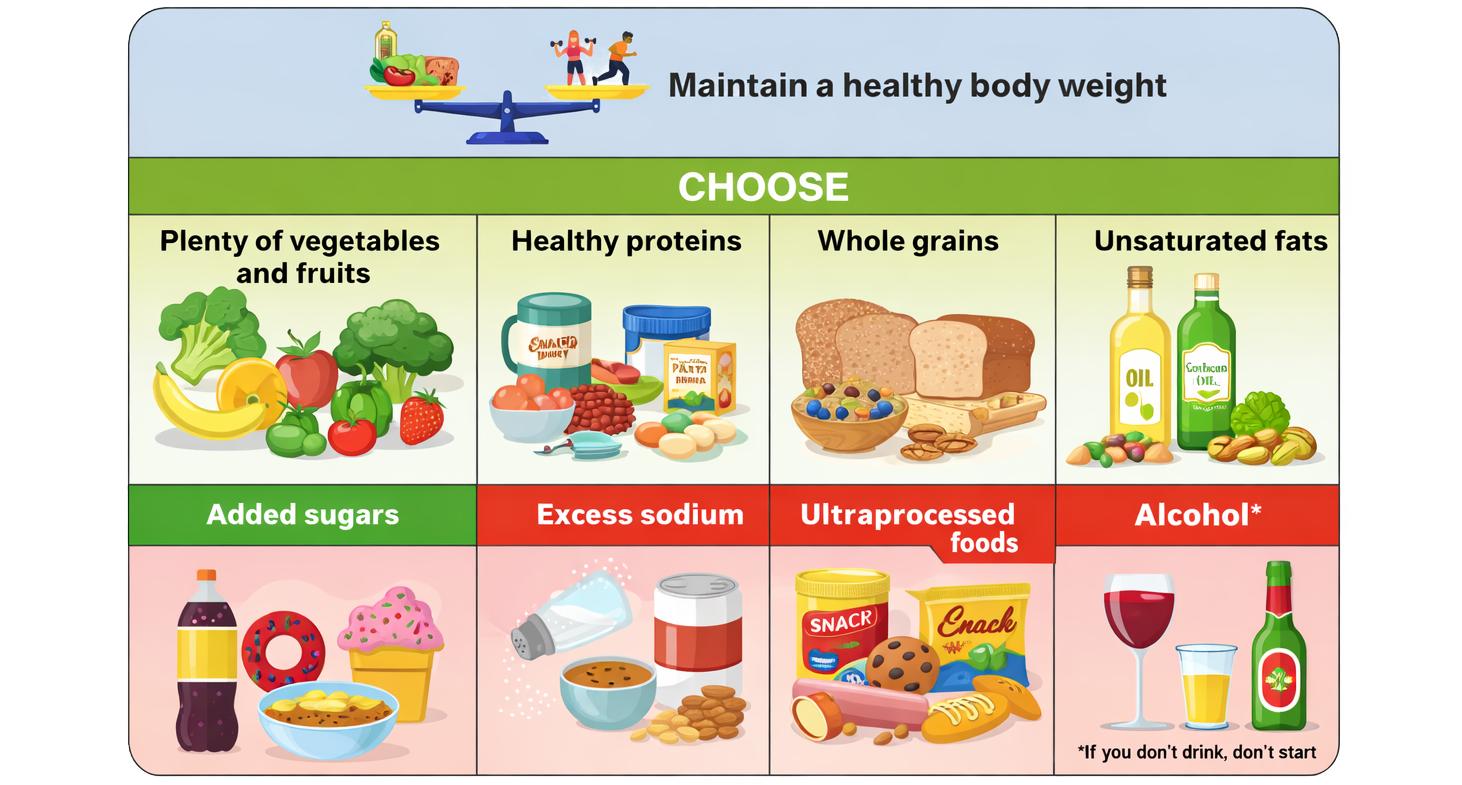
Healthy vs. Unhealthy dietary patterns
It further advised consumers to eat as little ultra-processed food as possible, reflecting a growing body of research showing the broad health harms associated with such products in recent years. One example is previous reporting on studies showing how ultra-processed food consumption is driving a public health crisis.
While the AHA does not adopt a single formal definition of ultra-processed foods, the guidance describes them as industrially formulated products rather than simply processed foods. They typically contain ingredients not used in home cooking, such as additives, emulsifiers and flavorings, and are designed to be hyper-palatable and ready to consume.
According to the association, consumers should also be cautious when seeking healthier foods in the marketplace, including when shifting from meat to plant-based alternatives. Nuts and legumes, such as lentils, peas and beans, are considered good sources of protein, fiber and unsaturated fats. However, some plant-based meat alternatives are ultra-processed and contain added sugars, sodium, stabilizers and preservatives.
The new dietary guidance also highlights the importance of sustainability, stressing that heart-healthy eating patterns must be practical, culturally adaptable and sustainable over time.
The AHA said long-term adherence, rather than short-term dietary change, is essential to achieving meaningful and lasting reductions in cardiovascular disease risk.