On Lake Garda, Abandoned Olive Groves Find New Life
At Lake Garda, Videlle Bionatura is bringing thousands of neglected olive trees back into production while preserving local cultivars, supporting research and training young workers.
Surrounded by the gentle morainic hills of Valtenesi, Puegnago lies just a few kilometers from Lake Garda’s southwestern shores. Benefiting from the moderating effects of Italy’s largest freshwater lake, this area of Lombardy has provided favorable conditions for vine and olive cultivation for more than a millennium.
Safeguarding this heritage remains our motivation, and it is what drives us forward with the passion and determination that inspired the project from the beginning.
Here, agronomist Marco Penitenti began restoring abandoned olive groves 15 years ago, launching a project that has since expanded to 16,000 olive trees.
“It all started with my passion for olive growing,” he told Olive Oil Times. “I was working as a consultant for companies in the area, and every day I came across many uncultivated and neglected olive groves. Eventually, I decided to contact the owner of a plot planted with 250 trees and offer to manage it. He agreed, and I set to work restoring it.”
That first initiative later became a professional operation, laying the groundwork for Penitenti’s current company, Videlle Bionatura.
The venture grew as more abandoned olive trees were brought under its care. The latest orchard added to the project comprises 600 trees that will soon undergo pruning and fertilization as part of a recovery plan aimed at returning them to production within two or three years.
Penitenti said olive grove abandonment remains a major challenge in Italy, where a lack of generational turnover, difficult terrain and obstacles to mechanization drive up costs and make olive cultivation increasingly difficult to sustain.
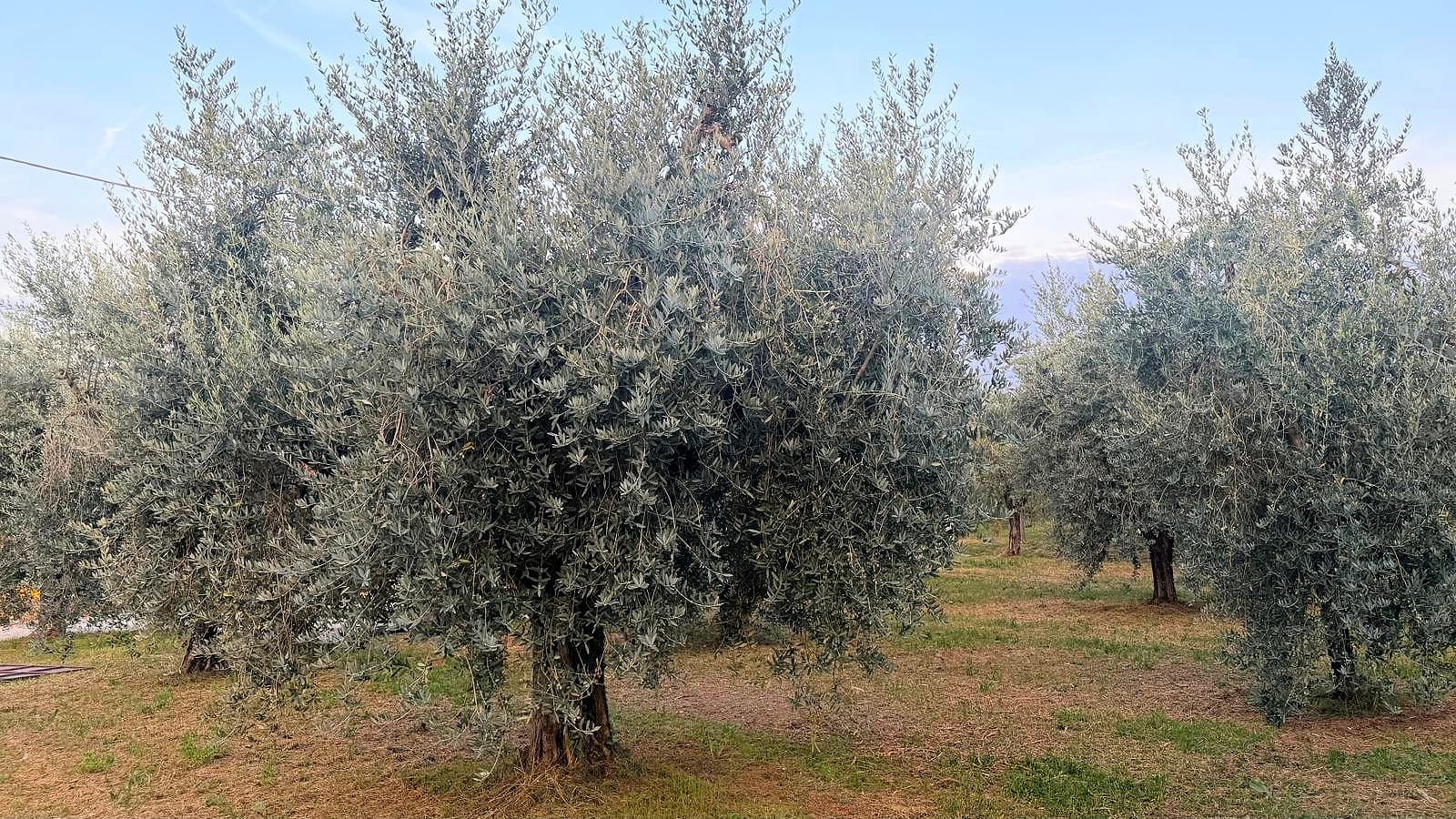
The latest orchard added to the recovery project led by Marco Penitenti’s Videlle Bionatura comprises 600 trees that will soon undergo pruning and fertilization before being brought back into production.
“These are certainly costly operations, but they are fundamental to the development of the territory and the community,” Penitenti said. “Here in Valtenesi, as elsewhere, olive growing is not merely about production value. It also plays a significant environmental role in a landscape shaped by human activity, helping to prevent soil erosion.”
“Moreover, olive trees should be preserved as a defining feature of the area, which is a renowned tourist destination,” he added. “Last but not least, olive growing supports a social fabric of people whose livelihoods are connected to it, including farmers, technicians, millers, suppliers and many others.”
Penitenti was soon joined in managing the company by his wife, Maria Cristina Plodari, who now oversees customer relations and communications.
The couple, now parents of two teenage children, Daniele and Sofia, have reserved several positions on their team for young people with little or no previous work experience.
Of the 10 people employed year-round by Videlle Bionatura, four are 18 or 19 years old and gaining their first professional experience. Livia is responsible for bottling and supply chain traceability, while Stefano and Chris work in the groves alongside Paolo, who is currently completing a school internship.
“Our goal is to equip them with the expertise needed to work independently and build a career in quality-oriented olive growing,” Penitenti said. “It is a truly formative experience for both sides. While we provide them with training and guidance, they breathe new life into the company.”
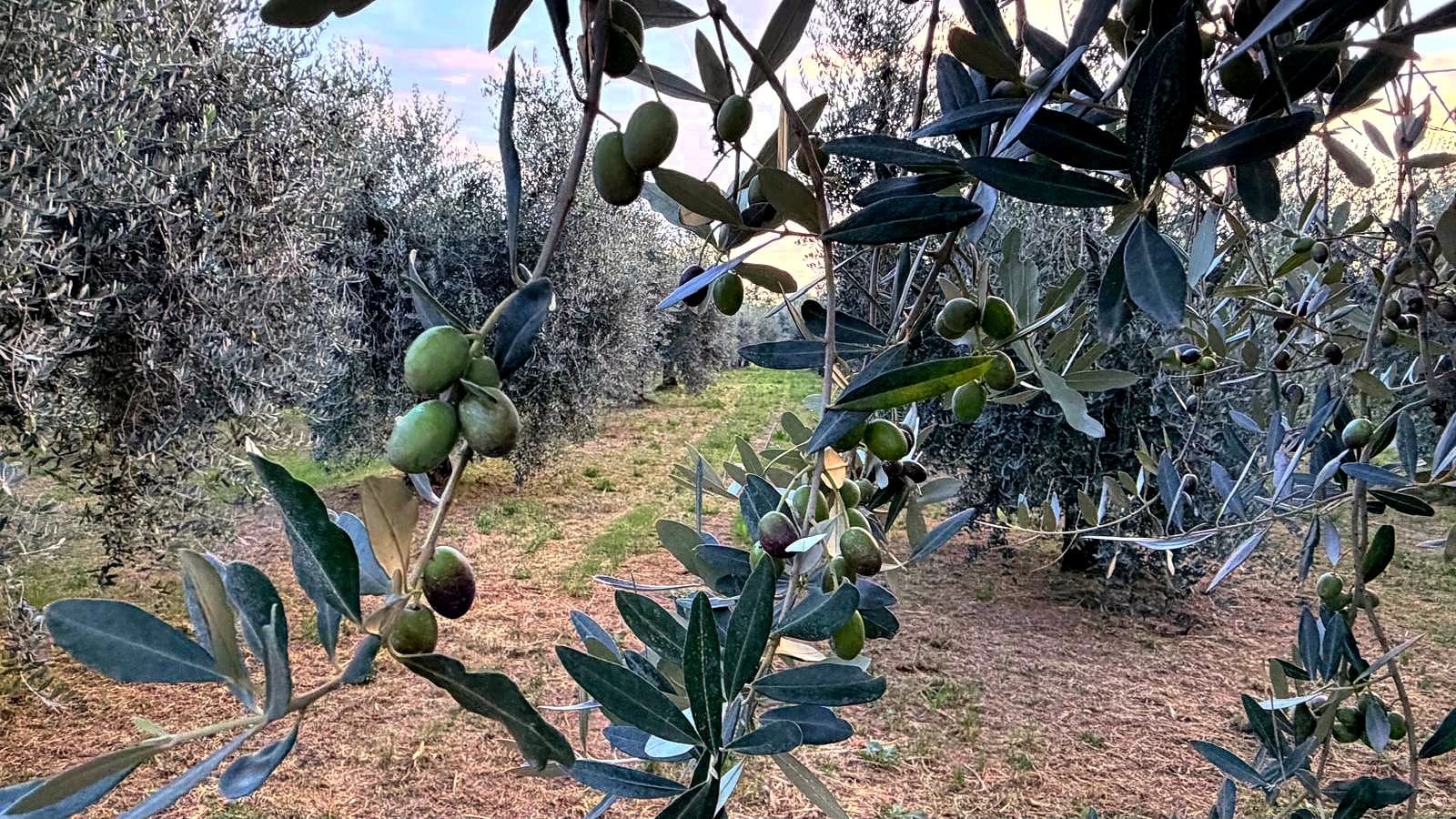
To highlight the Lake Garda cultivars, Marco Penite produces a range of monovarietal oils from his restored groves, including the native Casaliva, Gargnà and Trepp, alongside Leccino.
“They bring a much more open mindset, remarkable digital skills and a unique sense of vitality, freshness and passion, along with a real desire to make their mark and pursue their ambitions,” he added. “It is a mutually enriching exchange, and they motivate us just as much as we support them.”
The company collaborates with the University of Brescia’s agricultural science programs and, through its commitment to environmental stewardship, has attracted students who have chosen the farm as the subject of their thesis research.
Two studies have already been completed. The first examined and compared the carbon footprints of different olive-training systems. The second extended the analysis to later stages of production, assessing the carbon footprint of mill and bottling activities.
A third research project is underway in collaboration with the University of Padua. It examines soil health in relation to arboricultural practices, focusing on nutrients, microfauna, flora, and bacterial communities within the groves.
Preserving biodiversity is one of the company’s core missions. To highlight local cultivars, it produces a range of monovarietal oils from its restored groves, including the native Casaliva, as well as Gargnà and Trepp, both typical of the Upper Garda area, alongside Leccino.
The goal is to create a dedicated oleoteca that showcases the diversity of Lake Garda monovarietal olive oils.
Drawing on his extensive expertise, Penitenti identified several trees near the lake during restoration work that appeared to differ from the better-known local cultivars. He submitted samples to the National Research Council for genetic testing, which showed that two of the trees possess unique genetic profiles.
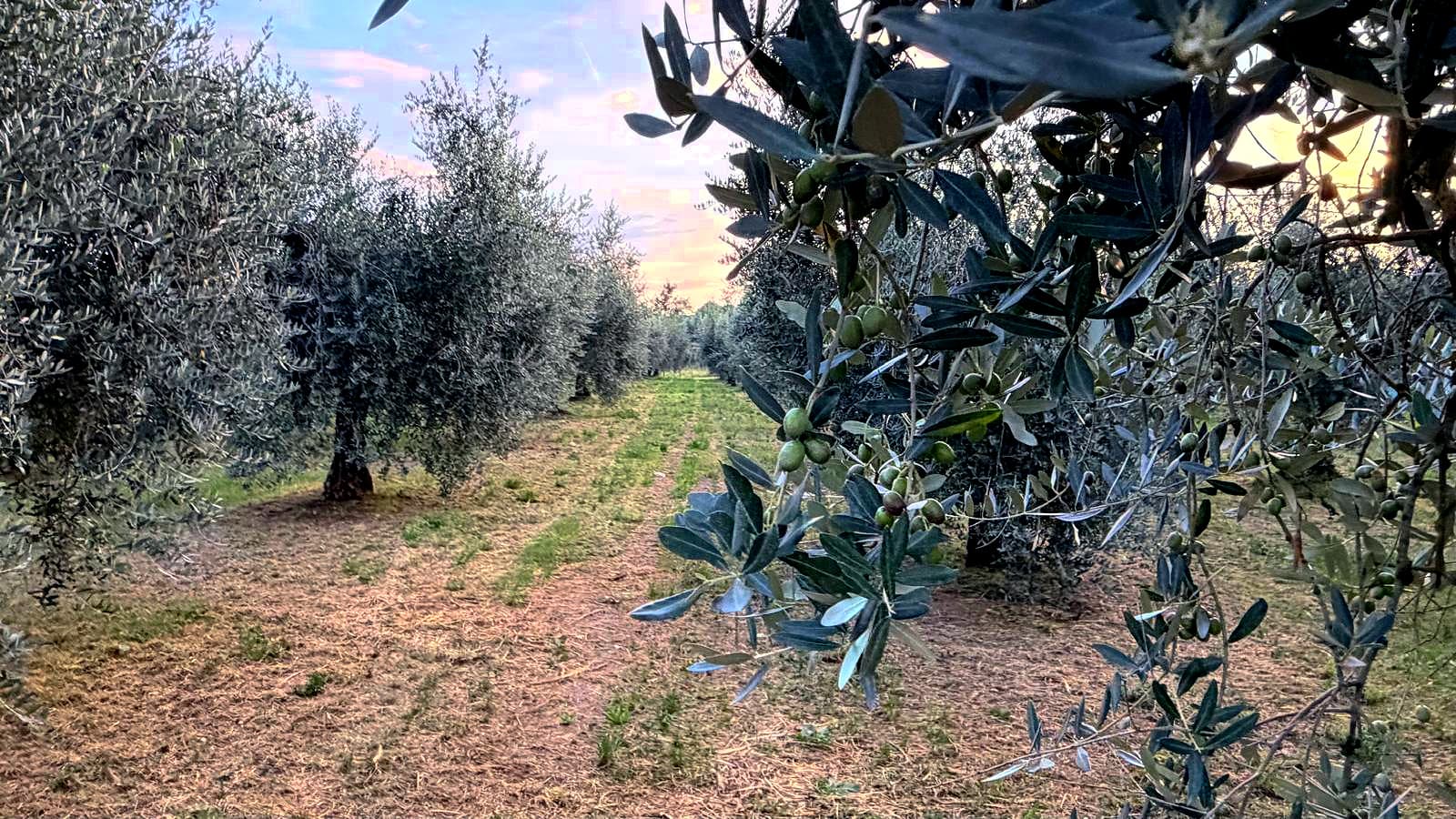
Videlle Bionatura collaborates with the University of Brescia and, thanks to its commitment to environmental stewardship, has become a destination for students conducting thesis research projects.
The next step will be to propagate the newly identified cultivars and monitor their performance, productivity, and resilience to current climatic pressures.
Alongside a core block of 6,000 trees, the company oversees another 10,000 spread across smaller groves of 500 to 1,500 trees, stretching from the hinterland to the shores of Lake Garda and spanning five municipalities.
Most of the groves follow traditional planting layouts of six by six and six by seven meters. A smaller share, planted in the 1990s, features denser spacings of six by three and five by three meters. The company has also established a few intensive groves with different cultivars under evaluation, which serve as trial plots for research.
The typical mixed planting of the older groves requires workers to identify and harvest specific trees by cultivar to produce each monovarietal oil. Combined with land fragmentation and the frequent presence of steep slopes and ancient terraces, this demands careful planning and additional work to coordinate personnel, machinery and equipment.
As a member of a local olive growers’ cooperative, the company currently processes its olives at the group’s mill. The next step is to install its own mill and complete the entire production cycle in-house.
Another area of the company’s activity is restoring abandoned vineyards, from which it produces wine and balsamic vinegar. Alongside its olive oils, the company features these products in educational experiences for visitors, including guided tastings, hikes, and picnics among the groves.
“One of the company’s core missions is to foster a culture of quality olive oil and its connection to respect for the environment,” Penitenti said. “Our orchards are part of a delicate and fragile ecosystem, and it is our responsibility to preserve it for future generations.”
“We continue to receive calls from across the Lake Garda area from landowners seeking our help and offering groves for lease,” Penitenti said. “We have the resources and workforce to support this kind of venture, even if, at the moment, further expansion of the project is becoming increasingly difficult, mainly due to the characteristics of the terrain and the fragmentation of the land.”
“Restoring an abandoned grove of 1,000 trees, for example, requires a significant investment and two to three years of work,” he added. “An established company can absorb those costs as part of its annual budget, but for a young farmer starting from scratch, the barriers are much higher.”
“Our aim is therefore to carry out the initial restoration work and eventually transfer the management of some of these groves to young farmers or new enterprises willing to preserve and enhance their value,” Penitenti said. “Safeguarding this heritage remains our motivation, and it is what drives us forward with the passion and determination that inspired the project from the beginning.”