
Global olive oil production is forecast to reach 3.74 million metric tons in the 2026/27 crop year, up 6.4 percent from the previous season, according to estimates released Monday by the International Olive Council (IOC).
The projected increase, driven largely by a recovery in European production, is expected to outpace consumption growth and help rebuild global olive oil stocks. Meanwhile, international trade is forecast to contract, presenting a mixed outlook for producers and exporters already facing pressure from falling prices.
The estimates, compiled from data submitted by IOC member countries during their annual statisticians’ meeting in November, suggest that global supply is recovering after several years of pronounced market volatility.
“The latest estimates for the 2026/27 crop year point to a larger harvest, stable global demand and a significant recovery in global stocks,” said Abderraouf Laajimi, the IOC’s deputy executive director for operational affairs.
“At the same time, consumption remains high, while international trade is slowing,” he added.
European production drives global recovery
The European Union is expected to produce nearly 2.4 million tons of olive oil, accounting for 63.9 percent of global output.
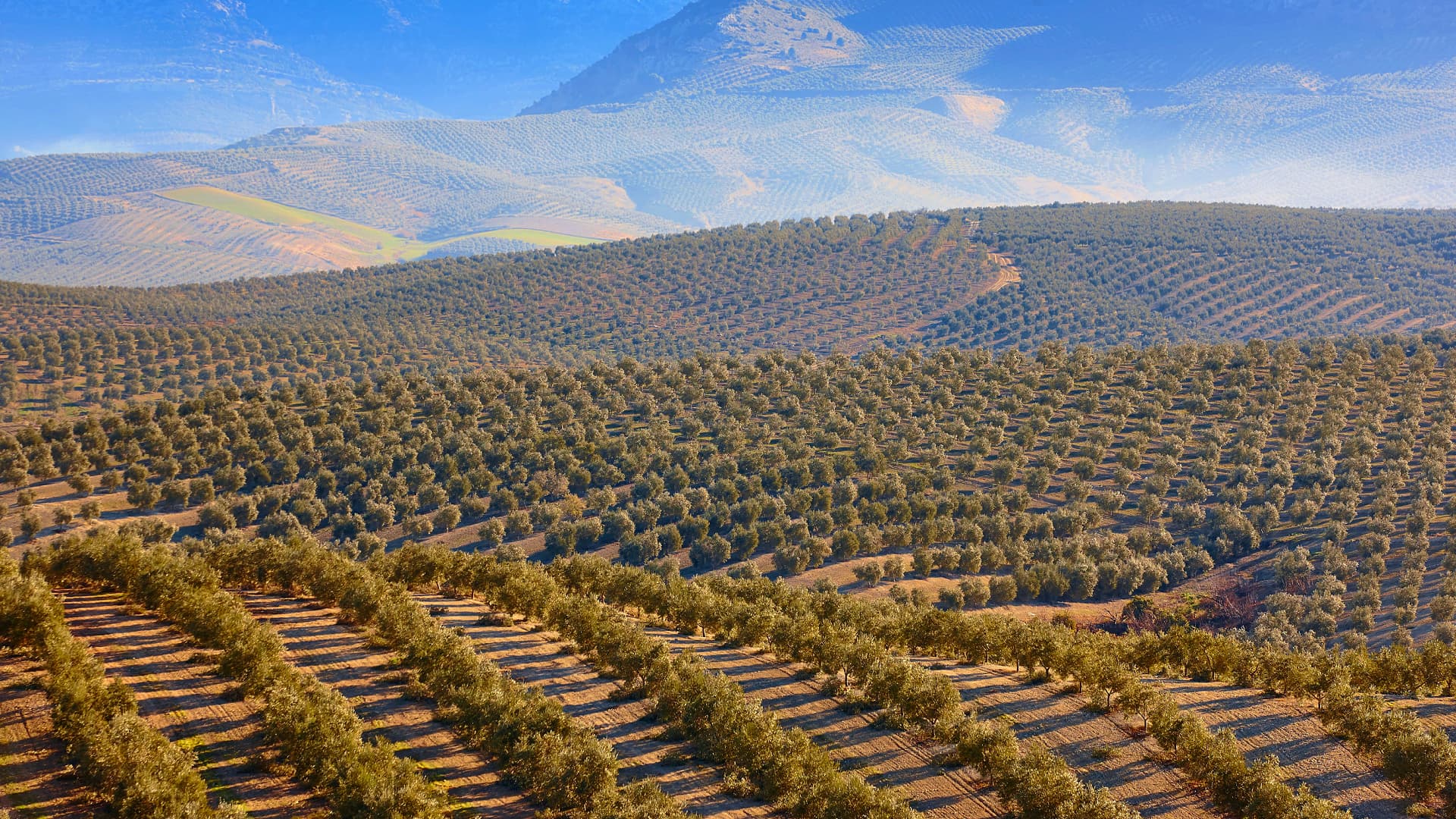
Spain, the world’s largest producer, is forecast to contribute approximately 1.6 million tons, representing nearly 43 percent of global production.
The figure is consistent with the Spanish Agriculture Ministry’s October forecast of 1.603 million tons, a 23 percent increase from the previous crop year. Favorable spring rainfall and flowering conditions supported the outlook, although high summer temperatures and harvest conditions remain important variables.
The anticipated increase has already prompted government intervention. As Olive Oil Times reported earlier this month, Spanish authorities ordered mills to withhold 12 percent of their 2026/27 production from the market until September 30, 2027, to stabilize prices.
The measure, equivalent to an estimated 188,000 tons, has divided the industry. Agricultural organizations have generally supported efforts to protect growers’ incomes, while bottlers, exporters and some premium producers have questioned the restrictions.
Elsewhere in Europe, production prospects are uneven.
In Greece, industry estimates point to a harvest of approximately 300,000 tons, potentially the country’s largest since 2022/23. Producers interviewed by Olive Oil Times in October reported improved conditions following several difficult seasons, particularly in parts of Crete, although low prices and high operating costs remain concerns.
Italy faces a different outlook. An October assessment reported by Olive Oil Times placed Italian production between 270,000 and 290,000 tons, approximately 20 percent below the previous season. Prolonged summer heat reduced yields in southern regions, particularly Puglia, while better conditions in central and northern Italy only partially offset the losses.
The IOC also identified Türkiye and Tunisia among the world’s leading producers. In Tunisia, an earlier industry forecast suggested production could decline to around 300,000 tons from approximately 500,000 tons the previous season, reflecting alternate bearing and weather-related pressures.
Consumption grows more slowly than production
Global olive oil consumption is expected to reach 3.42 million tons in 2026/27, an increase of just 0.8 percent from the previous crop year.
The projected production volume would exceed annual consumption by approximately 320,000 tons. Although that difference does not directly translate into an equivalent increase in ending stocks, it supports the IOC’s expectation of a substantial recovery in inventories.
Demand is expected to vary considerably across markets. Consumption in the European Union is forecast to rise by 6.6 percent, while other IOC member countries are expected to grow by 3.6 percent.
By contrast, consumption in countries outside the IOC is projected to decline by 8.3 percent, suggesting that demand remains vulnerable in some of the industry’s important international markets.
Spain and Italy will remain the European Union’s largest consumers, with projected consumption of 510,000 and 497,100 tons, respectively.
The divergence between rising production and comparatively modest consumption growth could intensify pressure on olive oil prices, particularly in markets where growers are already struggling to cover production costs.
In Spain, agricultural organizations have warned that declining farmgate prices are threatening the viability of traditional olive groves. An October report cited a 35 percent annual decline in extra virgin olive oil prices at origin, from €4.90 to €3.19 per kilogram.
Italian producers face similar pressures. In a recent Olive Oil Times report, growers described narrowing margins as lower market prices collided with persistently high harvesting, labor and milling costs.
United States remains the largest import market
The IOC expects global olive oil imports to decline by 10.5 percent to 1.152 million tons in 2026/27, despite the projected increase in worldwide production.
The United States will remain the largest importer, with purchases forecast at 406,400 tons, equivalent to 35.3 percent of global imports.
Brazil, Canada, Japan, China and Australia are also expected to remain among the principal destinations for internationally traded olive oil.
The U.S. outlook comes amid continuing concerns about retail prices and trade policy. In October, Olive Oil Times reported that tariffs were limiting the benefits American consumers might otherwise receive from lower international olive oil prices.
Joseph R. Profaci, executive director of the North American Olive Oil Association, said tariffs had created an additional price barrier for consumers, even as the industry sought to capitalize on growing interest in olive oil’s health benefits.
The IOC also expects imports into the European Union from outside the bloc to total approximately 188,800 tons, with Spain and Italy accounting for about 92 percent of those purchases.
That concentration reflects the two countries’ importance not only as producers and consumers, but also as processors, bottlers and distributors of olive oil sourced from other producing countries.
Global exports expected to fall 11.4 percent
Global olive oil exports are forecast to decline by 11.4 percent to approximately 1.194 million tons, with lower shipments expected from the European Union and Tunisia.
Increases in exports from Türkiye and other suppliers are expected to partly offset those declines.
The outlook represents a notable shift for Tunisia, where exports surged during the 2025/26 crop year. Shipments reached 381,200 tons during the first ten months of that season, up 50.8 percent from the corresponding period a year earlier.
However, the country’s continued reliance on bulk exports has raised concerns about the share of value retained by Tunisian producers. More than 85 percent of the olive oil exported during that period was shipped in bulk, much of it to Spain and Italy.
Within the European Union, Spain and Italy are expected to account for 85.8 percent of olive oil exports to destinations outside the bloc.
The IOC’s forecasts underscore a central challenge facing the international olive oil industry: a production recovery does not necessarily translate into stronger returns for growers.
For consumers, improved availability could help moderate prices following years of supply disruptions. For producers, however, larger harvests, recovering inventories and slower trade may make profitability increasingly dependent on production costs, product differentiation and access to markets.
The estimates remain preliminary and may change as the harvest progresses. Actual production, consumption, and trade flows will determine how much of the projected surplus carries into the following crop year.