
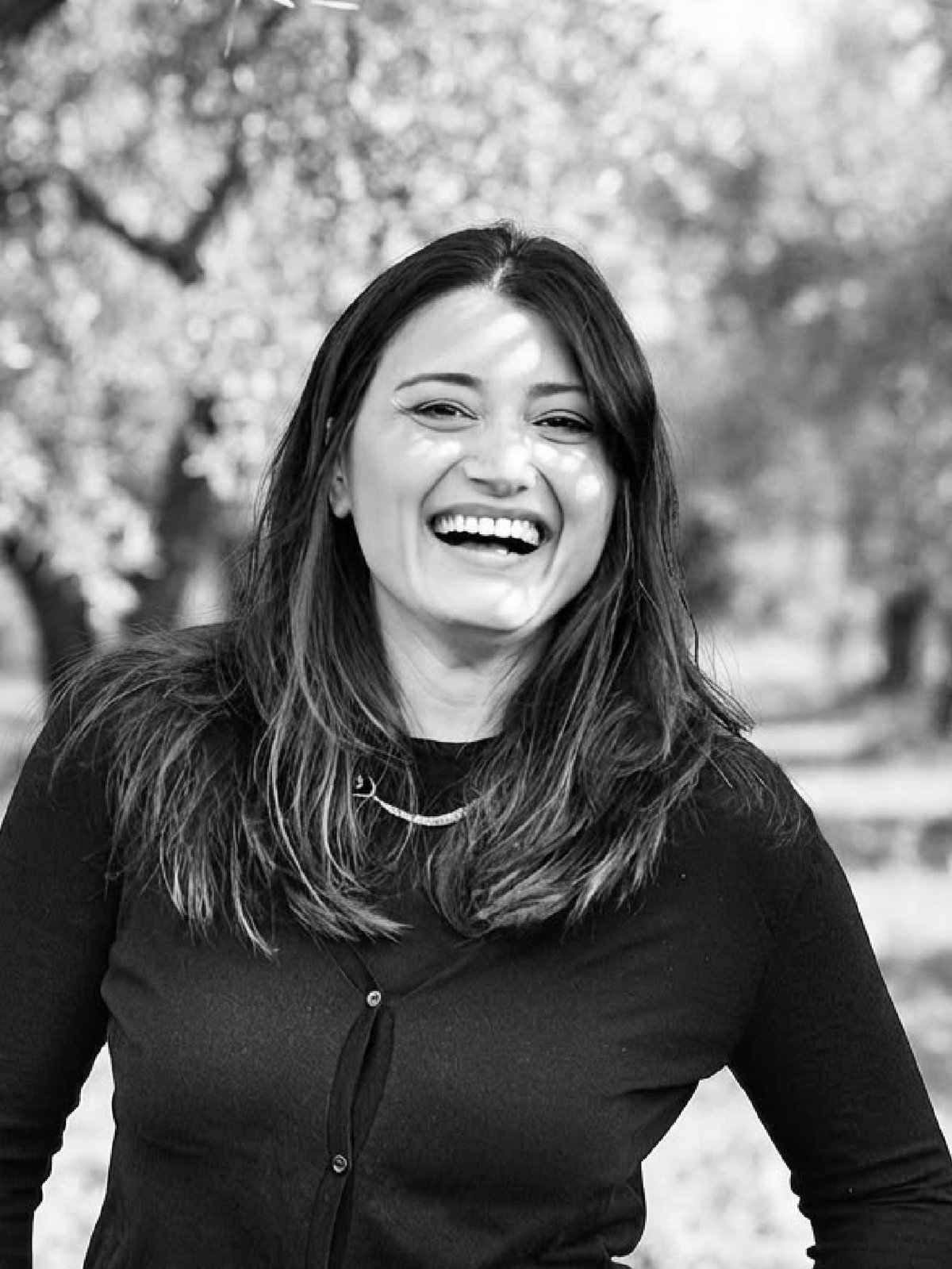
As the United Nations marks the International Year of the Woman Farmer, Olive Oil Times turns its attention to the women shaping the olive oil sector. Although women have long worked in olive groves, their presence has increasingly extended into one of the industry’s most traditionally male-dominated workplaces: the olive mill.
Across Italy, more women are entering the profession. While they remain a minority, they are making their mark in producing high-quality extra virgin olive oil.
Because I was a woman, I had to work twice as hard. Yet, it was a real-life education, and it ultimately made me stronger.
With the harvest underway and mills operating at full capacity across the country, three professionals shared their experiences with Olive Oil Times and reflected on how the industry has changed.
In Pineto, in the central Italian region of Abruzzo, Ortenzia Matalucci has run her family’s olive mill since the mid-1980s.
“In my town olive cultivation was widespread, and my husband’s grandfather, followed by his father, owned an olive mill, where they pressed olives for third parties. I had an office job from which I took a break when my children were born. I had no previous experience in olive oil, but a series of fortunate circumstances led me to take over the mill,” she recalled.
“In our area, that was a predominantly male profession. My father was skeptical at first, worried that I would be taking on a job that seemed at odds with my academic training and might require considerable physical labor.”
To acquire the necessary skills, Matalucci attended courses in olive growing and oil production technology and trained as a taster.
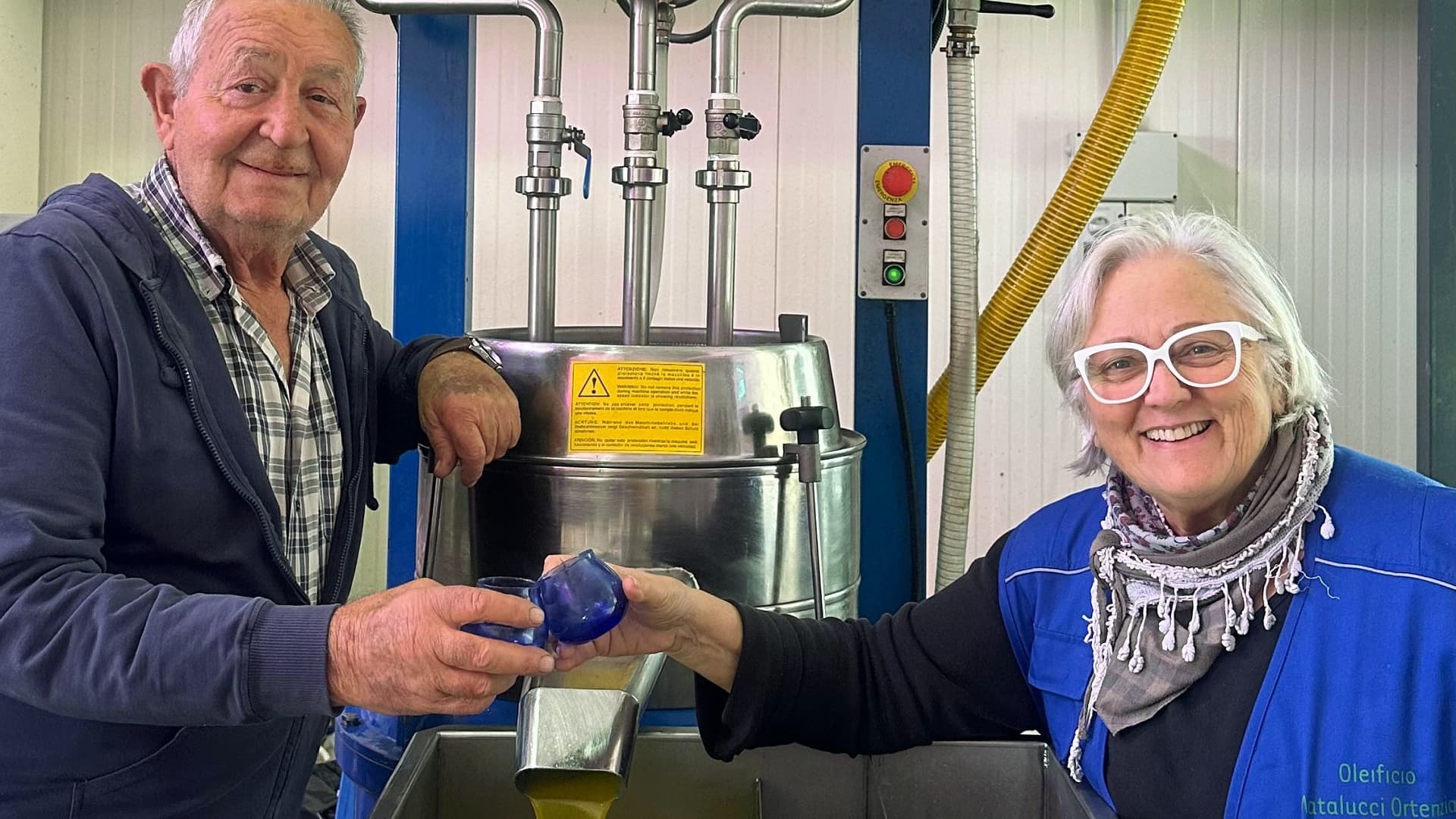
Ortenzia Matalucci and her husband, Gino De Luca, at their family olive mill in Pineto, Abruzzo, where Matalucci has overseen production since the mid-1980s.
“Seeing a woman in an olive mill was truly an exception when I started,” Matalucci said. “Many clients did not trust me. I remember one who, upon seeing me operate a forklift, begged one of my employees to replace me, fearing I was incapable of doing the job and might spill the olives.”
“Since we were processing olives for third parties, we were constantly under scrutiny. Because I was a woman, I had to work twice as hard. Yet, it was a real-life education, and it ultimately made me stronger.”
Matalucci went on to develop extensive expertise, eventually becoming president of the Olive Millers Association within Teramo’s Industrial Union, a position she held for eight years.
“In the mid-1990s, I began offering educational activities in the mill, after a local seaside resort asked me to organize events for their international tourists,” she said. “They were just the first of a series of oleotourism experiences that we have since expanded and continue to offer to our guests.”
Today, these activities take place in a dedicated area of the facility, which has undergone a complete transformation over the years, including the installation of a modern continuous-cycle milling system and a redesign of its spaces.
The company continues to process olives for other growers while producing its own extra virgin olive oils from several cultivars, particularly local varieties such as Dritta.
“Things have changed completely now, with more and more women working in the mill,” she added. “My three daughters have other jobs, but they have also developed a strong interest in this activity and started supporting me. I am delighted to see that I have succeeded in passing on to them the passion for this wonderful work, and that they are willing to carry it forward.”
In Puglia, food technologist and miller Sabrina Pupillo works as a consultant for agri-food companies, helping producers improve product quality.
Her responsibilities include overseeing the milling process to produce oils with sensory profiles suited to her clients’ target markets.
“I usually ask the mill staff to leave the machinery partially disassembled, so that upon arriving at the facility I can immediately verify that every component is perfectly clean,” she said.
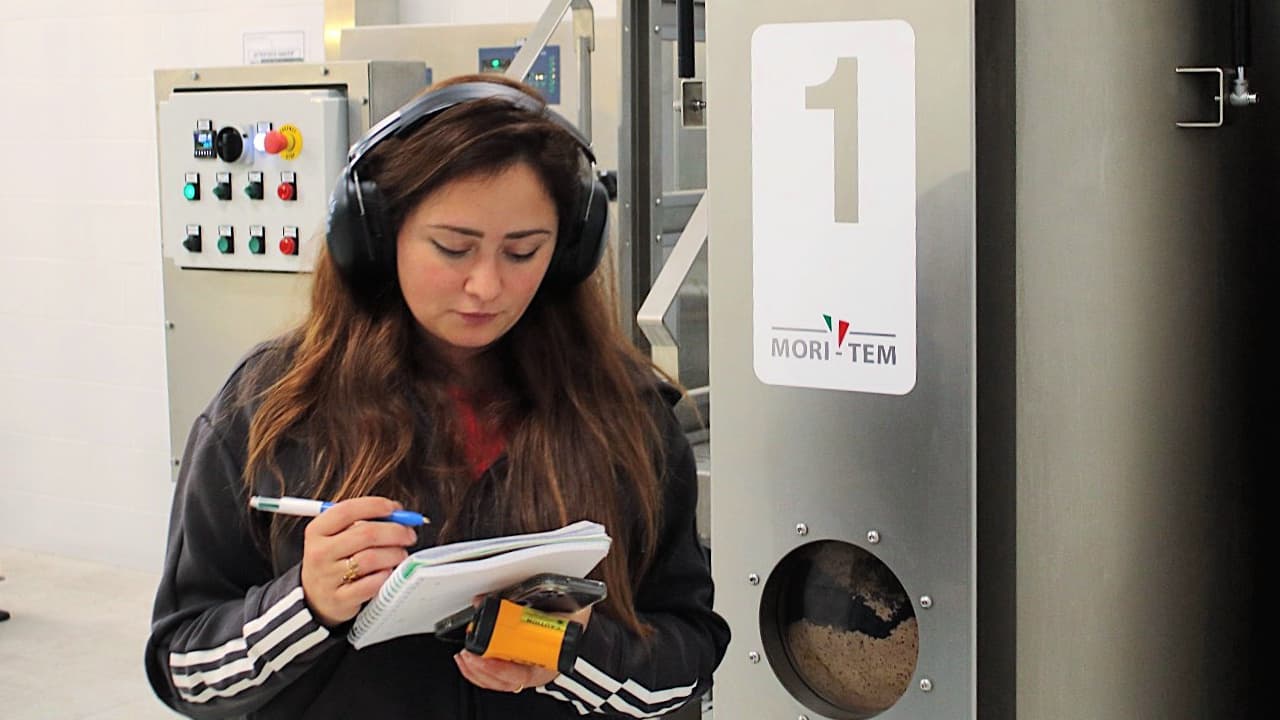
Sabrina Pupillo, a food technologist and olive miller based in Puglia, records production data while overseeing the milling process to achieve the desired quality and sensory characteristics of extra virgin olive oil.
“A quality olive oil starts in the field with carefully selected and healthy fruit. Cultivar choice and harvest timing are key to obtaining the desired profile, the achievement of which requires carefully setting the milling system’s operating parameters and fine-tuning them whenever necessary.”
For Pupillo, successful milling requires more than technical proficiency with the equipment. It also demands a thorough understanding of how an oil’s chemical and sensory characteristics develop during extraction.
“Mastering the milling process entails a deep understanding not only of the machinery but also of the chemistry and biochemistry of the oil throughout the process,” she said.
“My dedication to this field comes from a lifelong passion for olive oil. For my master’s degree in food science and technology I wrote a thesis focused on how the chemical and sensory characteristics of oils changed using different crushers and at different fruit ripening stages. It was essentially a preview of the work I would later go on to do.”
After working in Spain, Pupillo returned to Italy to focus on quality certifications and food safety before a mill in her region recruited her as a consultant.
“I am grateful that, at 28, I was given an opportunity by a company that decided to trust me and invest in me when I had virtually no experience,” Pupillo recalled.
“I remember that, during one of my first jobs, another male technologist had to act as an intermediary between me and the workers, despite having no milling knowledge himself, because they would not accept decisions coming from a woman, let alone one so young by industry standards.”
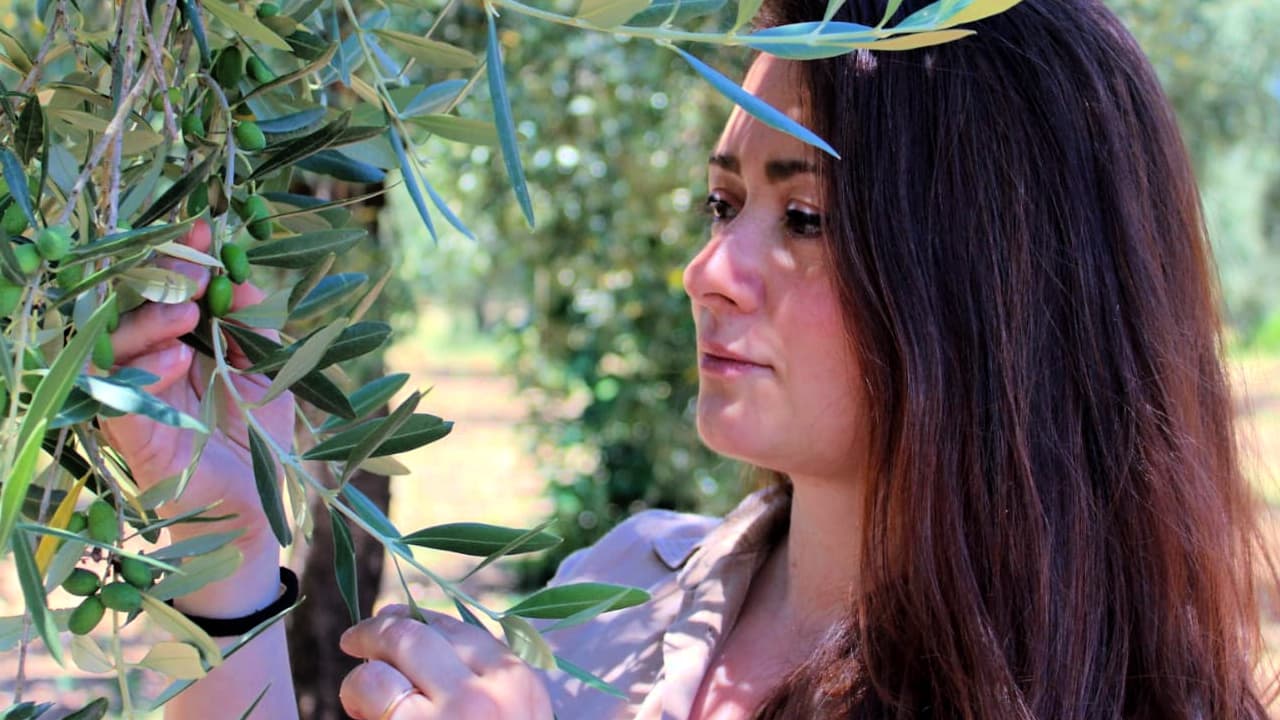
Sabrina Pupillo examines olives before milling, assessing fruit quality, variety and ripeness to help determine the processing parameters needed to achieve the desired sensory profile.
Over the following 12 years, she witnessed a marked change in attitudes toward women working in olive mills.
“Twelve years have passed, and now things have changed so much that I even heard a new client say, ‘I sought you out for your expertise and also because you are a woman,’” Pupillo said. “Today, unlike in the early days, when I enter a mill for the first time I am met with a genuine willingness to listen and exchange ideas.”
During extraction, Pupillo frequently tastes the freshly produced oil to assess its developing profile and adjust milling parameters when necessary. She uses the horizontal malaxers as an improvised desk, taking handwritten notes and recording details for later evaluation.
“It is a wonderful profession and also one that creates constant tension, as you have only a single moment to make decisions that cannot be undone,” she said. “Olive oil is a living, evolving substance. When you taste it in the mill, fresh from extraction, it has just been born, and you must have the foresight to understand how it will develop over time.”
“I find this to be a creative profession,” she added. “To do it well, it is vital to engage with other professionals and exchange insights on tastings and the milling process. We must never forget that the success of an extra virgin olive oil is always the result of teamwork.”
Farther south, in Calabria, Angela Librandi oversees milling operations at Tenute Librandi, the family company she manages with her four siblings, Carmela, Lucia, Michele and Pino.
“I remember that, as a little girl, I had so much fun at my grandfather’s mill pressing the pedal that filled the pads with the olive paste,” she recalled. “And when the oil finally began to flow, it was such a wonderful sight to me.”
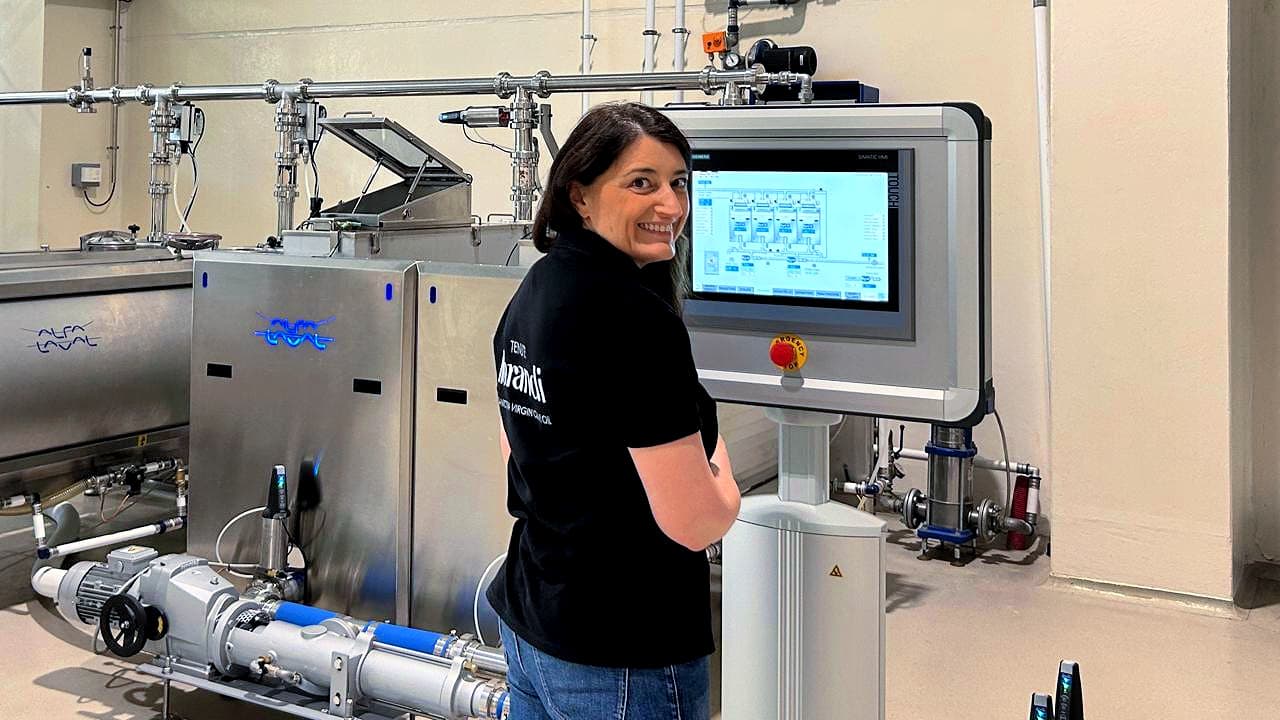
Angela Librandi at the controls of the modern olive mill at Tenute Librandi in Vaccarizzo Albanese, Calabria, where she has overseen milling operations for more than two decades.
As was common in rural Italy, the family home stood directly above the mill in the Calabrian village of Vaccarizzo Albanese. The Librandi siblings grew up around the millstones, where a large fireplace served as a gathering place and meals were often shared with customers waiting for their olives to be pressed.
“The mill has always been a place where people gathered to socialize and almost felt at home. Some would bring wine and food, turning the milling season into a truly festive occasion. That was the case at least until the late 1970s, and it is remarkable to think how we went from that chaotic atmosphere to the highly controlled environment of today,” Librandi said.
“In the early 1980s, my father, who was very far-sighted, decided to install a modern, continuous-cycle mill. While initially we worked for third parties, we later shifted to producing exclusively our own olive oil.”
Today, the modern mill stands at the center of a 230-hectare organic estate, where olive and citrus trees grow on rolling hills overlooking the Ionian coast.
The family produces a range of premium extra virgin olive oils, including monovarietals and blends made from Carolea, the area’s signature cultivar, alongside Frantoio, Nocellara del Belice, and Giarraffa.
“Women have always been present in the mill but virtually never in an operational role,” Librandi observed.
“I guess that, because milling was long perceived as a job requiring physical strength, especially due to the mechanics of the older machinery, it has long been regarded as off-limits to women. As society evolved, olive growing practices and milling technologies advanced as well, and the cultural barriers that have weighed on this profession for so long have finally fallen.”
Librandi studied agricultural science in Florence, where she also deepened her understanding of sensory analysis and its role in guiding the milling process.
“Even my father, with his open mindset, had initial reservations about my working in the mill. But he eventually placed his trust in me and I got to conduct some trials. It was during the 2003/2004 harvest, and from that moment on, I never stopped,” she recalled.
“In the beginning, the greatest resistance came from another mill operator. He could not believe I understood the machinery, and we often clashed over operational decisions. I still remember one occasion when I suggested reducing the malaxation time and he did not want to do it.”
“Looking back, it makes me smile. The same goes for the curiosity aroused by the fact that a woman was running the mill. One day someone came by just to see me and ask, ‘Is it true you’re the miller?’”
With more than two decades of experience, Librandi continues to earn recognition for her expertise, driven by a lasting interest in quality and milling technology.
“Now the industry has evolved in step with broader societal change, and continues to develop at a rapid pace,” she said.
“As someone who has always been fascinated by technology, I hope that, together with my fellow women millers, we have contributed to normalizing the presence of women in technical fields, while harvest after harvest, creating more space for future generations of women to follow.”