



Argentina

Feb. 23, 2024
After Bumper Harvests, a Sharply Lower Yield in Argentina
An ‘off-year’ harvest, lack of chill hours, and extreme weather events are expected to reduce the yield by as much as 40 percent.

Feb. 19, 2024
Major Changes in Argentina Provide Hope for Producers
The election of a conservative government has provided some producers with hope that Argentina’s economic situation – along with their own – will begin to improve.
Feb. 19, 2024
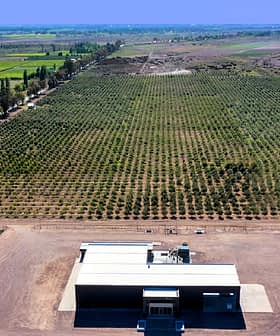
Quality Is Key in El Mistol’s Drive to Grow in Argentina, Expand Exports
The producer hopes the new government’s policy agenda and the company’s investments to expand production will improve profitability and grow the local consumer base.
Nov. 9, 2023
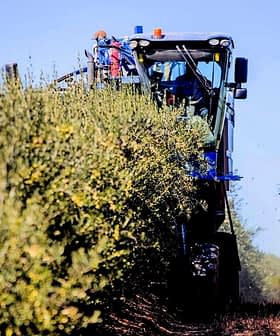
An Award-Winning Finish to A Fruitful Harvest in The Southern Cone
After bumper harvests in Chile, Argentina and Uruguay, producers demonstrated their quality with a combined 14 awards at the world’s largest olive oil quality contest.

Aug. 29, 2023
World Olive Oil Competition Southern Hemisphere Live Updates
The NYIOOC World Olive Oil Competition is unveiling award winners in the Southern Hemisphere division of the annual quality contest. Olive Oil Times writers around the world are covering the results and reactions.

Aug. 2, 2023
Olive Oil Producers in Argentina Beat the Heat, Enjoy Fruitful Harvest
After three below-average harvests, producers in Argentina expect a return to the norm. However, inflation continues to create problems for domestic sales and exports.

Feb. 9, 2023 Production
Producers in Argentina Grapple with Inflation Ahead of 2023 Harvest

Feb. 6, 2023 News Briefs
Argentina's Germplasm Bank Supports Mission to Preserve Olive Cultivars

Oct. 10, 2022 Producer Profiles
Solfrut Sets Sights on Expanding Domestic Market as Production Grows

Jun. 22, 2022 The Best Olive Oils
NYIOOC Wins Waylay Economic Woes for Producers in Southern Cone

May. 5, 2022 News Briefs

May. 4, 2022
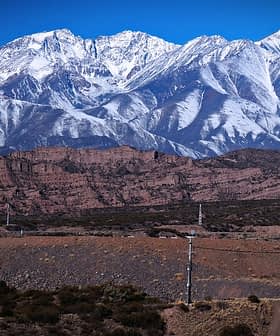
Argentina Likely to Host Olive Council's Fourth Olive Germplasm Bank
During a recent visit, the IOC also discussed technology transfer, production improvements and adding the Arauco cultivar to the World Catalog of Olive Varieties.
Mar. 9, 2022
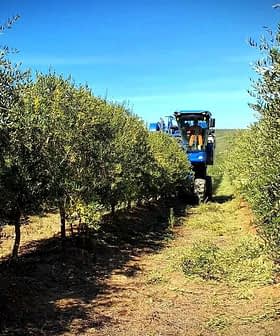
Argentina Receives Its First Geographical Indication for Olive Oil
Local producers and officials believe the country’s first PGI will promote the local Arauco variety and hope other regions will follow.
Jun. 30, 2021
South American Producers Celebrate NYIOOC Victories After Tough Year
The pandemic and difficult climatic conditions hampered the harvests of Argentina, Chile and Uruguay, yet these producers managed to win the industry's most coveted quality awards.

Jun. 7, 2021
Inclement Weather Dampens Argentina Olive Harvest, But Quality Remains High
Estimates for the 2021 harvest see production falling or remaining steady. Producers say they are more concerned about exports and prices.

Apr. 26, 2021
South American Olive Oil Conference Goes Online
Attendees can listen to prerecorded lectures on a range of topics online. Presenters see this as a positive step for the continent’s olive oil sector.
Jun. 29, 2020
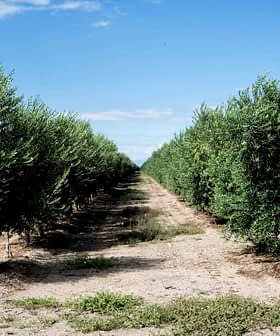
Production Declines Again in Argentina
While some producers simply entered an off-year in 2020, others had trouble finding workers to harvest their olives. Low global olive oil prices have also made production less profitable for all in the sector.
May. 5, 2020
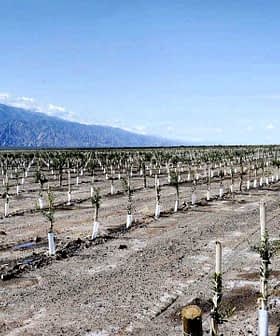
Pandemic Delays Argentina's Exports
Dropping demand for table olives and olive oil in Brazil combined with low prices for both mean many producers are having problems remaining solvent. Some are getting emergency loans while others cut costs.

Jan. 30, 2018
Poor Olive Harvests in Europe Lead to Boom in Exports From Mendoza
Olive oil sales in Mendoza doubled this year, mostly to Brazil, Canada, Chile, the United States, Mexico and Spain.

Nov. 21, 2017
Bi-Oceanic Corridor Would Boost Argentina's Exports
The Minister for Planning and Industry in La Rioja said that the provincial government had already been in talks with seven other provinces in both Argentina and Chile about making headway on the project.

Nov. 10, 2017
Heavy Rains Don't Dampen Enthusiasm of Argentina's Olive Oil Exporters
Recent floods have mostly spared Argentina's olive plantations as producers and exporters remain upbeat about the sector's potential.
Nov. 1, 2017
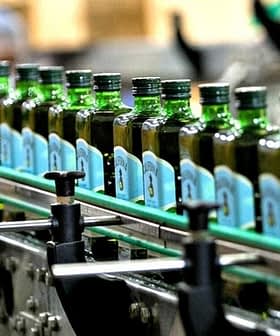
California Olive Ranch Looks Abroad
CEO Gregg Kelley called an alliance with producers in Argentina “an opportunity to bring a diverse portfolio to our customers while growing our network of farms and grower partners.”

Aug. 16, 2017
California Olive Ranch Joins with S. American Producers in New 'Americas Blend'
The leading American olive oil producer is sourcing oils from South America in its continuing pursuit of market share.
Jun. 16, 2017
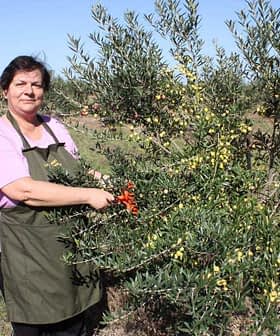
Argentina's 'La Reconquista' Conquers New York
Cherished for its well-balanced, harmonious flavor, the olive oil from Argentina's Olivares La Reconquista earned the coveted Best in Class Award at this year's NYIOOC.
May. 8, 2017
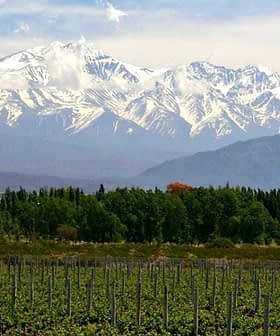
Argentine Oils: From 'Plan B' Crop to Award Winners
In wine-soaked Argentina, EVOO is beginning to make its mark.
Sep. 8, 2014
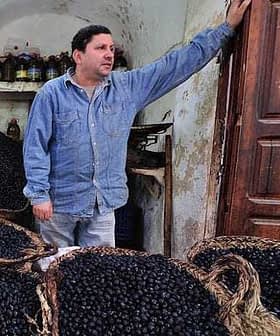
Morocco, Argentina Seek to Increase Olive Production
Plans are underway in both Morocco and Argentina to increase the output of olives and olive oil.