



What Recent Rains Mean for California Farmers
After years of drought, rain has once again returned to California. While many are celebrating, others are dealing with negative consequences including flooding and delayed harvests.

Recent heavy rainfall in California is seen as a positive end to the drought, but not all farmers will benefit as flooding and water damage negatively impact harvesting for certain crops. The rain may help olive farmers, who are less affected by drought, as they require less water to produce a favorable yield and may see increased oil volumes later in the year.
As climate change continues to wreak havoc on weather patterns around the world, California has welcomed the recent heavy rainfall as an end to the drought that has plagued region for the past few years.
Most of the recent rainfall will be collected in reservoirs and aquifers for use in future months, but not all farmers will benefit from the heavy precipitation and reports show that many growers are experiencing flooding and water damage that could negatively impact and delay harvesting for certain exported food crops.
Recent estimates from the Center for Investigative Reporting reveal that a third of all revenue generated by California’s food industry comes from exports, which have tripled in value over the past decade. Exporting farmers growing spinach, lettuce and oranges (California’s signature winter crop) are among the worst affected by the rain.
Muddy conditions, mildew and standing water are preventing farmers from pruning seasonal tree crops as well as harvesting and planting produce. An estimated two million acres of irrigated farmland in California could be abandoned due to the recent flooding, and with thousands of locals depending on these farms for employment, local communities could also suffer.
California has long been a water-scarce state, with farmers regularly depending on groundwater and stored rainwater as a means to irrigate crops during the dry periods. The recent rainfall has not been even across the region but will be able to alleviate dry conditions in both Northern and Southern California.
As Agricultural Expert and UCCE Farm Advisor Emeritus Paul Vossen explained, “two of the largest reservoirs in northern California also feed into the water distribution system that sends water to Southern California. So, while Southern California has not received enough rainfall to completely fill their reservoirs from rainfall runoff, their drought status has been reduced due to the greater availability of water from the north.”
The rain is likely to be welcomed by olive farmers in the area, although they are less affected by the drought due to olives being a hardier crop. According to Vossen, part of California’s success with growing olives can be attributed to the fact that as an agricultural crop, olives grown for oil only require about half of the water that other crops need to produce a favorable yield.
UC Davis Olive Center executive director Dan Flynn told Olive Oil Times that the reinvigorated water supply may encourage growers to irrigate more, which would help increase oil volumes later in the year. According to the Agricultural Market Research Center, supplemental irrigation is encouraged despite the drought tolerance of the olive tree, as it allows for maximized shoot growth and fruit size, which leads to a better yield of fruit (and therefore oil) per acre.
Currently, California is responsible for producing the vast majority of olives in the United States, and has been commercially producing olives since the 1800s. The area is home to over 400 olive oil producers.
Related Articles
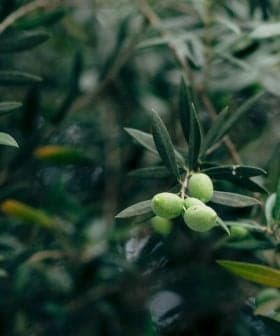
Jul. 23, 2025
Egypt Proposes Geographical Indication for Ras Sedr Olive Oil
Egypt's Ras Sedr region has proposed new GI for local extra virgin olive oil, aiming to add value to production and boost sustainable farming.

Feb. 3, 2025
Century-Old California Table Olive Canner Faces Permanent Closure
Extreme weather events and financial challenges mean Graber Olive House might have canned its last batch of its iconic table olives.
Feb. 3, 2025
Emigration, Infrastructure Hamper Albanian Agriculture
As olive oil production rises in the southern European country, transport and storage infrastructure are not keeping pace.

Feb. 18, 2025
Global Organic Farmland Continues Steady Expansion
Organic olive cultivation surpassed 825,000 hectares in 2023, a 32 percent increase over the course of a decade.
Jun. 28, 2025
Family's Love for Italian Cultivar Shapes Generations of Success
The Carroccia family-run olive farm in central Italy produces a celebrated Itrana monovarietal, rooted in love for the unique cultivar and its connection to the 'village of longevity.'
Jul. 8, 2025
Jordan Launches Campaign to Support Olive Sector
Jordan's Ministry of Agriculture has launched a national campaign to modernize the olive oil sector, focusing on quality, sustainability and public awareness.
Oct. 29, 2025
Hot, Dry Start to Autumn Lowers Production Estimates in Spain
The lack of rain and high temperatures at the start of autumn have led Spain’s leading cooperative to lower its harvest estimate.
Sep. 22, 2025
Navarra’s Aceite Artajo Marries Cutting-Edge Tech with Centuries of Olive Oil Heritage
From smart irrigation and solar-powered cooling to trials with dozens of olive varieties, the family-run estate is blending innovation with heritage to produce award-winning organic extra virgin olive oils for markets at home and abroad.