A New ‘Greek Mark’ for Olives and Olive Oil
Seven companies in Greece that produce table olives and extra virgin and virgin olive oil were the first in the country to display a “Greek Mark” on their labeling, part of a project to distinguish Greek products in foreign markets.
Seven companies in Greece that produce table olives and extra virgin and virgin olive oil were the first in the country to display a “Greek Mark” on their labeling, part of a project that aims to identify various products of Greece to distinguish them in foreign markets.
It will help consumers easily discern Greek quality olive oil on the supermarket shelves.
The legislation that enabled the mark, which resembles a Greek flag, for edible olives and olive oil became effective last August. It contains the prerequisites the products must fulfill, initially requiring that a vertically integrated production process exists totally in Greece.
For olive oil, it means that all the stages of the production must take place within the country: growing the fruit, processing and packaging and exporting the final product.
See Also: The best olive oils from GreeceBeyond certifying the origin of the products, it is hoped the mark will provide an added value for the Greek olive industry.
The Greek Mark is seen as another tool to fight olive oil falsification and adulteration and help limit the quantities of olive oil being sold in bulk in the country and abroad.
Vassilis Kokkalis, the deputy minister of agriculture, stated that the safe road for Greek agricultural products in a highly competitive global market is to be clearly recognized worldwide by using the symbol. He sent an open invitation to companies in the olive oil industry to fulfill the requirements and earn the mark.
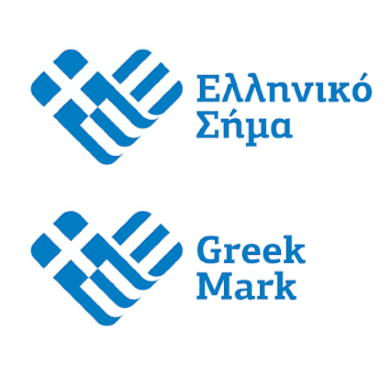
The Greek Mark
Two of the companies that have been awarded the mark spoke with Olive Oil Times.
Emmanouil Karpadakis of Terra Creta, one of the larger producers of Crete, expects the Greek Mark to strengthen their branding abroad. “It is something that will help us communicate the quality of our products in international markets,” he said.
“It will help consumers easily discern Greek quality olive oil on the supermarket shelves from mixtures of olive oil from other countries and of ambiguous quality,” he continued. “We currently send our products to 42 markets all over the world, but we expect that the mark will draw more attention in European countries and in the U.S. than in China or African markets.”
Karpadakis said that more Greek companies should opt for the mark to help them stand out from the competition, provided that their products match the quality the mark proclaims to deliver.
Olico Brokers, a company based in Athens, said they already use the Greek flag on their olive oil packaging, and they expect that the mark will further enhance their presence in foreign markets. “We believe it will prove useful, and it will give even more credit and recognizability to our quality products,” they said.
They also underlined that everybody wishing to sell olives or olive oil with the mark on the label should be aware that there are strict production and quality criteria to be met.
Global competition in the olive oil and table olives sector is fierce and it requires a high level of branding. The mark is awarded by Elgo-Dimitra, an organization charged with promoting agricultural research and education, and by the General Chemical State Laboratory of Greece.
There is an online registry allowing anyone to search for products carrying the Greek Mark.