



EU Helps Sustainable Growers in Spain, But US Tariffs on Table Olives Loom
As Europe helps farmers adopt sustainable agricultural practices in olive groves, the legality of proposed U.S. tariffs on Spanish table olives is contested.

Olive farmers in Andalusia are set to receive €10.6m from the regional government to implement sustainable agricultural techniques, with the aid package benefiting almost 8,000 growers and part of a larger EU initiative. The Minister of Agriculture, Fisheries and Rural Development believes that supporting olive producers not only helps the environment and quality of production, but also boosts the economy of Andalusia.
Olive farmers in Andalusia are awaiting a €10.6m windfall from the region’s autonomous government.
The Minister of Agriculture, Fisheries and Rural Development promised the money to olive producers in 2016 to help them implement sustainable agricultural techniques. According to Rodrigo Sanchez Haro, olive cultivation is an important part of Andalusia’s economy and helping farmers, in turn, helps the rest of the economy.
The closure of the U.S. market for exports of Andalusian black olives is endangering two million wages.
“What is good for the field is good for you,” Haro said. “Agricultural aid contributes to obtaining quality production, protects the environment, guarantees income levels and boosts (the economy).”
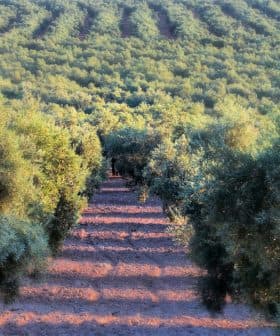
Almost 8,000 olive growers will presumably benefit from the environmental aid package, which is aimed at preventing erosion and soil degradation in olive groves as well as increasing the organic matter content of the soil.
The aid package is part of a larger European Union initiative to reward farmers for sustainable practices. The EU has already provided more than €34m to the region for this purpose.
In 2016, more than 15,000 olive producers were recipients of the aid package.
In order to receive the aid, olive producers must agree to follow a strict set of environmental policies for at least five years. These include replacing chemical-based fertilizers with natural ones and planting native shrubs among olive groves.
According to Haro, 73 percent of these proposed policies have already been achieved.
A spokesperson from La Aceitera Jaenera, an Andalusian olive oil company that works closely with local olive producers, said the majority of olive growers in the autonomous community are receiving the aid. This will help olive growers manage their costs for the upcoming harvest.
“The aid is paid through the Junta de Andalucia, by the European Union to all olive farmers who meet the established requirements, which is the majority,” the spokesperson said. “Normally the aid is used by the farmers to pay the expenses of harvesting; for the new harvest that will start soon.”
For this and other reasons, the spokesperson said that the aid will not affect olive oil prices.
Haro believes that the money will help the Andalusian olive industry at a time of uncertainty.
Meanwhile, the U.S. has provisionally decided to impose new tariffs on Spanish table olive imports in order to protect domestic production in California. “The U.S. values its relationships with Spain, but even friendly countries must play by the rules,” U.S. Commerce Secretary Wilbur Ross reportedly said.
Europe claims that its support to Spanish producers is consistent with World Trade Organization rules because it does not target a single industry or product.
“We met with (government officials and local olive producers) to analyze the current situation and continue with coordinated actions in defense of the table olive sector, the legality of European aid received by the sector, and the jobs it generates,” Haro said.
“The closure of the U.S. market for exports of Andalusian black olives is endangering two million wages, 300 companies and around 8,000 jobs, mainly in the region of the Sierra Sur de Sevilla.”
Related Articles

Apr. 14, 2025
Oppose Tariffs on Healthy Foods Americans Need
Tariffs on olive oil could harm American consumers and their health. NAOOA is working to educate policymakers and prevent increased prices.
Oct. 8, 2025
Summer Heat Trims Andalusian Olive Oil Output
Andalusian olive oil production is forecast to fall 5.5 percent to 1.08 million tons in the 2025/26 crop year, as an exceptionally hot and dry summer offset the benefits of abundant spring rains.

Dec. 30, 2024
New Deoleo CEO Inherits Legal and Financial Challenges
Cristóbal Valdés, a seasoned executive, will steer the world's largest olive oil bottler through legal challenges and debt restructuring.
Jun. 4, 2025
An Ambitious Goal to Sell 4 Million Tons of Olive Oil by 2040
Spain’s agriculture minister has set a global target of reaching four million tons in annual olive oil sales by 2040, but some experts see this as overly optimistic.

Jul. 8, 2025
Europe Endorses Olive Oil Standard Changes Despite Industry Divide
The new standards established by the European Union and the International Olive Council have raised concerns among several European producers.

Jun. 4, 2025
Carbon-Capturing Power of Olive Groves Measured
New findings shed light on the climate potential of olive groves, offering a promising role in carbon sequestration efforts.

May. 27, 2025
Trump Delays Tariff Deadline on EU Imports
Trump delayed a proposed 50 percent tariff on EU imports to July 9th, citing trade barriers and taxes. The U.S. is Europe' top olive oil importer.

Nov. 21, 2025
Somontano Secures PDO Status, Boosting Traditional Producers in Aragón
Producers in Aragón are celebrating the new PDO for Aceite del Somontano, which protects native olive varieties and centuries-old terraced groves shaped by the Pyrenees.