



Egypt Aims for Significant Increase in Olive Oil Exports
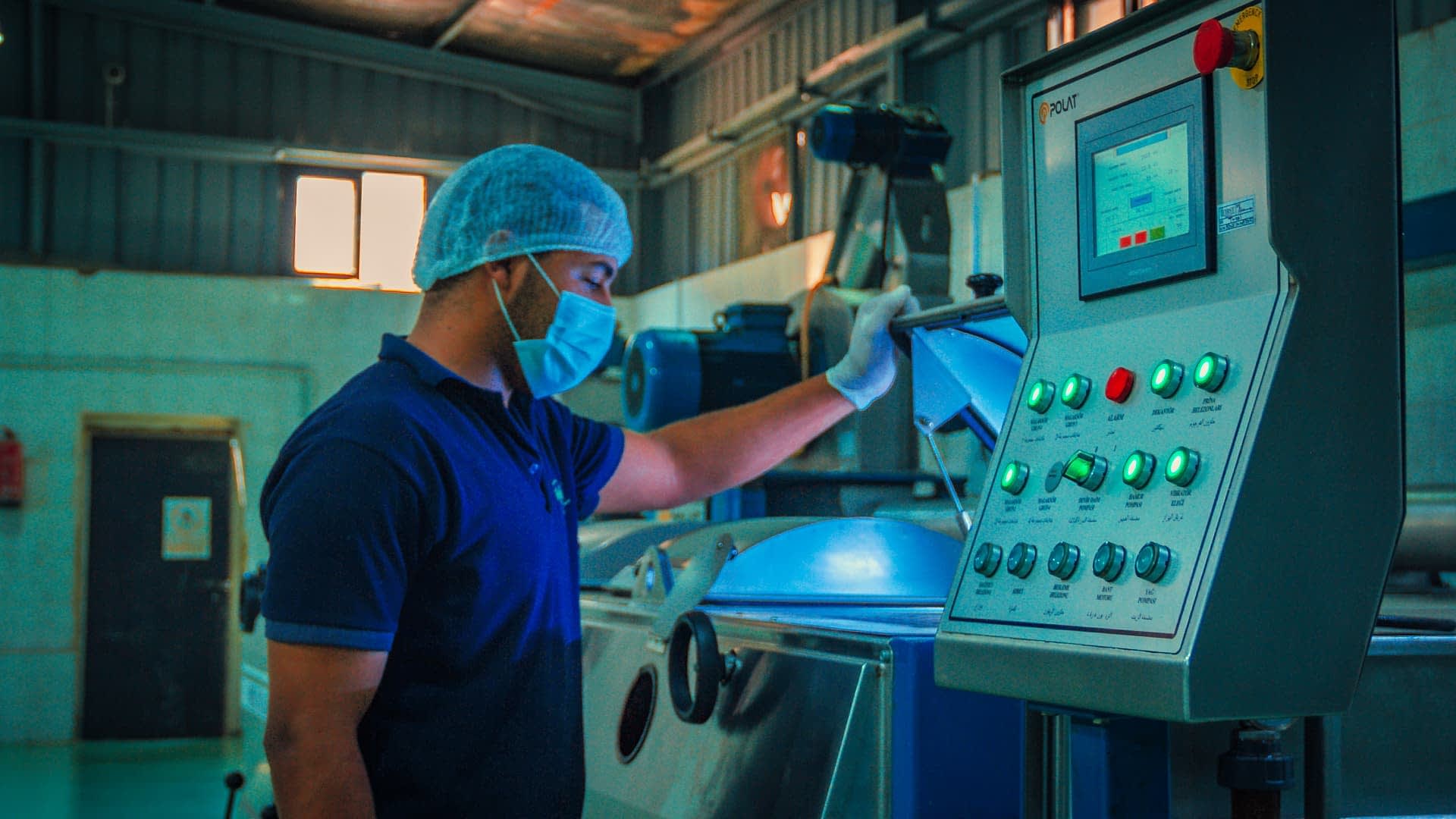

Egypt is focusing on increasing olive oil and table olive exports, with plans to export 1,000 metric tons of olive oil and 100,000 tons of table olives in the 2023/24 crop year. Challenges such as political instability, bureaucracy, and limited access to credit are hindering Egyptian producers, but investments in technology and sustainable practices are improving the quality of Egyptian olive oil.
Officials in Egypt have highlighted the role of table olive and olive oil production as strategic sectors with promising export potential, but the country faces significant challenges.
According to International Olive Council data, Egypt was anticipated to export 1,000 metric tons of olive oil and 100,000 tons of table olives in the 2023/24 crop year, which concludes at the end of September. Egypt is the world’s third-largest table olive exporter after Spain and Turkey.
Maysa Hamsa, the Egyptian Chamber of Commerce’s executive director, called on a meeting of producers, government officials, regulators and researchers to develop a plan to increase olive oil exports.
Producers need to study foreign markets that demand olive oil and identify the specific varieties and standards these markets require to align production with market preferences.
Reda Abdel Jalil, the chamber’s director general of technical affairs, noted that Egypt’s steady olive oil production levels, which have fallen below 40,000 tons only once in the past six crop years, coinciding with poor harvests in the past two years in other parts of the Mediterranean created an opening for exporters.
Egypt produced an estimated 40,000 tons of olive oil in 2023/24, virtually all of which was sold domestically. Some producers in the country said they anticipate a good harvest in 2024/25.
“This season, we experienced a particularly fruitful and abundant harvest,” Ramy Naguib Rammah, the co-owner of Rammah Olive Oil, a family-owned producer, told Olive Oil Times.
See Also:Olive Oil Production Becomes Increasingly Viable in OmanWhile Rammah said that exporting olive oil is part of the company’s plans, the company is focused on the domestic market — Egypt is home to 117 million people — and developing tourism.
“Our primary focus is on the local market, where we aim to raise awareness about olive oil and revive Egypt’s rich history in its production and uses,” he said. “While exports are part of our plans, they are not our top priority now.”
“The prices we offer to the Egyptian market are significantly more profitable than the low offers we receive from importers compared to the high-quality extra virgin olive oil we offer,” he added.
Egyptian producers are struggling due to political instability, excessive bureaucracy, a shortage of skilled labor and limited access to credit.
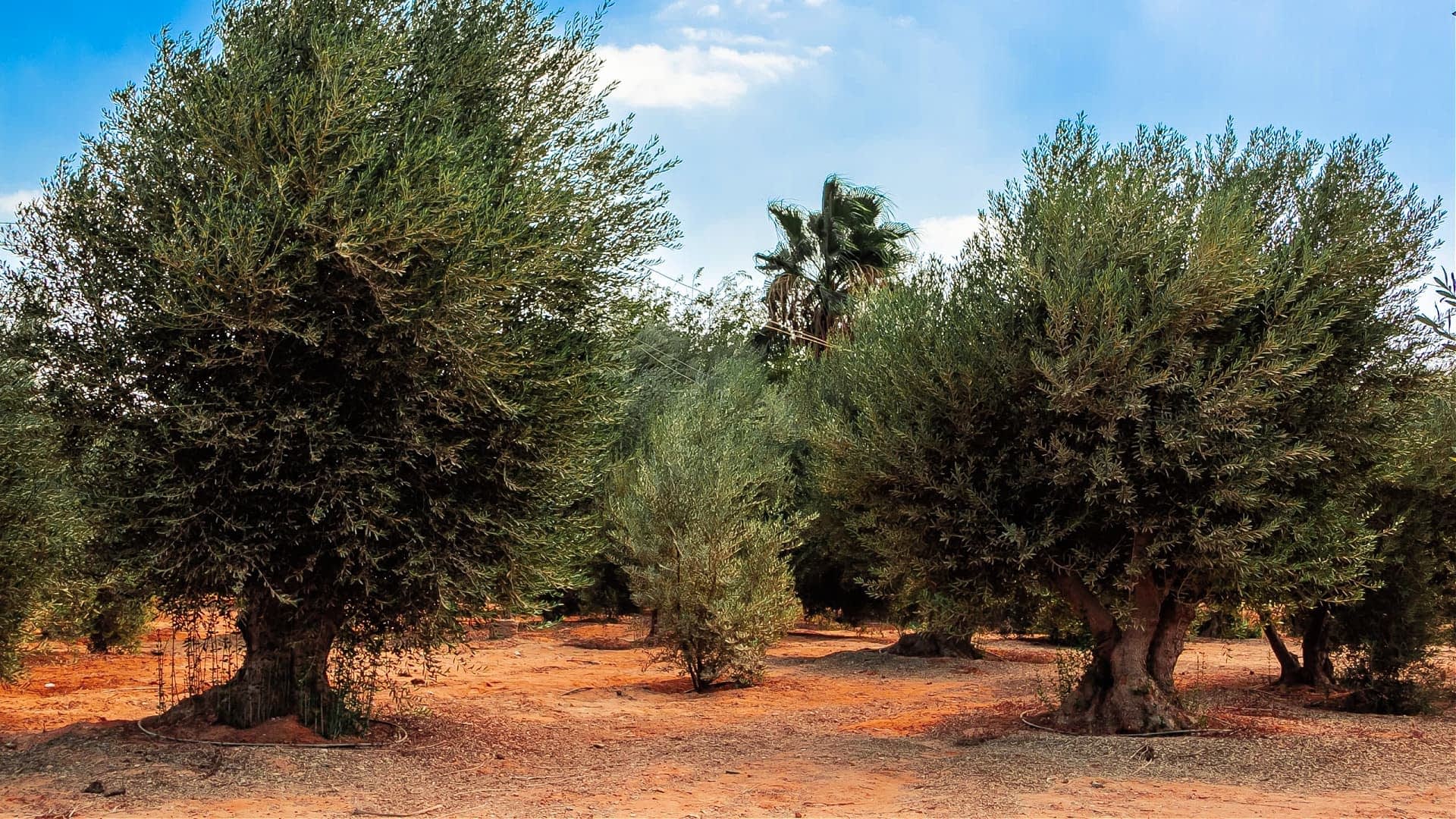
Egypt has planted 23 million olive trees since 2015 with plans to plant 77 million more. (Photo: Mostafa Elshourbagy)
Global events have led to the devaluation of the Egyptian pound, high inflation and a lack of foreign currency. Increased table olive and olive oil exports are seen as a way to bring in Euros and U.S. dollars and help the economy.
“While Egypt is one of the largest olive oil producers, it faces many challenges in agriculture, production and export,” Shayma Said El Araby, an economist, told local media. “The main issue hindering Egypt’s leadership in olive oil cultivation and export is the lack of experience and knowledge among farmers.”
Rammah is among the producers investing in state-of-the-art milling equipment as part of the company’s focus on quality over quantity.
“We are using new technology and have two automated continuous lines: One is a three-phase line, and the other is a two-phase line, and both run with maximum efficiency,” he said. “We also have a quality control unit, a laboratory to test peroxide levels and acidity and a tasting panel to grade each product on a sensory level to identify defects.”
Indeed, Rammah said the quality of Egyptian olive oil has improved in recent years due to technological advancements. He added that farmers adopt sustainable practices to add value and reduce costs throughout production and marketing.
“Our olives are pesticide-free, GMO-free and hand-picked,” Rammah said. “We maintain a small bee farm for pollination and employ the best water conservation practices, including drip irrigation systems and other innovative methods to minimize water usage and prevent wastage.”
“Additionally, we utilize renewable energy sources, primarily solar power,” he added. “We are the first brand in Egypt to implement traceability and transparency in the olive oil supply chain, ensuring [customers can follow our] sustainable practices from farm to bottle.”
Attendees at the Chamber of Commerce meeting emphasized the need to expand olive cultivation for oil production and plant new high-density and super-high-density groves while maintaining Egypt’s strong position in table olive production. In 2023/24, Egypt produced 600,000 tons of table olives, nearly one-fourth of the global total.
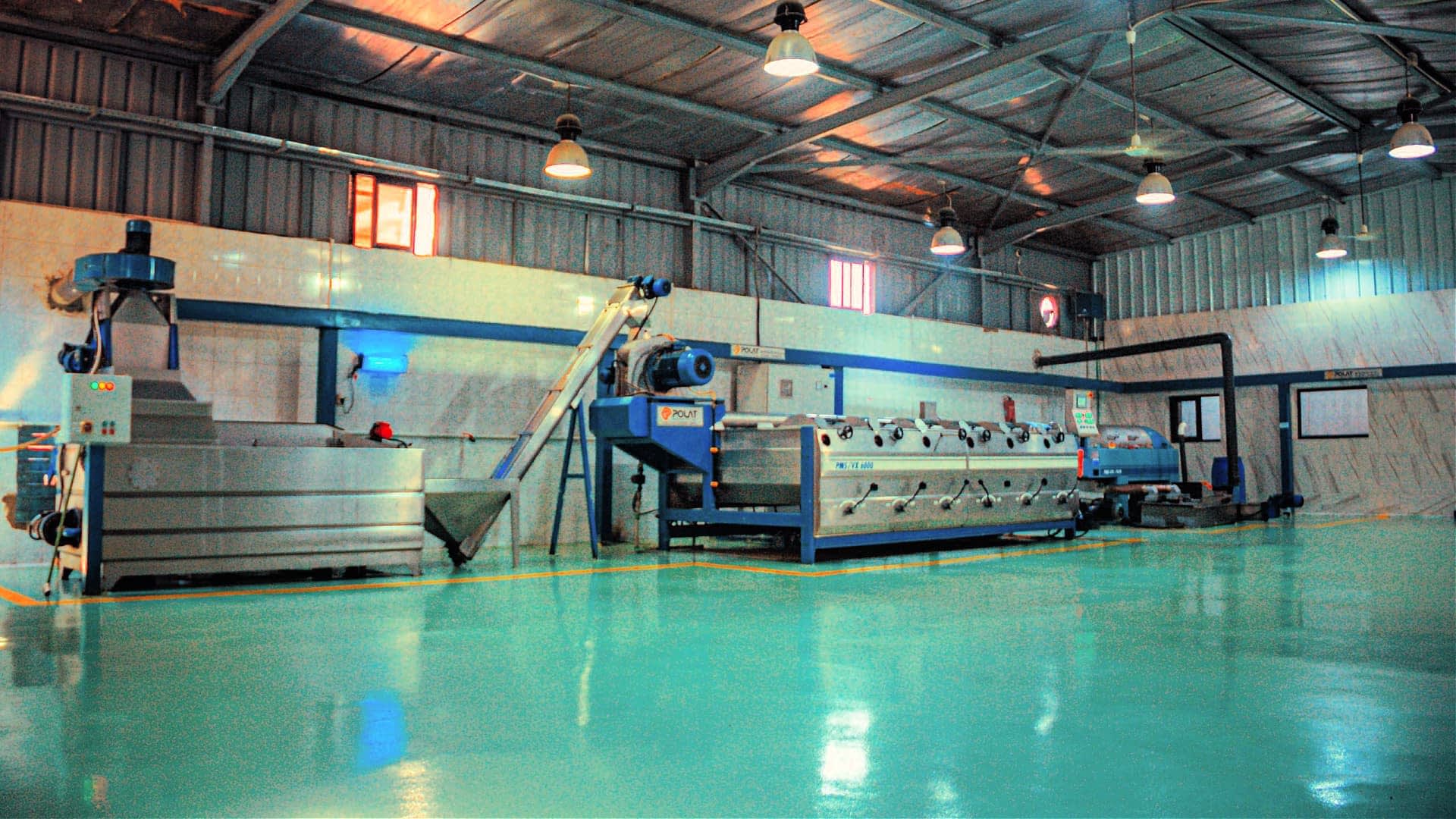
Rammah Olive Oil currently sells on the domestic market, but has plans to expand into exports. (Photo: Mostafa Elshourbagy)
Ministry of Agriculture and Land Reclamation data cited in local media show that Egypt has about 97,000 hectares of olive groves in production, with another 11,300 hectares expected to come into production soon.
According to the General Authority for Investment and Free Zones, Egypt has planted about 23 million olive trees since 2015, when President Abdel Fattah El-Sisi announced plans to plant 100 million olive trees.
“The Egyptian government has undertaken a significant project to expand green spaces,” Rammah said. “They actively encourage foreign investments and export opportunities by removing any obstacles investors might face. Additionally, they have made remarkable progress in reducing bureaucracy.”
“It is unclear whether other olive oil producers are hesitant to export or actively engage in exporting,” he added. “What we know for certain is that active exporters currently export olive oil primarily in bulk format. We aim to export a final packaged product made in Egypt, which we are confident can compete with high-end brands globally.”
Yahia Mohamed Metwally Khalil, a professor of agricultural economics at the National Research Center, told local media that officials and producers must identify and target specific markets where Egyptian olive oil will receive the most considerable returns.
“Producers need to study foreign markets that demand olive oil and identify the specific varieties and standards these markets require to align production with market preferences,” he said.
Related Articles
Oct. 24, 2025
Tunisia Eyes Record Olive Oil Production
Tunisia expects a record 500,000-ton olive oil harvest, a 50 percent increase from last year, strengthening its economy and global standing among top producers.
Oct. 29, 2025
Spain Sets Surplus Mechanism for Olive Oil
Spain published a marketing rule allowing temporary olive oil withdrawals in surplus years, aiming to stabilize prices and protect farmgate income ahead of the 2025–2026 campaign.
Oct. 8, 2025
Summer Heat Trims Andalusian Olive Oil Output
Andalusian olive oil production is forecast to fall 5.5 percent to 1.08 million tons in the 2025/26 crop year, as an exceptionally hot and dry summer offset the benefits of abundant spring rains.
Mar. 21, 2025
Rising Value of Extra Virgin Olive Oil Exports Boosts Italy’s Agrifood Sector
A 45% surge in Italian extra virgin olive oil export value, now at €2.5 billion, contributed significantly to the nation's record-breaking €69 billion in agri-food exports.
Nov. 5, 2025
Falling Prices and Fraud Claims Cloud Tunisia’s Olive Oil Boom
Tunisian producers face shrinking margins even as shipments climb, with European lawmakers probing claims of financial irregularities behind collapsing prices.
Aug. 5, 2025
EU Accepts 15% Tariffs on Olive Oil Exports to U.S.
Europe agreed to accept 15 percent tariffs on table olives and olive oil in a trade deal with the U.S., causing concern and backlash from stakeholders.
Sep. 22, 2025
The Essential Guide to Harvesting Olives
The olive harvest is an essential step in extra virgin olive oil and table olive production. From timing to methodology, every aspect of the harvest makes a difference.
Apr. 14, 2025
Tunisia Seeks Trade Deal to Avert 28 Percent Export Tariff
Tunisian diplomats are working to negotiate a better trade deal with the U.S. to avoid a 28% tariff on key sectors like olive oil and dates.