Pakistan Establishes National Olive Council
A new National Olive Council will guide Pakistan’s fast-growing sector, as officials push to align with global standards and join the International Olive Council.
The Pakistani minister for National Food Security & Research, Rana Tanveer Hussain, announced that a National Olive Council is being established to guide the sector’s rapid development.
The Council will oversee all aspects of olive production, including marketing, export strategies and long-term planning for the growing industry.
Loralai Olives is just the beginning. We will continue to support farmers, entrepreneurs and innovators who are transforming Pakistan’s agriculture.
An official from the Ministry explained in an interview that public and private stakeholders will participate, with priorities including farmer support, expanded research, oleotourism promotion and events aimed at improving national production.
Officials added that the Council will help reach rural communities and expand economic opportunities in regions where agriculture remains the primary livelihood.
Speaking at the Al Baraka Pakistan Olive Summit 2.0, a national event focused on sector development, Rana Tanveer stated that Pakistan is actively pursuing membership in the International Olive Council (IOC), the intergovernmental body operating under the auspices of the United Nations.
He said joining the IOC would support Pakistan’s integration into international trade, research networks and quality frameworks essential for the sector’s next phase of growth.
The membership effort aligns with ongoing work to adopt globally recognized production standards through investments in infrastructure, research and development.
The announcement follows recent meetings in which Pakistani and IOC officials discussed Pakistan’s IOC bid and evaluated opportunities for cooperation.
During the summit, Rana Tanveer highlighted that 6.3 million olive trees are now under cultivation across Pakistan, supported by a series of national projects that continue to expand tree planting and farmer engagement.
Improving product quality remains a central objective as producers adopt modern extraction systems and build a stronger culture of high-quality olive oil production.
Thanks to national and international funding, including a recent Italian initiative that provided €1.5 million for sector development, dozens of new mills have opened in the past decade. Programs also help farmers modernize operations and train technicians in advanced processing practices.
These efforts are beginning to show results. At the 2025 NYIOOC World Olive Oil Competition, Pakistan’s Loralai Olives secured a Silver Award for LO, its Arbequina monovarietal.
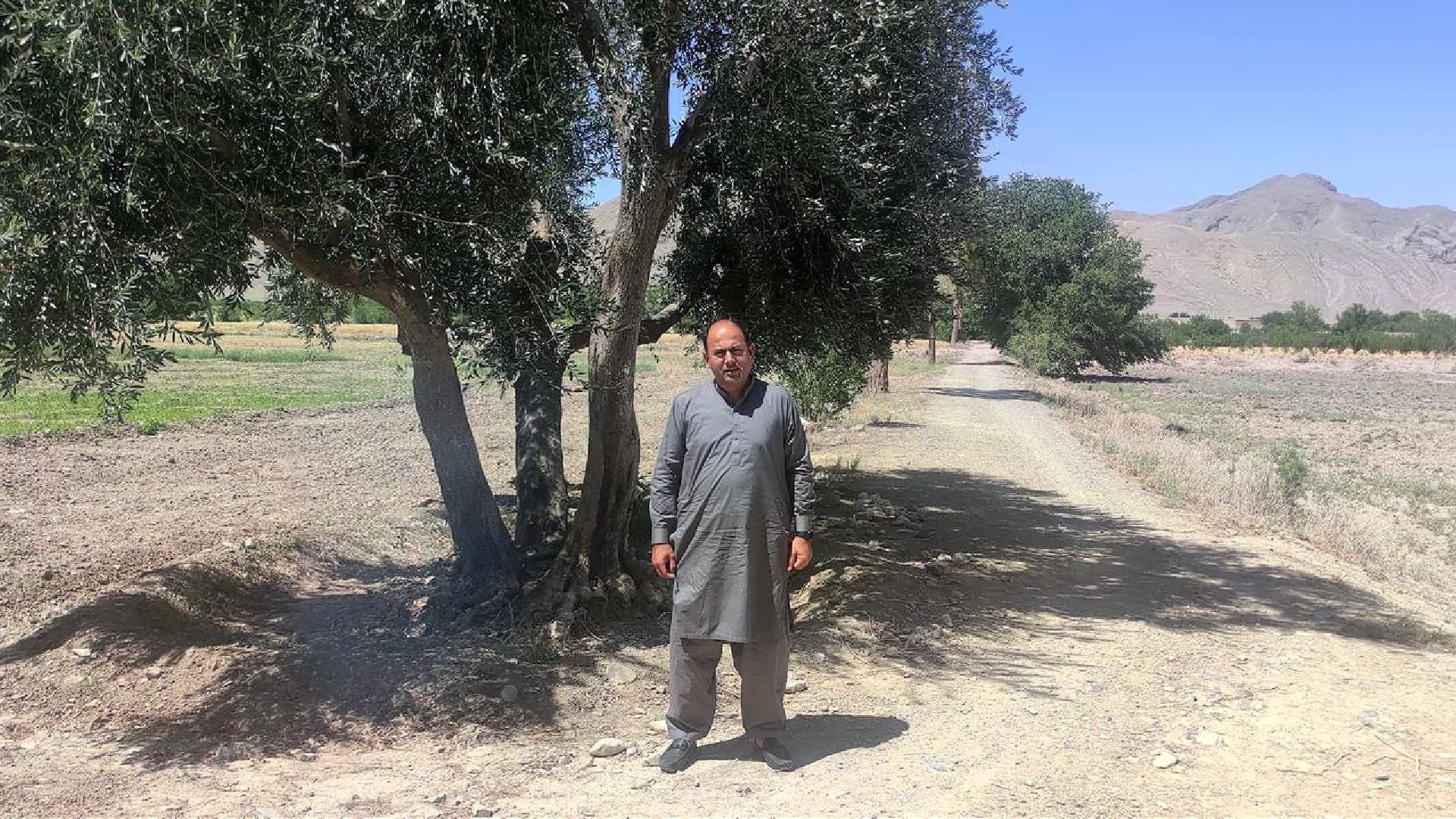
Shaukat Rasool, the chief executive and founder of Loralai Olives
The oil is produced by growers in Balochistan using modern milling facilities installed through government-backed initiatives.
Reacting to the award, Rana Tanveer said in May that “this global recognition is a proud moment for every Pakistani and a validation of our Ministry’s long-standing efforts to build a self-reliant agriculture sector. Loralai’s victory is Pakistan’s victory.”
He added that the achievement is a direct result of the Olive Cultivation Initiative, launched in 2012, which provided certified saplings, extraction units, storage and bottling infrastructure and training in quality assurance, branding and export readiness.
Noting Pakistan’s €4.5 billion annual imports of edible oil, the Minister said the NYIOOC result “proves that we have the land, climate and talent to reverse that trend.”
Nearly one hundred olive-related startups have received government support as part of a broader development initiative.
“We are building a new narrative, from import dependency to export excellence. Loralai Olives is just the beginning. We will continue to support farmers, entrepreneurs and innovators who are transforming Pakistan’s agriculture,” he said.
“We dreamed of Pakistan being recognized among the leading olive-producing nations. To achieve that, it was clear that a top-class, internationally competitive brand was necessary,” Loralai Olives co-founder Shaukat Rasool told Olive Oil Times after the NYIOOC award.
The IOC has invited the Pakistani minister to participate in World Olive Day celebrations on November 20 in Córdoba, Spain.