



EU Introduces Standards for Use of Reclaimed Water for Irrigation
 Apr. 24, 2020 09:38 UTC
 Isabel Putinja
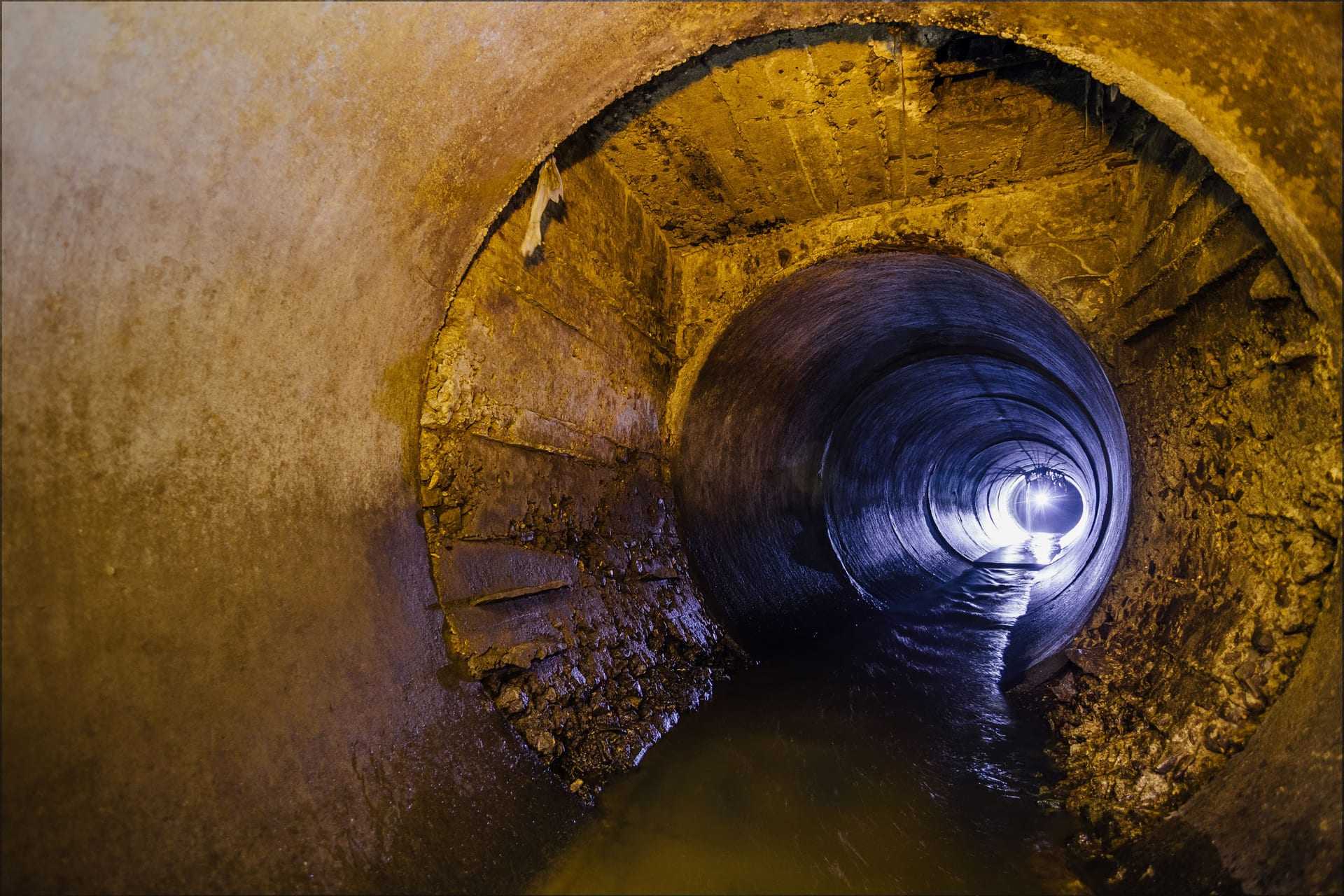
The European Union is implementing new regulations to promote the use of reclaimed water for agricultural irrigation in order to address water availability and quality issues exacerbated by climate change. The proposed measures include harmonized minimum standards for water quality to ensure the safety of using treated urban wastewater for irrigation, with the next step being approval by the European Parliament before becoming law.
The European Union (EU) is moving forward with new measures to promote the use of reclaimed water for agricultural irrigation. The aim of the new EU regulation is to improve water availability and quality for the irrigation of farmland through the use of treated urban wastewater. The initiative addresses the risk of drought-like conditions increasing pressure on water resources due to new, climate-change fueled weather patterns.
It makes sense to set harmonized minimum standards for reclaimed water quality and for compliance monitoring so that our farmers can use reclaimed water.
Italy, Spain and Greece have already been using reclaimed water from cities to irrigate farmland. Other countries have not yet explored this method to recycle and reuse wastewater and only a handful of EU member states have national standards or legislation on water reuse.
In the current context of climate change and the threat of water shortages, using recycled water on farms may become increasingly necessary. For these reasons, the EU has come up with standards for water quality for agricultural irrigation.
The newly proposed measures include minimum standards for water quality across the EU to ensure that the use of retreated wastewater for the watering of crops is safe for the environment as well as human and animal health.
The proposed legislation takes into account the varied geography and climate across the EU and the fact that some countries may not even need to use reclaimed water for irrigation.
See Also:Climate Change Is Transforming How Plants and Soil InteractOn April 7, the Council of the EU adopted a “Position of the Council at first reading with a view to the adoption of a Regulation of the European Parliament and of the Council on minimum requirements for water reuse.”
The proposed measures were first announced in June 2019 during the Romanian Presidency of the EU.
“Water is a precious resource. Today is an important step in putting in place new rules which will enable us to reclaim water in a way which is safe for humans and animals, and good for the environment,” said Ioan Deneș, the Romanian minister of waters and forests. “It makes sense to set harmonized minimum standards for reclaimed water quality and for compliance monitoring so that our farmers can use reclaimed water. Part of this is about learning from the experience of some member states which have been successfully reusing water for decades.”
The next step in the EU policy-making process is for the European Parliament to approve the draft legislation before it becomes law.
Heat waves, insufficient rainfall and water shortages have presented serious challenges to olive growers in recent years and had a negative impact on olive oil production.
Related Articles
Mar. 1, 2026
Early Harvest Signals Record Year in Brazil’s Minas Gerais
Olive growers in Brazil’s Minas Gerais say an early harvest, strong flowering and favorable winter conditions are setting the stage for a record year, even as heavy summer rains shape quality and milling decisions.
Oct. 28, 2025
Quality Push Redefines Olive Oil Production in Montenegro
Modern equipment, renewed collaboration, and respect for ancient groves are redefining olive oil production in Montenegro,.
Oct. 3, 2025
Portuguese Group Expands Sustainability Program After Alentejo Success
Olivum seeks to add value to Portuguese extra virgin olive oils through an expanded certification program, ensuring environmental, social and economic sustainability.
Mar. 8, 2026
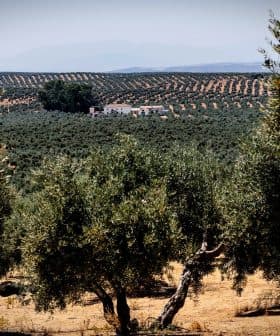
Scientists Say Andalusia’s Recent Weather Extremes Point to Wider Mediterranean Trend
After floods, strong winds and frosts damaged groves in parts of Andalusia, scientists said the disruption reflects a broader Mediterranean climate shift marked by rising aridity and more volatile weather.
Feb. 6, 2026
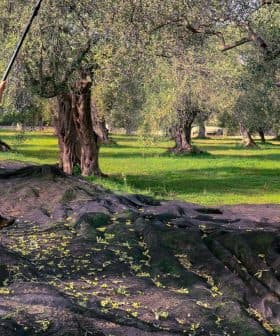
Accademia Olearia Builds on Sardinia’s Heritage with Quality-Driven Growth
The Sardinian producer is increasing plantings across five municipalities and updating its milling line, while maintaining wide grove spacing and circular reuse of byproducts.
Dec. 18, 2025
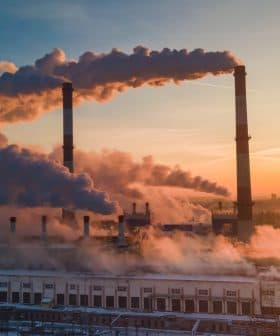
World Nears 1.5°C Threshold as Three-Year Heat Streak Confirms Climate Shift
New data from Europe’s Copernicus Climate Change Service show global temperatures over the past three years have exceeded the 1.5°C threshold, underscoring that record heat is no longer a short-term anomaly.

Apr. 29, 2025
Olive Sector Key to Andalusian Circular Economy Plan
A new five-year plan from the Andalusian government sets ambitious goals for transforming the world's largest olive oil-producing region into a circular bioeconomy.
Dec. 29, 2025
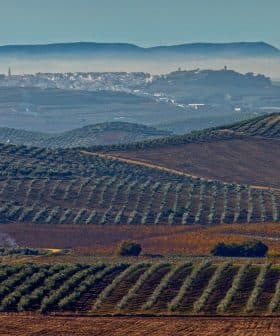
High-Density Olive Groves Shown to Capture More Carbon Than Traditional Plantings
New research from Spain shows that high-density olive groves capture significantly more carbon dioxide per hectare than traditional plantings, highlighting olive farming’s potential role in climate mitigation.