Up to 10,000 Olive Trees to Be Moved For Gas Pipe
Ten thousand olive trees, including some as old as 400 years, will be moved from a UNESCO-recognized olive grove in Puglia, as work on the $40 billion Trans Adriatic Pipeline (TAP) finally gets underway.
Ten thousand olive trees, including some “monumental trees” in Puglia, are slated for relocation as work on the $4.5 billion Trans Adriatic Pipeline (TAP) finally gets underway.
There is a risk that some olive trees won't survive.
On 7th March a TAP spokesman told Reuters, “We’re going to start moving the olives in a few days.” He confirmed that the company had complied with all the regulations required to proceed with uprooting the trees. Work was due to begin on TAP last year but was delayed by strong local opposition including protests.
The spokesman confirmed that administration procedures for the removal of the trees were complete. He added that the required health checks on the trees were underway.
A spokesperson for TAP told Olive Oil Times, “In Italy, TAP needs to move the first batch of olive trees found in the project micro-tunnel area (231 olive trees), and the trees found along the pipeline’s 8km route, from the micro-tunnel to the pipeline receiving terminal (PRT), approximately 2,000 olive trees. So in total, TAP will move under 2,300 olive trees. It is important to highlight that the trees will be temporarily cared for in a nursery area, and later replanted in their original locations.”
“The 10,000 figure is if we include the Snam section from the TAP pipeline receiving terminal to Brindisi,” the spokesperson added. “None of the olive trees along TAP’s route are recognized by UNESCO. Some of the trees (for instance 16 among the 231 olive trees in the micro-tunnel area) are registered in a special regional register, under the label ‘monumental olive trees’ (which means they meet certain parameters in size and age), but this does not meet that they are protected by UNESCO.”
Marco Poti, a mayor in the Melendugno district of Puglia told Reuters, “There is a risk that some olive trees won’t survive.” Poti claimed that transplanting the trees could expose them to Xylella fastidiosa, a deadly disease which ravaged thousands of Puglia’s olive trees in 2015. Xylella may be present in some of the trees scheduled to be moved. Diseased trees will be destroyed instead of moved.
Pipelines International
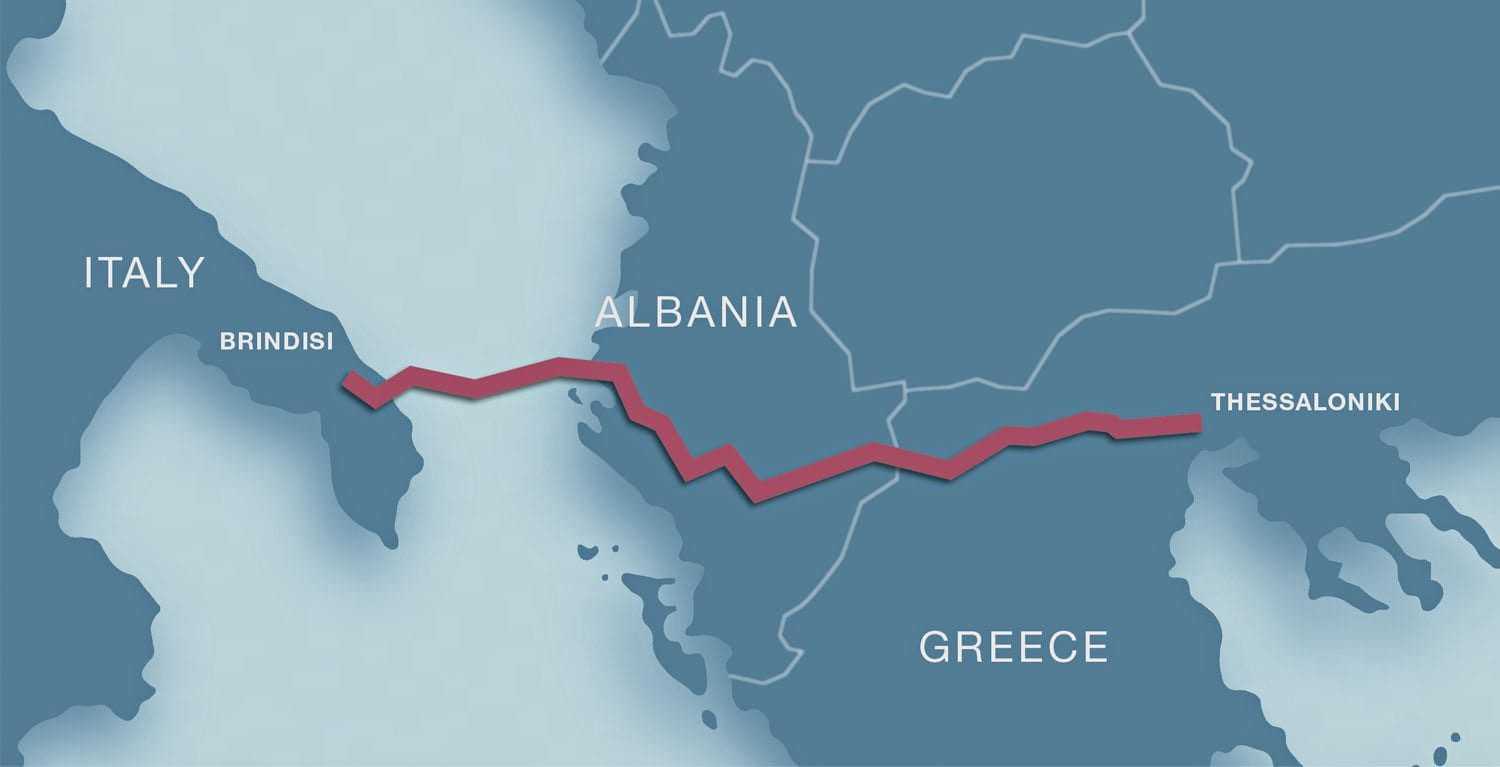
TAP will transport natural gas from the giant Shah Deniz II field in Azerbaijan to Europe. The approximately 870 km pipeline will connect with the Trans Anatolian Pipeline at the Turkish-Greek border at Kipoi, cross Greece and Albania and the Adriatic Sea, before coming ashore in Southern Italy.
Puglia residents have fought against the removal of their olive trees from Italy’s largest olive oil producing region. Puglia’s governor Michele Emiliano supported locals by lobbying for the pipeline to be sited further away, in an industrial area to the north of the olive grove.
In 2015 plans to destroy infected olive trees roused passion in Puglia. The scheme was scrapped when protesters took to the streets and climbed olive trees to prevent their destruction.
The developers are under extreme pressure to get started as the trees must be moved by the end of April, before their six-month growth spurt commences. If the trees and not moved by then, work will be delayed until the end of November. The trees will be moved at a rate of 20 a day. It will take around a week to clear the first batch.
Rome approved the pipeline in 2015, under the proviso that olive trees were transplanted during the laying and covering of pipes, and then returned to their original sites. In October 2016 local authorities appealed for the pipeline to be rerouted, away from the olive grove.
TAP will carry around 10 billion cubic meters (bcm) of Azeri gas to Italy annually. Local opinion is divided over the pipeline. Farmers and olive oil producers argue that the olive grove is an important part of the region’s identity. Others have expressed concern over the impact the pipeline will have on tourism. Some believe TAP will inject new life into the region.
The pipeline will transport gas from Asia to Europe, in the final stage of what is known as the “southern gas corridor”. It was hoped that the pipeline would deliver its first gas to Italy in 2020. TAP is considered vital for reducing the EU’s dependence on Russian energy.