In Rio Grande do Sul, Award-Winning Production Means Preparing for the Unexpected
While the Capoani family diligently prepares for the harvest, their fate is largely tied to the weather.
A sunny and breezy portion of the green hills of Rio Grande do Sul, Brazil’s southernmost state, is home to dozens of hectares of olive trees planted and grown by the Capoani family.
As a result of the family’s farming experience and entrepreneurial spirit, along with this unique location, their Capolivo brands have become some of the most awarded extra virgin olive oils in Brazil.
We always try to be prepared to deal with the surprises of the climate.
Capolivo earned three Gold Awards and a Silver Award at the 2022 NYIOOC World Olive Oil Competition, the world’s largest olive oil quality competition. Previously, the family earned two awards at the 2021 NYIOOC.
Originally from an industrial background, the Capoani family gradually moved into agribusiness, adding cattle and reforestation projects to their other business activities. More recently, the idea of growing olive trees took root among the family members and became their next agricultural venture.
See Also: Producer Profiles“The interest in olive trees and olive oil goes back a long way in the Capoani family,” Joice Capoani, Capolivo’s commercial and marketing director, told Olive Oil Times.
“My father, Jandir, grandson of Italians and passionate about cooking, was always enthusiastic and confident about the possibility of producing olive oil,” she added. “And so, in 2012, we planted a small area of olive trees to test the idea.”
After the olive farming trial began, the family traveled to Italy and Spain to learn which cultivars would be best suited to the biodiversity-rich forest and farmland of the region, located approximately 100 kilometers south of Porto Alegre.
“These trips always were perceived as crucial for the company by my father,” Capoani said. “He was always keen to learn from the experiences of olive oil producers, which I was also able to follow closely.”
“In addition to Italy, he also went to Spain to further deepen his knowledge of the cultivation of olive trees and the production of olive oil,” she added.
“The enthusiasm was growing, and so did the commitment and the willingness to make it a success,” Capoani continued. “In 2019, we had our first commercial harvest. From then on, olive oil production became central to our family interests.”
Today, the family manages 120 hectares of olive trees, which add to the more than 3,000 hectares of pines the family planted in its reforestation efforts.
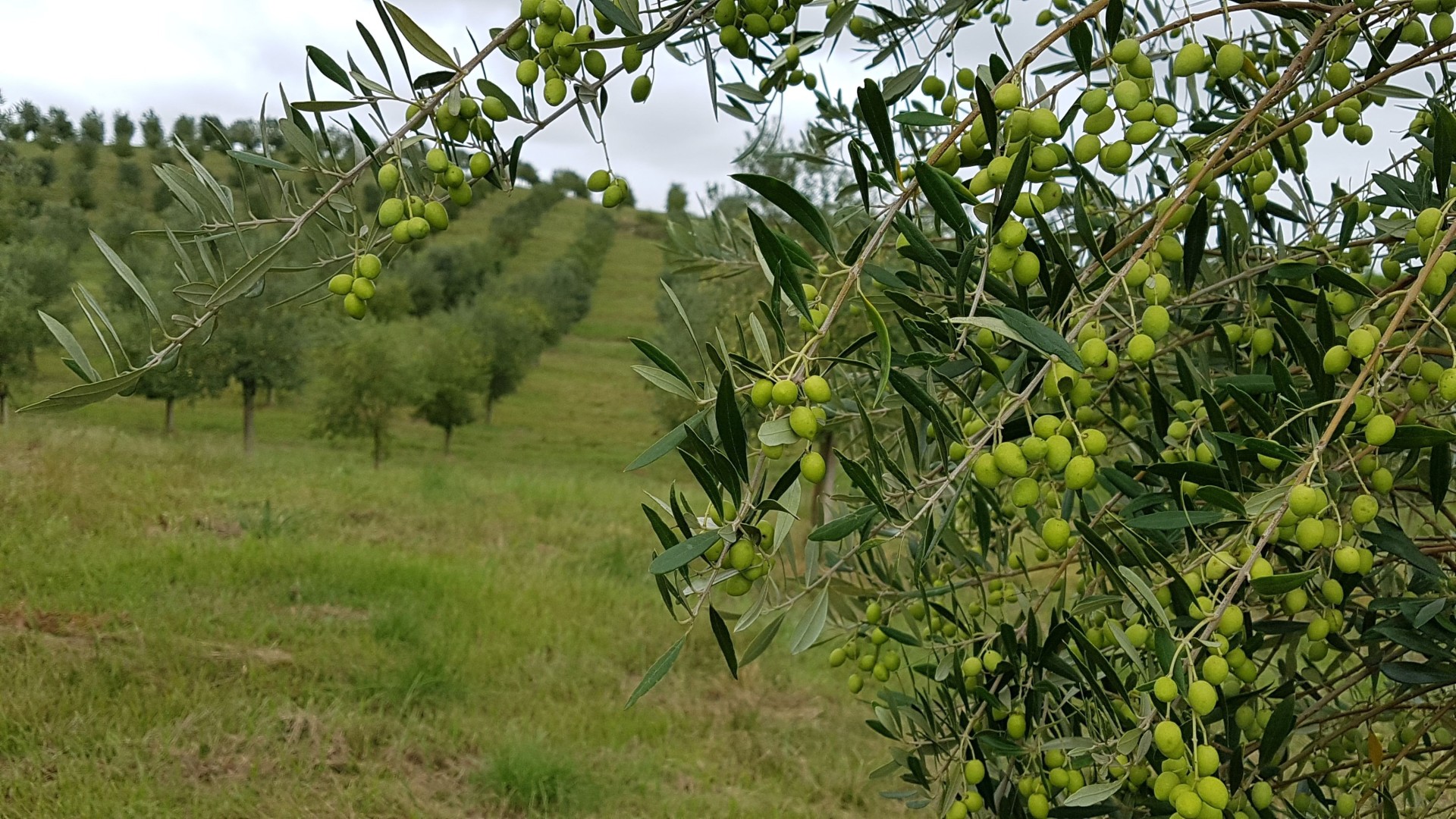
After studying the cultivars that would work best in Rio Grande do Sul, the family decided to plant Arbequina, Arbosana, Picual, Coratina and Koroneiki.
“We chose these varieties because we knew they were compatible with Rio Grande do Sul’s climate,” said Capoani, adding that Arbequina and Koroneiki have so far adopted the best.
Cultivar adaptation and their ability to withstand climatic uncertainties have been the family’s biggest challenges. Rio Grande do Sul has a sub-tropical temperate climate, with average precipitation exceeding 1,000 millimeters throughout the year.
Temperatures tend to be mild, with the warmest months rarely exceeding 25 °C and the coldest usually remaining above 6° C. Oceanic air masses also bring a sustained breeze and strong winds through most of the region.
However, Capoani said she has noticed a change in the local climate over the years. “With each year, the climatic oscillations become more unpredictable, and the seasons mix,” she said. “Therefore, the climate is and remains one of the major determinants for our production and all olive oil producers in our region.”
“To date, preparations for the next harvest are taking place as planned,” Capoani added. “Because we depend directly on the climatic conditions for the success of the harvest, we always try to be prepared to deal with the surprises of the climate, such as the cold front that is expected in the coming weeks amid the flowering in the spring.”
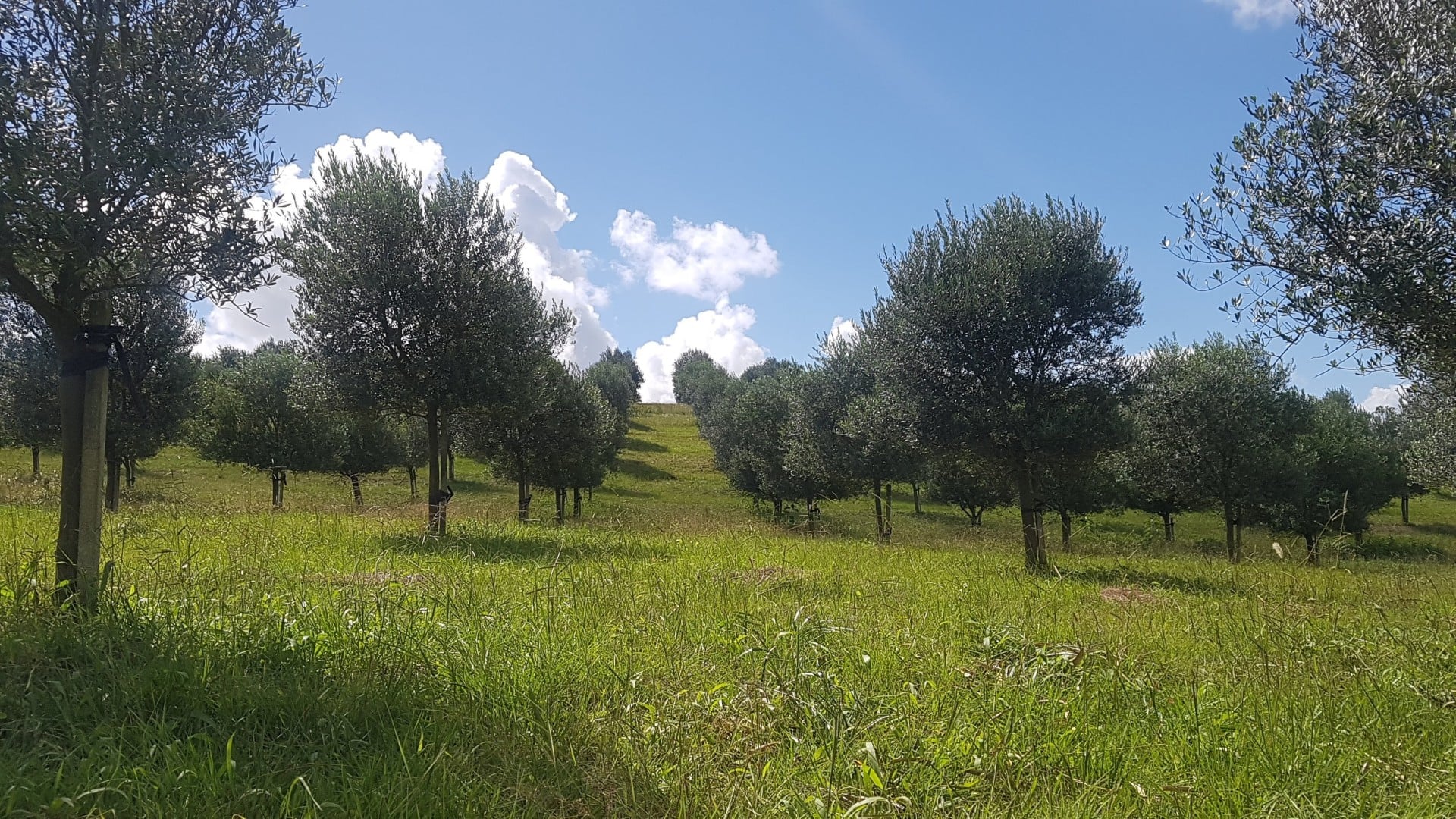
Producing high-quality extra virgin olive oil has been the family’s primary goal since they planted the first olive trees.
“We commit to each step of our crop, from planting to maintaining a healthy and compatible soil,” she said. “Our work is strictly professional and attentive to the expected growth of our olive trees. We monitor the flowering responsibly and follow the growth of the fruits until the harvest, applying our know-how and quality standards.”
The family employs an agronomic engineer and an olive growing consultant to satisfy those standards. “They ensure that all our work is executed responsibly, from planting to flowering and harvesting,” Capoani said.
While some industrial challenges remain consistent, such as the high costs of investments and production, one of the most significant areas for the company to work on is consumer awareness about extra virgin olive oil, which Capoani believes is lagging in Brazil.
She explained that most consumers in Brazil are accustomed to buying cheaper olive oils in the supermarket, and many remain hesitant to pay higher prices for locally-produced extra virgin olive oil.
However, Capoani added that the NYIOOC World Olive Oil Competition helps the top Brazilian producers stand out, increasing the quality and value of their products.
“Thus, given that Brazil’s high-quality production is growing, it is necessary to work to evolve the approach of the consumer,” she said.
In the future, the Capoani family plans to begin harvesting their new Frantoio and Ascolana trees and begin converting all of their olive groves to organic farming protocols.