Production Rebound Still Expected in France After Mixed Harvest
Production could rise to 4,400 tons, though some producers are seeing worse yields than last year.
The olive harvest in France is underway, with expectations varying across the country.
“Estimations are around 4,400 tons, better than last year but not very big,” Alexandra Paris, the director of communication and economy at producer association France Olive, told Olive Oil Times.
(There was) an abundant harvest, probably three to four times more than last year, depending on the region, and excellent health status with low pressure from the olive fruit fly and very little browning.
“The situations vary significantly from one region to another and even from one orchard to another,” she added. “We have some very loaded orchards and others with practically no olives.”
If these initial estimates come to fruition, France’s production total would eclipse the 3,500 tons of olive oil produced in the 2022/23 crop year but fall short of the five-year average of 4,620 tons.
See Also: 2023 Harvest UpdatesAccording to François Aurouze, a land and agricultural expert at Vignoble Conseil, most producers in the South of France began harvesting in mid-October, with most early harvest producers expected to finish by the end of November.
“The harvest [took] place in excellent conditions this year because the weather is rather dry and beautiful,” he told Olive Oil Times. “The big difference compared to last year can be summed up in two points for the South of France.”
“[There was] an abundant harvest… depending on the region, and excellent health status with low pressure from the olive fruit fly and very little browning,” Aurouze added. “Therefore, olives were not very prone to premature fall, particularly under the effect of violent winds.”
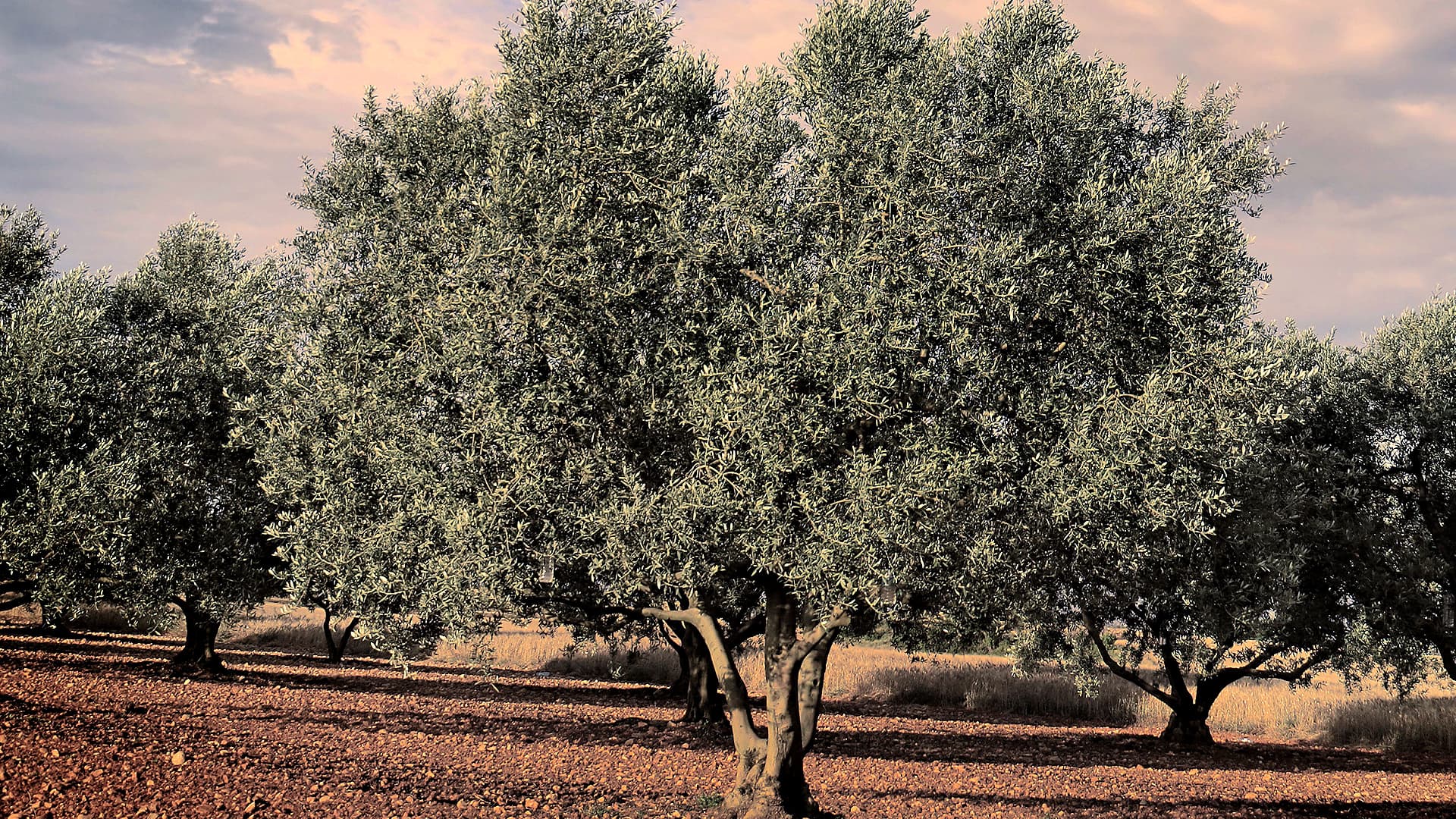
Meanwhile on Corsica, Maurizi Frédérique, the co-owner of Domaine Petraghje, told Olive Oil Times that the harvest on the Mediterranean island went well.
“We started the olive harvest on October 20th and it ended on November 3rd,” she said. “The harvest went very well. It was a big year for us, and the quantity is much greater than last year. We encountered no problems during this harvest like every year.”
Along with improved quantity, Aurouze expects a year of high quality based on several extra virgin olive oils that he has sampled.
“The first tastings of 2023 oil allow us to glimpse excellent quality, with dense and persistent aromas with moderate or weak bitterness,” he said.
Despite the production rebound expected this year – although the latest data published by the European Commission forecasts production to reach a far more modest 3,600 tons – French olive oil production has not recovered the highs of the previous decade, including the record 6,200 tons produced in 2017/18.
Paris attributes this to the ongoing drought faced by southern Europe, which was exacerbated by a lack of snowfall in the Alps the previous winter.
“The lack of water during the year and the drought in the summer have had an impact on the production of the campaign,” she said. “We know that rain is an important factor in the drop in yield, but regions have disparate situations when it comes to fall rains. It is, therefore, still too early to predict this year’s olive oil production.”