Technology Drives the Ambitions of Tunisia’s Largest Olive Oil Producer
The CHO Group was an early adopter of blockchain technology for traceability. Now, they are turning to AI to help mitigate the impacts of climate change.
Born from the passion of a Tunisian family, the CHO Group has grown and become the country’s largest olive oil producer over the past 20 years.
The company has bet its future in the industry on technology’s role in mitigating the impacts of Tunisia’s increasingly hot and dry climate on its ability to produce and export award-winning olive oil.
“The challenges we face with the climate are beyond our control, severely affecting olive yields and, by extension, the economic stability of rural communities in Tunisia,” Wajih Rekik, CHO America’s chief executive, told Olive Oil Times.
See Also: Producer ProfilesMore specifically, Rekik said the extreme summer heat and record dry winters in the last two years have impacted olive yields in large areas of the Mediterranean basin.
“A farm that used to produce 20,000 liters of olive oil is now yielding only 10,000 liters, while production expenses have remained constant, nearly doubling the total cost of production,” he said.
As a result, CHO Group is raising the price of its flagship Terra Delyssa brand. Since 2007, the company has produced extra virgin olive oil named after Queen Elissa, also known as Dido, the legendary founder and first queen of Carthage in the 9th Century BCE.
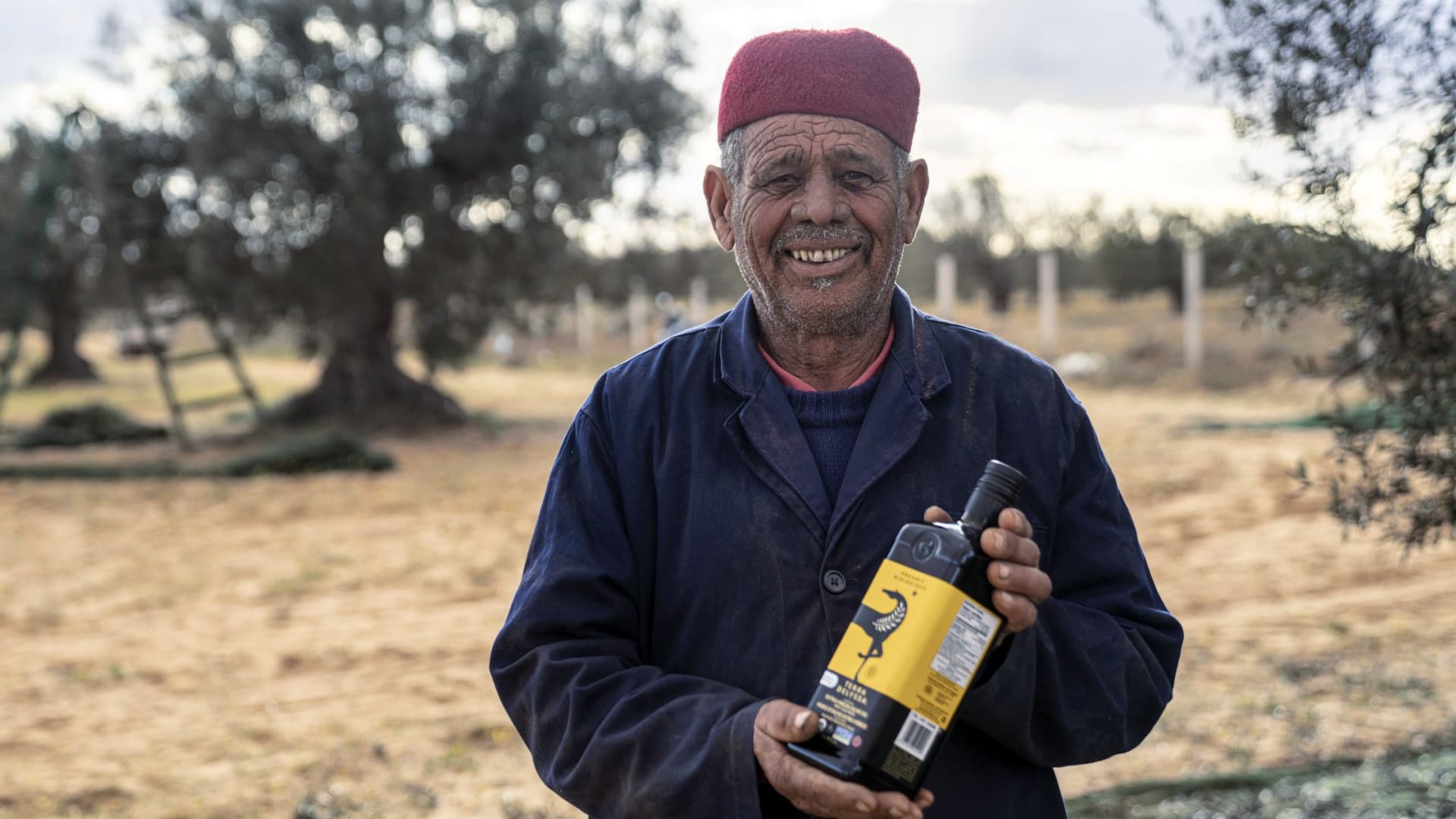
CHO Group’s Terra Delyssa brand pays homage to Queen Elissa, the legendary patron of the Tunisian olive oil industry. (Photo: CHO Group)
“We worked on a brand that would have been able to tell the story of Queen Elissa, who initiated the olive oil culture in Tunisia,” Rekik said.
Formerly the queen of Tyre, in modern-day Lebanon, Queen Elissa fled the tyranny of her autocratic brother to establish a new Phoenician city-state on the North African coast, introducing olive farming to the region.
“We wanted to be true to that legacy, showcasing a product of the highest quality bottled in an elegant packaging that narrates such a story,” Rekik said.
Indeed, the company has been awarded for its efforts, winning two Gold Awards for its organic and conventionally-farmed Terra Delyssa brands at the 2024 NYIOOC World Olive Oil Competition.
“We are deeply humbled and filled with immense pride,” Rekik said. “These awards symbolize the dedication, passion and hard work of our entire network – from the devoted farmers and skilled millers to every member of our family who plays a part in bringing our vision to life.”
Since the country’s liberalization of olive oil production in the 1990s, the CHO Group has expanded rapidly. It now exports an average of 50,000 tons of olive oil annually to more than 50 countries, representing approximately one-fifth of all Tunisian olive oil exports.
“We produce up to 1,200 metric tons of olive oil daily,” Rekik said. “In Tunisia, we have a storage capacity of about 30,000 tons. We employ about 1,000 people with approximately 1,300 seasonal workers adding up during harvest.”
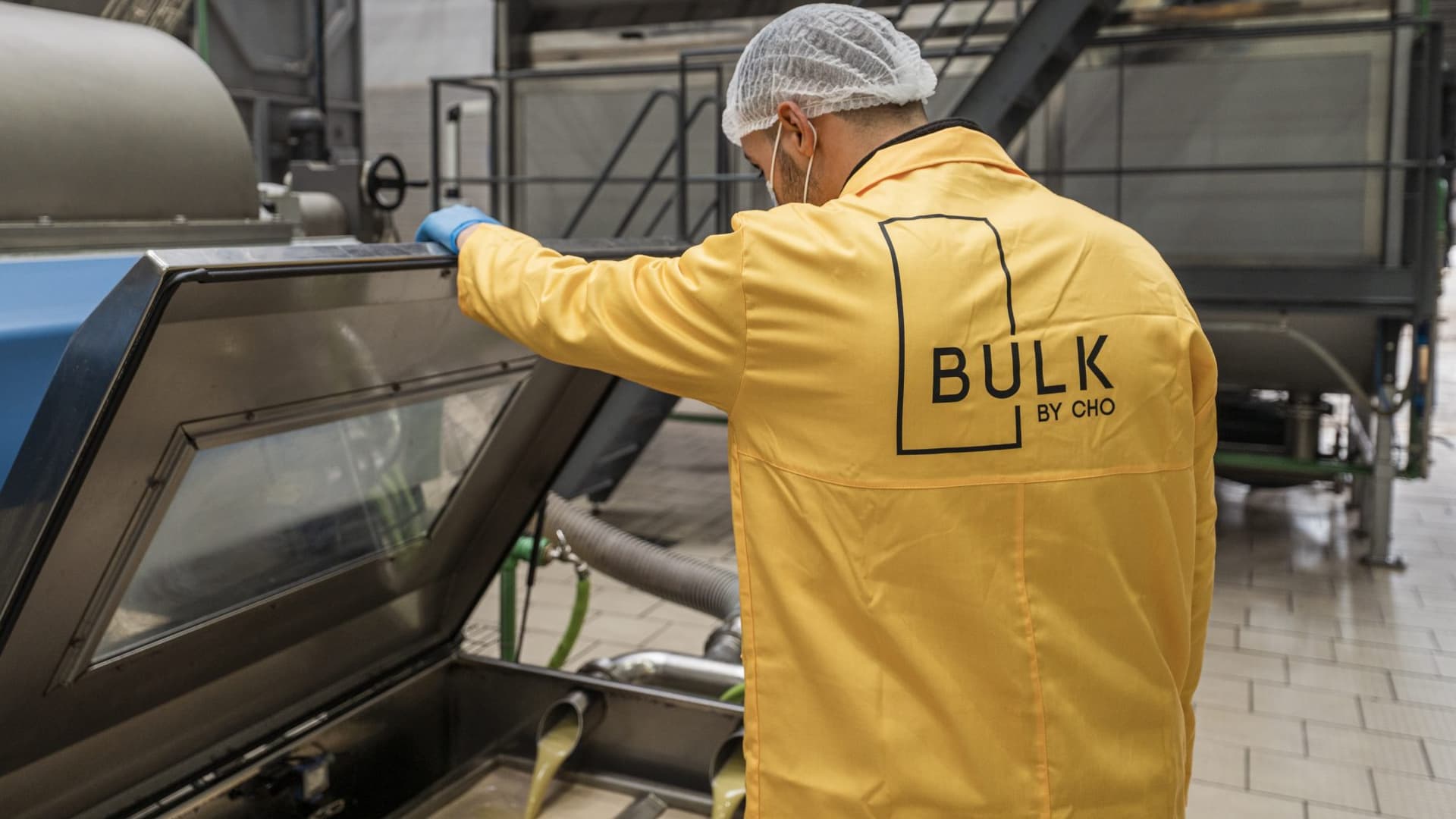
The CHO Group is Tunisia’s largest olive oil producer and exporter by a wide margin. (Photo: CHO Group)
The CHO Group farms more than 4,000 hectares of olive trees in Tunisia, and it is expanding elsewhere. “Our first major diversification is in Morocco, where we are now planting 280 hectares of olives,” Rekik said.
In Morocco, the company’s mills operate in the Marrakesh region. “We created the Moresh brand, representing our Moroccan operations,” Rekik said. Moresh earned a Silver Award at the 2024 NYIOOC.
“It is now the most present Moroccan brand on the shelves in North America, as it is already sold in over 4,000 stores,” he added. “It is also making its debut in France and Germany, so it is getting into the international market.”
According to Rekik, one key to CHO Group’s success is its adoption of new and innovative technology. “A crucial element of our success lies in our unwavering commitment to quality, supported by full blockchain traceability back to the orchards,” he confirmed.
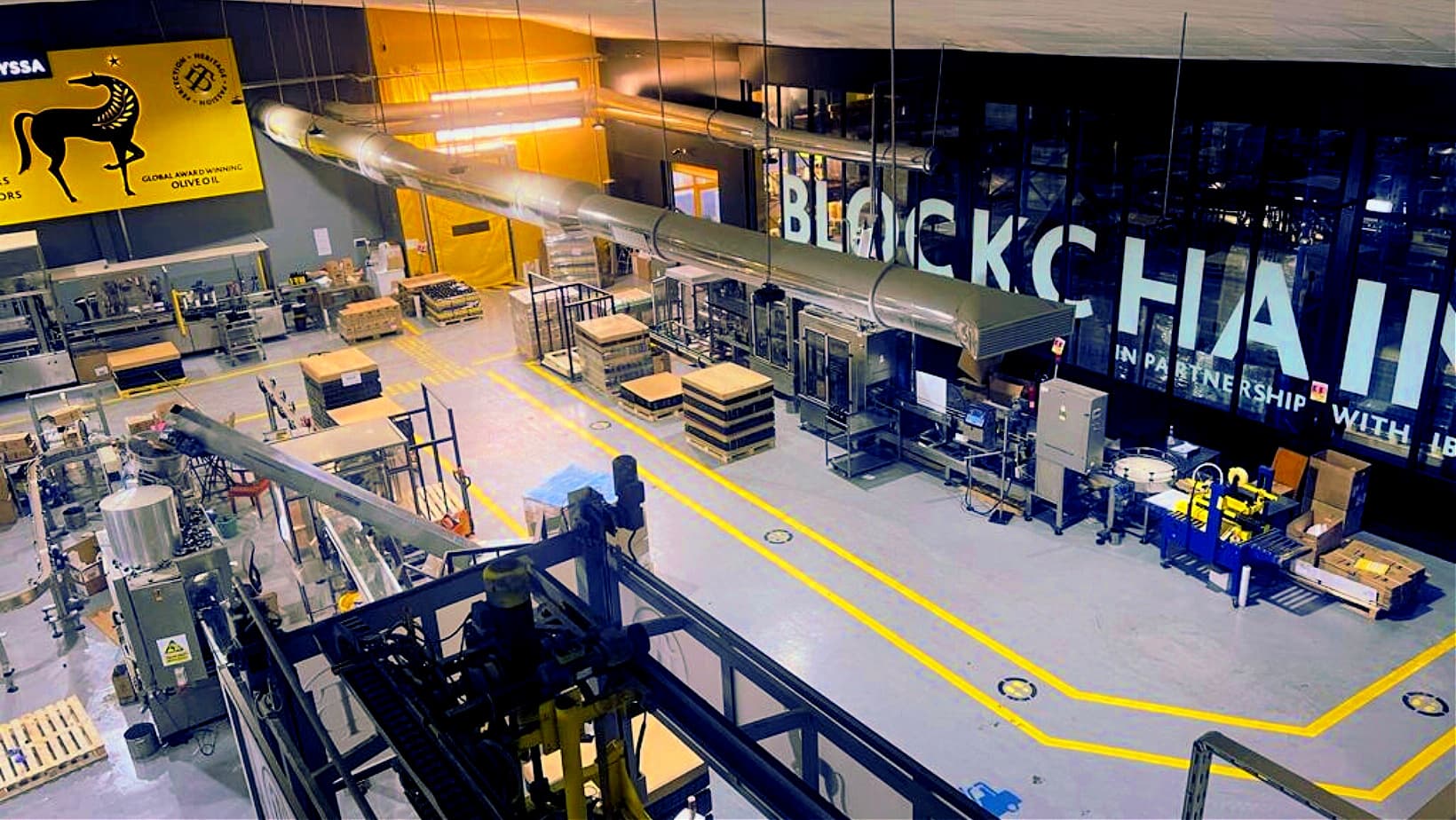
The CHO Group has embraced new technologies, including blockchain for traceability, and AI to help the company adapt to the impacts of climate change in Tunisia. (Photo: CHO Group)
“We were the pioneers in adopting blockchain technology,” Rekik added. “At the beginning, such a choice raised a few laughs in the sector. However, blockchain added value for our customers and retail partners, as it represents that additional layer of trust that is very important on the market.”
Rekik believes innovation remains at the forefront of the company’s business, which is now venturing into artificial intelligence (AI).
“Digitalization is really in the DNA of the group,” he said. “Today, we are pioneering AI by creating prediction models and working closely with Tunisian experts and developers. We are also working with Tunisian universities and collaborating with them in open labs.”
“It is a proficient relationship as we feed researchers with a touch of reality, a contact with the business world,” he added. “The company feeds them real-life problems that need to be solved.”
CHO Group is also working with InstaDeep, one of the leading Tunisian companies focusing on AI development.
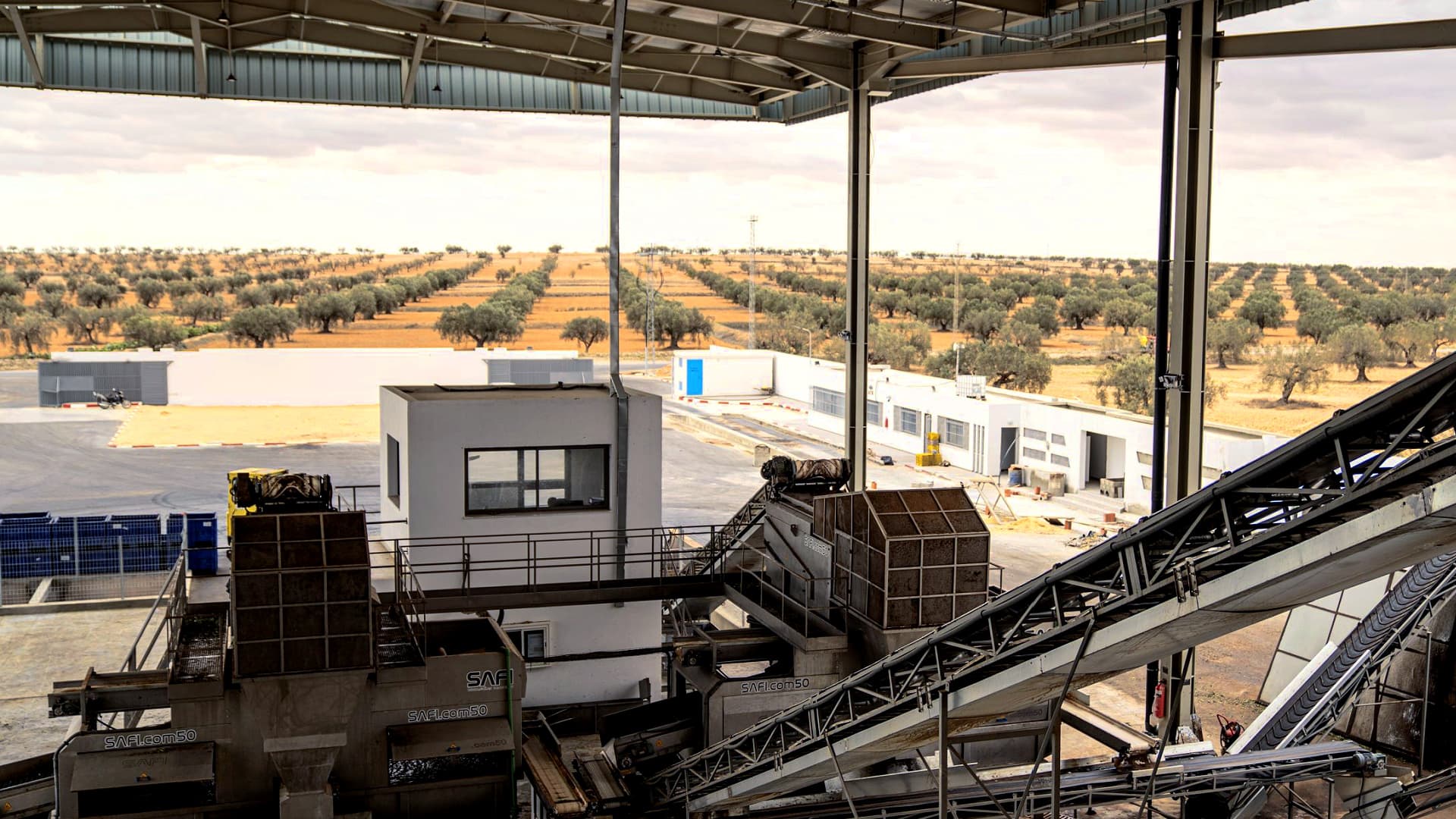
The CHO Group can mill 1,200 tons of olive oil per day during the harvest. (Photo: CHO Group)
Rekik said AI helps the company adapt to climate change and adopt sustainable practices such as renewable energy development, water conservation and sustainable packaging solutions. CHO Group also announced a net-zero carbon footprint program by 2040.
“Water scarcity is a non-deniable issue. We have seen almost no rain during winter in Tunisia,” Rekik said. “In our country, people used to say that the quality of its olive oil came from the 320 days of sunshine through the year. Now we are heading towards 350 days.”
“Still, the sun makes us the number one producer of organic olive oil in the world, as it does not allow insects to proliferate,” he added. “We do not need to spray chemicals, which is a big issue elsewhere. Pesticides are a big issue abroad, and they are also becoming such in the United States.”
The CHO Group relies more on local olive varieties, such as Chemlali or Chetoui, to cope with the country’s increasingly hot and dry climate. “Such varieties existed well before irrigation began,” Rekik said. “Their resilience will save the olive oil sector in Tunisia.”
“The same is happening in Morocco,” he added. “In our orchards in Marrakesh, we are now focusing on the Beldi cultivar, considered the Moroccan Picholine. That is also going to save the sector.”
Rekik believes that growing native olive varieties and carefully monitoring the groves digitally will allow the company to overcome the challenges posed by climate change.
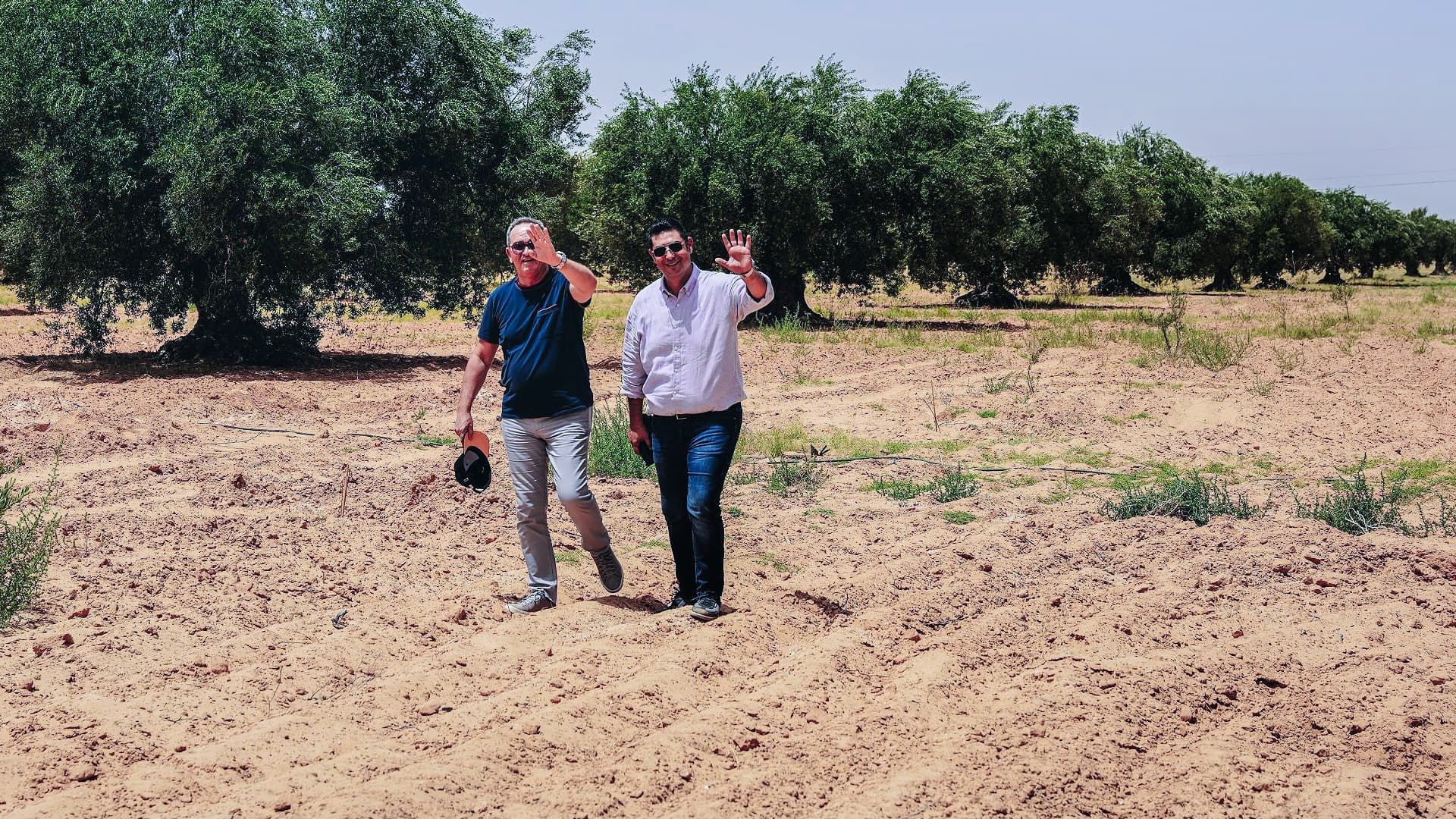
CHO Group is betting on endemic olive varieties in Tunisia and Morocco to cope with the increasingly hot and dry climate. (Photo: CHO Group)
The company’s use of technology expands beyond the olive groves and into its network of 20 laboratories, one of which is accredited by the International Olive Council. This network allows the company to verify the quality of its olive oils in Tunisia. “Our tasting panel is also recognized by the IOC,” Rekik said.
Addressing high olive oil prices, which resulted in a temporary export ban in December, Rekik said prices must remain high to reflect increased operational costs and decreased production volumes.
“This price adjustment is not just a response to production costs but a necessary step to ensure the sustainability of our olive farms and the well-being of the farmers who are the backbone of this industry,” he said.
“We are committed to revising our prices in [the customer’s] favor as soon as conditions allow and deeply appreciate [their] understanding and support during these challenging times,” Rekik added. “[Their] support is crucial not only to us but to the entire olive-growing community in Tunisia.”