Groups Work to Improve Viability of Table Olives in Andalusia
Agricultural organizations and Spain’s Ministry of Agriculture are working to create a working plan to improve the struggling sector.
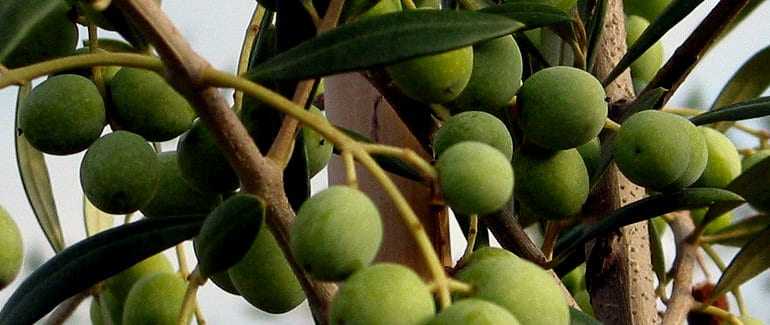
Agricultural organizations and the Spanish Ministry of Agriculture are working together to create a working plan to improve the viability of the struggling table olive industry in the autonomous community of Andalusia.
The Andalusian Institute of Agricultural and Fisheries Research and Training, Agrarian Association of Young Farmers, the Coordinating Body of Farmers and Ranchers, Union of Small Farmers and Ranchers, Andalusian Federation of Agricultural Cooperative Companies and Asemesa, the association of table olive producers and exports are working with the Spanish government to modernize the industry. Together, these groups hope their sector will play a larger role in the Rural Development Plan of Andalusia.
The working group is meeting in Sevilla to discuss how to return the crop to profitability. Over the last 15 years, production costs of the Manzanilla and Gordal varieties have exceeded income from its sales, according to a 2010 study by the Department of Agriculture. Over the last five years, over 8,000 hectares of these varieties have been uprooted in Andalusia alone, due to their profitability problems.
Sevilla, a province within Andalusia, produces 80 percent of Spain’s table olives, and 25 percent of the world’s total. In the meeting, representatives from the Agrarian Association of Young Farmers stressed the importance of the sector on the economy, with 20,000 farms engaged in cultivation of table olives. 400 processing companies in the region employ 8,500 people.