Tragedy Inspires One Croatian Family to Grow Olives
After the death of their teenage son in 2003, the Deša family took up organic olive cultivation to work through their grief.
After a record year for Dalmatian producers at the 2021 NYIOOC World Olive Oil Competition, one farmer in the hinterlands of the southwestern Croatian region has big dreams of future success at the contest.
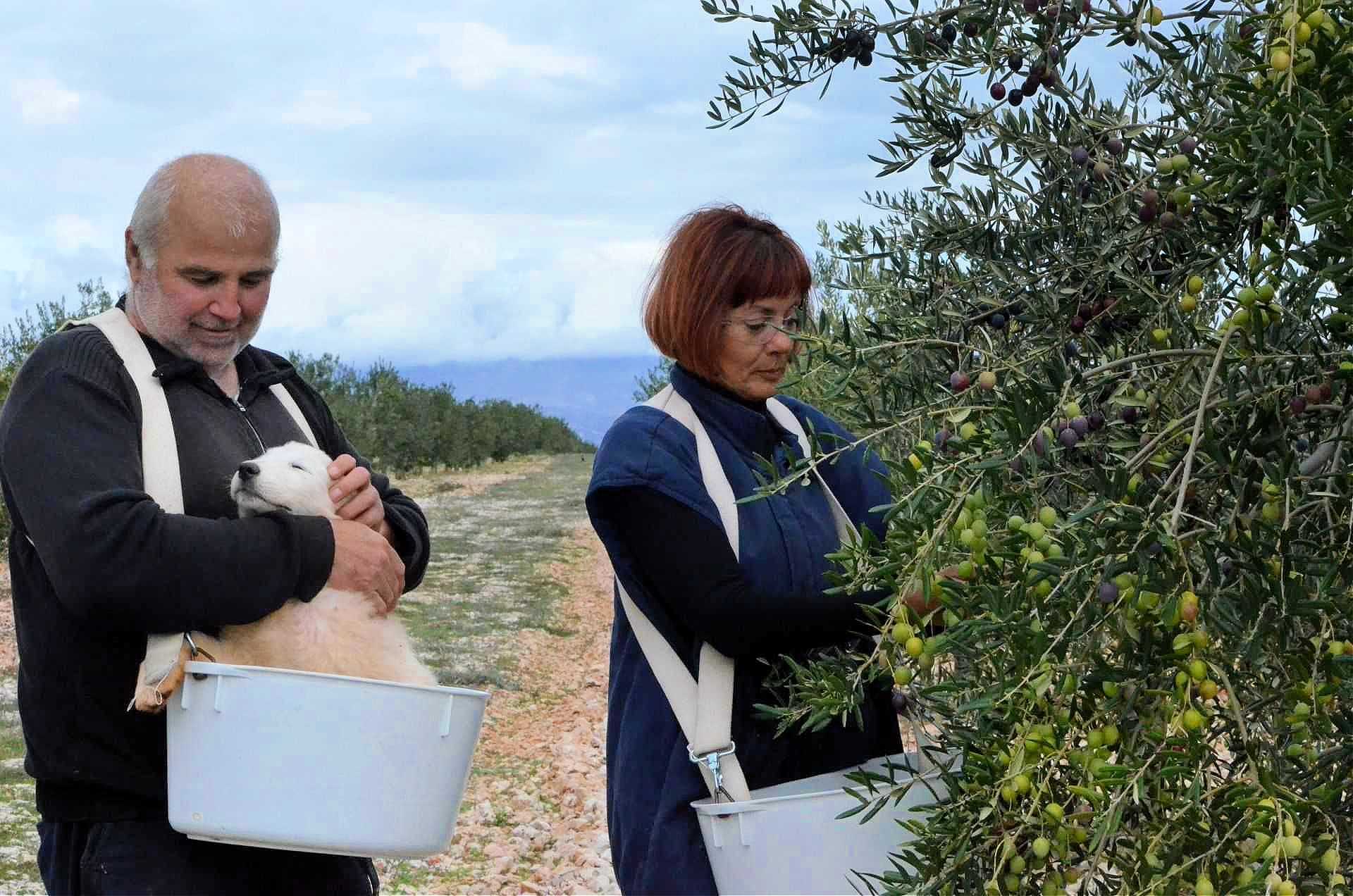
Miodrag Deša and his wife, Nadežda, began farming in 2003 after losing their 17-year-old son, Antonio, in a car crash. To alleviate the pain and irreparable loss, Deša suggested to his wife that they start cultivating olives and raising chickens.
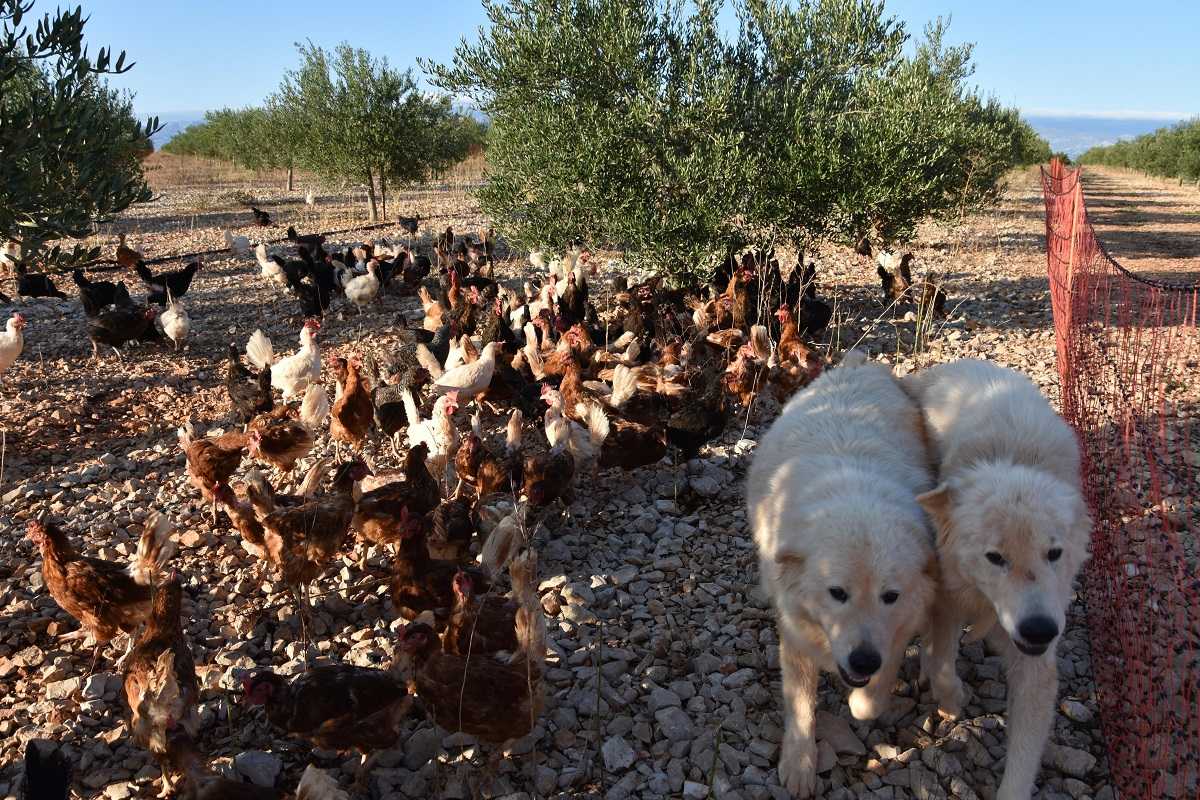
“There is always work to be done,” Deša told Olive Oil Times, who, along with his wife and the rest of the family, now take care of 5,075 olive trees and 350 laying hens that roam freely throughout the 24-hectare estate.
See Also: Producer ProfilesThe olive fruits are harvested each autumn, while eggs are collected every day throughout the year. Along with the chickens, the Deša has a family of Maremmano-Abruzzese shepherd dogs, which protect the hens from being attacked by birds of prey, foxes and other predators.
“We strive to live in harmony with nature,” Deša said.
The family lives in Zadar, a city of 85,000, which is more than 3,000 years old and is considered to be older than Rome. However, their 65,000-hectare grove is located 10 kilometers from the city center in Ravni Kotari.
The area is known for its mild, Mediterranean climate, which is ideal for vegetables and fruit growing, especially for figs, vines and, of course, olives.
At 5 a.m. each morning, Deša and his wife wake up and head out to the olive groves. While the climate is ideal for olive tree cultivation, the karst landscape was not. To plant their trees, the family invested hours of work and plenty of money.
First, the heavily overgrown terrain had to be cleared, both above and below the ground. Special machines then ground the removed plants into mulch that would later be used to fertilize the olive trees.
After the land was cleared, holes in which to plant the olive trees were excavated and filled in with the mulch and loose soil. The family decided early on to plant exclusively endemic varieties, which are well-adapted to the region’s rocky terrain
Once Deša planted the trees, he went to the local agriculture ministry to seek funding and capital investment for the organic farm.
“Raising such a large olive grove in organic farming, which we decided on from the beginning, requires large funds,” Deša said.
It is calculated that the cost of converting karst into arable land is up to €1.50 per square meter. However, this price also depends on the structure of each section of the soil.
Deša started planting on ameliorated karst in November and finished it in December 2011. The olive grove was then fenced, and eventually, the seedlings took to the soil, and everything else went its course.
However, over time, they realized that an organic olive grove without animals is difficult to maintain, so they decided to begin raising chickens.
“Four years ago, we completed the assembly of a new mobile chicken coop, procured in Italy. So over time, we can increase the flock to a total of 720 hens,” Deša said.
It is genuinely a super-modern mobile chicken coop worth 400,000 kuna (€55,000) and large enough for three people to enter and look around.
“It is planned that the chicken coop will move around the olive grove every 15 days,” Nadežda said.
“The nests are equipped with flags for intimacy and with a system that allows the hens not to sleep in the nests,” she added.
After the hens have laid the eggs, they roll onto a central rail, and the hens can no longer see them.
From a control console, the Dešas pull the rail out of the chicken coop and transport the eggs to using a refrigerated delivery vehicle. The eggs are then packed and delivered to customers locally and as far away as Zagreb, the Croatian capital.
“Now we have about 350 hens that lay 150 to 200 eggs a day, and there will be more in the future,” Deša said.

The eggs fetch a price of 2 kuna (€0.27) per unit in retail and wholesale. These days, Deša is looking for new laying hens, which is not easy.
“It is not a problem to get [new hens on the black market], but we operate legally,” Deša said. “Nothing without a receipt.”
He and his wife recently bought 300 chickens of various breeds in Zagorje-Međimurje, a wine-producing region on the country’s northern border with Slovenia.
Once the chickens were introduced, Deša said they are free to come and go throughout the day. This freedom combined with the 33 square meter coop means the chickens enjoy far more space than is prescribed by law for free-range poultry.
“The goal is for the hens to be around every olive tree every day,” Deša said.
The chickens quickly eat all the grass and weeds. Inside the chicken coop, the floor is hollow, so the feces fall to the ground and are gathered together with pruned olive branches for composting.
Chicken manure is an excellent fertilizer. It is extremely rich in nitrogen, phosphorus, calcium and potassium. In addition to the abundance of organic matter needed by plants, it also contains many microelements.
All of this suits Deša’s trees, which are in good shape. This year, they are not yet in full bloom, having born fruit last season, yielding more than 62 tons.
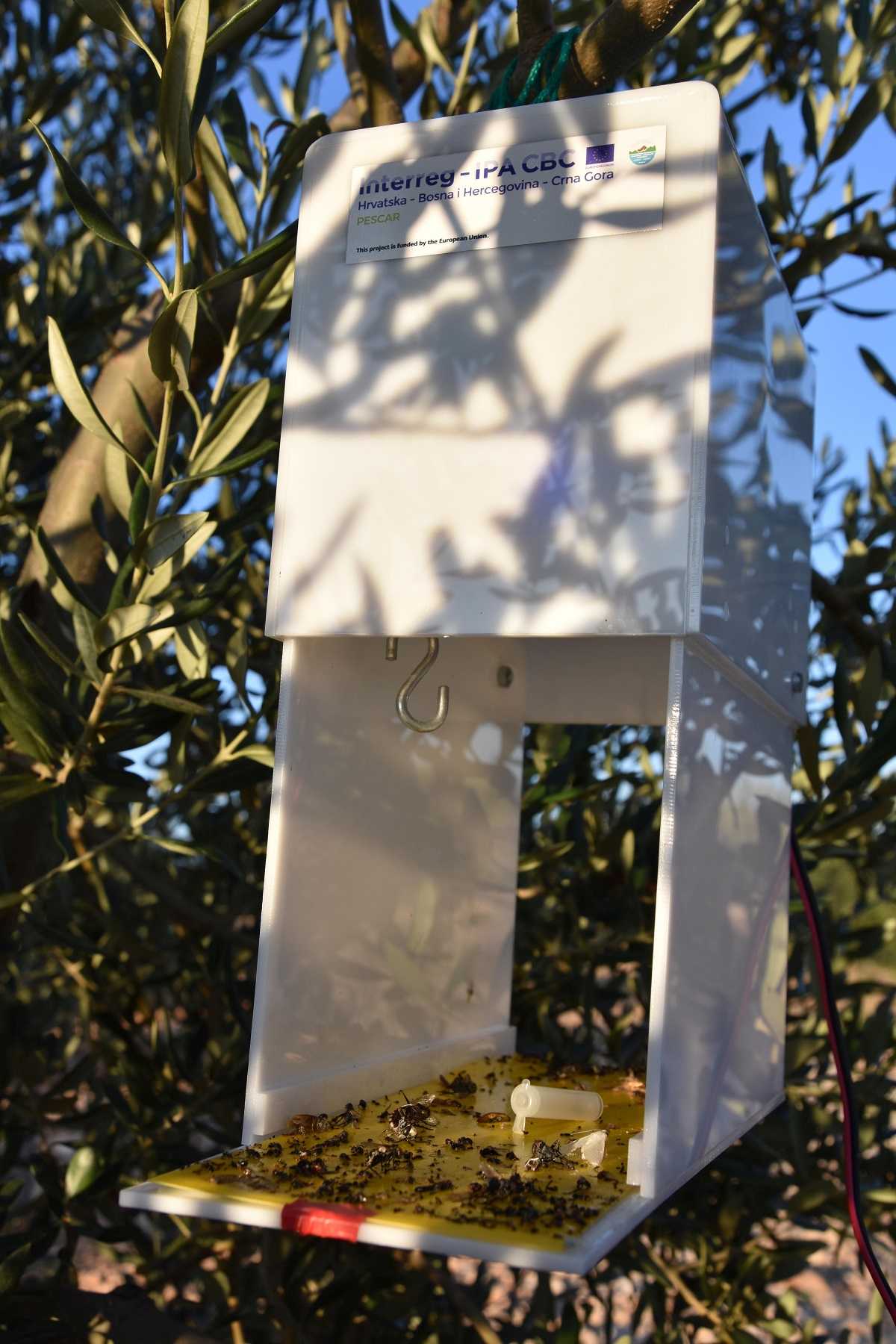
The use of the chicken droppings and olive tree branches as fertilizer is one step Deša took to ensure that his organic groves received an eco-label. His natural pheromone traps, which are placed at 10 locations within the grove, are another step he has taken to protect his fruits in the most environmentally friendly way possible.
“The traps are how we follow the flight of pests – the olive moth and the olive fly,” Deša said.
Deša also collaborates with the local university to monitor the number of pests present in the groves. If more than 20 are recorded in one week, he implements protective measures. The university also warns other olive growers about the appearance of pests through its platforms.
“We don’t spray blindly or on a calendar basis, but only when necessary,” he said.
When spraying is required, Deša uses a state-of-the-art atomizer, which is equipped with ultrasonic sensors and movable hydraulic valves. Thanks to powerful fans, it can spray eight meters in height and eight meters in each direction.
A sensor turns on the nozzles, and a computer controls the spraying, which increases the speed and efficiency with which all 5,075 of his trees can be sprayed. It used to take more than 20 days to do this; now, it takes about 20 hours.
When the harvest comes around, Deša and his team head out into the olive grove with newly-acquired shakers.
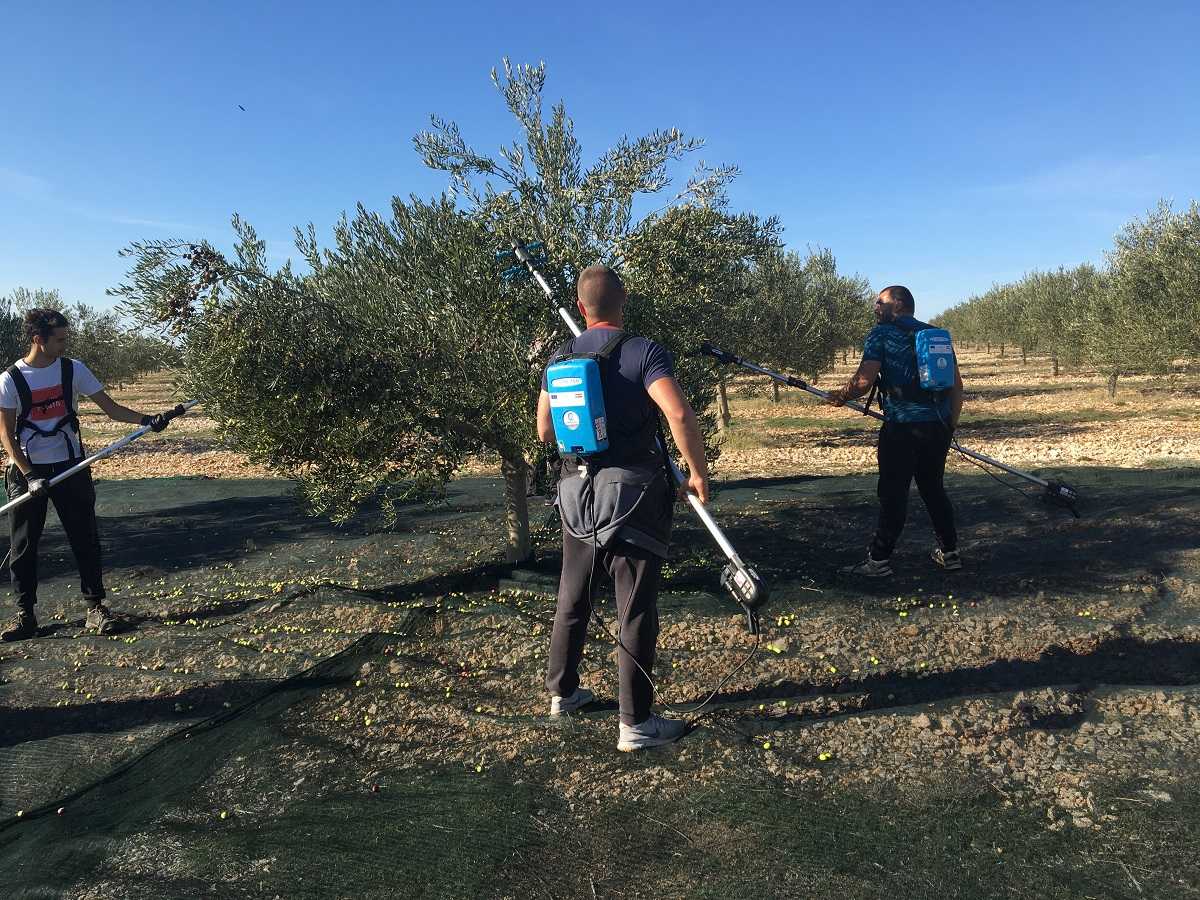
“Skillful pickers can handpick up to 200 kilograms of olives each day,” Deša said.
The freshly picked olives are immediately processed in the nearby Jukić oil mill. This year, they plan to start harvesting in mid-October and finish with the help of friends and relatives is in a month.
In 10 years, once the olive trees have reached their optimal size, Deša plans to install self-propelled shakers. This will increase the efficiency and speed with which the olives are harvested.
Thus far, Deša has been satisfied with the quality of his Oblica olive oil. His olive oils have been awarded at local competitions, but his goal is to win at the 2022 NYIOOC.
By the time his trees have reached their full maturity, Deša estimates that he will produce around 20,000 liters of organic olive oil each year. Combined with meat and egg production, along with olive leaf and olive oil-based cosmetics, he hopes to become profitable in the coming years.
Deša said that all the progress his family has made since 2003 satisfies him. A lot of hard work and grief went into creating and maintaining the groves, but Deša believes it is something positive that came from his son’s untimely death.
“We have something to hope for,” the couple concluded.