The Farmer Behind the Dramatic Rise of Dalmatian Olive Oils on the World Stage
Tomislav Duvnjak organized local producers to help them enter the NYIOOC. The result was a record haul for the coastal Croatian region.
Part of our continuing special coverage of the 2021 NYIOOC World Olive Oil Competition.
“We will prove that olive oils from Dalmatia are some of the best in the world,” 36-year-old Tomislav Duvnjak, a successful olive grower and civil engineer from Vodice, vowed.
His year-old promise came to fruition at the 2021 NYIOOC World Olive Oil Competition, the world’s most prestigious olive oil quality contest.
The ultimate goal is to bring Dalmatia to the level of the best olive growing region in the world, and then, together with our Istria, make Croatia a brand.
“In terms of the quality of olive oils, we are among the four best countries in the world,” said Duvnjak, who earned a Gold and Silver Award with Vodice DOO.
While Croatia cannot compete with Spain, Italy and Greece in terms of production, Duvnjak and many other producers believe they can with their quality.
In the 2020/21 crop year, Croatia produced 4,600 tons of olive oil, about 0.15 percent of the global total and a fraction of what Europe’s largest producers annually yield.
However, 1,171 extra virgin olive oils from 28 countries were submitted to the NYIOOC, with 105 from Croatia. Of these, 53 came from Dalmatia – one of Croatia’s four historic regions that stretches along the southwestern coast – and 52 from Istria. By comparison, 60 samples arrived from Croatia to New York in 2020, of which more than 80 percent were from Istrian olive growers.
See Also: The Best Olive Oils from CroatiaCroatian producers earned 49 awards that year, of which 39 went to Istrians and 10 to Dalmatians. This year, out of 105 samples (almost 75 percent more than last year), 67 Gold and 20 Silver Awards went to Croatian producers.
More than half of the total number of awards – 35 Gold and 13 Silver Awards – were won by Dalmatian olive growers. Meanwhile, Istrian producers earned 39 awards, of which 32 were Gold and seven were Silver.
“Istria has confirmed its reputation, but we have also proven that we have quality,” said Ivica Vlatković, who once again earned two Gold Awards for his monocultivar Šoltanka and a blend of Coratina and Leccino.
However, Dalmatian producers are no longer just represented by himself and a handful of others. This, he points out, is the first great collective success of Dalmatian oils, a success that will be remembered and written down in the history of local olive growing, and Vlatković does not hide his enthusiasm.
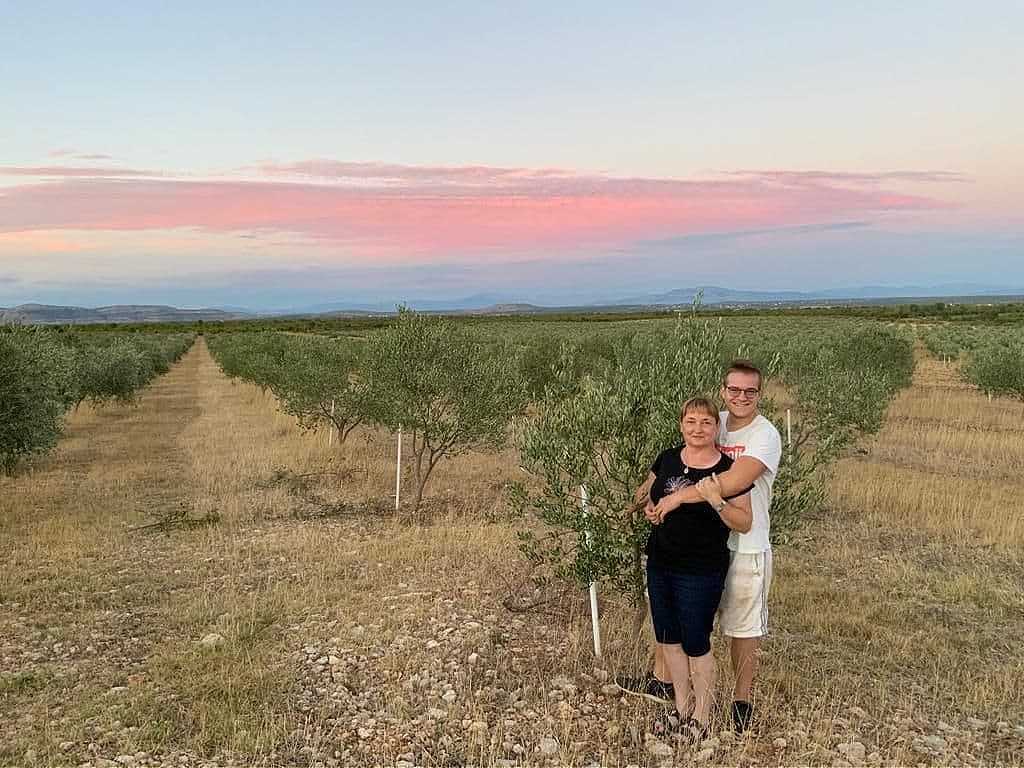
The credit for the regions’ impressive collective performance at the competition belongs to the young Duvnjak, who cultivates 1,200 olive trees and is a member of the Olea Šibenik olive oil sensory evaluation panel.
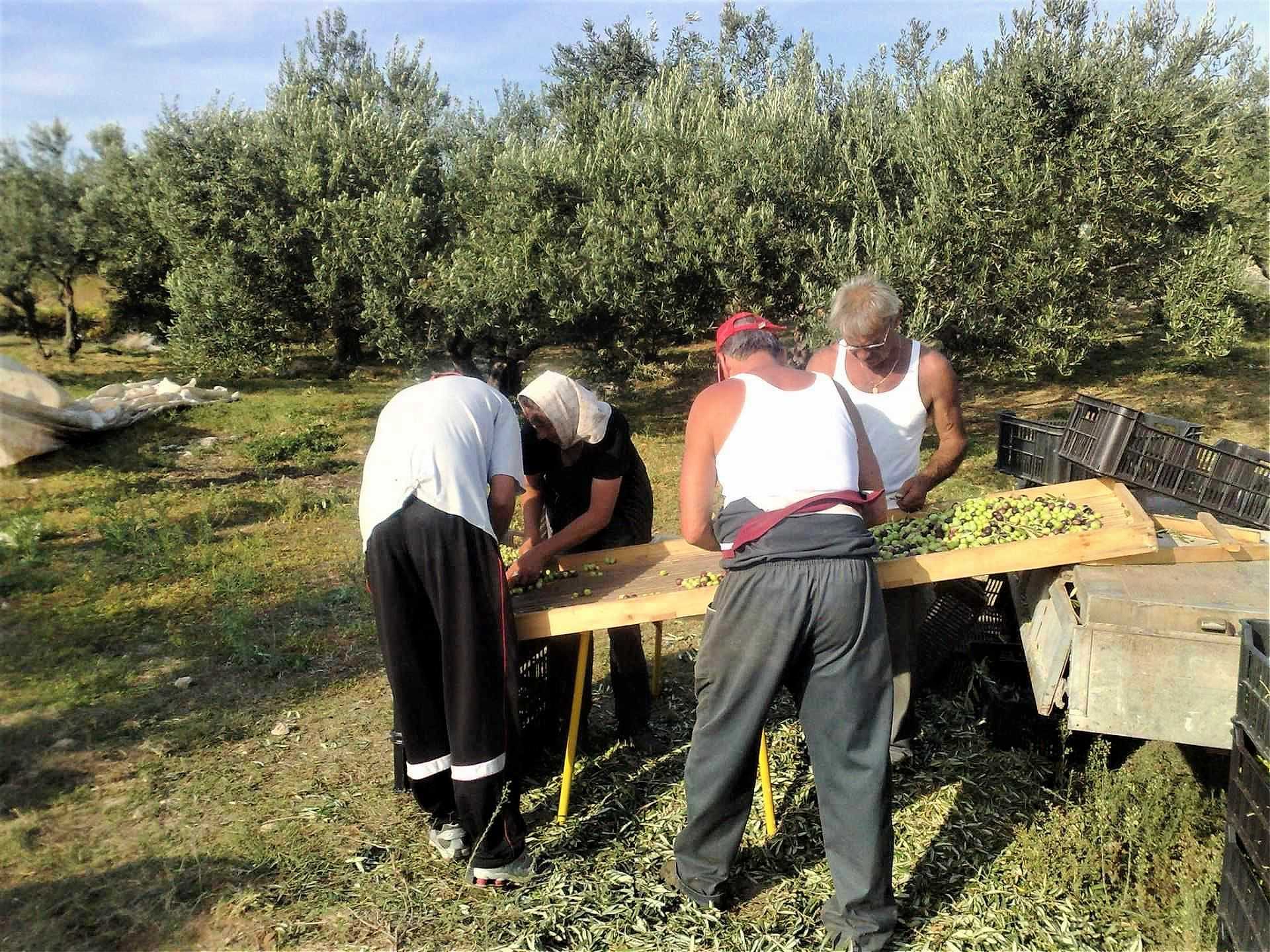
Photo: Vodice DOO
When he sent his two oils to the NYIOOC last year and won Gold and Silver with the brand of St Ivan from Vodice, he felt both pride and sadness at the same time because only 12 samples from Dalmatia were featured at the event.
When he saw that Dalmatia was not on the map of the olive-growing regions, he said he could not come to his senses.
It was also the trigger for Duvnjak to start thinking about organizing the local olive growers to perform together in this competition and in the branding of their oils, something Istrian producers have been doing for years.
If need be, he would go collect oils from house to house, Duvnjak thought to himself.
He first proposed his idea to organize local producers to enter the NYIOOC to Goran Pauk, the Šibenik-Knin County prefect. Pauk accepted the idea and a meeting took place in Duvnjak’s oil mill.
If olive oil producers continue to take the rules of the profession even more seriously in cultivation, harvesting and processing, and then in keeping the oil in optimal conditions, most of them will win Gold in New York.
The two were joined by Duvnjak’s father, fellow producer Damir Buntić, the acting president of the Šibenik County Chamber Commerce Josip Laća and Višnja Marasović, the county’s head of agricultural and rural development of Šibenik-Knin County.
Together, they decided to monitor the results of several local olive oil competitions and perform sensory analyses on the winners to ensure that they were top quality. Afterward, they invited the best olive oils from these competitions to enter the 2021 NYIOOC.
Meanwhile, Pauk began to call other Dalmatian counties to join Šibenik-Knin and search for their own highest-quality olive oils. Soon olive growers in all four counties – Zadar, Šibenik, Split and Dubrovnik – started to get excited.
Duvnjak reviewed which Dalmatians went to previous editions of the NYIOOC, contacting them all, along with others he knew had excellent oils.
“I called them personally and when I explained everything to them, they were all incredibly happy and everyone supported it,” he said.
At first, Duvnjak thought that maybe 20 or 30 oils would be collected, but in the end, 51 oils from Šolta, Hvar, Brač, Korčula, Dubrovnik, Zadar and Šibenika were sent to New York.
OPG Rajner i Sinovi (Photo: Delfa Perica)
“Certainly, there are more extraordinary olive oils in Dalmatia, but we haven’t reached all of them,” Duvnjak said. “We may not know about some of them yet, but for the first year, about 50 samples are excellent,”
The first step in getting all of these olive oils sent to New York was to register all contestants by December 30 to take advantage of the reduced rate during the early registration period.
Duvnjak’s wife, Helena, played an essential role in this part of the process. She is a law graduate and fluent in English, allowing her to do the necessary steps on behalf of the producers.
The second step was for all registered competitors to bring samples to the Sveti Ivan oil mill and send them all out to the competition. Duvnjak and his supporting cast started to fundraise to pay for the shipping costs and registration fees.
In the end, Šibenik-Knin County and other counties agreed to pay 50 percent of the registration fee for each olive grower and the Šibenik Chamber of Commerce agreed to pay 25 percent. The costs of shipping the samples were borne by the Sveti Ivan oil mill.
“It is a fortunate circumstance that we have a contract with DHL, so the costs are much lower,” Duvnjak said.
However, this was just the first step of what Duvnjak sees as an ongoing process. The ultimate goal is for Dalmatian producers to emulate the success of their Istrian counterparts.
“We can still learn a lot from olive oil producers in Istria; they know how to do business,” he said.
Over the years, Istrian producers have successfully organized into local producer organizations, which support and educate members and help market their products.
Duvnjak believes this is one reason they have become so successful over the years and why Istria has twice been declared the best olive growing region in the world. He is convinced that Dalmatia can follow in the same footsteps.
“If olive oil producers continue to take the rules of the profession even more seriously in cultivation, harvesting and processing, and then in keeping the oil in optimal conditions, most of them will win Gold in New York,” Duvnjak said.
“The ultimate goal is to bring Dalmatia to the level of the best olive growing region in the world, and then, together with our Istria, make Croatia a brand,” he added.
Duvnjak believes that everyone who visits Croatia should know about the country’s high-quality extra virgin olive oils. His effort to promote Dalmatian producers is the first step down a long road to promoting the region and propelling it to the top of the olive oil-producing world.
“This success, which will soon be celebrated by all participants, is the beginning of the historical unification of olive oil in Dalmatia,” he said. “There will be a party, where else but in the oil mill of St. John in Vodice, where it all started.”