



 5.2K reads
Food & Cooking
Award-Winning Extra Virgin Olive Oil, Local Cuisine Delight the Senses on Hvar
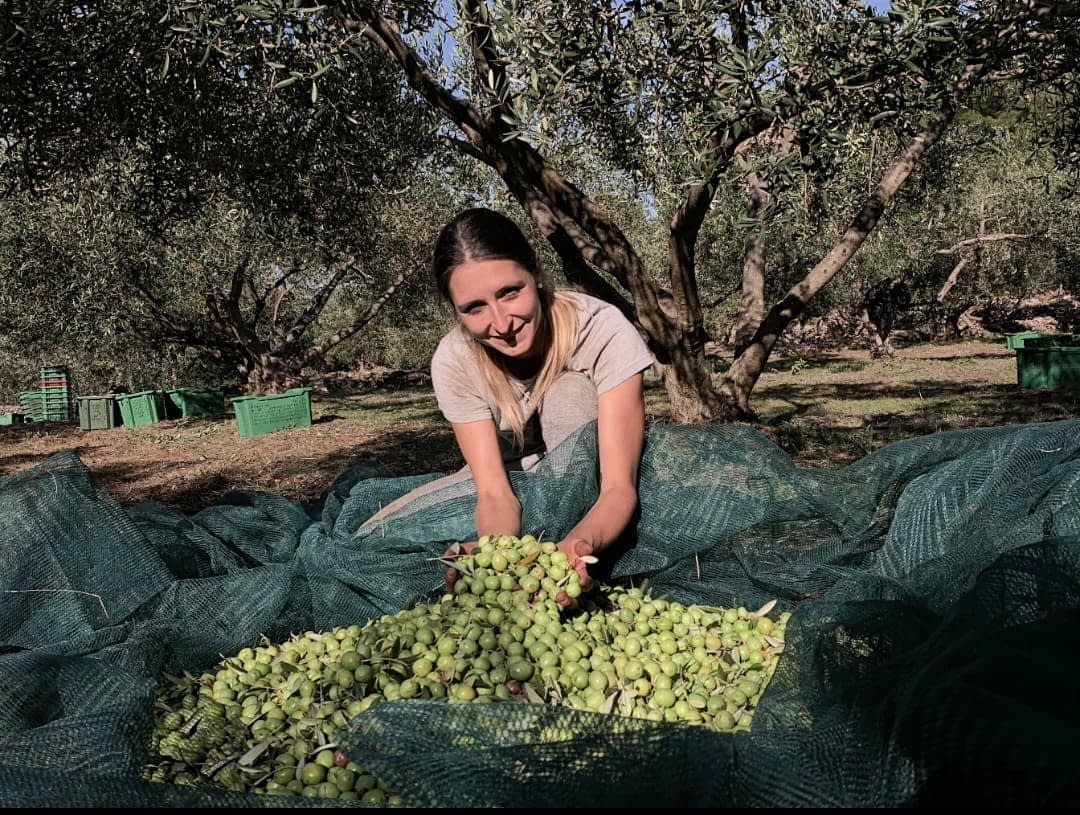

The Croatian island of Hvar is a popular summer vacation spot known for its natural beauty and rich history, with extra virgin olive oil being a key ingredient in its gastronomic scene. Eva Marija Čurin, owner of OPG Seca, runs an organic olive grove on the island and recently held a special dinner event featuring olive oil tastings paired with Hvar delicacies and wines, showcasing the high quality of their products and attracting tourists to their farm.
The Croatian island of Hvar, known for its impeccable natural beauty and rich history, is also a top destination for summer vacations.
One of the most visited places in Dalmatia and on the Adriatic, there is always something going on in its gastronomic scene, and the most commonly used ingredient is extra virgin olive oil.
“A healthy Mediterranean diet is unthinkable without high-quality extra virgin olive oil,” said Eva Marija Čurin, owner of OPG Seca from Gdinj in the municipality of Jelsa on Hvar.
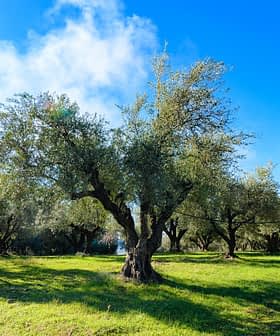
See Also:Restaurateurs, Producers in Croatia Debate Charging Extra for Local Olive OilsA few kilometers from Gdynia, on the island’s eastern side, in the locality of Seca, is the organic olive grove of the Čurin family, covering 5 hectares with 1,000 olive trees. The most common variety is Oblica, followed by Levantinka, Leccino, Lastovka and others. At 280 meters above sea level, there is a restored fairy-tale olive house with a tasting room.
“We organized all family events and celebrations as well as workshops in the olive grove. This is the center of our agriculture,” Čurin said. “As it is also of great sentimental importance to us, Seca spontaneously imposed itself as the name of the family farm, olive house, tasting room, the brand for the oils and all the products we produce.”
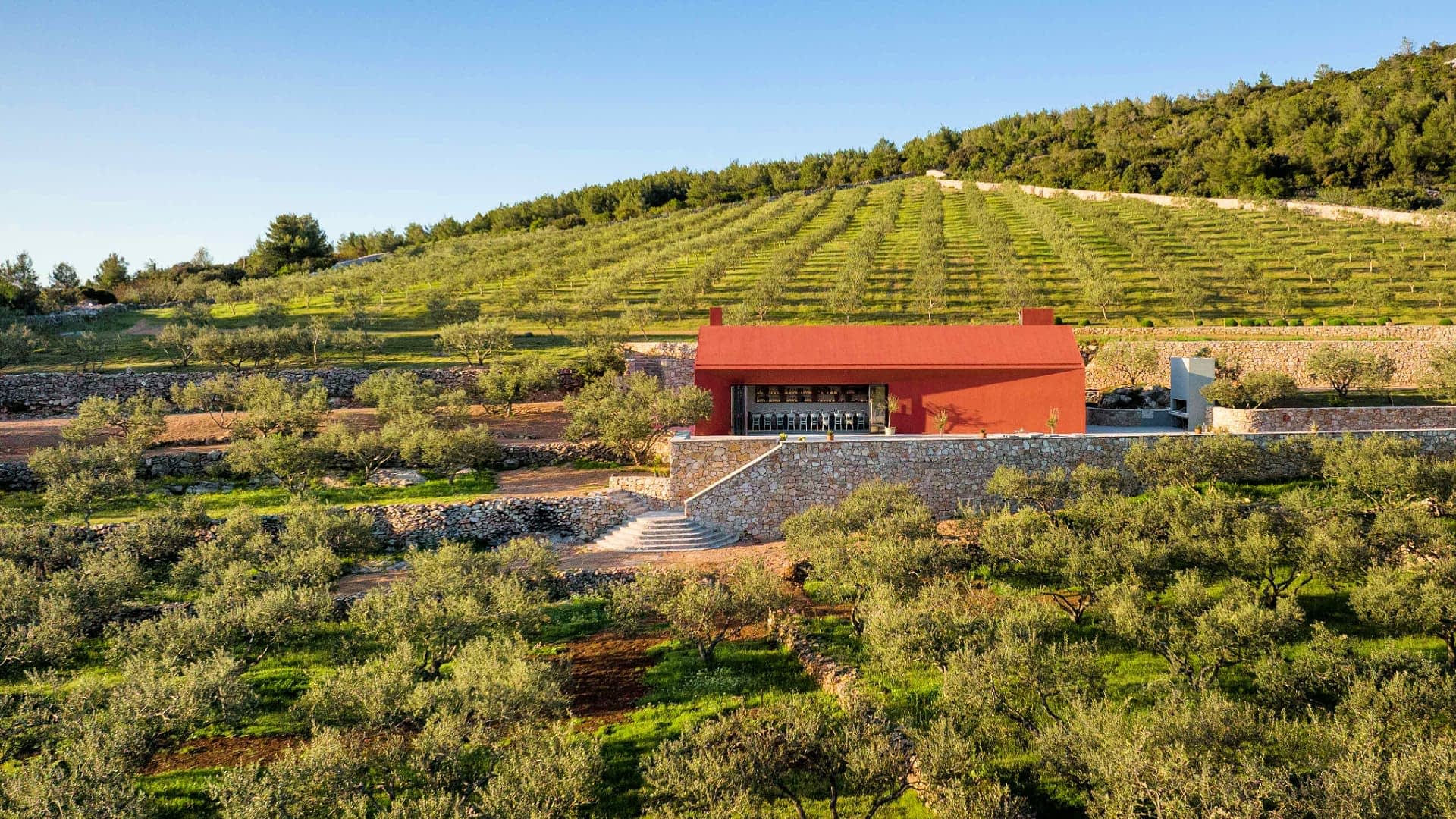
House of olive oil in the center of the olive grove
An interesting event recently occurred in the Seca tasting room, the first of its kind on Hvar and in Dalmatia.
For guests eager for new experiences, Čurin and the famous Croatian wine expert, Marija Vukelic, have designed a special dinner: olive oil tasting, with five carefully selected courses of Hvar delicacies and top Hvar wines.
Two olive oils were served with each course, and the guests chose the best combinations blindly because the labels of the tested oils were covered.
Additionally, one Hvar wine was added, which was also tasted blind. On top of everything, Mediterranean spices from Čurin’s garden were added to the combination of food, oil and wine.
“Given that it was the first tasting of this type, I was positively surprised by the response and later by the impressions of the guests who participated,” Čurin said.
The olives are picked by hand and processed the same day exclusively by cold extraction. “Thus, we get high-quality organic extra virgin olive oil directly from the olive fruit,” Čurin said.
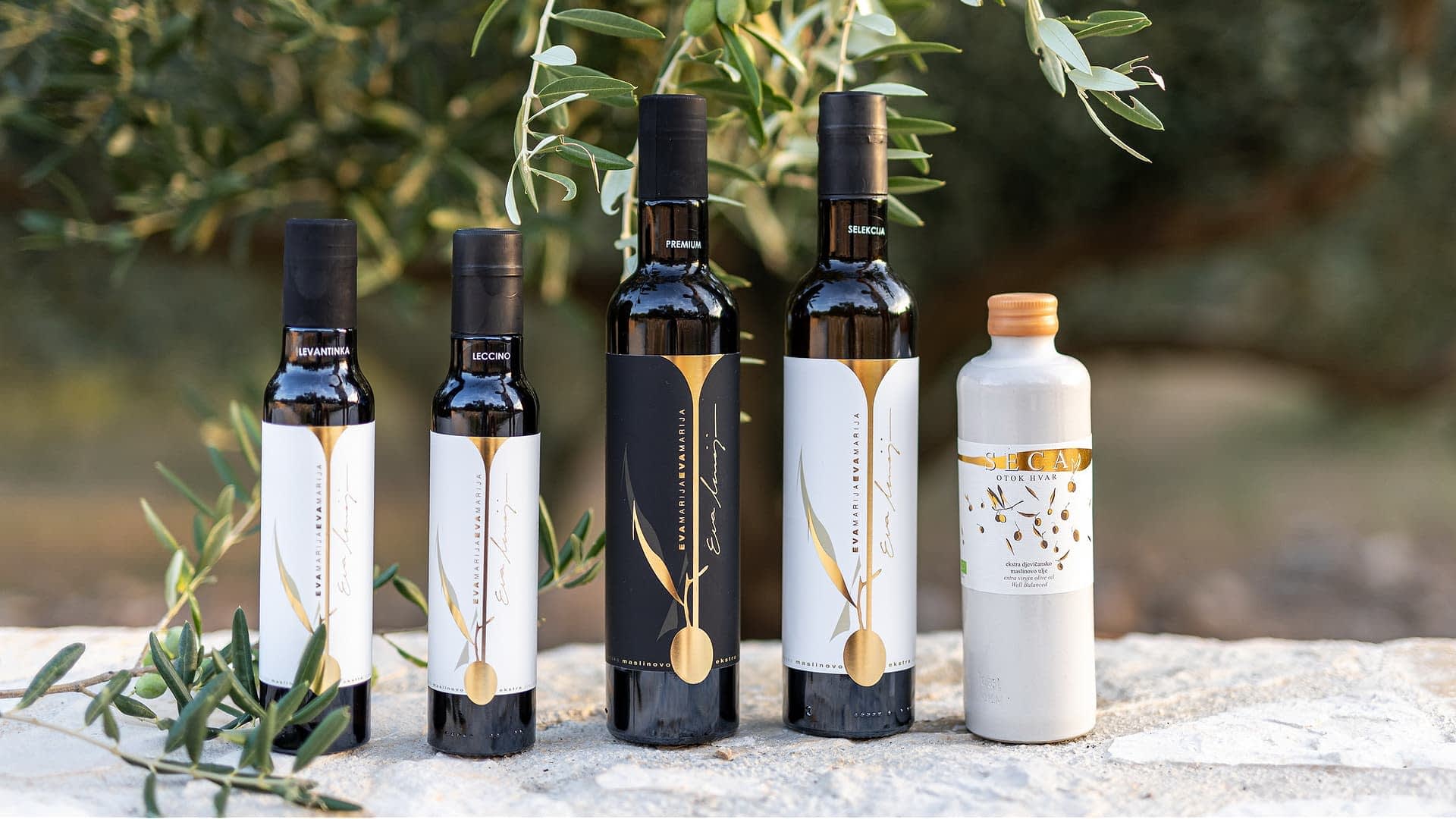
At the beginning of the evening, she presented seven olive oils: two monovarietal olive oils (Levantinka, Leccino), three flavor-infused oils (lemon, basil and chili) and two blended olive oils.
The combination of the Mediterranean climate with long, dry, sunny summer, rocky soil and a lot of passion and hard work yield extraordinary results, as confirmed by numerous awards won at local and international competitions.
In the guided tasting, which preceded the evening, Čurin showed the guests how to taste olive oil in a blue glass cup properly. “You pour it in, warm it between your palms, swirl it, smell it and sip it,” she said.
For the tasting, Čurin chose her Levantinka monovarietal, which earned a fourth-consecutive Gold Award at the 2023 NYIOOC World Olive Oil Competition, the world’s largest olive oil quality contest.
Čurin then described the characteristics of all the oils the guests were waiting to taste. Meanwhile, Vukelic spoke about the grape varieties and wines of Hvar, and after each pouring from a covered bottle, she revealed which wine it was and introduced the winery.
The first course was a bruschetta with arugula and fresh goat’s cheese from a local producer in Ježić, with which two oils were offered: Levantinka and basil-infused olive oil.
Guests ultimately preferred the basil-infused olive oil to pair with the food, partially due to its familiar scent, but chose the Levantinka olive oil with the wine.
The bruschetta was served with a 2022 Bogdanuša from the Tomić winery in Jelsa, which was awarded the previous day at a local wine quality competition.

The second course was risotto with cod, served with Parmesan and one of the blended olive oils along with the Leccino. The Leccino gave the risotto an exotic touch, but the blended olive oil was widely considered the star of the meal.
The third course – prawn tartar on polenta with a bit of caviar – was prepared with Fjori Fôra fish seasoning mix, followed by the blended olive oil and chili-infused oil.
The chili flavor was challenging and exciting with the dish, paired with a 2022 Rosé Pavičić from the village of Vrbanj, made from the plavac mali grape. However, guests preferred the pairing with the blended olive oil this time.
See Also:Cooking With Extra Virgin Olive OilNext, the steak arrived with a potato base and sprouts, with the other olive oil blend and Levantinka olive oil. This combination proved difficult to judge because both oils went well with food and wine. The wine was the iconic barrel-aged 2018 Medvid from the Duboković winery in Jelsa.
Dessert followed, featuring white chocolate cream with drops of lemon-infused olive oil and Prošek from the Luviji winery in the town of Hvar; the sommeliers confirmed it as the ideal combination.
The well-known Dalmatian dessert was prepared by Čurin’s parents, both experienced chefs. Čurin attributes her current success to their support, along with the family – her husband, Hrvoje, and seven-year-old son, David.
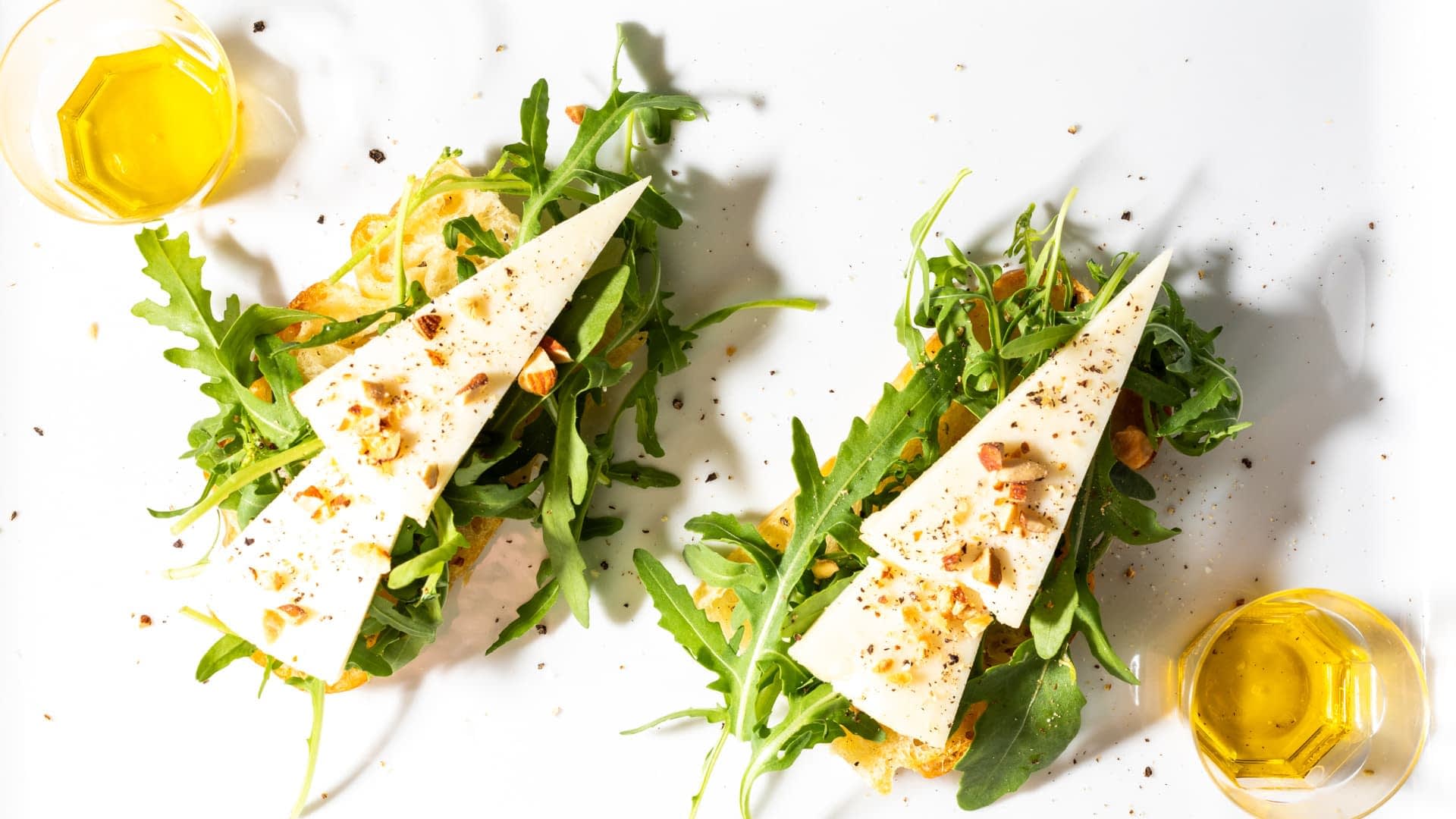
Brushette with cheese, vegetables and two oils for pairing and tasting
“We live in harmony with nature and our ecological production,” Čurin said. “Besides olives, we grow lavender, immortelle, figs, citrus fruits and seasonal vegetables. The combination of the Mediterranean climate with long dry periods, the sun, rocky soil and a lot of love and work give extraordinary results.”
While Čurin readily attributes her success to those around her, she does not hide her pride after OPG Seca was named the best organic olive grove in Split-Dalmatia county.
“The best publicity is achieved by participating in international events,” she said. “This is how we confirm to ourselves that we are doing well, that we create top quality and thus attract customers. We offer them the best we know how to do. Also, in this way, a better product price is achieved.”
Last year, the Čurin family moved further by opening the doors of the newly renovated tasting room — the House of Seca Olive Oil — in the olive grove.
One could say that it is the heart of the olive tree. The tasting room was built on the foundations of a heavy agricultural house and preserved the originality of traditional island architecture.
“With the reconstruction, we wanted to achieve a touch of modernity,” Čurin said. “The dark red color of the house refers to the fertile red soil, which is one of the factors for obtaining top quality.”
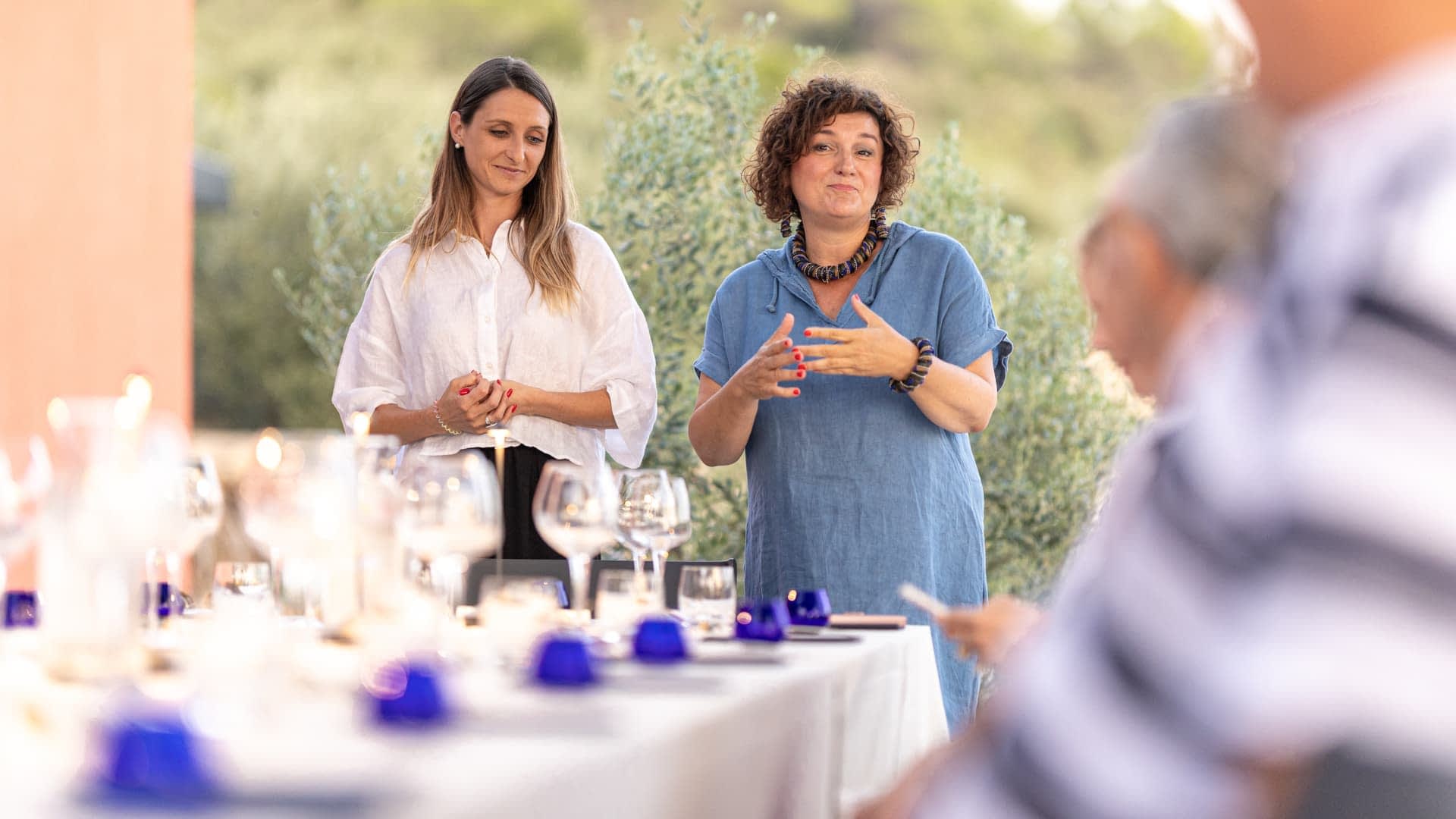
Eva Marija Čurin and Marija Vukelic
She added that the feedback from visitors has been excellent. Tourists vacationing on Hvar increasingly visit her farm to purchase olive oil. They taste it and buy it. Even the participants of the “blind” olive oil tasting did not skimp on compliments.
Oils ready for tasting
All the feedback and success have motivated Čurin to continue creating even more interesting and high-quality products.
She also hopes to teach other olive growers in Hvar, Dalmatia and Croatia to attract domestic and foreign guests to their olive groves and tasting rooms, who are increasingly interested in food and wine destinations.
For Čurin and other producers, the opportunity is apparent. Over the summer, more than 1 million tourists visited Croatia.
Related Articles

Sep. 29, 2025
New Initiatives Promote Olive Oil Culture in Northern Italy
New projects are advancing olive oil culture in northern Italy, with the opening of an oleoteca and a collective highlighting top-quality producers.
Nov. 4, 2025
Willow Creek’s Cooperative Approach Brings Stability to Olive Growers
Inspired by models in Europe and Chile, Willow Creek’s Guild of Groves brings 35 South African olive growers together to share resources, reduce costs, and boost quality.

Nov. 11, 2025
The Mission to Preserve Traditional Table Olive Recipes
Three researchers and communicators launched the Olives Around the Table initiative to collect traditional recipes from 20 Mediterranean countries for a digital archive.
Dec. 1, 2025
Slovenia Unveils 'Olive Oil Fountain'
A groundbreaking olive oil fountain has opened in Slovenian Istria, highlighting the country’s emphasis on quality, research and sustainable olive cultivation.

Jul. 8, 2025
Before the Flavored Oil Trend, There Was 'Agrumato'
Agrumato olive oil, made with Gentile olives and fresh citrus fruits, is a proprietary recipe from the Ricci family, credited with popularizing flavored olive oil.

May. 31, 2025
37 Complete Olive Oil Times Sommelier Program in New York
Thirty-seven professionals completed the five-day Olive Oil Times Sommelier Certification Course in Manhattan, mastering sensory analysis, production best practices, health benefits, and more.
Mar. 27, 2025
Young Croatian Grower Wins International Acclaim for Oil from Historic Grove
Young Croatian grower Stjepan Dević wins international acclaim at the NYIOOC for his award-winning olive oil, produced from a historic grove.
May. 7, 2025
Greek Producers Celebrate World Competition Triumph After Rebound Harvest
Greek olive farmers and millers overcame the complications of an autumn drought to claim 96 awards at the 2025 NYIOOC World Olive Oil Competition.