Israeli Producers Celebrate Record Year at World Competition
Producers from across the small Middle Eastern country earned one Gold Award and two Silver Awards from four entries.
Part of our continuing special coverage of the 2021 NYIOOC World Olive Oil Competition.
Israeli olive oil producers enjoyed a record year at the 2021 NYIOOC World Olive Oil Competition, earning its first awards at the competition since 2015.
Three producers combined to win one Gold Award and two Silver Awards at this year’s edition of the world’s most prestigious olive oil quality competition.
Winning awards at the NYIOOC gives us the feeling that we have succeeded in building a strong foundation for our brand.
The record year at the NYIOOC came despite olive oil production hitting its lowest point since the 2009/10 crop year.
According to International Olive Council data, Israel produced just 11,000 tons of olive oil in the 2020/21 crop year, roughly one-third less than the rolling five-year average.
The production decrease largely has been attributed to producers entering an off-year in the olive trees’ natural alternate bearing cycle and complications resulting from the Covid-19 pandemic.
Among Israel’s winning producers was Tamir Farm, which earned a Gold Award for its Ptora Midnight Coratina monovarietal.
See Also: The Best Olive Oils from Israel“The olive oil industry holds great tradition in Israel, all through the times of the Bible,” Ido Tamir, the company’s owner, told Olive Oil Times. “In this traditional industry, we strive to be innovative.”
Tamir attributed his company’s success at the competition to its complete control of the production process.
“We are situated in the southern part of Israel, but we work according to European standards,” he said. “Being both growers and manufacturers gives us complete control of the process and allows us to implement our high standards throughout the whole procedure.”
Along with his Coratina, Tamir also produces olive oils from the endemic Nabali cultivar, for which he previously earned a Gold Award at the 2015 NYIOOC.
“Throughout the years, we have come up with several unique blends of olive oil,” Tamir said. “The first one is our Nabali, a local ancient variety, which is difficult to grow and has a very low capacity of producing oil, making it rare and coveted.”
While Coratina olives are a more common variety, Tamir tries to differentiate the product by harvesting the olives only at night, when the cool temperatures help preserve their organoleptic and chemical characteristics.
“Our Midnight Ultra-Premium olive oil is produced with extreme care at night to avoid exposure to light and warm temperatures,” he said. “The olives are meticulously selected at an early stage of the season, harvested at sunset, and immediately transferred to the oil press.”
“Here, the extraction process is done in complete darkness and at very low temperatures, producing a gentle extraction of the highest quality,” he added. “This unique process results in an exceptionally bright green colored olive oil with a fresh, fruity and robust taste.”
Tamir spent more than two years perfecting his midnight blend, including six months to develop an ideal design for the bottle. The producer wanted to use the customers’ first impression of the oil to emphasize how it is produced.
In 2020, Tamir Farm produced 60 tons of olive oil, of which three tons were Ptora Midnight Coratina.
“2020 will always be remembered as the year of Covid-19,” Tamir said. “Producing extra virgin olive oil under such uncertainties was not an easy task. When Covid-19 initially broke out in Israel in March 2020, the uncertainty left us breathless for a while.”
“Restaurants were shutting down; corporate customers were canceling their orders,” he added. “Fortunately, we managed to respond pretty quickly, transferring our focus to the private sector that was at home, and showed increased interest in cooking and fine dining at home.”
Tamir hopes to have a better year in 2021 but said the harvest season was already off to a tough start due to Israel’s erratic climate.
“Unfortunately, low precipitation this winter along with several heat waves in the last few weeks was bound to result in a relatively low crop,” Tamir said. “We might not produce a lot of olive oil in the upcoming year, but we will make sure to maintain our high standard and present the market with the best possible extra virgin olive oil.”
For Tamir, part of the attraction of entering the NYIOOC was to establish his brand as a high-quality producer, and winning Gold has helped Tamir Farm achieve just that.
“Winning awards at the NYIOOC gives us the feeling that we have succeeded in building a strong foundation for our brand,” he said. “Standing in line with the world’s best olive oil producers will pave the way for us in the international markets and will expose us to a new audience.”
On the other side of Israel, the women-led organization, Sindyanna of Galilee, was also recognized at the 2021 NYIOOC, winning a Silver Award for its Extra Hopeful Olive Oil blend.
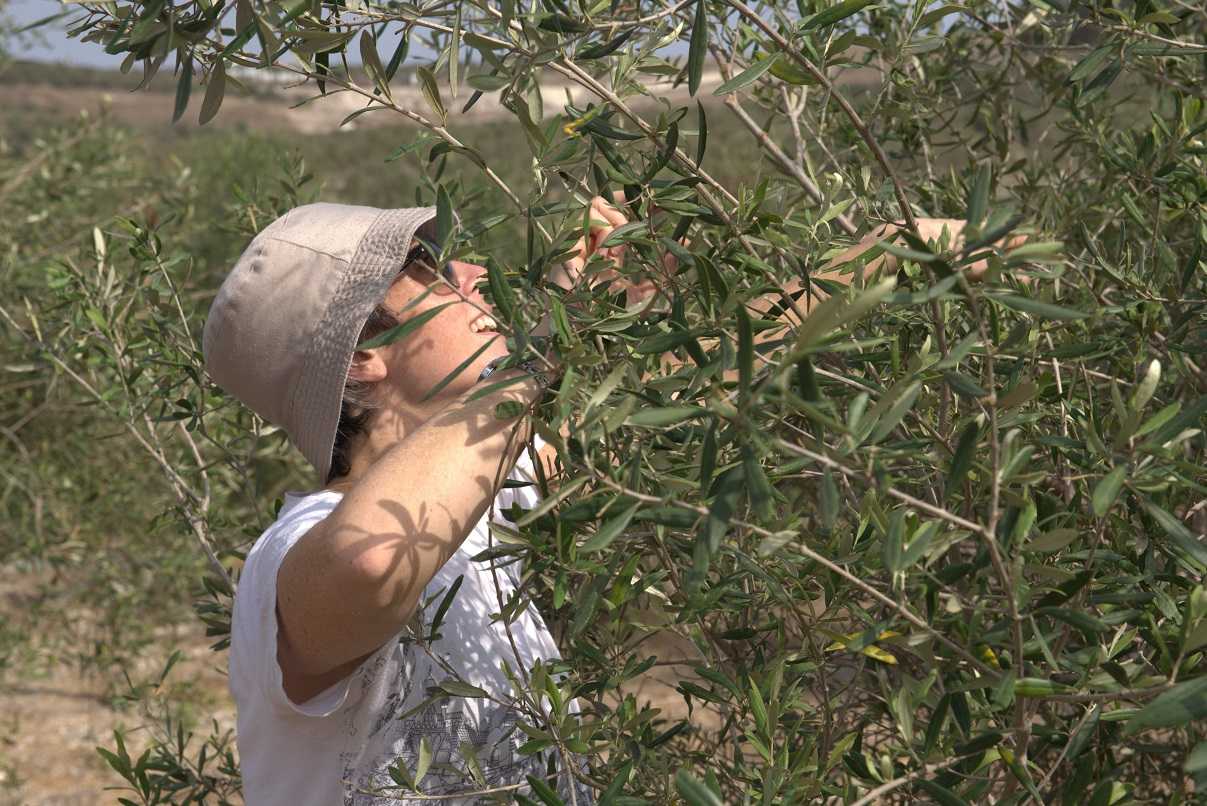
Roha Renana. Photo: Sindyanna of Galilee
Hadas Lahav, Sindyanna of Galilee’s CEO, said that the women of Sindyanna are very proud to receive this international recognition, both encouraged by the award itself and for proving that Arab and Jewish women can make life much better for themselves when working together.
“Our brand Extra Hopeful Olive Oil came just in time to show that hope for peace and solidarity can come from the Middle East,” Lahav said. “The fact that in Sindyanna, Arab and Jewish women work together is the ultimate response to the recent violence, war and the destruction of Gaza that we have just experienced lately.”
Along with its unique mission, Lahav added that Sindyanna’s olive oils stand out because they are the only Fair Trade Certified products in Israel.
“We are planting and running Fair Trade organic and environment-friendly olive groves,” she said. “We invest in and develop modern and sustainable agriculture methods for the development of the Arab rural community in Israel.”
“All our revenues are reinvested in creating jobs for Arab women, developing sustainable agriculture and promoting collaboration opportunities for Arab and Jewish women,” she added.
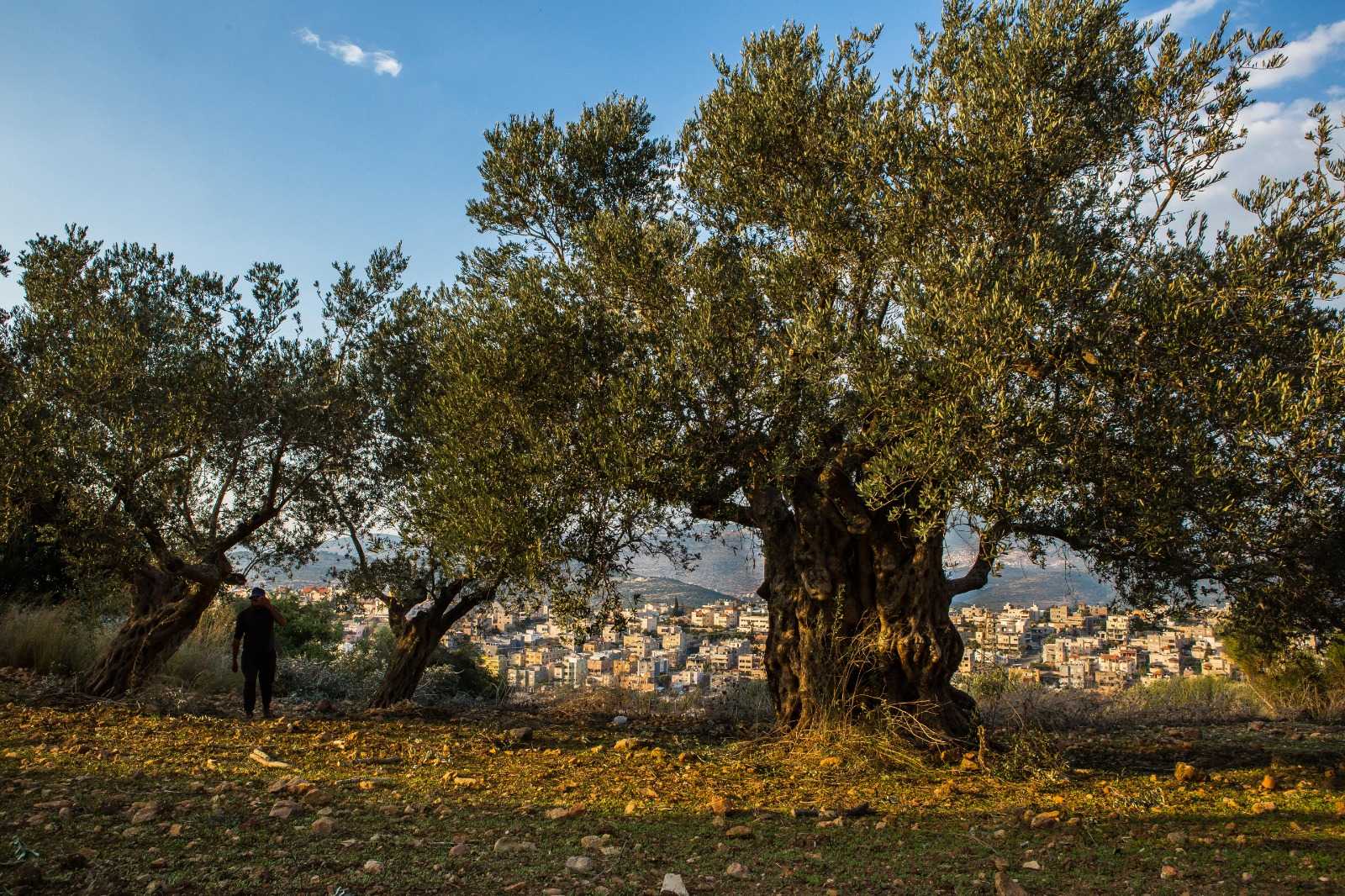
Photo: Itiel Zion
Like the other Israeli producers, 2020 was a challenging year for Sindyanna due to the Covid-19 pandemic. Its groves yielded six tons of olive oil, which was half of its yield in 2019.
“Like everyone else in Israel, the women of Sindyanna worked according to guidelines of the Ministry of Health,” Lahav said. “Thanks to a special government allowance for agriculture and food producers, some of our work continued during 2020.”
“Unfortunately, we had to let some workers go at the start of the pandemic and were unable to re-hire all of them before the resumption of work at full pace,” she added.
Despite the setback, Lahav said production was not as low as it could have been, and the pandemic proved that the company was crisis-resilient. However, she is hoping for a better harvest in 2021.
“We shall be able to continue to improve our olive oil quality and contribute towards the development of high-quality olive oil production in Galilee,” she said.
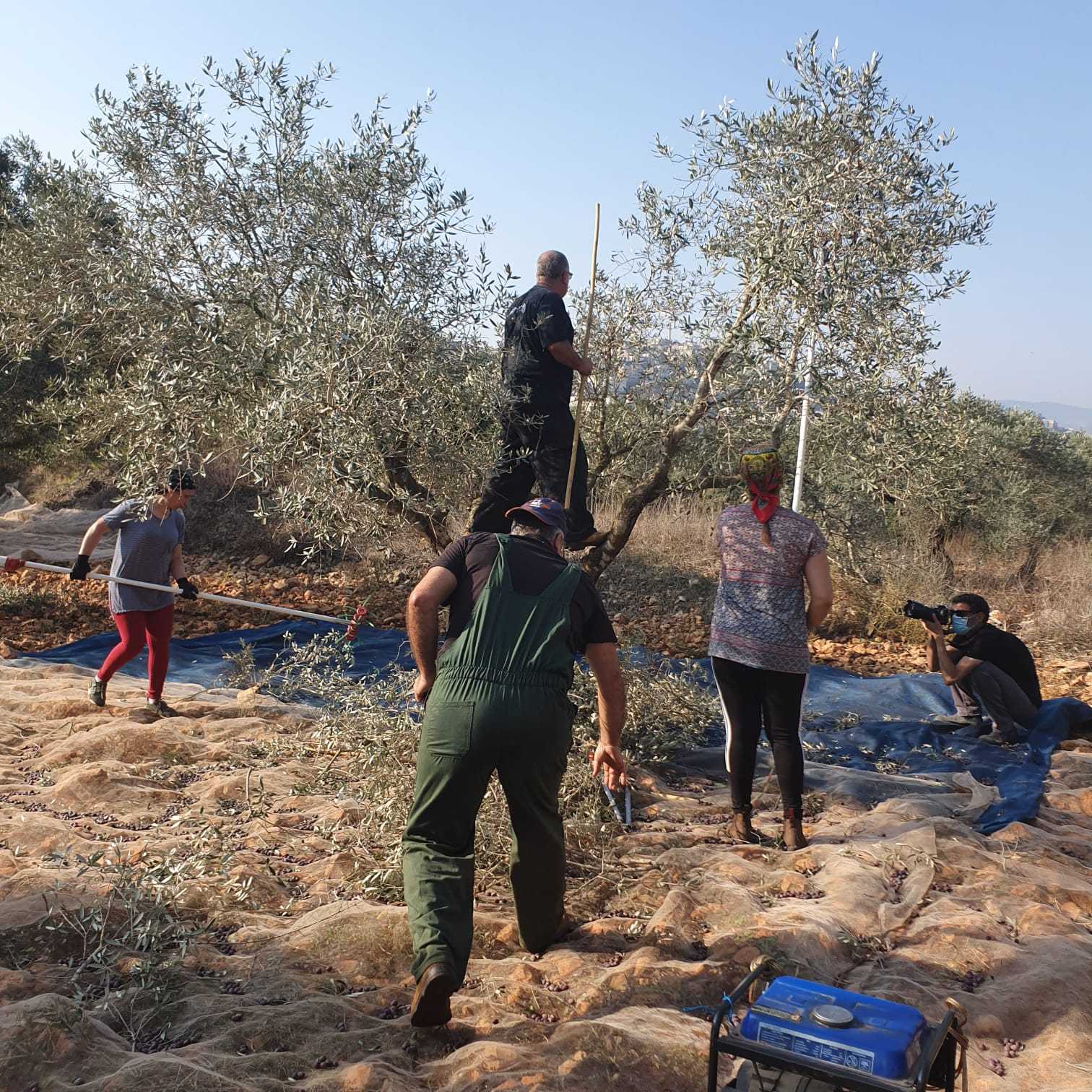
Photo: Sindyanna of Galilee
Meanwhile, in central Israel, the producers behind BVS Premium Jerusalem Olive Oil celebrated winning their first-ever Silver Award for its Heart Notes blend.
Despite the presence of some well-known brands of olive oil in Israel, Ashkenazi Hani, the company’s CEO, said her olive oil stands out from the competition.
“While we are sure that the other winners are excellent, we feel that our oil is special as it is produced with much care and patience, involving numerous trials and testing of our finished olive oil,” Hani told Olive Oil Times.
Part of what made this olive oil an award winner at the 2021 NYIOOC was the terroir on which the olives are grown and the fact that they are harvested early.
“Our preferred method is to pick the olives comparatively early at the very start of the season to ensure a green and aromatic blend of olive oil,” Hani said.
BVS Premium Jerusalem Olive Oil produced 8,000 liters of extra virgin olive oil in 2020, a little less than the previous year, which Hani attributed to the pandemic.
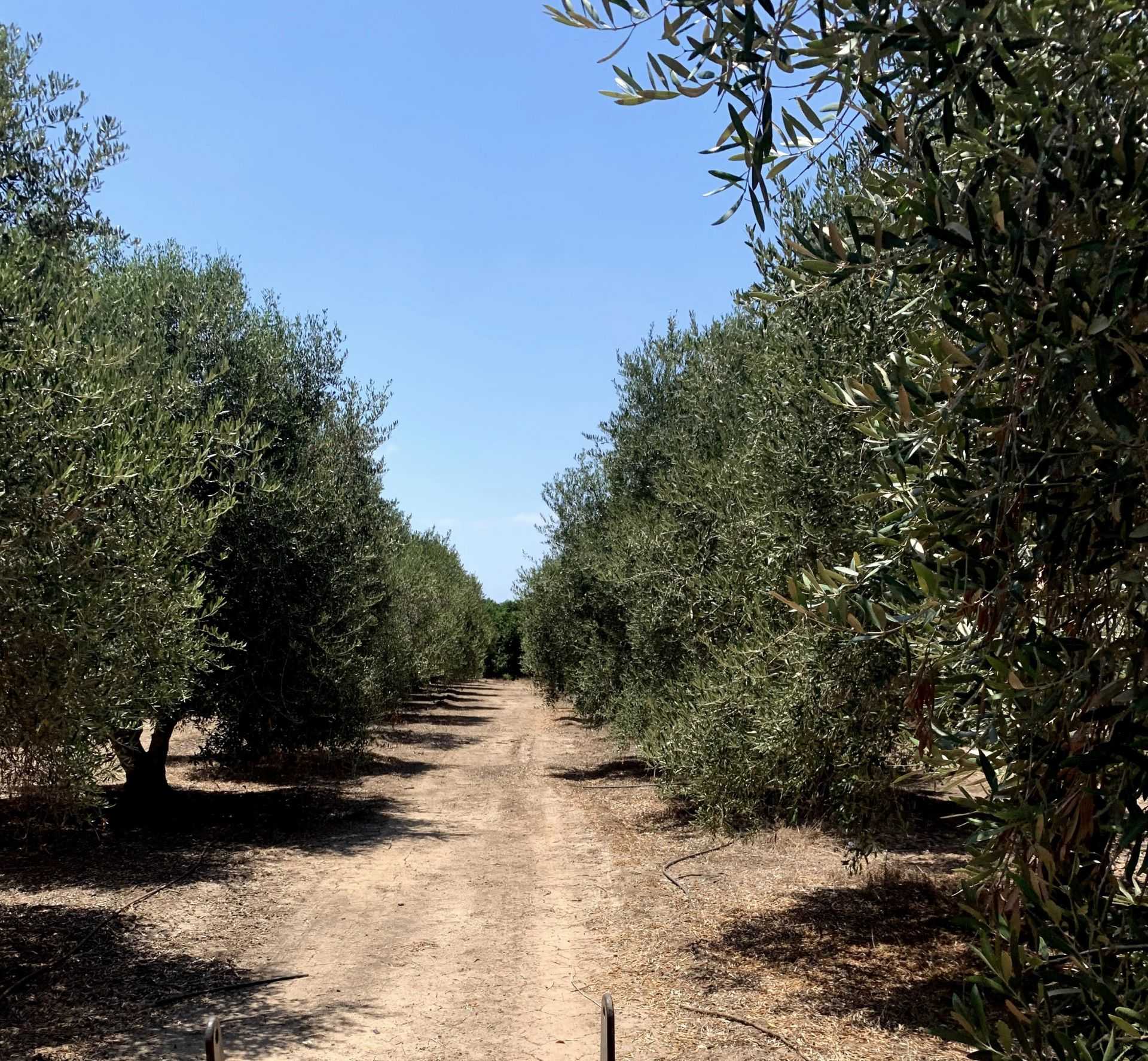
Photo: BVS Premium Jerusalem Olive Oil
“We feared that the olive oil produced during the 2020 harvest would remain unsold as consumers sought to reduce expenses, particularly due to their perception of olive oil as a luxury item,” she said.
The producer has to add some creativity to its marketing campaign to deal with this situation, which eventually worked.
“During the pandemic, our popular local campaigns began encouraging consumers to give preference to Israeli agricultural products, particularly olive oil, which helped us in increasing our sales considerably,” Hani said. “Surprisingly, rather than seeing a decrease in our sales during 2020, the opposite occurred.”
“The Israeli consumers joined us in the effort to promote local agricultural products and started making purchases directly from the farmers,” she added.
Hani is optimistic about the upcoming harvest and is expecting a better yield than the previous year.
“We are very excited heading into the 2021 harvest season,” she said. “The olive trees have started blossoming, and the fruits are also getting mature. All these signs are pointing toward a good harvest.”
“We will continue the loving care of groves, picking the best olives in the most precise manner and producing the finest olive oil,” she added.