Extra Virgin Olive Oil Shines in Michelin Star Chef’s Traditional Christmas Eve Dinner
Periko Ortega worked at two Michelin-star restaurants before opening his own, ReComiendo.
The Christmas season is rapidly approaching in Spain when the country effectively shuts down from December 24 to January 6.
On the night of the 24th, known as Nochebuena, many Spaniards and Spanish residents will gather with family and friends to celebrate the event with a decadent dinner. Celebrations generally begin at 9 p.m. and last until the early hours of the morning.
Nochebuena is different in every house. But extra virgin olive oil is always present.
Periko Ortega, the award-winning chef behind ReComiendo, one of the most highly rated restaurants in Spain and Europe, told Olive Oil Times that some people spend nearly a week preparing the meal.
“For me, the preparation is done on the same day,” he said. “I wake up early and prepare the meal, spending all day in the kitchen with the family cooking and trying the food.”
See Also: Chefs in France Bring Extra Virgin Olive Oil to Christmas DinnersBorn in Jaén, the heart of Spanish olive country, extra virgin olive oil has always been an integral part of Ortega’s life and features as the star ingredient in almost every one of his Nochebuena dishes.
“First of all, in each dinner, Christmas dinner too, extra virgin olive oil is the best appetizer,” he said.
Along with a traditional platter of entremeses, an assortment of charcuterie and cheeses, Ortega serves bread to dip in fresh extra virgin olive oil. The type of oil Ortega uses for this purpose entirely depends on how the previous month’s harvest has gone.
This year, he will use a blend of Hojiblanca and Picuda for dipping the bread. However, in previous years, he has used Picual and Arbequina.
Traditional wisdom surrounding cooking with olive oil recommends using fresh extra virgin for dipping bread and drizzling on salad while reserving last year’s oils for sauteéing, baking and roasting.
However, Ortega uses only freshly-produced extra virgin olive oil in all his meal preparations and at his restaurant.
“This year, for a first course, we will have an extra virgin olive oil parmentier,” he said. “It is made with only two ingredients: potatoes and extra virgin olive oil.”
Parmentier de patata takes its name from Antoine-Augustin Parmentier, a French nutritionist who eventually convinced Napolean Bonaparte to end his ban on the cultivation of potatoes in France.
The dish is similar to mashed potatoes and can be eaten as a side dish or used to garnish others on the Nochebuena table.
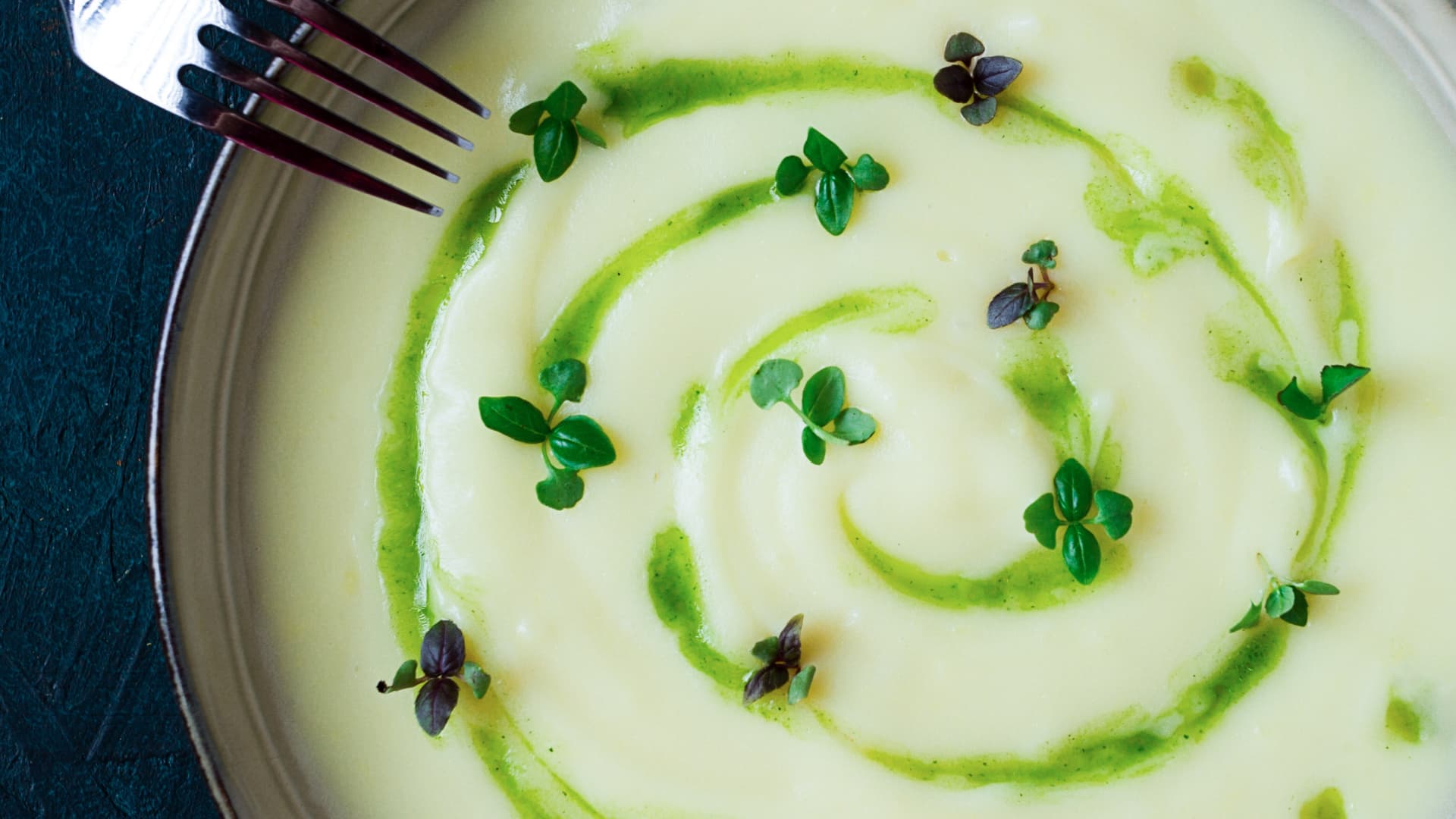
After baking the potatoes for one hour and mixing them in a blender, Ortega adds 10 percent Picual extra virgin olive oil, salt and pepper. “We use Picual because it is a strong extra virgin olive oil, a little bit spicy and bitter,” he said.
This year, he plans to serve his parmentier de patata with foie gras or egg fourchette.
“For the second course, we have wild sea bass cooked over low heat in extra virgin olive oil of the Hojiblanca variety,” Ortega said. “Hojiblanca smells like freshly-cut grass, it is spicy and the flavor goes very well with the sea bass.”
He puts the sea bass in the pan before generously covering the fish in extra virgin olive oil and sautéing it for seven minutes at 65 ºC.
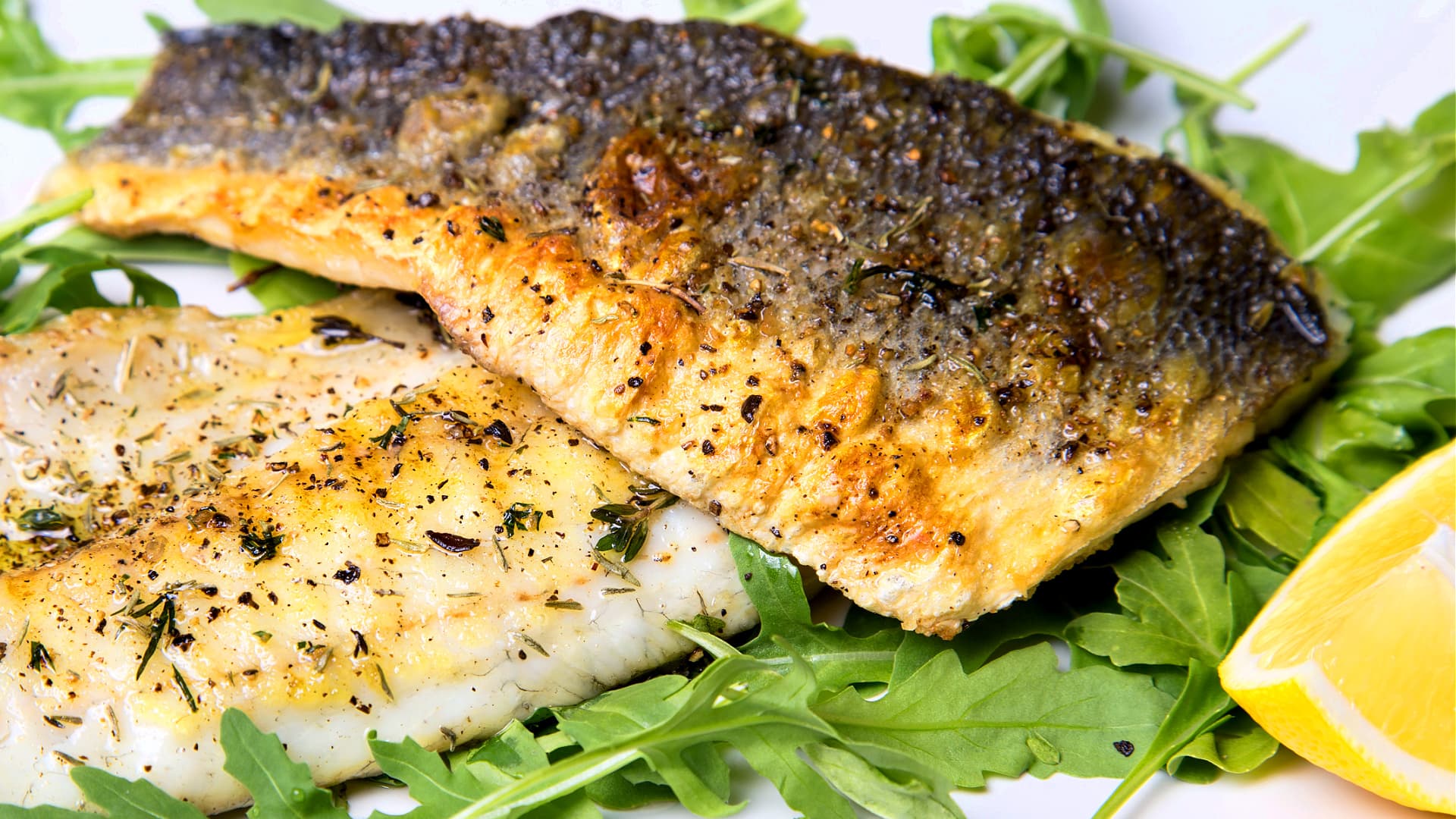
In other parts o the country, particularly Spain’s northern and eastern coasts, fish play a more prominent role in the traditional Nochebuena dinner. However, Ortega recommends cooking any fish dish with delicate extra virgin olive oil.
See Also: Pairing Extra Virgin Olive Oils with Fish and Meat Dishes“The next course is the meat,” Ortega said. “This year, we are having Iberian pork sirloin.”
Iberian pork sirloin is a low-fat, high-protein cut of meat coming from the part of the pig between the lower ribs and spine.
Ortega has a three-step method to prepare this classic dish. First, he roasts the pork for 45 minutes at 54 ºC before removing the meat from the oven and placing it in a vacuum-sealed back with a Cornicabra extra virgin olive oil, chili and a little bit of salt.
“For the pork, we need an extra virgin olive oil with a strong flavor,” he said. “I use Cornicabra because it is more bitter. For example, the olive oil flavor is lost if you pair an Arbequina variety with the pork.”
Once the meat is sealed in the bag, Ortega bakes the pork for another 45 minutes at 54 ºC. Once it has come out of the oven, he roasts the pork with a torch until the skin becomes crispy.
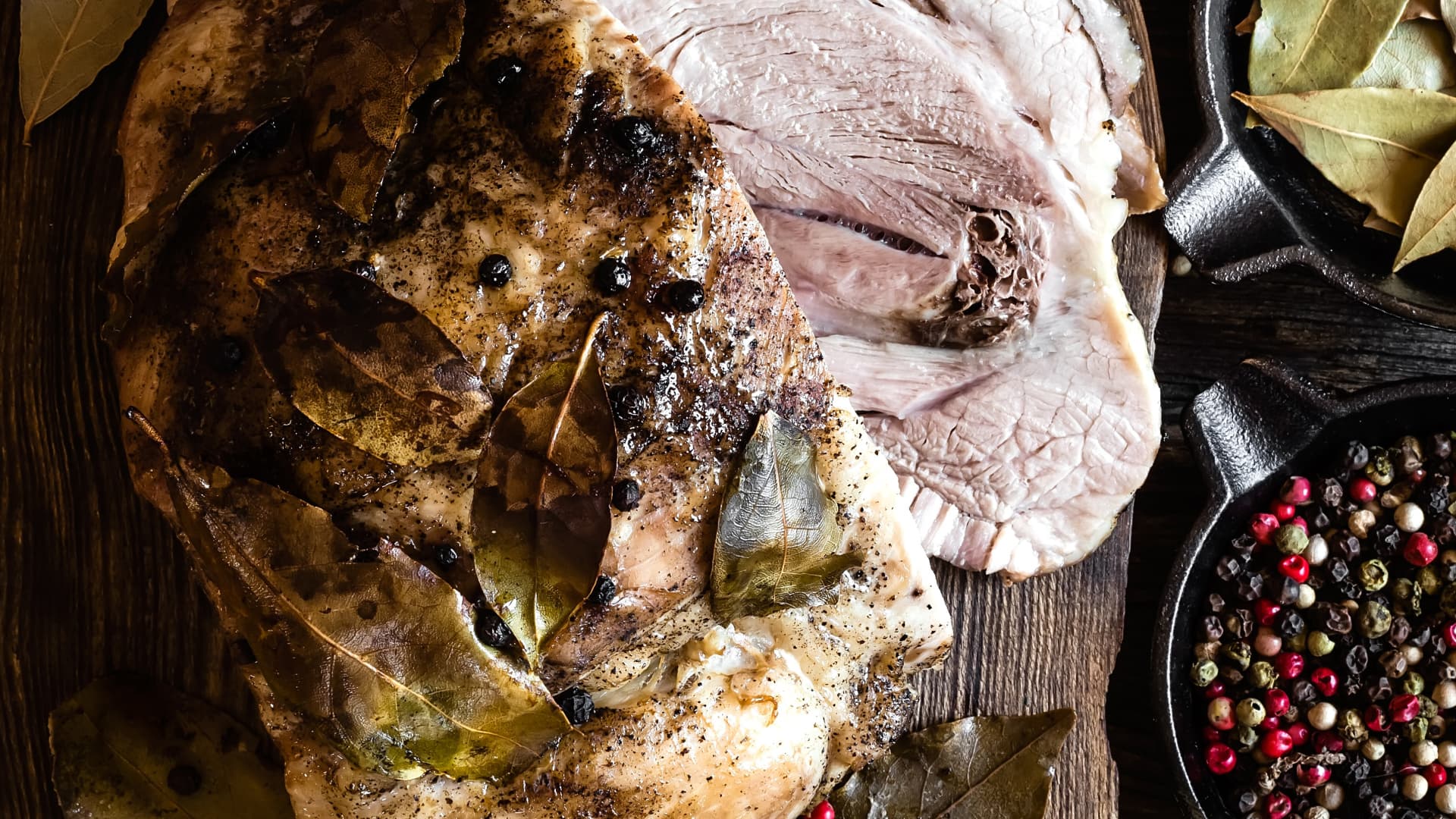
Ortega also plans to serve sweet potatoes roasted in extra virgin olive oil with the Iberian pork sirloin. He usually adds the sweet potatoes into the vacuum-sealed back so the flavor of the olive oil, pork and potato meld together. However, he said that the potatoes could also be prepared separately.
In other parts of the country, notably central Spain, the traditional Nochebuena dinner includes roasted lamb instead of Iberian pork sirloin.
Ortega is not personally making this dish for his dinner but said it should be prepared similarly with a robust extra virgin olive oil, once again to avoid the flavor of the lamb overpowering that of the olive oil.
“And now the most important part of any Christmas Eve dinner is the dessert,” Ortega said. This year, he plans to bake extra virgin olive oil brownies.
Ortega makes his brownies with dark chocolate comprised of 65 percent cacao, eggs and Arbequina extra virgin olive oil. “There are only three ingredients,” he said. “No flour. No butter. Only chocolate, eggs and extra virgin olive oil.”
First, Ortega melts 250 grams of chocolate before mixing it with 120 grams of olive oil. Next, he separates the whites from the yokes of three eggs before whisking all the ingredients together and baking them in a pan for 60 minutes at 160 ºC.
Finally, no Nochebuena dinner is complete without polvorones, a traditional Spanish shortbread cookie made with extra virgin olive oil or pork fat. “For me, they are better with extra virgin olive oil,” Ortega said.
“The recipe is so easy, too,” he added. “You need sugar, extra virgin olive oil, almonds and cinnamon or cacao for flavor.”
Ortega starts the process by grinding almonds with flour before baking the combination in the oven. Next, he removes the mixture and combines it with extra virgin olive oil and the other ingredients before returning the mixture to the oven and baking it some more.
While Spain is a diverse country with different cultures and culinary traditions, polvorones are a universal treat to finish off the night. Extra virgin olive oil, too, is an essential ingredient for whichever dishes or being served.
“Nochebuena is different in every house,” Ortega said. “But extra virgin olive oil is always present.”