Chefs in France Bring Extra Virgin Olive Oil to Christmas Dinners
The quality of local oils and their health benefits have earned a place at the heart of French Christmas traditions.
France is one of the European countries where olive oil consumption has grown the most in the last 30 years, from 28,000 tons in 1990 to 125,000 in 2021.
Consumers’ rising awareness of its healthy properties, coupled with the creative intuition of many French chefs, have brought extra virgin olive oil into the kitchens of millions of French families and many restaurants.
Therefore, it should not come as a surprise that extra virgin olive oils are increasingly found among the distinguished guests of French Christmas celebrations.
See Also: The Flavors of Extra Virgin Olive Oil“The South of France is where extra virgin olive oil is cherished the most, which is an obvious consequence of the excellent olive oils produced in the region,” Emmanuelle Dechelette, an author, taster and founder of Olio Nuovo Days, told Olive Oil Times.
The presence of the olive tree in France dates back thousands of years. In ancient times, the prolonged Greek and Roman presence in the region triggered olive farming, which in modern times has assumed a significant economic role in wide areas of the South of France, such as Provence and Occitanie. Today, local consumption largely exceeds production volumes.
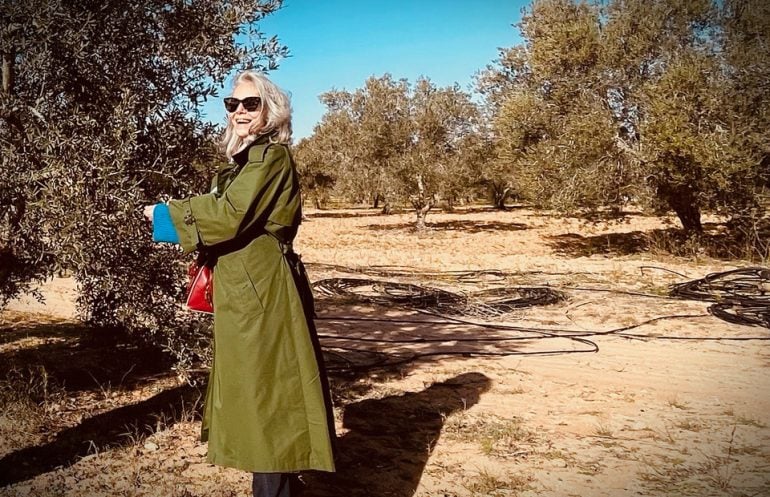
“Since the 1980s, a relevant reason for olive oil’s spiking popularity among consumers stays in the widespread interest for the Mediterranean diet and its healthy outcomes,” noted Dechelette.
On top of that, very significant names in French cuisine have adopted extra virgin olive oil as a main ingredient in their recipes in recent decades, bringing further innovation to one of the most significant cuisine traditions in the world.
One example is Alain Passard, a two-star Michelin holder renowned for his mastery of roasted meat. In 2001, he announced that his restaurant would turn vegetarian, a choice that also implied a shift in the fats being used.
One year later, this choice led to Passard earning a new Michelin star and helping to increase extra virgin olive oil’s appeal among French cuisine enthusiasts.
“And then, just a few years ago, something remarkable happened in Lyon, a turning point for extra virgin olive oil popularity in France,” Dechelette added.
Lyon, in central France, is considered the country’s gastronomic capital. It is the home of the Sirha fair, one of the largest European events dedicated to professional cuisine, restaurants and cuisine innovation. Sirha holds a well-known cuisine competition every two years, named for its founder, Paul Bocuse, one of the most important figures in French cuisine history.
At the 2017 Bocuse d’Or contest, the competing teams, which had qualified from all over the world, were asked to prepare a vegan dish. This was a first for the competition.
“[The vegan dish] came as a complete surprise for everyone, even more considering that Paul Bocuse mostly loved butter and cream. That was the year olive oil conquered the spotlight,” Dechelette noted.
“Today in restaurants it is becoming more frequent to be offered bread and olive oil where once it would have been bread and butter,” she added.
As the Christmas season approaches, olive growers and olive enthusiasts in several locations in the South of France celebrate the olive harvest. They hold fairs where guests often wear traditional costumes while they celebrate and taste the new olive oil.
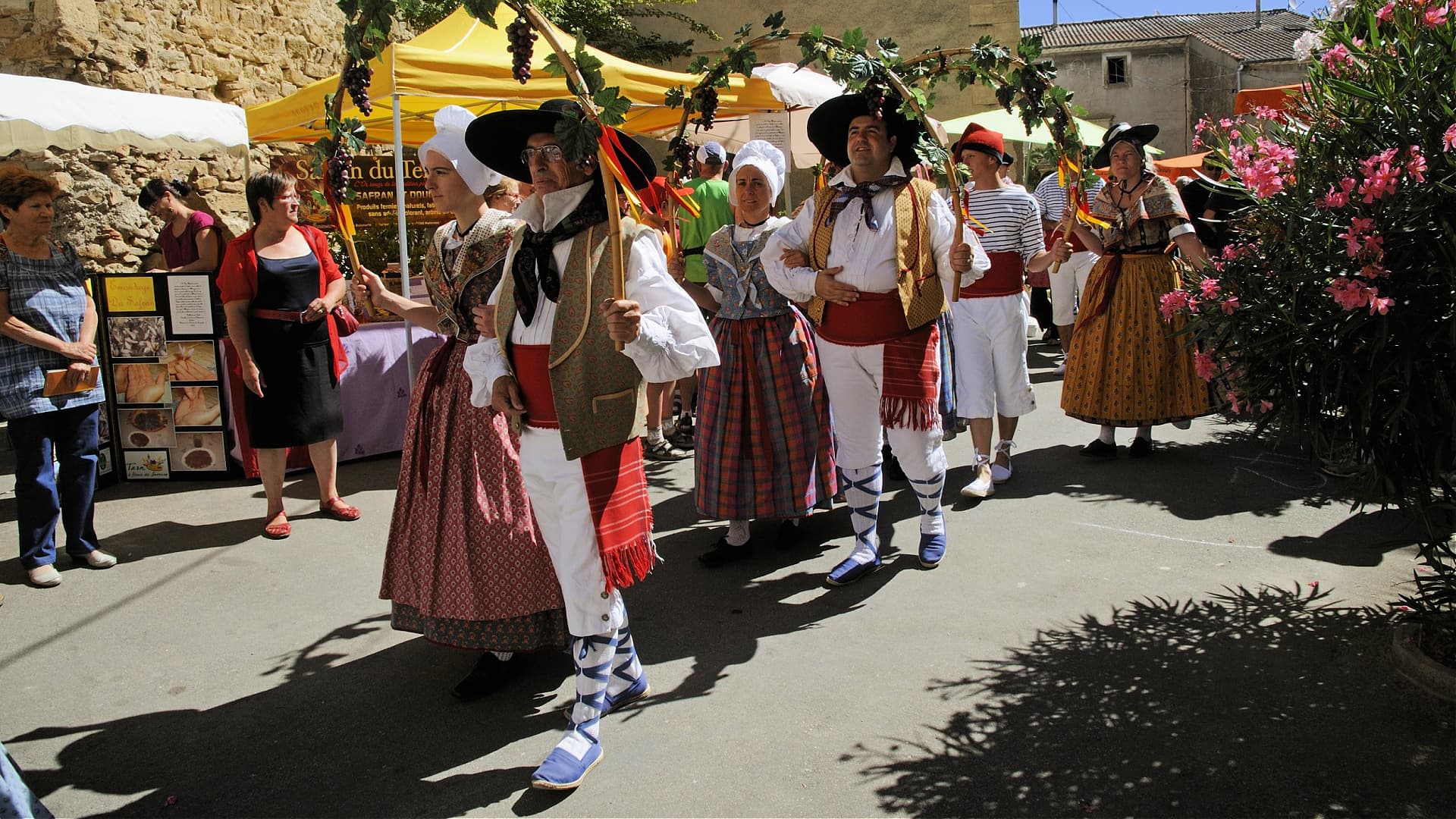
Olive festival in the Languedoc region of France
While French tradition does not disdain outdoor and indoor Christmas decorations and related leisure activities, food preparation and the social and family gatherings at the dinner table are, without a doubt, the true driver of those special days.
Mostly homemade, the Christmas Eve dinner is the main attraction for French families. It is traditionally planned well in advance and expected to last hours.
It will usually start with an apéritif (pre-meal cocktail). Champagne and Champagne-derived drinks are a frequent choice.
Food preparations might take days as they tend to be way more complex and rich than at any other time of the year. The guests will expect wine, possibly tailored to the specific dishes being served.
The main course usually includes fish dishes, oysters and salmon, with foie gras and escargot usually served as well.
The many variants of salads are often enhanced by vinaigrette, a hallmark of French cuisine that celebrates extra virgin olive oil as one of its key ingredients.
Highly popular is the aioli, a cold sauce consisting of an emulsion of garlic and olive oil. “Similar preparations can also be found in the cuisines of the northwest Mediterranean, from Andalusia to Calabria,” Dechelette highlighted.
Meat-loving families will serve roast chicken or turkey with chestnut stuffing, or they may serve goose, which is often accompanied by roasted potatoes and cooked apples.
Traditionally the meal ends with desserts such as fruit cakes and sometimes vin brulé, a renowned spicy, sugary hot wine drink.
In northern France, the Christmas Eve dinner may end with the bûche de Noël, a wood log-shaped dessert that began its longtime residence on French dinner tables at the end of the 19th century.
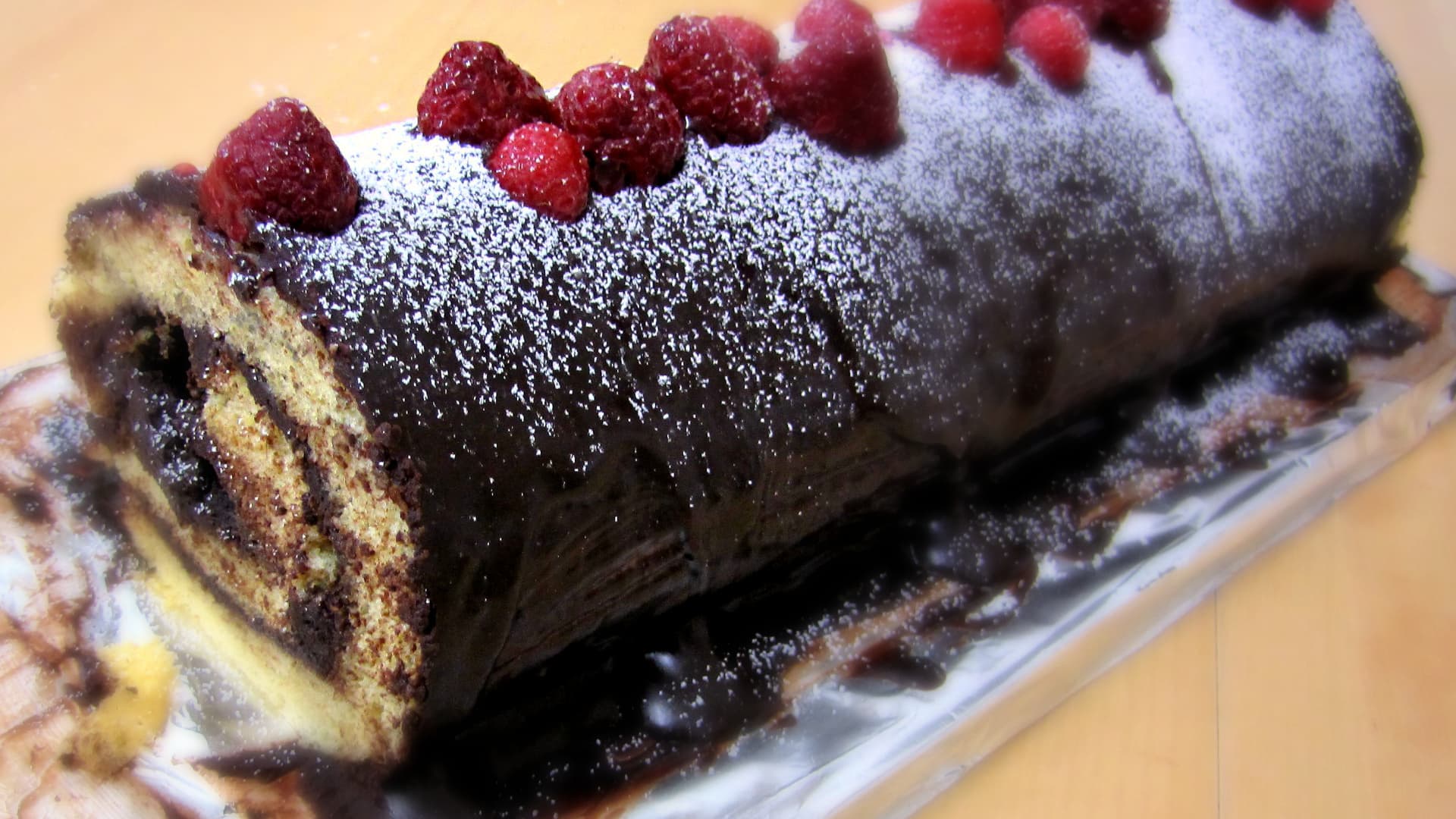
bûche de Noël
In Provence, though, a different tradition has grown, with extra virgin olive oil emerging as the protagonist of the Christmas Eve desserts.
“That is due to a well established tradition of desserts, which is inspired [by] Jesus Christ and his 12 disciples, the apostles,” Dechelette explained.
Thirteen desserts are all served at once at the dinner table. As this tradition is inspired by Christ’s last supper, the desserts are meant to be shared among guests. That is why all guests are asked to taste at least a bite of each dessert.
In families where religious tradition thrives the most, the 13 desserts could be shown covered by white tablecloths and three candles, representing the Holy Trinity. They will consume these desserts on Christmas Eve and over the following three days.
Usually introduced as the first to be shared, one of the apostle-inspired desserts is the pompe a huile (“oil pump”), whose name comes from its round shape, which aims to resemble an ancient olive press. It is a sweetened bread whose only fat is olive oil.
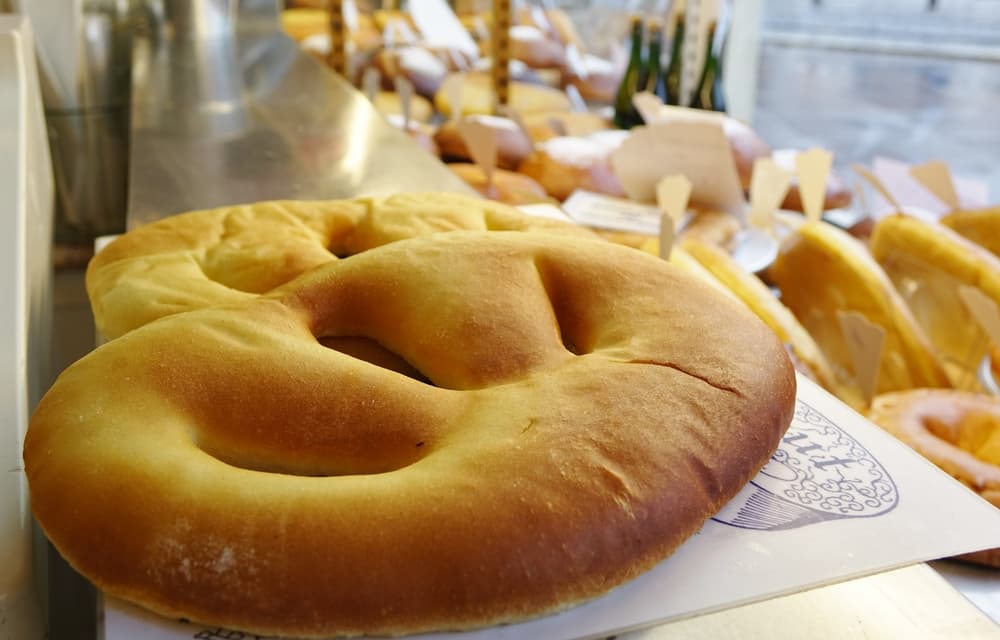
Pompe a huile (Photo: Made in Marseille)
Tradition dictates choosing freshly milled olive oil and fresh orange blossom for a successful pompe a huile preparation. “Many compare pompe a huile to the fougasse, a baked bread, but it is more dry,” noted Dechelette.
In Provence, pompe a huile is traditionally believed to be the present brought to the newborn Christ by Pistachio, a character in the long-standing tradition of the Provençal representation of the Nativity.
Fresh grapes, white and dark nougat, walnuts, almonds, hazelnuts, rowan berries, dried figs, and raisins are the main ingredients of the remaining 12 desserts.