Finca La Torre’s Pursuit of Perfection in Málaga
Finca La Torre has won six Gold and two Best in Class Awards at the New York International Olive Oil Competition. “While most farmers harvest very late, we bet on a very early harvest,” explained Víctor Pérez, the company’s director.
Placed just south of Jaén and Córdoba, no wonder why Málaga province, in Southern Spain, may have been a bit overshadowed. At least when it comes to olive oil. But in a corner, in the north of the province, things are changing.
For four years in a row, Finca la Torre has been chosen as the best organic extra virgin olive oil producer in Spain by the country’s Ministry of Agriculture.
There is another way you can follow, which is the bet on quality. Not producing big quantities but reaching to the end. To the consumer.
This estate near Antequera, only 50km inland from the provincial capital, has won more than 30 awards in the last five years, including six Gold and two Best in Class Awards at the prestigious New York International Olive Oil Competition.
“In Málaga, there is the advantage that there exist different climates. Thus there is a very important diversity in terms of varieties of olives,” said Víctor Pérez, an engineer and director of this Swiss-owned company.
The Northern stretch of the province, where Finca La Torre is situated, is a dry area with some Mediterranean influence. Here is where the “sea of olive trees” — spreading northward up to Jaén — begins.
South of the province, closer to the sea, the landscape turns more mountainous and humid.
“Depending on the territory where we are, we will be able to taste very different kinds of olive oils. So the wealth of varieties here is much more important than in other regions,” Pérez told Olive Oil Times.
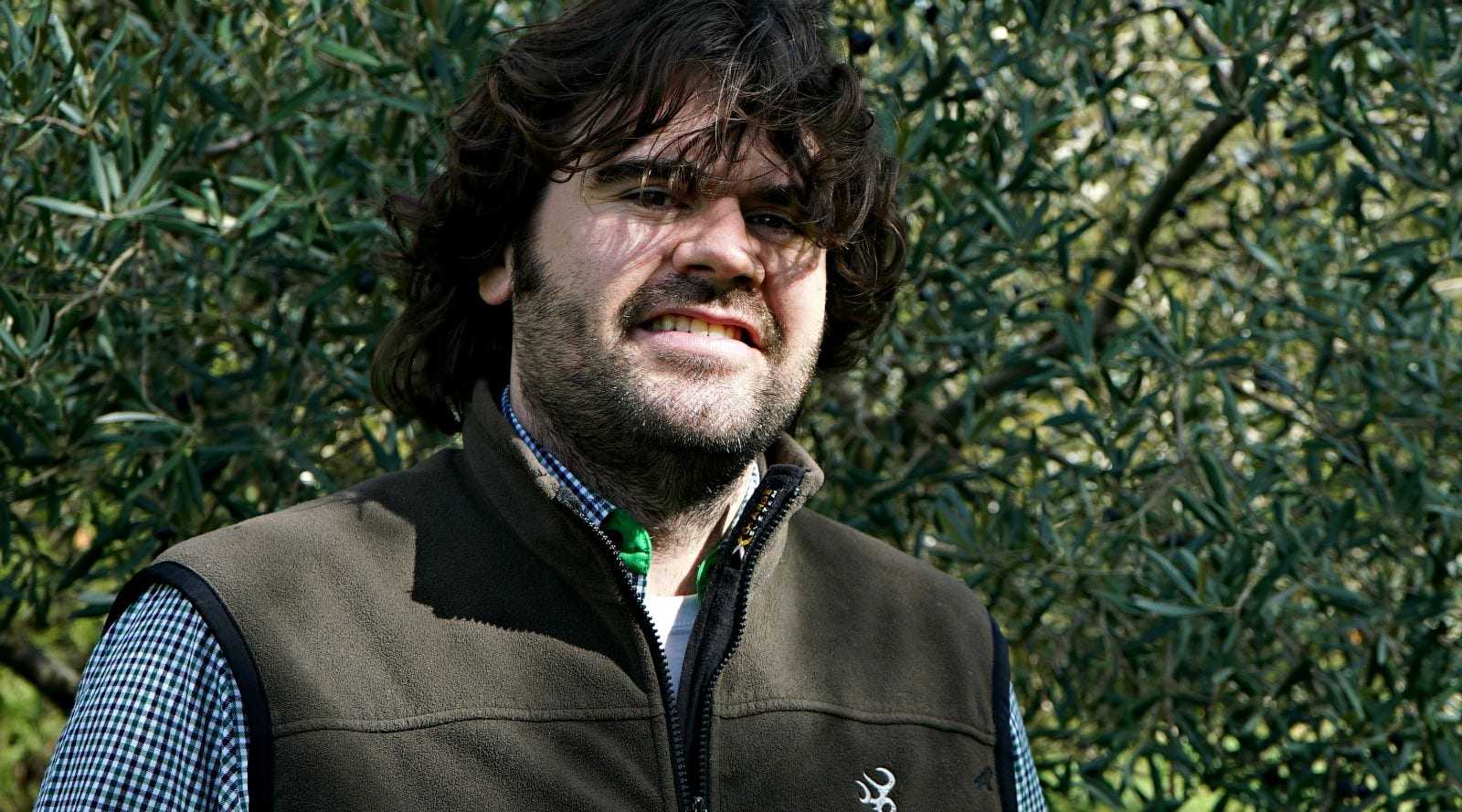
Víctor Pérez (Photo by Pablo Esparza)
From the top of a hill where workers are pruning the olive trees after the harvest, Pérez pointed to different areas of the estate. Old traditional olive groves alternate with newly planted trees, pastures and woodlands. Pérez highlighted the importance of this diverse ecosystem.
“We have around 380 hectares. Of those, just 230 are dedicated to olive trees. The rest is forest. We combine olive trees with cattle. This plays an important role as it helps both to control weeds and fertilization.”
The whole production, he said, is certified as biodynamic and organic and the estate’s 34,000 olive trees feature a range of local varieties.
“Roughly 50 percent out of 230 hectares are of 130-year-old traditional olives of the Hojiblanca variety. We also have 100 hectares of intensive olive groves where we grow four different varieties: Hojiblanca, Arbequina, Picudo and Cornicabra,” Pérez explained.
When asked about the reasons for the recent success of Finca la Torres’s oils, he added:
“We have specialized much more in the commercialization of top-of-the-line olive oil. We are a company that has its own production and we also bet on a change of philosophy. While most farmers harvest very late, we bet on a very early harvest.”
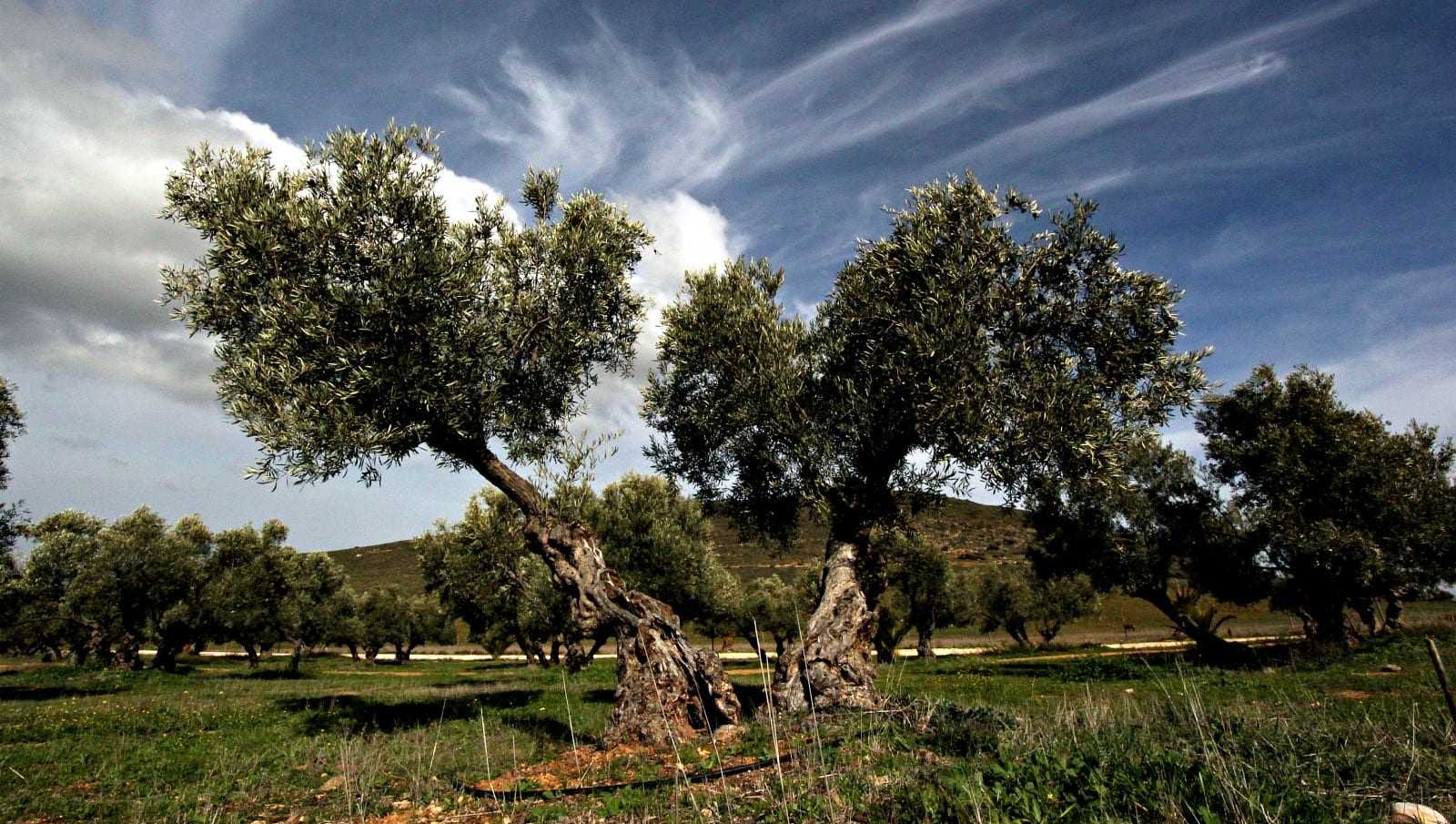
Málaga lies well behind Spain’s olive oil giants in terms of production. Still, this Andalusian province ranks fifth among the olive oil producing areas in the European country, just after Jaén, Córdoba, Granada and Seville.
In 2015-16, Málaga — which is home to more than 22,000 olive farmers — produced 75,000 tons of olive oil. It may be far from the 600,000 tons of Jaén, which accounts for around 20 percent of the world’s production, but it is not a despicable figure.
However, beyond quantity, things are changing in Málaga’s olive oil scene. And it is starting to spread beyond Finca la Torre.
“I think we have spearheaded this,” Pérez said, “in the sense that producers around you see that you are capable of winning the Foods of Spain Award for the last years and also international recognition.”
“This opens the path to other ways of facing the production of olive oil: not only the typical bulk production. No. There is another way you can follow, which is the bet on quality. Not producing big quantities but reaching to the end. To the consumer.”
“Many producers are joining this philosophy,” Pérez assured.