On Shores of Lake Garda, Volunteers Harvest Abandoned Trees for Charity
Volunteers in Toscolano Maderno are demonstrating the economic and social value of abandoned olive trees.
Abandoned olive groves in the hills that surround Lake Garda, in northern Italy, are being recovered by a group of volunteers.
Isolated orchards and even scattered trees, many of which are survivors of old olive groves that were destroyed to make way for construction projects, are being harvested by the volunteers.
They are a relevant source of wealth, a source that is being neglected and forgotten.
Lake Garda is an area characterized by breathtaking views of the country’s largest lake and home to the Garda PDO. And it is where hundreds of trees have been forgotten, left with fruit on their branches year after year.
By harvesting the olives and producing extra virgin olive oil, which is donated to families in need, the volunteers hope to show local institutions and residents the opportunity the forgotten trees present for the community.
See Also: In Italy, Abandoned Olive Groves Find New Life“During the current pandemic, when everyone is hit by its effects, with many people losing jobs and a spike in poverty among the general population, we have these trees, full of fruits, surrounded by thorns and often left to their fate by their owners,” said Davide Boni, one of the volunteers from 2020ResetAll, a collective and member of the municipal council of Toscolano Maderno.
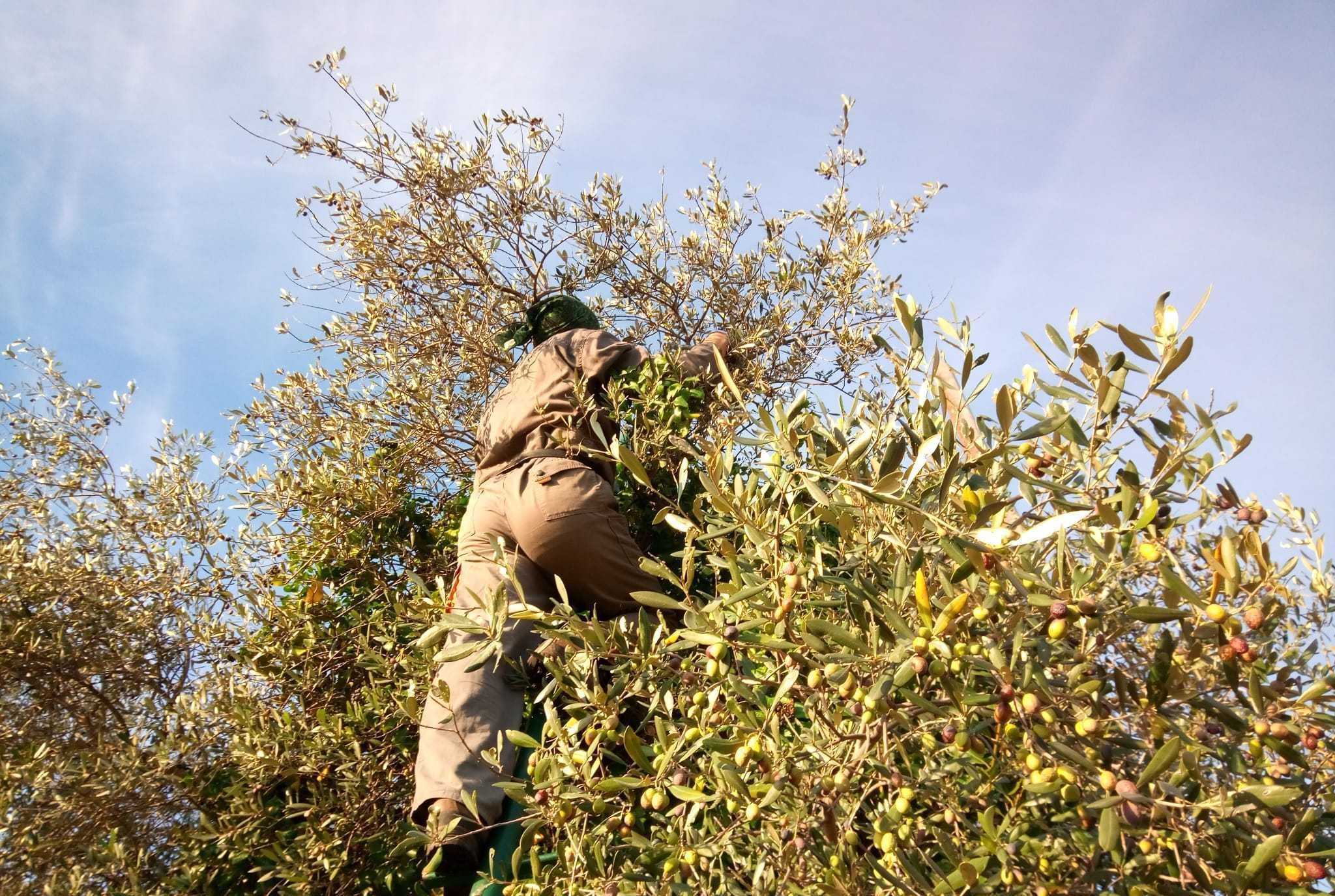
“Still, they are a relevant source of wealth, a source that is being neglected and forgotten,” he told Olive Oil Times.
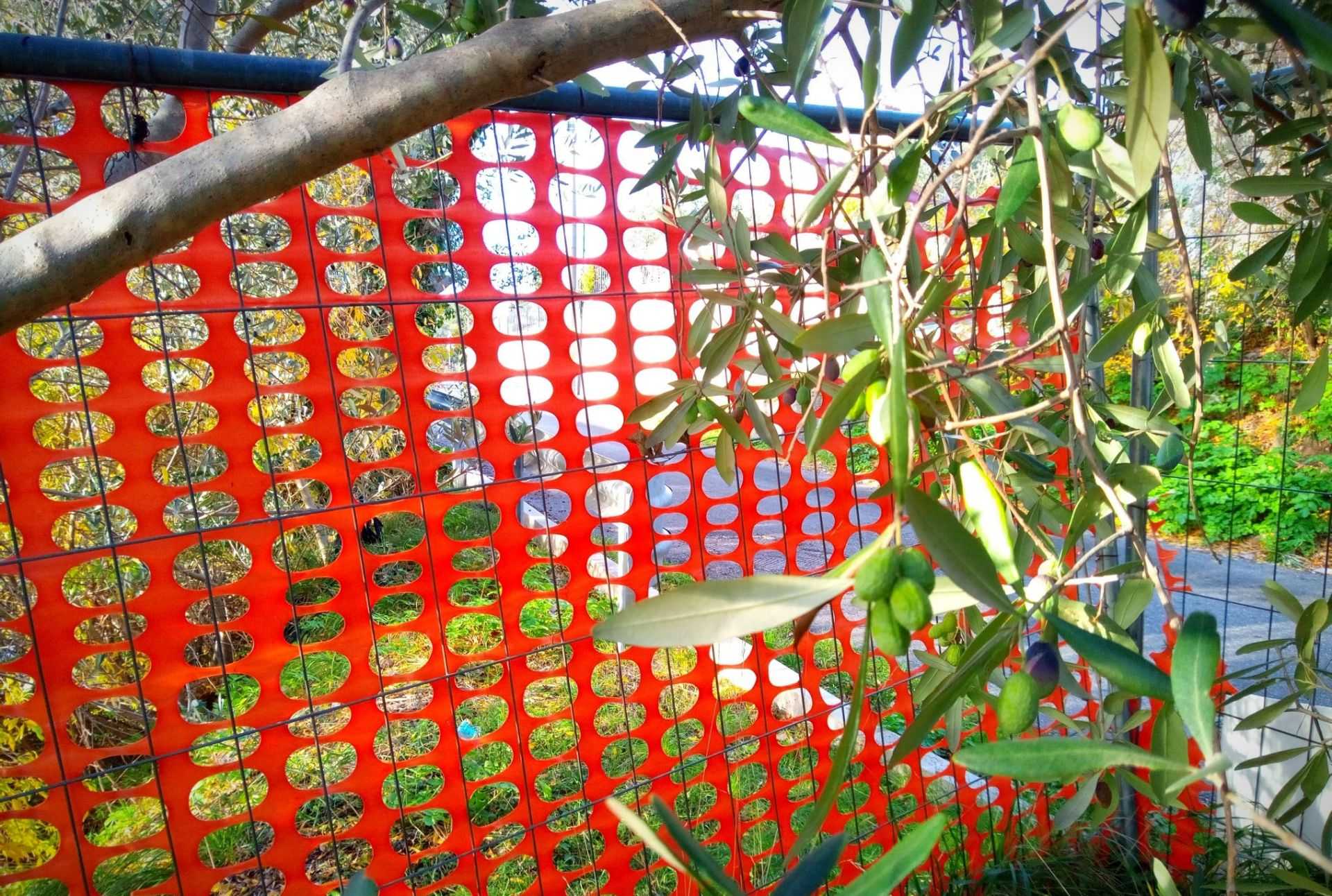
The trees revived recently lay inside a construction site where work has been halted. Within an orange plastic fence around the site’s perimeter, the trees are the remnants of an olive orchard that once decorated the hill.
“The local prefecture had already warned in a public statement how abandoned olive trees constitute, among other things, a hygienic risk. Their crowns full of fruits are the perfect habitat for the olive fruit fly,” Boni said.
Given the high-quality extra virgin olive oil produced in the area and the state of neglect of the site, the volunteers crossed the fences and took care of the trees, harvesting several quintals of olives.
“As we came down to our village with the olives, some elderly residents told us of other fields where trees were forgotten and needed harvesting,” Boni said.
2020ResetAll
While the word of their work began to spread, the biggest hurdle to overcome was bureaucracy.
Since a new Covid-19 lockdown was declared in Lombardy, where the western bank of the lake lies, the volunteers could not move freely, just as the harvesting season was in full swing.
While established olive farmers were allowed to continue their operations during the lockdown, the work of the group’s volunteers risked coming to a complete stop.
“Local police wanted us to ask for a preventive permit to get to the fields, or to carry the olives to the oil mill,” Boni said. “So we had the idea to turn these excessive requests into fuel for our awareness campaign.”
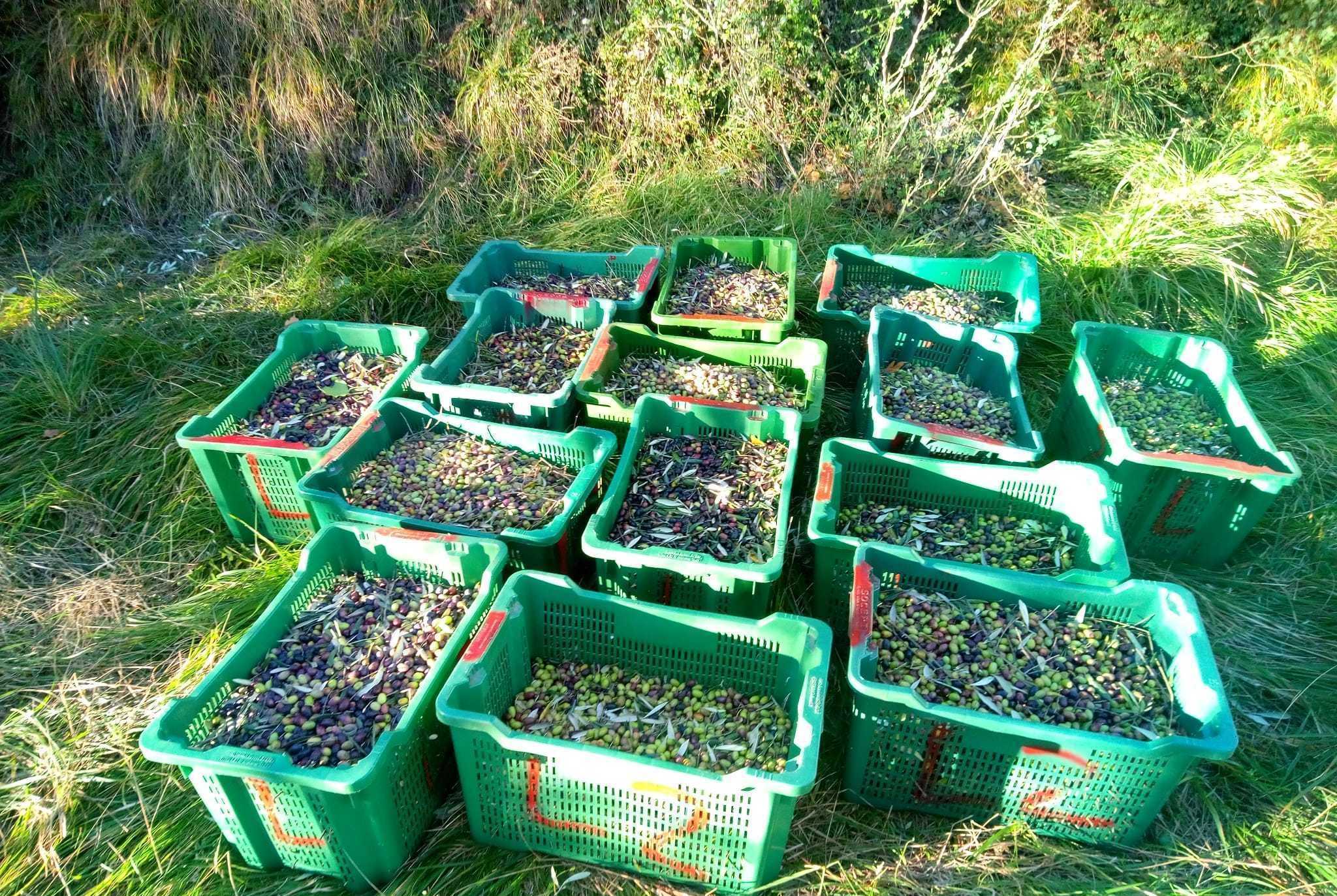
“We signed a public appeal in my municipality, Toscolano Maderno, asking authorities to not tamper with the work of the volunteers, who were committed to take care of neglected olive trees that often lay on difficult terrain – rocky and steep,” he added.
The pleas were shared through social media and were boosted even further when the prefecture warned farmers about the risks posed to established businesses by the abandoned orchards.
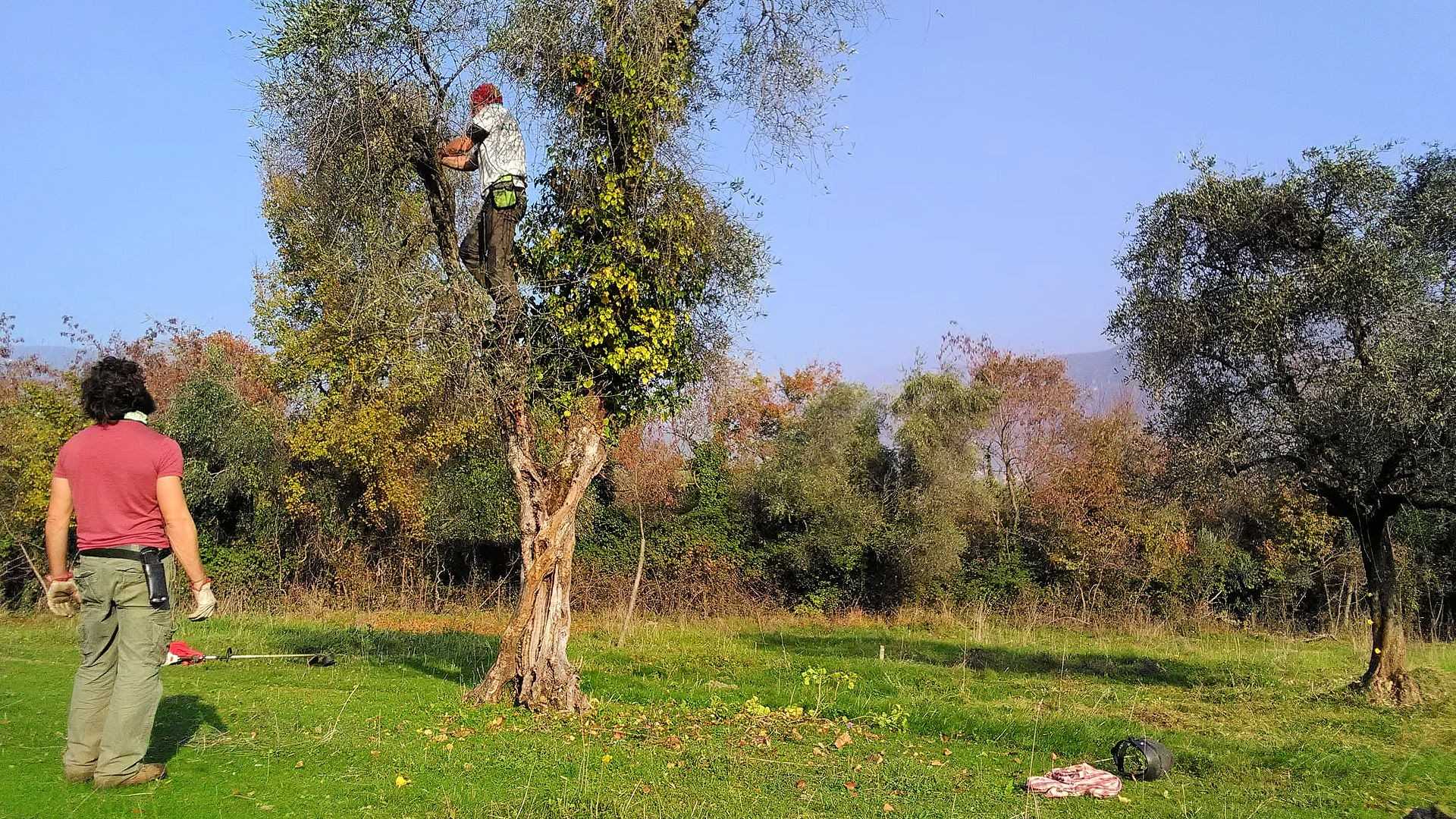
“It all happened very fast since we got into that construction site a few weeks ago,” Boni said. “The word spread and dozens of people have joined us to work on the trees.”
While the volunteers are committed to take care of the trees, they emphasized how many more orchards are still left uncared for in the area.
2020ResetAll
“Many areas are victims of the estate speculation that took place in the early 2000s on our hills,” Boni said. “But many trees are left there because they are the properties of elderly people who cannot manage them anymore, or have been inherited by younger folks who do not find a reason to harvest the olives or take care of the trees.”
The volunteers did not want to do the work of those who own the properties but instead explained that they hope their actions “send a signal to people and institutions while they struggle against the pandemic.”
Boni, who has also served as deputy mayor of Toscolano, emphasized how the collective “hopes to push those who have to make decisions to go forward in the right direction.”
“We have no interest in becoming an official business. Our action is a political action to raise awareness,” he added. “We are giving the olive oil to the social services of the municipalities where the olives were harvested so it can benefit families in need, while also helping to spread the word about the neglected and relevant resources available in our area.”
Some small bottles of olive oil will be offered by the collective to the mayors of the municipalities involved and to several other public officials, with a letter explaining the origin of the olive oil and the meaning of the volunteers’ work.
“In the pandemic scenario we live in, our work on the olives adheres to a logic of reconnecting social activities to institutions, so as to finally work together for our community,” Boni said.