Uruguay Anticipates Poor Harvest Amid Pandemic
Uruguayan olive oil producers are expecting a 60 percent production decrease in 2020, after a record-breaking harvest in 2019. The coronavirus toll on tourism, exports and production costs are hurting their profitability.
After a record-breaking harvest in 2019, in which Uruguay produced almost 2,800 tons of olive oil, a significantly smaller harvest is expected in 2020.
Climatic effects, including low temperatures and frost at the time of flowering as well as water shortages in the summer during the filling of the fruit, combined with many producers entering an off-year to significantly lower the expected yield.
The most optimistic expectations of producers and analysts put this year’s production total at no more than 700 tons.
See Also: 2020 Harvest UpdatesAlong with the rest of the Southern Hemisphere producers, Uruguayans have also had to undertake their olive harvest during the coronavirus pandemic.
While the small South American country has so far avoided the large outbreaks being suffered in many other countries around the world, the government has still implemented a semi-enforced quarantine that is impacting producers and their profitability.
Roughly 75 percent of Uruguayan olive cultivation (about 25,000 acres) is concentrated amongst a dozen different producers. The rest of the country’s production is mostly small-scale operations, ranging between 25 and 60 acres in size.
Depending on their size and location, the Covid-19 pandemic has impacted how different operations are going about the harvest and making plans for the future.
Gonzalo Aguirre is the director and co-owner of Olivares de Santa Laura, a medium-sized producer located in the northeast of the country, near the Brazilian border. Aguirre cultivates olives on about 250 acres of land and has become one of the country’s most successful producers, selling his oils both in Uruguay as well as exporting them abroad.
In his case, the exceptional situation has not affected the operation of his company, mostly due to the low volume of production that took place in 2020 compared with the previous year.
The olive harvesting and oil producing was carried out by his permanent employees and members of his family. Aguirre took the precautionary measures recommended by federal health and labor authorities, including social distancing of 10 meters (32.8 feet) in between workers and the use of personal protective gear for the hands and face.
The minimum amount of labor was used in the oil mill. Aguirre said that the staff adapted positively to the new working conditions and he did not have any workplace accidents.
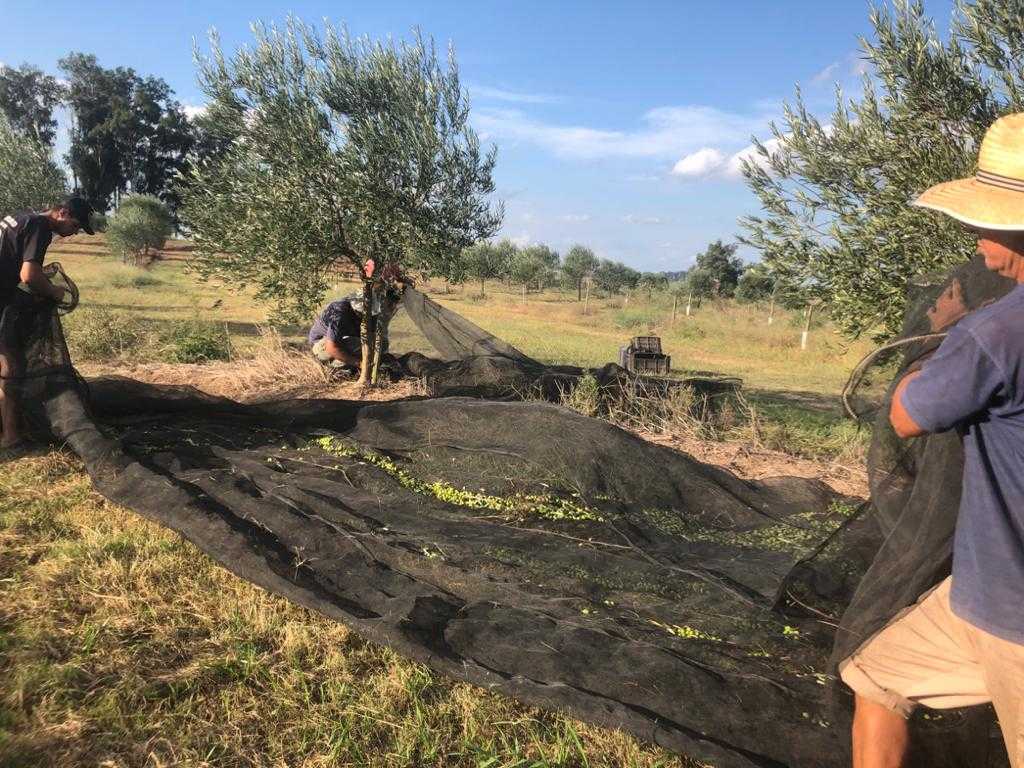
Luis Repetto is a small olive grower and the director of Olivar del Bhúo. On a 27-acre farm in the province of Canelones, a few miles outside of the capital city, Repetto allocates half of his land to growing three varieties of olives and has his own oil mill.
Olivar del Bhúo has adopted stricter sanitary protocols than most producers. In addition to following the recommended social distancing measures and using personal protective equipment, the small-scale producer also regularly disinfects the harvesting and milling equipment.
Despite already taking all of these measures, Repetto said that he would have liked the federal government and Asolur, the Uruguayan Olive Oil Association, to send out specific guidances for producers.
As a result of the pandemic, Repetto did not hire additional laborers for the harvest and personally supervised and participated in all the tasks of the harvest.
In his opinion, it was very important to raise awareness among the workers who participated in the harvest, since many come from rural areas and may not understand the science behind how the virus spreads.
In spite of the setbacks, Repetto managed to complete his collection and processing activities in a few days.
Overall, he produced 50 percent less olive oil this year than he did in 2019. However, his agronomic advisor said that Repetto obtained one of the highest-quality yields that he has seen yet this year.
While some producers have been minimally impacted by the disruptions caused by Covid-19, others have had tougher times managing the logistics of their operations.
Sergio Gómez is the owner and director of Onoser (Olivo Noble), one of the largest logistics operators in the country. With his fleet of harvesting machinery, Gómez serves about 30 different producers in the central and eastern regions of the country.
His main difficulty has been the transfer of personnel between the different sites where he provided his services. For this, he had to provide each member of his team with their own vehicle.
Even though Gómez only assists in mechanical harvesting and the transportation of the fruit to the mill, following the necessary guidelines for social distancing has slowed down his team’s productivity.
However, the big drop in production across the country this year has meant that he is not behind schedule. Gómez expects to finish harvesting in April, before temperatures drop and the rain comes.
Meanwhile, the main olive agribusiness of Uruguay, Agroland SA, which makes up 60 percent of the country’s olive groves, began harvesting a few days after the coronavirus was first detected, on March 13.
The company is still harvesting and pressing their olives, but they expect to have a significantly lower yield than in previous years.
This company, which has a highly-developed technical infrastructure and labor set up, has three plantations in the east of the country and is an important tourist attraction along with the neighboring wineries.
The week leading up to Easter Sunday (known as Tourism Week) is one of the most popular times for traveling in Uruguay. However, this year, no tourists flocked to the country’s eastern seaboard as a result of the government’s prohibition on opening up tourist attractions.
While this will lead to a significant decrease in the company’s income, it is expected to simplify the collection and oil production work of the estate, since there will be no members of the public visiting the groves and mills.
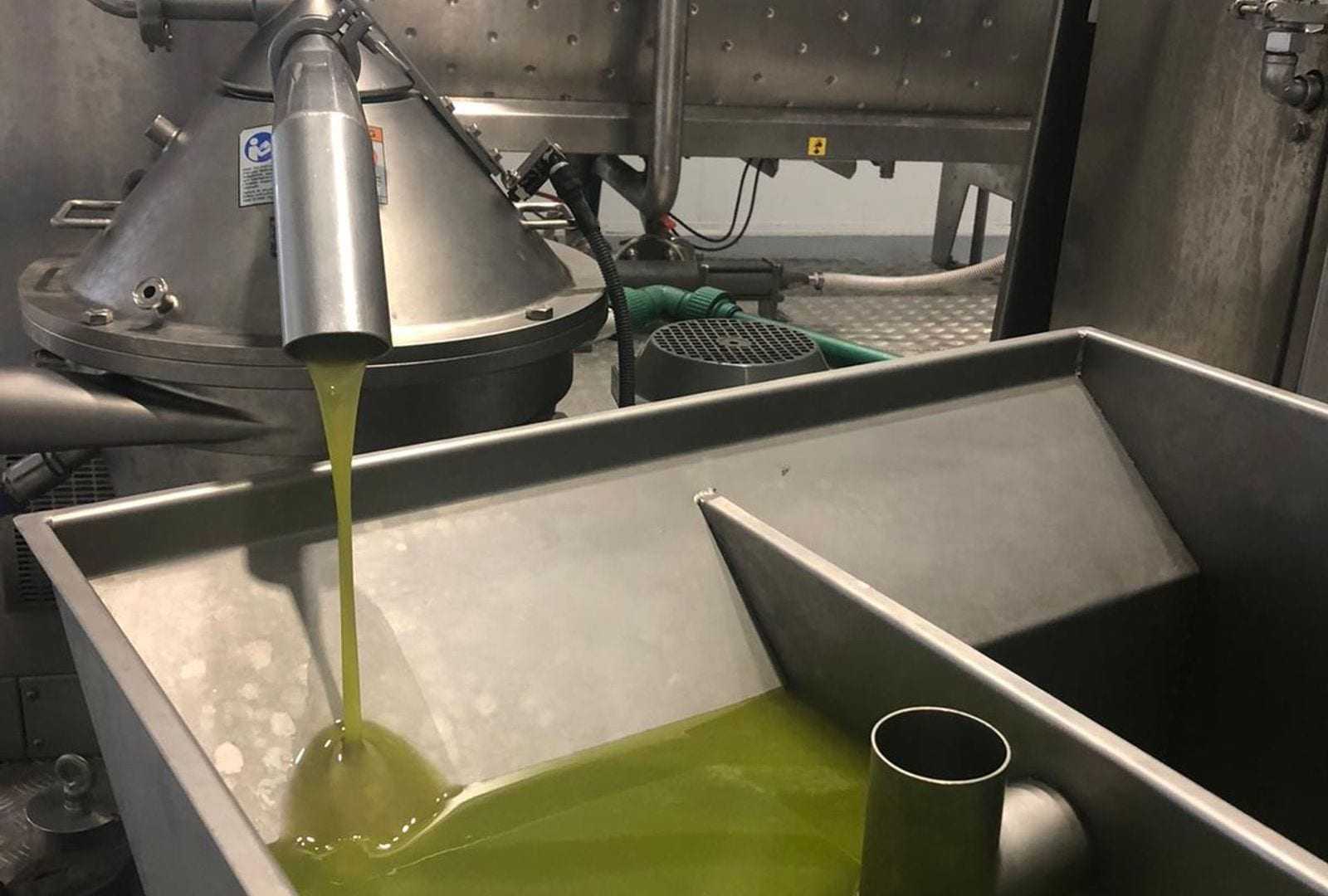
From a commercial point of view, the outlook for the future is difficult in Uruguay. Sales are practically paralyzed by inactivity in the tourism sector, which is one of the main sources of income for Uruguayan producers.
Likewise, the great production of 2019 has led to a volume close to 600 tons of surplus oil, some of which will help feed domestic demand but the rest of which is usually exported to neighboring Brazil.
The world’s third largest olive oil importer is currently being crippled by a rapidly rising Covid-19 infection rate, and as a result, the olive oil trade in the country has been paralyzed, with no clear timeline on when it will restart.
A significant number of producers had either a very small or non-existent harvest this year. They will have to face maintenance costs, employment and tax obligations with almost no income in 2020.
After a year of low production, the following season generally sees a significant rebound, which may provide a lifeline to producers who struggled in 2020.
The work for the 2021 harvest will begin in July, at the beginning of winter, with pruning and fertilization. These will require a considerable economic effort and there is no certainty that all producers will be able to efficiently perform these tasks in order to reap the benefits of a rebounding harvest in 2021.