UK Calls for Action to Prevent Xylella’s Arrival
Environment Secretary Michael Grove said Europe needs to step up its protection to halt the spread of the disease and demanded more checks on high-risk plants.
As fears mount that trees in Britain could fall victim to the disease which has wiped out large swaths of olive trees in Puglia and reared its ugly head on the Spanish mainland, the British government has called for greater action to prevent the arrival and spread of Xylella fastidiosa in the UK.
There are many other varieties that we no longer import due to Xylella, many of which are not currently known to be at risk from the disease.
Xylella has not yet been reported in the UK and it’s unknown which plants are susceptible to the disease but experts have expressed particular concern over a strain of Xylella that is able to survive in cooler climates and could infect a range of hosts including Britain’s most common tree, the oak.
Environment Secretary Michael Grove told the Guardian newspaper that Europe needs to step up its protection strategy to halt the spread of the disease and demanded more checks on high-risk plants as they are moved from country to country.
In a letter to the EU commissioner for health and food safety, Gove described containing the spread of Xylella as of “paramount importance.” While he welcomed the EU’s review of the issue and the introduction of emergency measures, he expressed concern over the strength of current EU arrangements and questioned the wisdom of letting high-risk species be moved unchecked across borders.
Gove said, “With the ongoing risk of infected plants being moved to new areas, it is vital we move swiftly to strengthen our protection, including through increased testing and setting higher biosecurity standards for production.”
If The EU fails to expand its precautionary measures, the UK may be forced to take its own steps to keep Xylella out of the country. These could include suspending the import of high-risk species including olive, almond, rosemary, lavender and oleander trees as well as introducing stronger import requirements for plants and trees arriving from other EU countries.
Xylella would have a disastrous impact on the UK’s horticultural sector and Nicola Spence, the UK’s chief plant health officer has called on UK plant importers to follow the example set by companies which have already ceased sourcing plants from EU regions affected by the disease.
One of the UK’s leading plant and tree suppliers, Johnsons of Whixley told Olive Oil Times they were, “very concerned” about the disease’s arrival and spread in the UK. Whixley’s have already taken precautionary steps which included scrapping the import of olive trees.
Jonathan Whittemore, Whixley’s senior procurement manager added, “We have a specific policy in regard to Xylella which basically means we have ceased imports from areas that we feel are too high risk.”
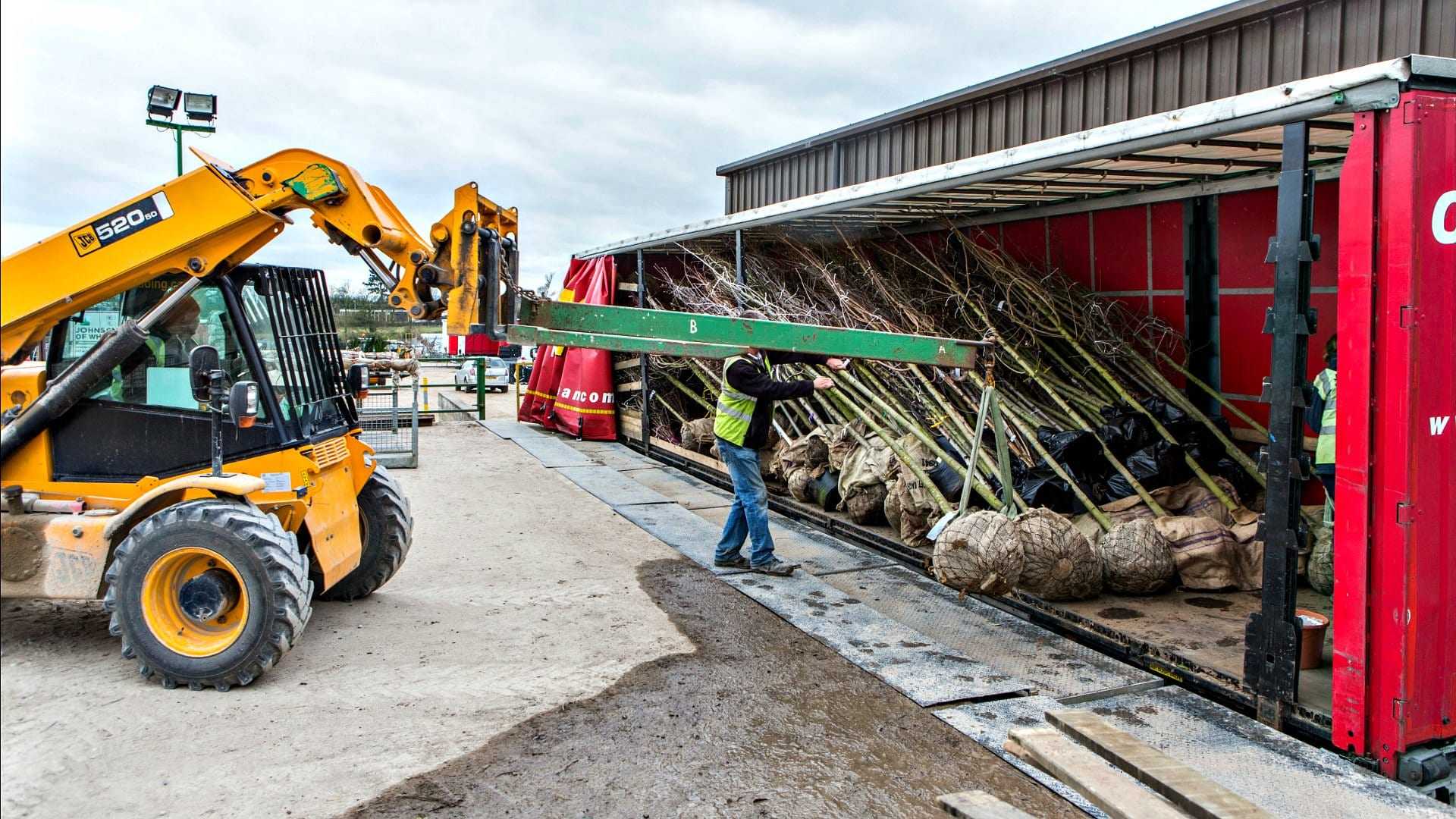
Johnsons of Whixley
“Due to the areas that we have stopped trading from and the susceptibility of the olive tree to Xylella, there are many other varieties that we no longer import due to Xylella, many of which are not currently known to be at risk from the disease,” Whittemore said.
He went on to express his concern that while awareness of Xylella is increasing in the UK, fear and lack of knowledge surrounding the disease is clouding decisions over the right action to take, resulting in companies taking unilateral action.
“Our approach relates specifically to our business and other responsible businesses are taking alternative approaches that they deem appropriate to their businesses,” Whitmore said.
At the end of the day, each business in the UK will take the action that it needs to maintain the commercial security. Some are calling for a collaborative approach from the different agencies and stakeholders in the industry.
“Strong leadership is required and action is urgent, Whittemore said. “There is a collective responsibility to inform and to warn. The whole of our industry is at risk if this disease enters UK.”