The Resilience of Tunisia’s Endemic Olive Varieties
Fermes Ali Sfar has garnered international acclaim for its Chetoui and Chemlali monovarietals.
Chetoui and Chemlali are the two main olive tree varieties endemic to Tunisia. Olive growers in the increasingly hot and dry North African country praise their resilience to climate change.
Despite a second straight year of heatwaves and drought in Africa’s largest olive oil-producing country, production rebounded to 220,000 tons, in line with the five-year average.
Chetoui and Chemlali have constantly evolved and adapted to the specific climatic conditions of their region of origin over time.
“The resilience of these trees to climate change is due to several factors, including their adaptability to current climate conditions and their ability to adapt to changing conditions,” Donia Sfar, the export manager of Fermes Ali Sfar, told Olive Oil Times.
The producers behind the award-winning family company have spent the past five decades promoting these local varieties’ organoleptic and healthful qualities.
See Also: Producer ProfilesFermes Ali Sfar’s efforts were rewarded at the 2024 NYIOOC World Olive Oil Competition, with its two Tesoro del Rio organic monovarietal brands earning Silver Awards.
“Founded in 1970 and passed down three generations, Fermes Ali Sfar is a family business specialized in the production of olive oil and the marketing of its own harvested products,” Sfar said.
“Fermes Ali Sfar runs three farms that extend more than 485 hectares and comprise 25,000 olive trees at the base of the Zaghouan mountain in the northeast of Tunisia,” she added. “The main farm is equipped with a mill that continues to press olives the traditional way, using granite millstone and mat pressing.”
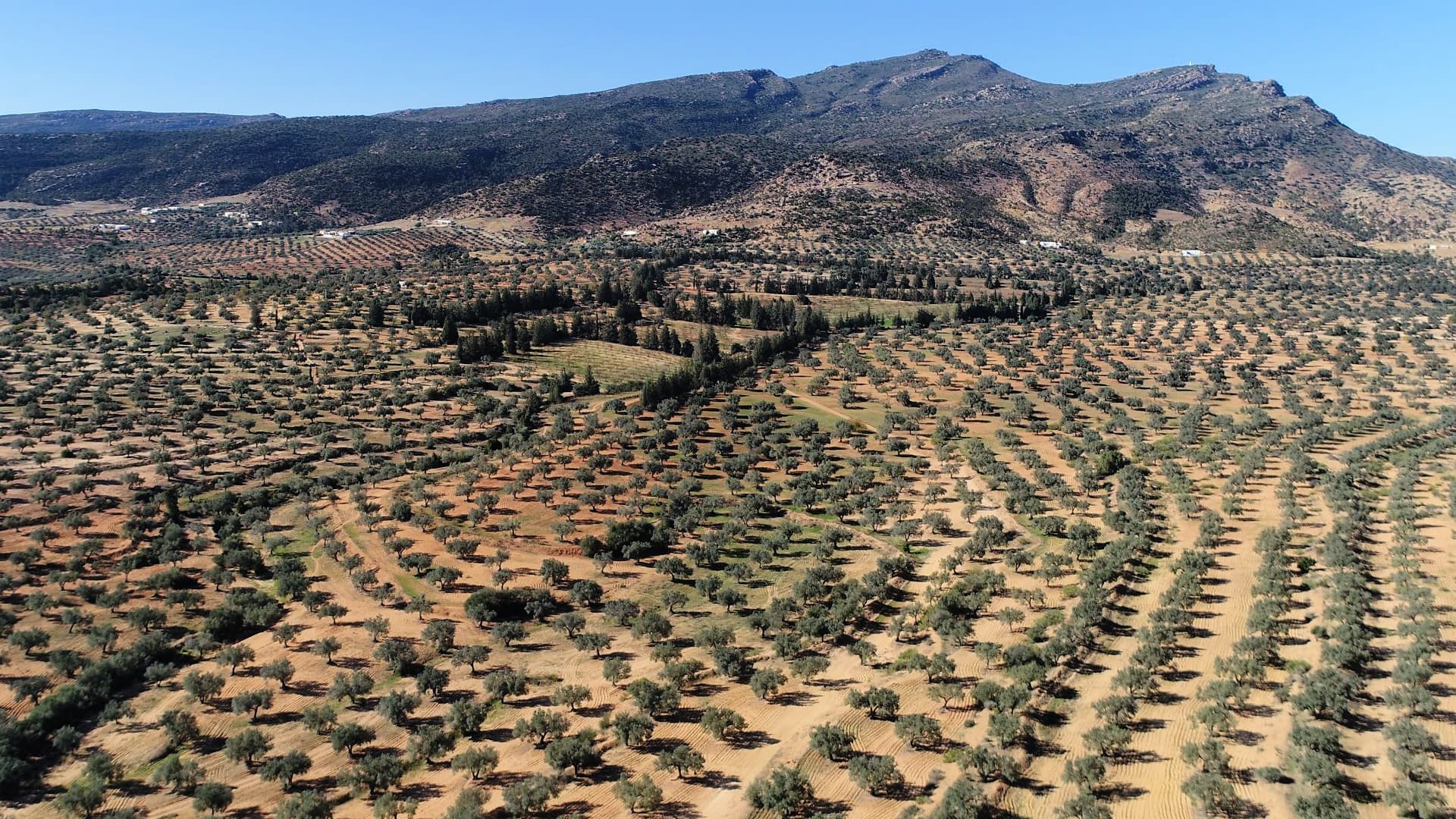
Fermes Ali Sfar grows 25,000 olive trees on 485 hectares across three farms in northeastern Tunisia. (Photo: Fermes Ali Sfar)
Sfar believes that the company’s success, which has been awarded at three consecutive editions of the World Competition, derives from its focus on Chetoui and Chemlali.
While the two native olive varieties are still the most commonly cultivated, there has been a recent increase in European varieties, such as Arbequina, Coratina and Koroneiki.
Coratina thrives in high-density plantations, while Arbequina and Korneiki can be grown at super-high-density, which the government and some producers view as the future of the country’s olive oil sector.
“Chetoui and Chemlali have constantly evolved and adapted to the specific climatic conditions of their region of origin over time,” she said. “Drought tolerance, a crucial factor for the survival of cultivation, means Chetoui and Chemlali olive trees can survive under conditions of increased water stress.”
The two varieties are also remarkably resilient to common pests and diseases, which are inherently infrequent due to Tunisia’s climate. The combination of factors has made Tunisia the world’s largest producer of organic extra virgin olive oil.
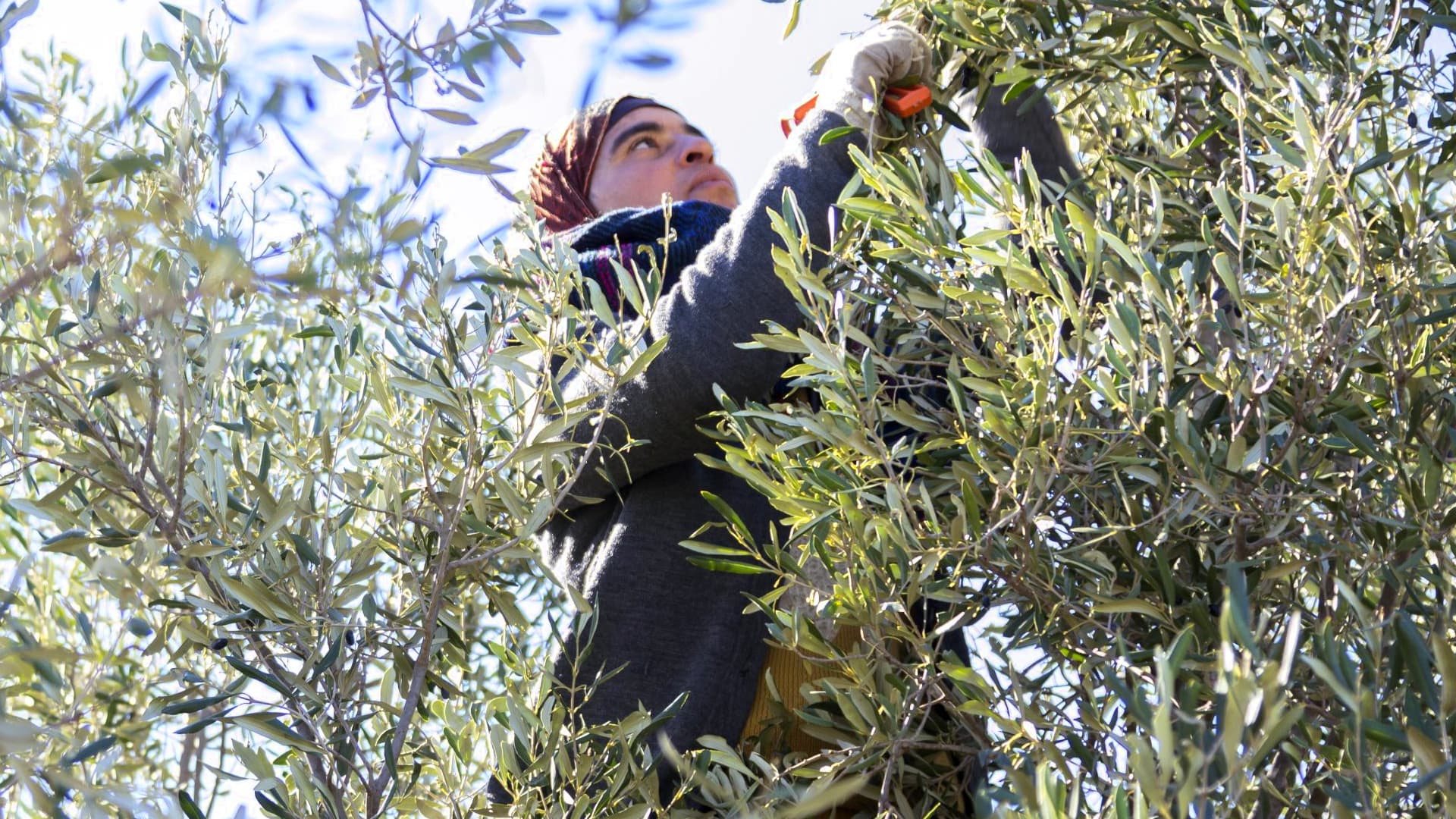
Quality awards raise awareness of branded Tunisian extra virgin olive oils. (Photo: Fermes Ali Sfar)
Along with their drought and disease resilience, Sfar said Chetoui and Chemlali demonstrate remarkable phenological flexibility.
“The ability for these olive varieties to adjust their growth cycle in response to climatic variations is a key element of their resilience,” she said. “Chetoui and Chemlali are known for their phenological flexibility, meaning they can adapt to changing weather conditions by adjusting the timing of flowering and fruiting.”
Despite the resilience and adaptability of the Chetoui and Chemlali olive varieties, Sfar said that consistently producing high-quality extra virgin olive oil remains a complex and demanding process in Tunisia.
Since ensuring the quality of the olive oil begins with the olives, she said the company harvests “at the optimal time of maturity,” often sacrificing quantity for quality.
“Our olives are processed quickly after harvest to avoid deterioration and oxidation,” Sfar said. “This rapid processing is essential to preserve the aromas, flavors and beneficial compounds of our olive oil.”
“Once extracted, our olive oil is stored under appropriate conditions to avoid oxidation and deterioration and maintain its quality,” she added. “Finally, our quality control is carried out rigorously to ensure that our product meets the highest standards.”
Undertaking this process each year takes time and expense, increasing the value of the olive oil quality awards to the company.
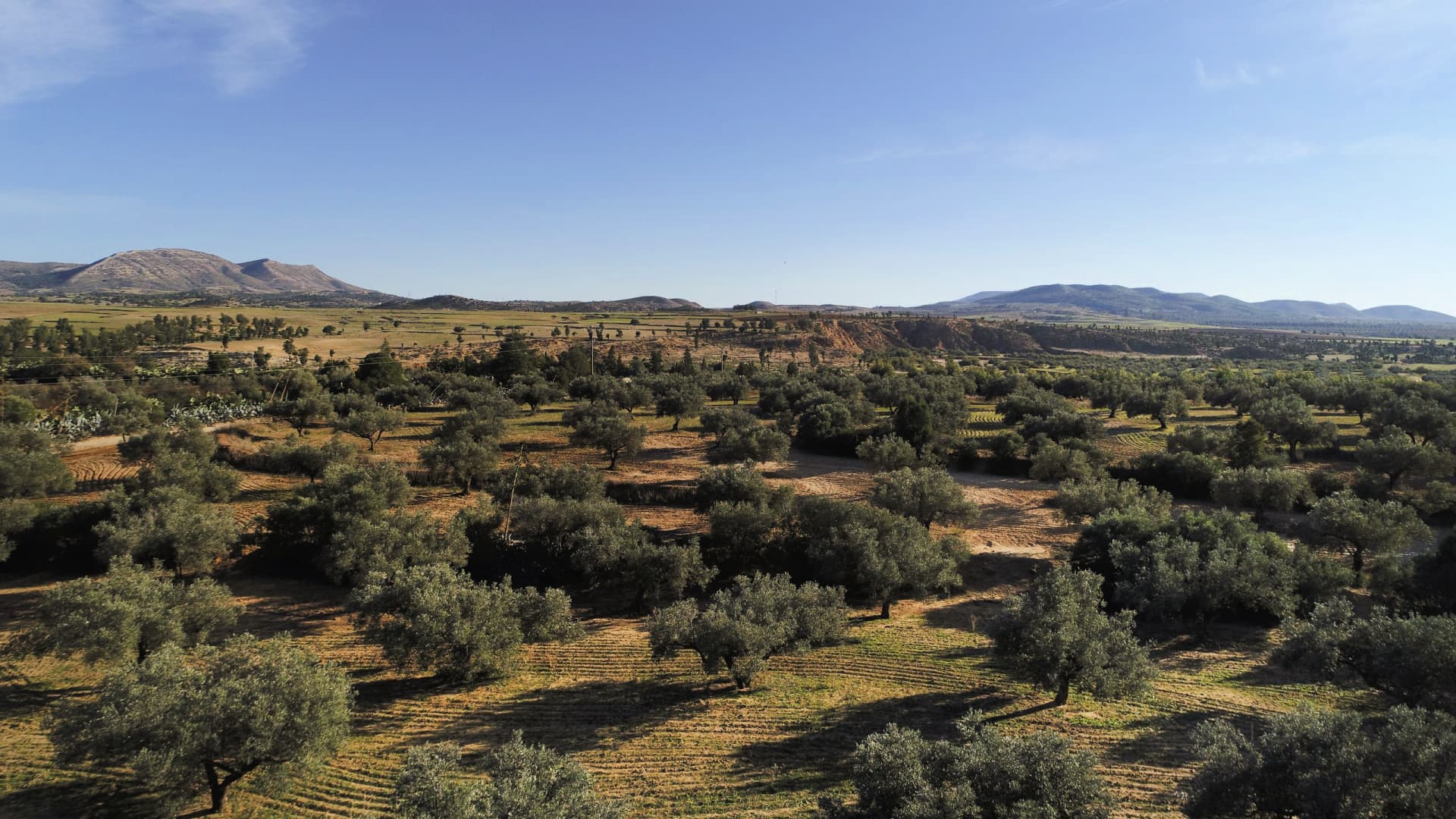
The endemic Chetoui and Chemlali varieties have proven resilient to Tunisia’s changing climate. (Photo: Fermes Ali Sfar)
“Winning an award at the NYIOOC can only be a source of immense pride and satisfaction,” Sfar confirmed. “This represents recognition of our expertise, know-how and commitment to producing quality olive oil.”
While the vast majority of Tunisian olive oil is exported in bulk to Spain and Italy to be blended, bottled and sold under European brands, Fermes Ali Sfar is part of a growing contingent of producers shifting toward individually packaged exports, which provide more economic value to local farmers and millers.
“These awards give additional credibility to our brands and allow us to stand out in a competitive market and attract the attention of consumers looking for quality and authenticity,” Sfar said.
“The recognition gained from this victory can open up new business opportunities,” she concluded. “This could include an even stronger expansion of our international market presence, access to new distribution channels or even partnerships with more companies.”