



Experts Back Olives in a Hotter, Drier World
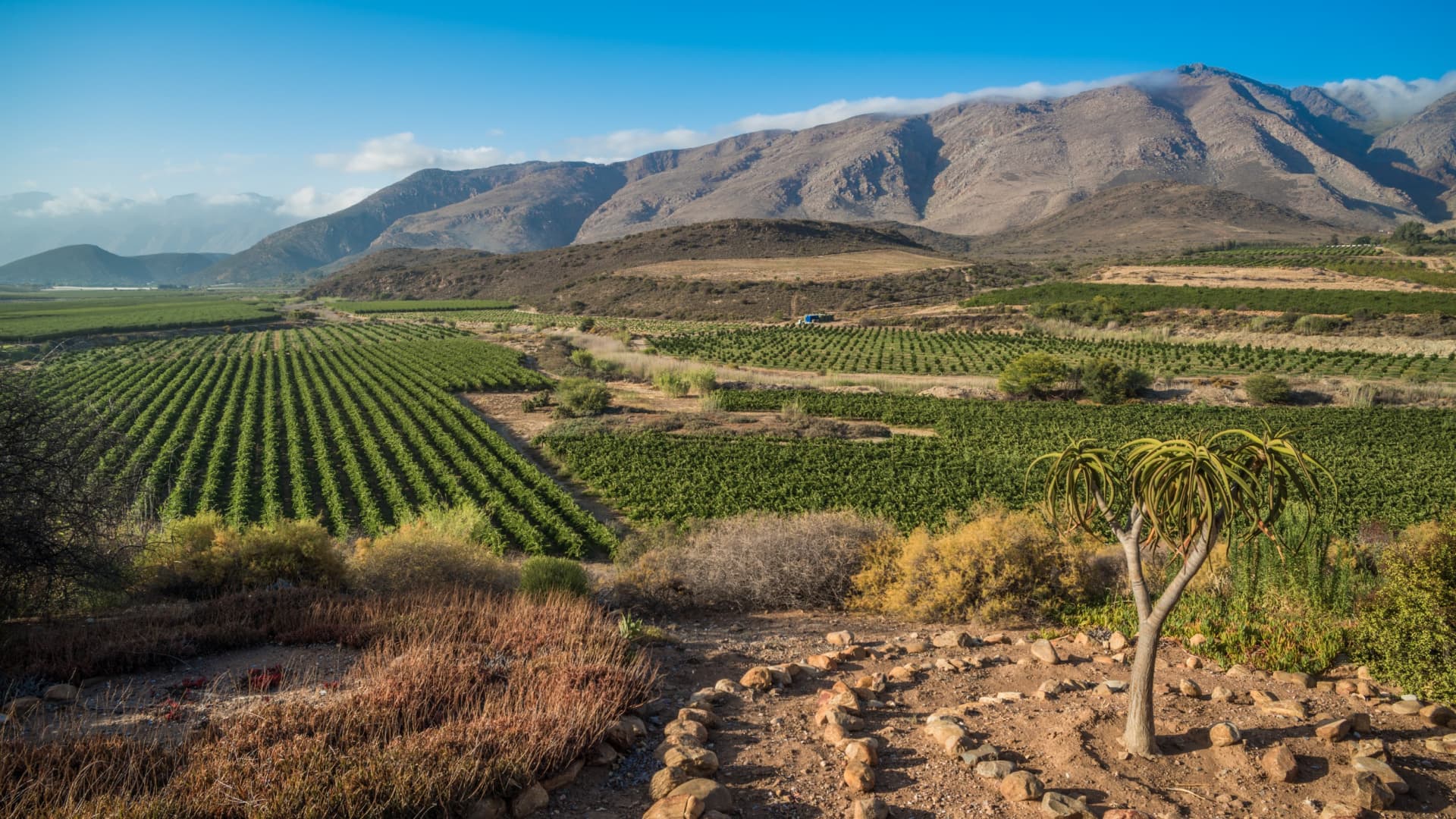

Primo Proietti believes that increasing food production by at least 50% will be crucial to feed a global population of over nine billion within the next 30 years. Olive farming, with its potential to sequester carbon and mitigate climate change, may play a significant role in sustainable agriculture practices to address these challenges.
With another billion people expected to live on the planet in the next three decades, Primo Proietti believes the most significant challenge for the future will be to grow enough food.
In these times, the olive tree, some of its characteristics such as being drought-tolerant, still make it one of the best agricultural land uses.
“If we fail in curtailing greenhouse gas emissions, the rising temperatures on the planet’s surface will cause devastating impacts on agriculture, reduce productive areas and slash crop yields,” the professor of agricultural and environmental sciences at the University of Perugia, Italy, told Olive Oil Times.
“According to the Food and Agricultural Organization of the United Nations (FAO), within the next 30 years, the global population will exceed nine billion,” Proietti added. “To respond to that, we need to increase food production by at least 50 percent, expanding the cultivated areas and the yields per hectare.”
As a result, olive farming may play a critical role in the future of agriculture. Olive trees can sequester carbon from the atmosphere, support soil health, prevent erosion and enhance biodiversity by providing natural habitats for numerous animal species.
See Also:Organic Farm in Jaén Blazes a Trail for Selling Carbon CreditsSustainable agricultural practices, such as using cover crops, minimal tillage, and avoiding chemical pesticides and fertilizers in organic farming, can further enhance olive groves’ environmental benefits.
As coordinator of the European Union project Olive4Climate, Proietti and his team worked to evaluate the carbon balance in Italian, Greek and Israeli farms.
They found that, on average, producing one liter of extra virgin olive oil sequestered six kilograms of carbon dioxide compared with the 3.4 kilograms emitted during its production.
“By adopting environmentally sustainable cultivation models, olive oil can even have a negative carbon footprint,” Proietti said. “Olive growing can mitigate climate change since the carbon sequestration occurring in the olive grove system is greater than the emissions of the entire supply chain.”
“This is a result of significant environmental interest and can, therefore, have a considerable positive impact on consumer choices and can consequently generate significant added value for the oil,” he added.
The E.U.-backed project produced a manual to help improve the carbon balance by reducing emissions and increasing the carbon sequestered in plants and soil.
According to Proietti, the promising olive tree-related carbon credit market might further boost olive trees’ significance when combating climate change.
Still, the most recent olive harvests and the impacts of climate change have shown to the global community the severe challenges olive production has to face in current times.
“The olive tree is a highly resilient tree,” Adriana Bruggeman, a researcher and associate professor at the Cyprus Institute, told Olive Oil Times. “When it comes to production, irrigation facilities, regulated access to water resources and sustainable practices can probably offer the olives good protection from events such as drought.”
Besides the correct and sustainable management of the grove, water availability for irrigation and best practices are top priorities for current and future olive farms.
“Climate change is causing both a decrease in rainfall during the summer (currently by 2.5 percent) and higher water consumption by plants due to increased evapotranspiration,” Proietti said.
That adds to more significant water loss from the soil through evaporation and transpiration due to rising temperatures, which increases irrigation needs.
“In the Mediterranean, an increase in irrigation requirements of almost 20 percent is estimated for the coming decades,” Proietti said.
“Water resources will be less,” Bruggeman added. “Today, we irrigate many crops. In the future, some might even switch to allocating more for olive trees and less for tree crops that are less drought tolerant.”
Modern irrigation technologies and procedures can significantly improve efficiency. In Cyprus and many other olive-producing countries, advanced weather monitoring systems are increasingly used to balance irrigation and maximize the benefits of water use.
“The application of a deficit irrigation strategy, already experimented with olive groves and vineyards, increases water use efficiency as it avoids excessive soil moisture while preserving water for the vegetative-productive cycle where water most improves productive performance,” Proietti said.
He added that soil moisture in olive groves should meet about 70 percent of the trees’ water needs at essential moments in tree development, including mesocarp growth, pulp generation and fruit setting.
“It should be at about 30 to 40 percent during phases more directed towards the hardening of the pit and vegetative activity,” Proietti said. “In this manner, 30 to 50 percent water savings can be achieved with no excessive repercussions on production.”
Other significant approaches include irrigating at night to reduce evaporation losses, maintaining the soil and enriching it with organic matter.
“[These measures] improve water retention capacity and reduce surface water runoff in sloped terrains, thus increasing soil storage, by application of cover cropping in winter and subsequent green manuring at the beginning of spring,” Proietti said.
“If the soil is managed through permanent cover cropping, it is protected from extreme temperature variations and excessive evaporation by exploiting the mulching effect of grass clippings,” he added.
In the context of olive cultivation, mulching involves covering the soil around the olive trees with a layer of material, which can be organic or inorganic.
The goals include moisture conservation, reducing weed growth by blocking sunlight, regulating soil temperature, protecting roots from weather extremes and improving soil health when organic materials are used and slowly decompose.
“Mowing of the annual vegetation cover such as weeds and leaving the mowed vegetation on the field to dry generates a healthy mulch cover,” Bruggeman said.
“This is a good practice to reduce evaporation losses, thereby reducing irrigation water demand,” she added. “It also improves the soil’s organic content and soil health, which creates better soil-water storage and makes the trees more resilient.”
Besides saving water, Bruggeman said advanced irrigation management can improve oil quality. Providing too much water to the olives right before the harvest can decrease oil yield in the olives and lower quality.
Away from optimizing irrigation, Bruggeman said extreme temperatures and heatwaves, especially ones that coincide with olive tree flowering, are challenges that olive growers in Cyprus and elsewhere must also face.
“What we are going through in Cyprus and probably throughout the Mediterranean basin is a growing unpredictability of weather; that is how we can see that climate is changing,” Bruggeman said.
“In these times, the olive tree, some of its characteristics such as being drought-tolerant, still make it one of the best agricultural land uses,” she concluded.
Related Articles
Jun. 25, 2025
Olive Architecture: A New Branch of Grove Management
A new study analyzes the architectural characteristics of olive trees to inform key decisions about cultivar selection, orchard layout, pruning and harvest.

Jan. 7, 2026
Olive Pit Biochar Shows Promise as Low-Carbon Alternative in Concrete Production
Researchers in Spain are testing biochar made from olive pits as a replacement for sand in concrete, a move that could significantly reduce carbon emissions from construction.
Jun. 28, 2025
Family's Love for Italian Cultivar Shapes Generations of Success
The Carroccia family-run olive farm in central Italy produces a celebrated Itrana monovarietal, rooted in love for the unique cultivar and its connection to the 'village of longevity.'

Sep. 26, 2025
Turkish Producer Monsida Eyes Global Markets After Record Harvest
After decades of experience in the olive oil sector, the producer behind Monsida is betting on early harvest endemic monovarietals to break through at home and abroad.
Mar. 26, 2026
At Domaine de Gerbaud, Native Provençal Cultivars Shape an Award-Winning Blend
For Domaine de Gerbaud, blending Aglandau, Salonenque, Grossane and Bouteillan is both technical and expressive, shaped by terroir, organic farming and the realities of climate pressure.

Apr. 29, 2025
Olive Sector Key to Andalusian Circular Economy Plan
A new five-year plan from the Andalusian government sets ambitious goals for transforming the world's largest olive oil-producing region into a circular bioeconomy.
Apr. 15, 2025
Spanish Researchers Study Salt Stress on Olive Trees
The researchers recommend using salt-tolerant cultivars or rootstocks for sustainable agriculture.
Mar. 16, 2026
E.U. Adopts 2040 Climate Target
European Union member states have approved a 2040 climate target requiring emissions to fall 90 percent from 1990 levels, with most of the cuts expected to come from within the bloc.