Turkish Producer Monsida Eyes Global Markets After Record Harvest
After decades of experience in the olive oil sector, the producer behind Monsida is betting on early harvest endemic monovarietals to break through at home and abroad.
After more than 30 years working across the food industry, Monsida founder Nüvit Kulunyar decided to return to his family’s roots in agriculture.
While working for several major Turkish food companies in Istanbul, Kulunyar oversaw the sales and marketing of olive oil, sunflower oil, margarine and other food products.
Fluctuations in olive oil sales and profitability are a periodic occurrence. However, we believe these challenges can be mitigated by balancing domestic sales with a strong export strategy.
His proximity to producers and olive oil sellers, combined with his admiration for the product’s health benefits and sustainability credentials, eventually led him to his family’s historic home 170 kilometers south of Istanbul in Balıkesir province.
“In my previous professional life, I worked with branded olive oil, frequently meeting with producers and distribution companies to understand market dynamics,” he told Olive Oil Times. “This, combined with my family’s background in agriculture, was a key factor in my becoming an olive oil producer today.”
See Also: Producer ProfilesKulunyar started Monsida in 2022, harvesting native Domat, Edremit and Yamalak Sarısı olives from the foothills of the Kaz Mountains, above the Gulf of Edremit.
Found almost exclusively in the town of Yamalak in Aydın, Yamalak Sarısı olives ripen early in the season due to a unique combination of rainfall, humidity and altitude.
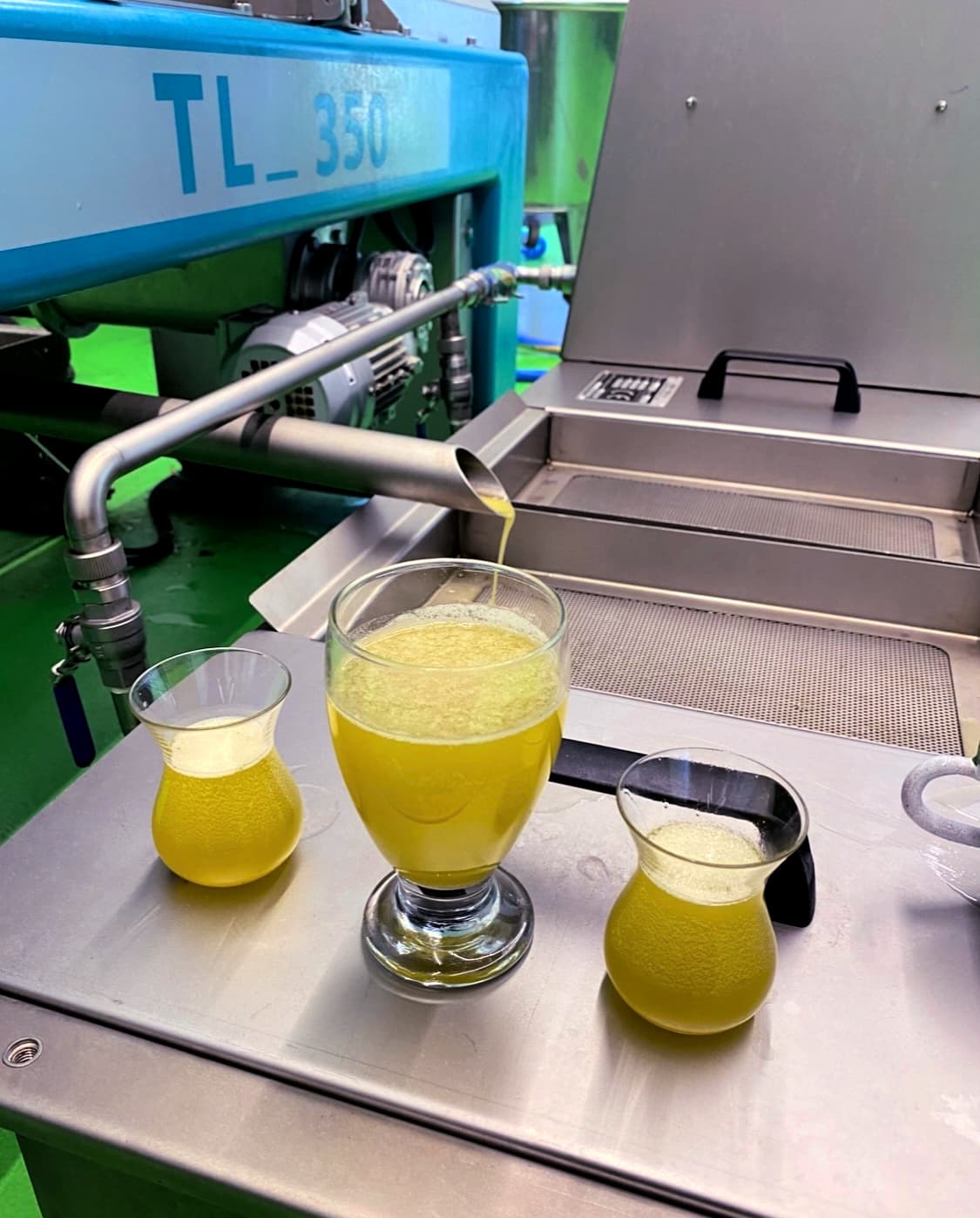
As a result, Kulunyar begins the harvest in late September to pick the Yamalak Sarısı and slightly more widespread Domat olives while they are still green, reaping the benefits of their high polyphenol content.
Monsida’s Domat monovarietal extra virgin olive oil earned a Gold Award at the company’s NYIOOC World Olive Oil Competition debut. (Photo: Monsida)
From mid-October to early November, Kulunyar completes the harvest by picking the Edremit olives as they mature, resulting in a more delicate extra virgin olive oil.
Overall, Kulunyar believes that the region’s specific climate, including high summer winds, and Edremit’s mountainous and coastal terrain, contribute to the unique quality of its extra virgin olive oil.
In March, Monsida’s Domat monovarietal was awarded at the world’s largest olive oil quality competition.
“The key characteristics of our Monsida Domat olive oil are that it’s a single-estate product with a rich, fruity aroma and a balanced bitterness and pungency,” Kulunyar said.
“It was truly gratifying to hear about our Gold Award at the NYIOOC World Olive Oil Competition,” he added. “This is a significant achievement, and it’s incredibly rewarding to see all our hard work acknowledged.”
Entering international quality competitions, especially the NYIOOC, has played a crucial role in Monsida’s product development, and Kulunyar hopes that it will also help the company expand beyond the domestic market.

The 2025/26 harvest will begin in about one month for Monsida with the Yamalak Sarısı and Dormat olives. (Photo: Monsida)
“[The competitions] represent an important challenge and an opportunity to improve our products,” he said. “We use these accolades to communicate with our customers, illustrating what a truly quality product is and what criteria it meets.”
Drawing on his previous experience in the food industry, Kulunyar makes a point to remain in close contact with a wide range of customers, including home cooks, professional chefs, and distributors.
Along with entering olive oil quality competitions, Kulunyar plans to visit several international food fairs to raise the profile of the three-year-old company.
“Currently, our Monsida sales are focused on the domestic market, but we plan to work on export sales in the near future,” he said. “Our potential target markets for export are the United States, England, Japan and Germany.”
Kulunyar takes a long-term view of the olive oil market and believes Monsida’s business strategy will hedge against the significant swings in international olive oil prices.
“Fluctuations in olive oil sales and profitability are a periodic occurrence,” he said. “However, we believe these challenges can be mitigated by balancing domestic sales with a strong export strategy.”
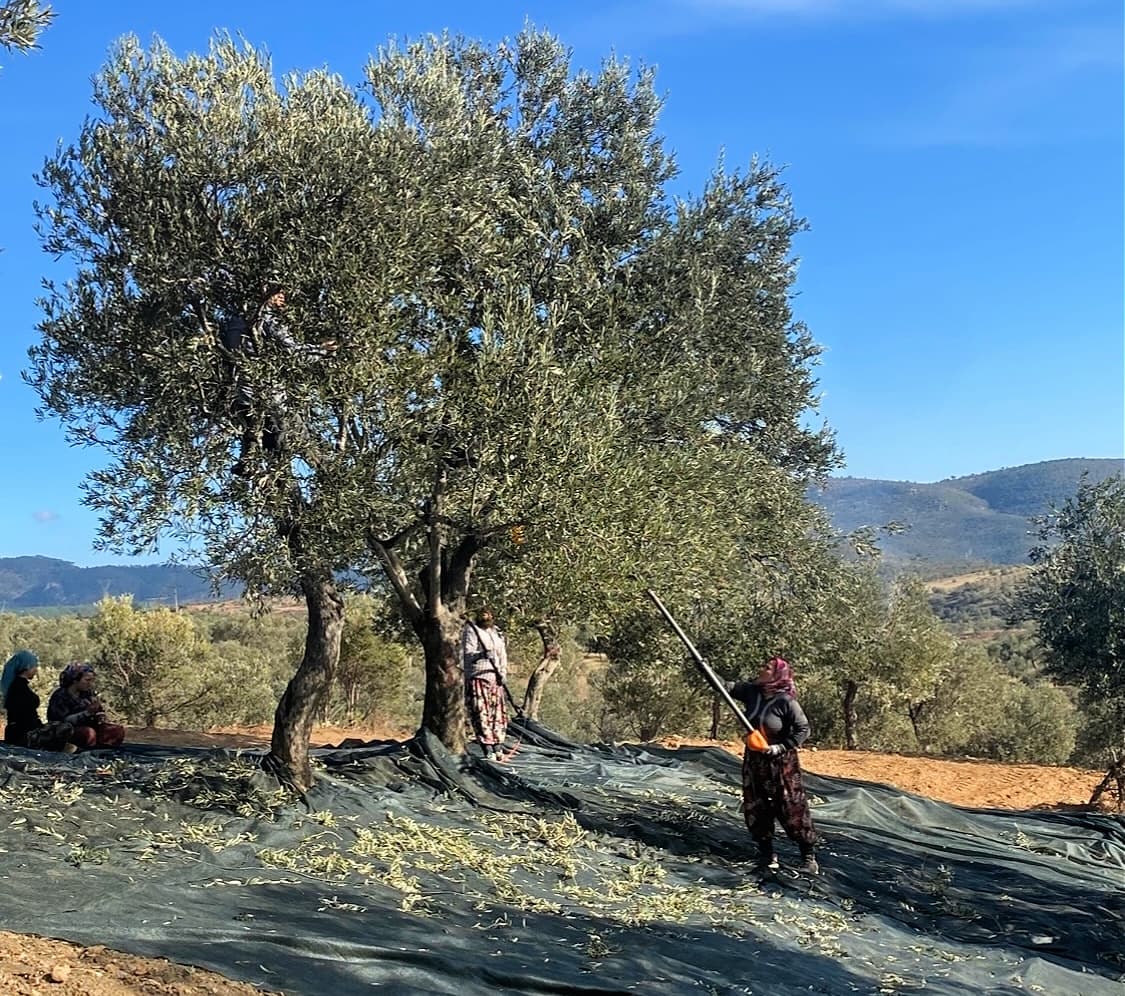
Along with other producers in Turkey, Monsida enjoyed a record-breaking harvest in the 2024-25 crop year. (Photo: Monsida)
Relatively high tariffs of 15 percent on European Union and 25 percent on Tunisian olive oil exports to the U.S. have paved the way for Turkey, which faces a baseline ten percent tariff, to capture a larger market share.
The world’s second-largest olive oil producer in the 2024/25 crop year was the fourth-largest exporter to the U.S. in 2023, according to U.S. government data.
The award has also capped off a particularly fruitful season for Turkey and Monsida. Officials estimate that Turkey produced a record-high 475,000 tons of olive oil in the 2024/25 crop year, and Kulunyar confirmed that Monsida enjoyed similar fortunes with 5,000 liters of production.
“At Monsida, we were able to increase our production significantly compared to the previous year,” he said. “While this growth was very positive, the climate change-related drought and reduced rainfall brought about different challenges in olive oil production.”
“We faced issues with both quality and yield, and we are actively working to address these problems,” he added.
Kulunyar said he closely monitors the olive groves, collecting and taking action based on a range of data. Specifically to cope with the region’s increasing droughts, he is installing a new irrigation system.
While some experts expect olive farming to play a crucial role in the future of agriculture, Kulunyar believes that farmers in his part of Turkey will need to adapt to declining rainfall.